Eggs

Overview

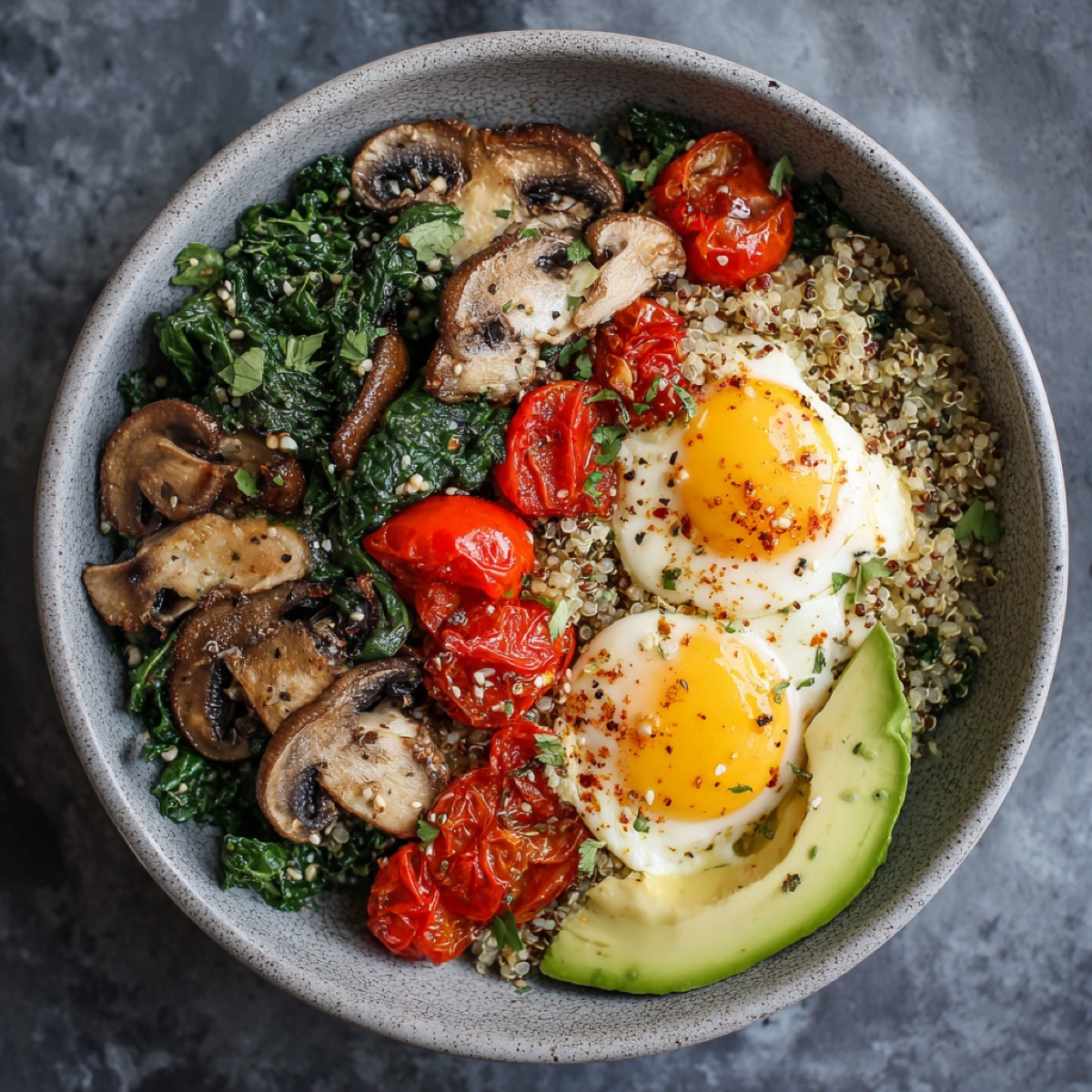
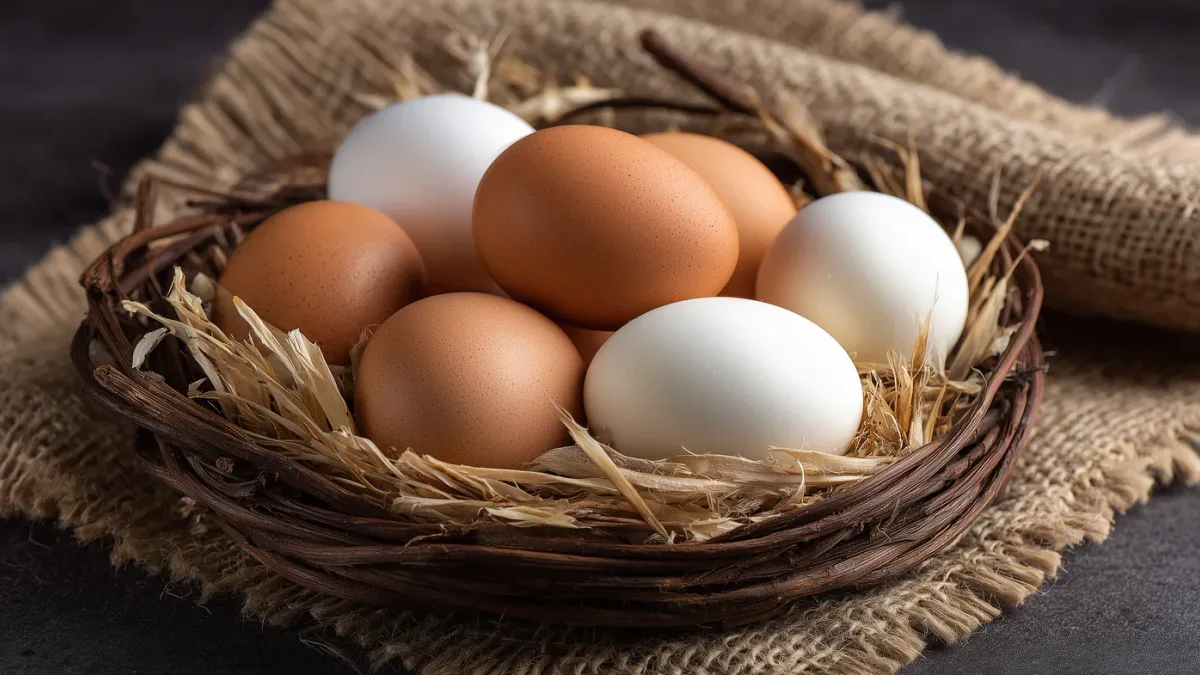
Eggs, especially egg yolks, are nutrient-dense sources of complete protein, choline, B vitamins, and phospholipids. Pasture-raised egg yolks provide essential brain nutrients including choline, vitamin K2, butyrate, and fat-soluble vitamins A, D, and E. Eggs support neurotransmitter synthesis and membrane health, with complete amino acid profile (DIAAS 113) and are listed as sources for tryptophan and tyrosine, neurotransmitter precursors for serotonin and dopamine synthesis respectively.

Recipes

no recipes found

Substances

28 substances in this food
Chemical structure

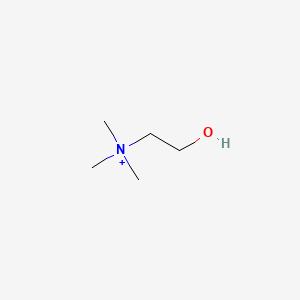
Choline

Acetylcholine precursor; methyl donor; phospholipid synthesis for membranes

Chemical structure

Histidine

Essential AA; precursor to histamine; roles in enzyme active sites

Chemical structure

Iron

Oxygen transport; dopamine synthesis (tyrosine hydroxylase cofactor)

Chemical structure

Isoleucine

Essential BCAA; energy metabolism; complements leucine/valine

Chemical structure

Leucine

Essential BCAA; mTOR signaling; protein synthesis; cognitive load support

Chemical structure

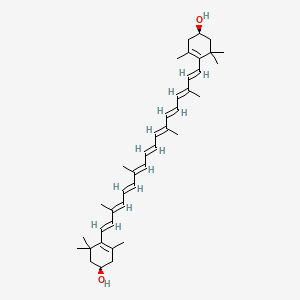
Lutein

Neuroprotective carotenoid; accumulates in neural tissues and retina; supports cognitive performance

Chemical structure

Lysine

Essential AA; limiting in many cereals; complements legumes

Chemical structure

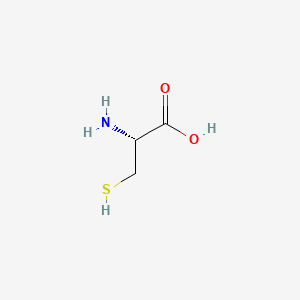
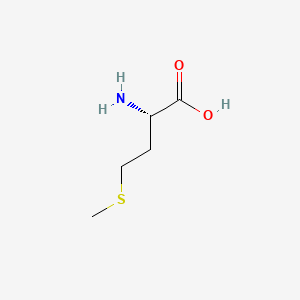
Methionine

Essential AA; precursor to SAMe via methylation cycle

Chemical structure

Phenylalanine

Essential AA; precursor to tyrosine → catecholamines

Chemical structure

Selenium

Antioxidant enzyme cofactor (GPx); supports redox balance

Chemical structure

Threonine

Essential AA; structural proteins; mucin production

Chemical structure

Tryptophan

Serotonin/melatonin precursor; NAD+ pathway substrate; LAT1 transport dynamics

Chemical structure

Tyrosine

Dopamine and norepinephrine precursor; LAT1 competition with LNAAs

Chemical structure

Valine

Essential BCAA; supports protein balance and neurotransmitter transport competition

Chemical structure

Vitamin D

Neurotrophic and immune modulation; calcium homeostasis

Chemical structure

Vitamin K2 (MK forms)

Calcium handling; potential roles in brain health; often co-occurs with fat-soluble vitamins

Chemical structure

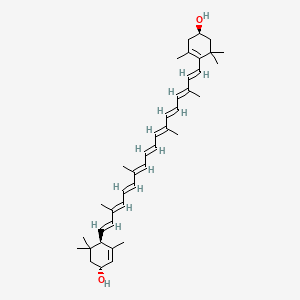
Zeaxanthin

Neuroprotective carotenoid; accumulates in neural tissues and retina; supports cognitive performance

Chemical structure

Zinc

Cofactor in neurotransmission and antioxidant enzymes; dopamine modulation

Preparation Notes

  • Gentle cooking preserves nutrients and prevents formation of advanced glycation end products (AGEs)
  • Pair with vegetables for carotenoid absorption (dietary fat enhances absorption of fat-soluble vitamins)
  • Consider pasture-raised for higher omega-3 and vitamin content
  • Regular choline intake supports ongoing acetylcholine synthesis; important for structural membrane health
  • Eggs provide phosphatidylethanolamine (PE), which can convert to phosphatidylcholine (PC) or N-acyl phosphatidylethanolamines (NAPEs) for endocannabinoid system support

Biological Target Matrix

Biological TargetSubstanceTherapeutic AreasMechanism of Action
Endocannabinoid System (ECS)CholinePrecursor for phosphatidylcholine (PC) synthesis; PE can be converted into PC or N-acyl phosphatidylethanolamines (NAPEs); NAPEs are precursors to N-acyl ethanolamines (NAEs) like palmitoylethanolamide (PEA), oleoylethanolamide (OEA), and anandamide (AEA), bioactive lipids which act as neuromodulators with anti-inflammatory, neuroprotective, and mood-regulating effects
Endocannabinoid System (ECS)Phosphatidylethanolamine (PE)Key brain phospholipid that can convert to PC or N-acyl phosphatidylethanolamines (NAPEs); NAPEs are precursors to N-acyl ethanolamines (NAEs) like palmitoylethanolamide (PEA), oleoylethanolamide (OEA), and anandamide (AEA), bioactive lipids which act as neuromodulators with anti-inflammatory, neuroprotective, and mood-regulating effects
Gut MicrobiomeVitamin DSupports gut barrier integrity; nutrient deficiencies including vitamin D disrupt tight junctions, increasing permeability
Hormonal ResponseVitamin B5 (Pantothenic Acid)Essential for CoA/PDH function; supports hormonal synthesis pathways
Hormonal ResponseVitamin DModulates neurotrophic factors vital for survival and growth of neurons; supports calcium homeostasis and calcium handling
Hormonal ResponseVitamin K2 (MK forms)Modulates calcium distribution; supports calcium handling and may support neural function; occurs in fermented foods and certain animal products
InflammationLuteinAnti-inflammatory properties; supports immune regulation
InflammationZeaxanthinAnti-inflammatory properties; supports immune regulation
InflammationZincSupports immune signaling; gut barrier integrity disrupted by nutrient deficiencies including zinc
Inflammationβ-CaroteneAnti-inflammatory properties; supports immune regulation
Insulin ResponseVitamin B1 (Thiamine)Supports glucose metabolism and insulin sensitivity through mitochondrial function
MethylationCholinePrecursor to trimethylglycine (TMG/betaine), a dietary methyl donor that helps recycle homocysteine to methionine via an alternative pathway; supports one-carbon metabolism alongside folate, riboflavin, and B12; influences methylation dynamics relevant to MTHFR and COMT activity
MethylationMethionineEssential amino acid that forms S-adenosylmethionine (SAMe), the universal methyl donor for neurotransmitter synthesis and membrane phospholipid methylation
MethylationVitamin B12 (Cobalamin)Essential cofactor in remethylation of homocysteine to methionine, which is converted to S-adenosylmethionine (SAMe); works with B6, B2, and folate; contributes meaningfully to homocysteine reduction, especially in combination with omega-3 fatty acids
MethylationVitamin B2 (Riboflavin)FAD acts as a critical cofactor for MTHFR, linking riboflavin to homocysteine recycling and methylation capacity
MethylationVitamin B6 (Pyridoxine → PLP)Essential cofactor in remethylation of homocysteine to methionine, which is converted to S-adenosylmethionine (SAMe); works with B2, folate, and B12
MethylationVitamin B9 (Folate; 5-MTHF)Essential cofactor in remethylation of homocysteine to methionine, which is converted to S-adenosylmethionine (SAMe); SAMe fuels synthesis of dopamine, norepinephrine, and serotonin and drives phospholipid methylation in neuronal membranes
MethylationZincDeficiencies in vitamins and minerals essential for methylation, such as folate, vitamin B12, and zinc, are correlated to ADHD symptoms; supplementing these micronutrients has shown potential in supporting methylation and reducing symptom severity
Mitochondrial SupportIronCritical for oxygen delivery to the brain via hemoglobin; supports mitochondrial function and energy production
Mitochondrial SupportSeleniumProtects mitochondria from oxidative damage through antioxidant enzyme activity
Mitochondrial SupportVitamin B1 (Thiamine)Essential for mitochondrial glucose metabolism in the brain leading to ATP production; supports PDH (pyruvate dehydrogenase) and α-KGDH (alpha-ketoglutarate dehydrogenase) function
Mitochondrial SupportVitamin B12 (Cobalamin)Crucial role in conversion of methylmalonyl-CoA to succinyl-CoA, a key step in mitochondrial energy production; deficiency leads to buildup of methylmalonic acid and odd-chain fatty acids, which are neurotoxic
Mitochondrial SupportVitamin B2 (Riboflavin)Forms FMN/FAD coenzymes, supporting oxidative metabolism and redox balance; facilitates metabolism of B12, B6, and niacin; supports antioxidant enzymes
Mitochondrial SupportVitamin B5 (Pantothenic Acid)Forms CoA (coenzyme A), required for β-oxidation and TCA cycle acetyl-CoA flux; deficiency impairs ATP production impacting brain energy
Neurochemical BalanceCholineEssential precursor for acetylcholine synthesis, supporting memory, learning, and neuroplasticity; supports membrane phospholipid biosynthesis (PC) which is critical for membrane fluidity and neurotransmitter receptor function; phospholipid methylation (PLM) alters membrane structure, facilitating faster neuronal recovery and influencing ion channel behavior in gamma oscillations linked to attention and cognition
Neurochemical BalanceIronEssential cofactor for tyrosine hydroxylase, the rate-limiting enzyme in the conversion of tyrosine to dopamine; critical for catecholamine synthesis
Neurochemical BalancePhenylalanineEssential amino acid that converts to tyrosine and supports catecholamine synthesis (dopamine, norepinephrine); participates in LAT1 competition at the blood-brain barrier
Neurochemical BalancePhosphatidylcholine (PC)Major neuronal membrane phospholipid central to membrane fluidity, receptor function, and acetylcholine synthesis; DHA/EPA incorporated into PC are converted to lysophosphatidylcholine (LPC), a key transport form across the BBB
Neurochemical BalanceTryptophanPrecursor for serotonin and melatonin; brain entry competes at LAT1 with other large neutral amino acids (LNAAs); carbohydrate-rich, low-protein meals raise the plasma tryptophan:LNAA ratio because insulin pushes competing LNAAs out to muscles; can feed NAD+ synthesis via the kynurenine pathway
Neurochemical BalanceTyrosineCatecholamine precursor (dopamine, norepinephrine); brain transport via LAT1 competes with other LNAAs; iron is an essential cofactor for tyrosine hydroxylase, the rate-limiting enzyme in conversion of tyrosine to dopamine; cofactors include iron, B6, folate, omega-3s, and BH₄ (tetrahydrobiopterin) to support rate-limiting steps in catecholamine synthesis
Neurochemical BalanceVitamin B12 (Cobalamin)Supports neurotransmitter production through methylation; essential for myelin synthesis
Neurochemical BalanceVitamin B6 (Pyridoxine → PLP)Cofactor for synthesis of dopamine, serotonin, GABA, and glutamate; supports rate-limiting steps in catecholamine synthesis; requires PDXK activation with magnesium and ATP support
Neurochemical BalanceVitamin B9 (Folate; 5-MTHF)Supports neurotransmitter synthesis through methylation; cofactor for dopamine synthesis alongside iron, B6, and omega-3s
Neurochemical BalanceZincImportant for DNA synthesis, cell division, and neurotransmitter regulation, particularly in modulating dopamine—a key neurotransmitter implicated in ADHD; acts as an allosteric modulator of the GABA receptor; supports glutamate regulation
Oxidative StressLuteinAntioxidant properties; scavenges reactive oxygen species and stabilizes cell membranes
Oxidative StressSeleniumSupports glutathione peroxidase (GPx) and other antioxidant systems, protecting membranes and mitochondria from oxidative damage
Oxidative StressVitamin A (Retinoids; β-Carotene precursor)Provitamin A carotenoids (β-carotene) act as antioxidants in neural tissue; contribute to antioxidant network
Oxidative StressVitamin E (Tocopherols/Tocotrienols)Lipid-phase antioxidant; protects polyunsaturated fatty acids in membranes from peroxidation; works within antioxidant network with vitamin C, CoQ10, and polyphenols
Oxidative StressZeaxanthinAntioxidant properties; scavenges reactive oxygen species and stabilizes cell membranes
Oxidative StressZincEssential mineral that serves as a cofactor for antioxidant enzymes; works synergistically with other antioxidants; heavy metals are detoxified by metallothionein (MT) metal carrier proteins that must bind with zinc and copper
Oxidative Stressβ-CaroteneAntioxidant properties; scavenges reactive oxygen species and stabilizes cell membranes
Stress ResponseVitamin B5 (Pantothenic Acid)Supports stress response through energy metabolism and ATP production
Stress ResponseVitamin DModulates immune responses to reduce inflammation in the brain; supports stress response through neurotrophic and immune effects

References

  • Pasture-raised egg yolks provide essential brain nutrients including choline, vitamin K2, butyrate, and fat-soluble vitamins A, D, and E Soerensen et al. 2014
  • Acetylcholine and choline: Memory, learning, neuroplasticity; food sources include egg yolks, fish roe, soy, wheat germ, liver
  • Eggs listed as source for tryptophan and tyrosine (neurotransmitter precursors)
  • Eggs mentioned as protein source with complete amino acid profile (DIAAS 113)
  • The CDP-ethanolamine pathway produces phosphatidylethanolamine (PE), which can be converted into phosphatidylcholine (PC) or N-acyl phosphatidylethanolamines (NAPEs) Garani, Watts, and Mizrahi 2021
  • Supporting NAPEs production through diet via PE-rich foods like eggs may enhance endocannabinoid system tone
  • Choline has had a positive effect on ADHD in studies Derbyshire and Maes 2023