Spinach

Overview
Spinach is a nutrient-dense leafy green vegetable providing folate, magnesium, iron, potassium, carotenoids, nitrate compounds, fibre, and a range of polyphenolic phytochemicals. Lutein has been measured separately in spinach. Zeaxanthin presence is supported as a trace, and a separate zeaxanthin amount is not established; the table reports lutein and zeaxanthin together [4]. Within the BRAIN Diet framework, spinach is valued as a high-coverage food supporting multiple Biological Regulatory Systems, including methylation (folate), neurotransmitter regulation (iron and magnesium), mitochondrial and metabolic function (magnesium, nitrate, and antioxidant compounds), and oxidative-stress resilience through its diverse phytonutrient content.
Spinach is also one of the richest dietary sources of oxalate. While most individuals tolerate normal dietary oxalate exposure without difficulty, boiling reduces soluble oxalate far more than steaming and can improve mineral bioavailability, which matters most for people with a history of calcium oxalate kidney stones or other oxalate-related sensitivities. For most healthy individuals, the nutritional benefits of spinach are likely to outweigh concerns regarding oxalate content.
Food Context
Synergies
- Pair with vitamin C sources (citrus, bell peppers) to enhance non-haem iron absorption; Hallberg 1989 is mixed-meal iron-absorption evidence, not a spinach trial Hallberg et al. 1989
- Pair with fat (olive oil, avocado) for carotenoid absorption
Preparation
- Boiling markedly reduced soluble oxalate content by 30–87% and was more effective than steaming (5–53%) across the vegetables tested, which included spinach Chai and Liebman 2005. Soluble oxalate lost during boiling or steaming was recovered in the cooking water (approximately 100%), so discard that water when the aim is to lower oxalate load. Baking, used only for potatoes in the same study, produced no oxalate loss.
- Oxalate binds to minerals and forms insoluble compounds, significantly reducing bioavailability; boiling helps mitigate this by leaching soluble oxalate into the discarded cooking water
- Oxalate can influence mitochondrial and redox biology in experimental cell models; this is mechanistic context rather than spinach-feeding evidence, and relevance to typical dietary intakes remains uncertain Chaiyarit and Thongboonkerd 2020.
Recipes
6 recipes containing this food
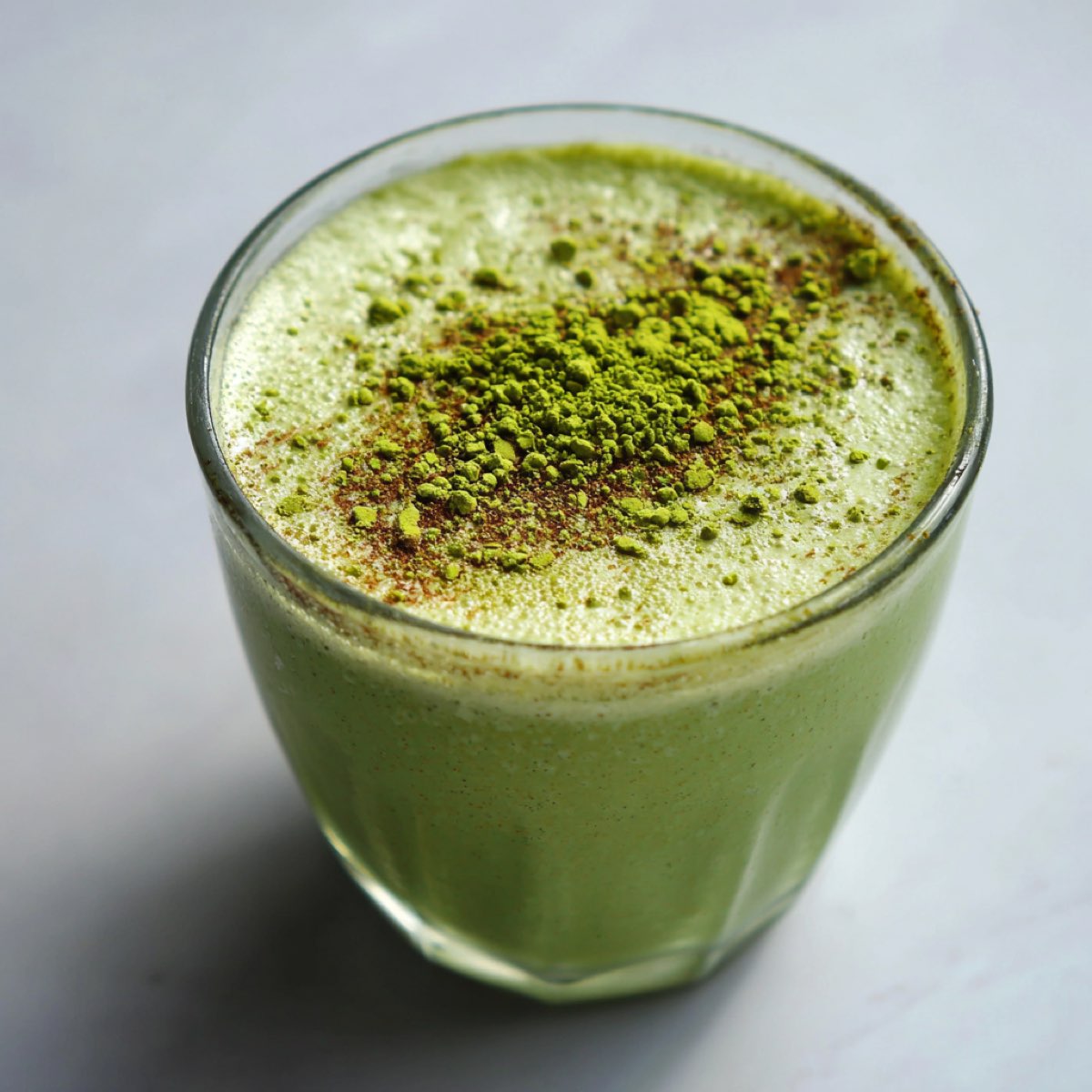
Matcha Mitochondria Smoothie
Mitochondrial energising smoothie rich in polyphenols, magnesium, and antioxidants
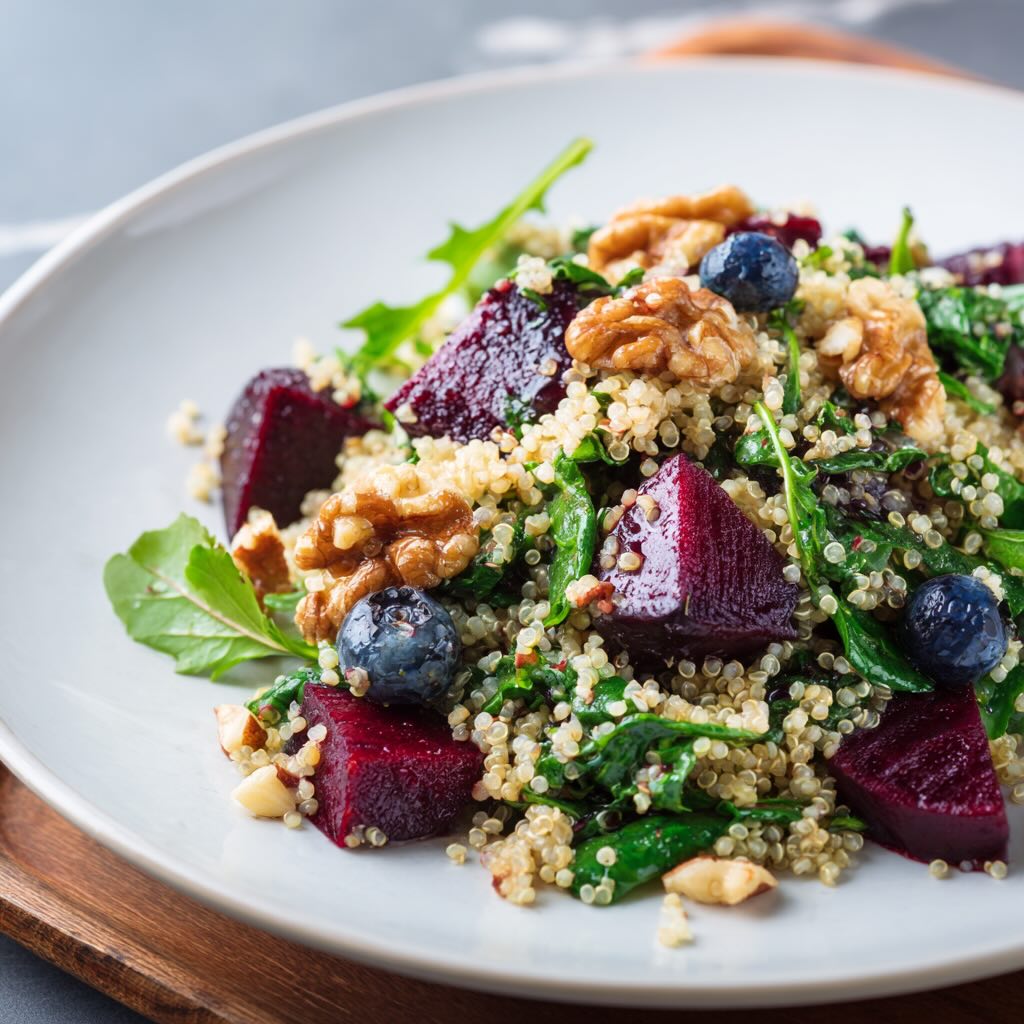
Mitochondrial Power Bowl
A nitrate-rich, polyphenol-dense bowl combining leafy greens, beets, berries, nuts, and early harvest olive oil
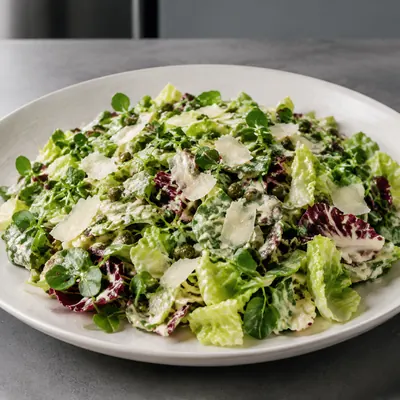
Mixed-Leaf Tahini Caesar Salad
A Caesar-style mixed-leaf salad with a tahini, anchovy, caper and Parmesan dressing, using extra virgin olive oil retained from oil-packed capers.
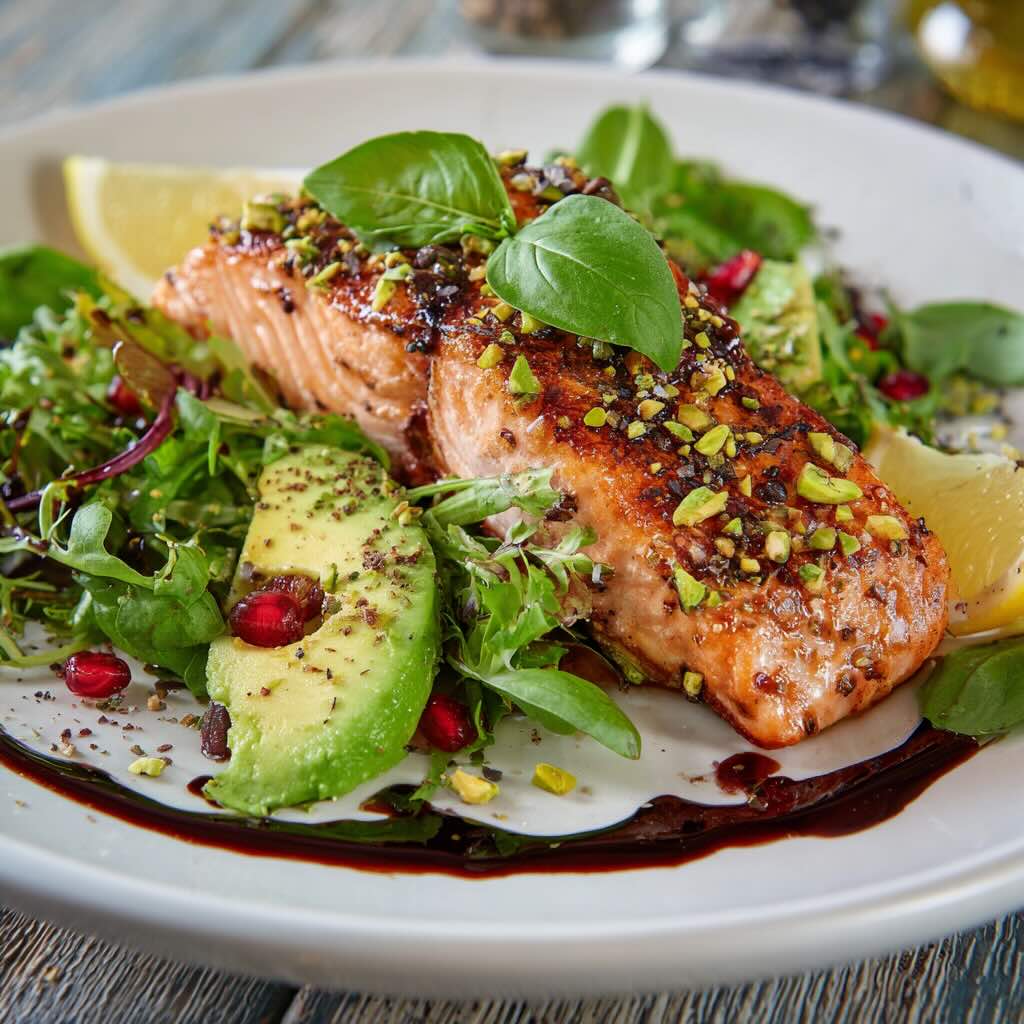
Salmon Bowl-pistachio-cacao-nibs
A Mediterranean-style bowl combining salmon, avocado, pistachios, cacao nibs, and early harvest olive oil — rich in omega-3 fats, polyphenols, and fibre.
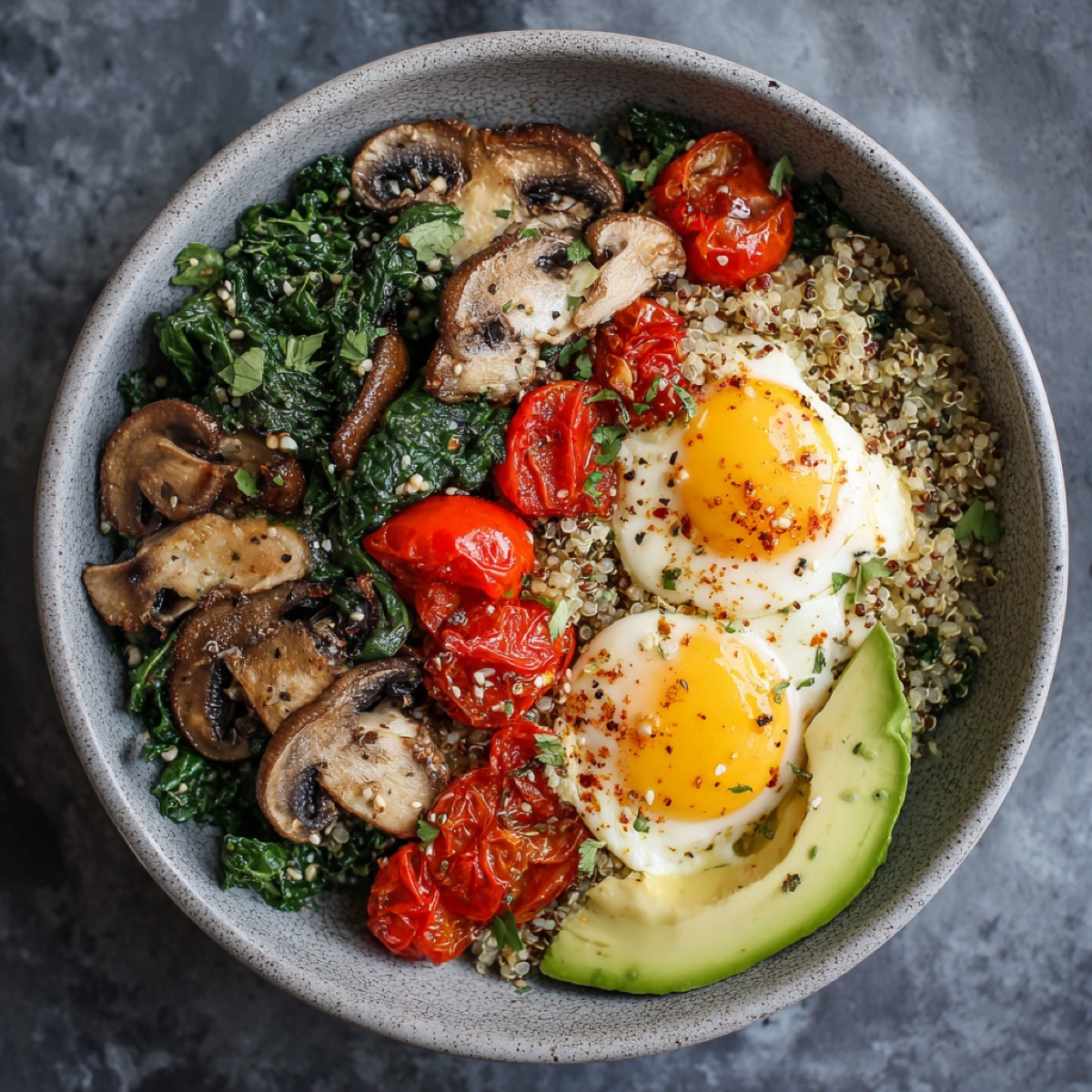
Savoury Greens & Egg Breakfast Skillet
A warm savoury breakfast skillet with eggs, greens, and slow carbohydrates for steady morning energy.
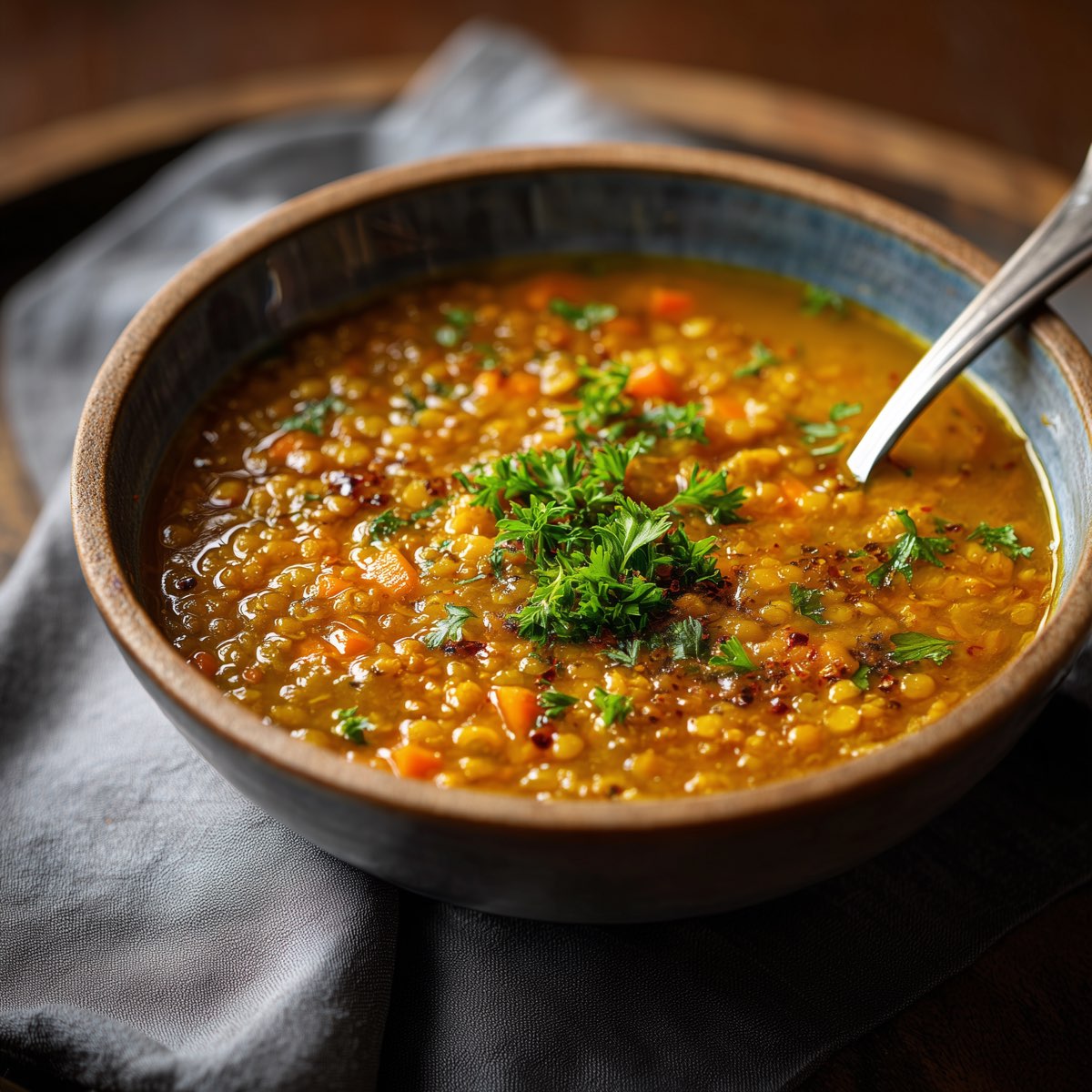
Turmeric Lentil Dahl
Turmeric- and ginger-spiced lentil dish rich in fibre, folate, and polyphenols
Nutrient Tables (per 100 g)
Selected food and preparation: Spinach, raw. per 100 g edible portion.
Core nutrients
| Nutrient | Amount per 100 g | % reference intake per 100 g |
|---|---|---|
| Energy | 23 kcal | — |
| Protein | 2.9 g | — |
| Total fat | 0.4 g | — |
| Saturated fat | 0.1 g | — |
| Carbohydrates | 3.6 g | — |
| Sugars | 0.4 g | — |
| Fibre | 2.2 g | — |
Key vitamins and minerals
Vitamins and minerals supplying at least 10% of an adult reference intake per 100 g, derived from the composition panel.
| Nutrient | Amount per 100 g | % reference intake per 100 g |
|---|---|---|
| Iron | 2.7 mg | 15.1% |
| Magnesium | 79 mg | 18.8% |
| Manganese | 0.9 mg | 39% |
| Potassium | 558 mg | 16.4% |
| Copper | 0.1 mg | 14.4% |
| Folate | 194 µg | 48.5% |
| Vitamin B6 | 0.2 mg | 15% |
| Vitamin B2 | 0.2 mg | 14.5% |
| Vitamin C | 28.1 mg | 31.2% |
| Vitamin A | 469 µg | 52.1% |
| Vitamin E | 2 mg | 13.5% |
| Vitamin K | 482.9 µg | 402.4% |
Bioactive compounds
Content applies to the food and preparation identified in the source notes.
| Compound / class | Amount per 100 g | Notes |
|---|---|---|
| Beta-Carotene | 5626 µg | — |
| 5-Methyltetrahydrofolate | 72.2 µg | — |
| 5-Methyltetrahydrofolate | 288 µg | — |
| Kaempferol | Present — quantity not established | — |
| Betaine | 110–130 mg/100 g in frozen spinach | Presence evidence is for frozen spinach; no raw-spinach amount is established. |
- 5-Methyltetrahydrofolate: Supporting evidence and original measurement details are available in technical provenance below.
- 5-Methyltetrahydrofolate: Supporting evidence and original measurement details are available in technical provenance below. [Reference]
- Kaempferol: Dabeek and Marra 2019 supports this qualitative constituent record. See technical provenance for food form and measurement details.
- Betaine: Patterson et al. (2008) report betaine in frozen spinach. This does not supply a quantity for this page’s raw preparation.
Technical provenance
5-Methyltetrahydrofolate: Table 1 reports this form-specific concentration. Preparation is not resolved from the accessible table; do not equate this sample with the 2010 raw material.
5-Methyltetrahydrofolate: Calculated from the reported Table 5 molar sum, not directly reported mass concentration. Includes polyglutamate species as monoglutamate equivalents, not their intact molecular masses. Glu8 response was estimated by calibration extrapolation; this sample includes that estimated component. Analytical steaming was extraction treatment, not a cooked-food state. One study sample does not establish universal food composition; do not add this vitamer value to total folate as an independent nutrient supply. [Reference]
Kaempferol: Dabeek and Marra 2019 compile Phenol-Explorer and USDA flavonoid values showing kaempferol in Spinach; a single defensible per-100 g value is not taken from the abbreviated USDA nutrient panel.
Betaine: Patterson et al. (2008) report 110–130 mg betaine per 100 g in frozen spinach (NDB 11464, 11463 and 98013). Release 2 corrected earlier spinach estimates that were too high. This page’s raw spinach panel does not report betaine.
Substances
21 substances in this food
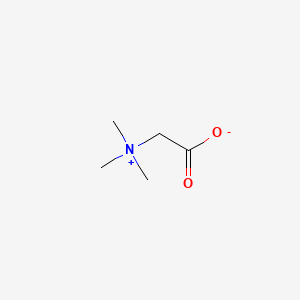
Betaine
Present in spinach. The corrected assay is frozen spinach, 110–130 mg per 100 g, not this raw panel.
Calcium
USDA FoodData Central reports calcium in Spinach, raw.
Copper
USDA FoodData Central reports copper in Spinach, raw.
Iron
USDA FoodData Central reports iron in Spinach, raw.
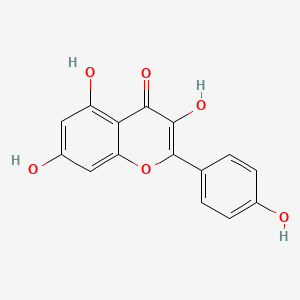
Kaempferol
Dietary flavonol in leafy greens, herbs, tea and some fruits; studied as a food constituent and as an isolated hormetic/senolytic agent.
Lutein
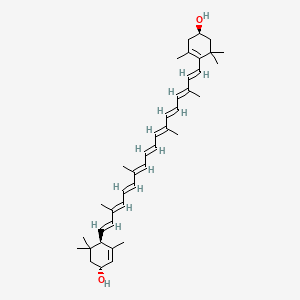
Sommerburg et al. (1998) identified lutein in studied spinach leaves (zeaxanthin reported as traces). A separate amount for this page’s preparation is not established.
Magnesium
USDA FoodData Central reports magnesium in Spinach, raw.
Manganese
USDA FoodData Central reports manganese in Spinach, raw.
Phosphorus (Phosphate)
USDA FoodData Central reports phosphorus in Spinach, raw.
Potassium
USDA FoodData Central reports potassium in Spinach, raw.
Vitamin A (Retinoids; β-Carotene precursor)
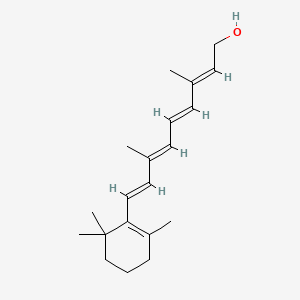
USDA FoodData Central reports vitamin A as retinol activity equivalents in Spinach, raw.
Vitamin B1 (Thiamine)
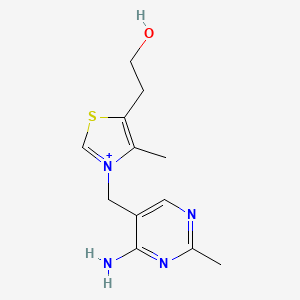
USDA FoodData Central reports vitamin B1 in Spinach, raw.
Vitamin B2 (Riboflavin)
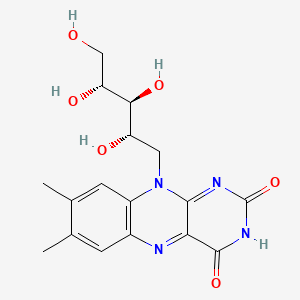
USDA FoodData Central reports vitamin B2 in Spinach, raw.
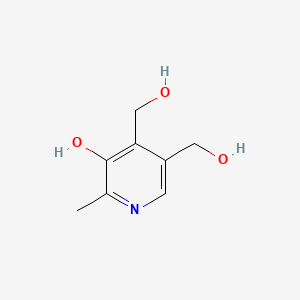
Vitamin B6 (Pyridoxine → PLP)
USDA FoodData Central reports vitamin B6 in Spinach, raw.
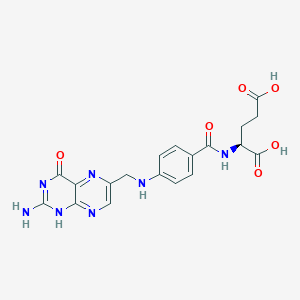
Vitamin B9 (Folate)
USDA FoodData Central reports folate in Spinach, raw. The recorded analyte is folate.
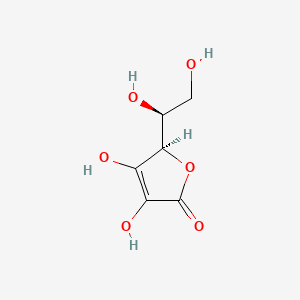
Vitamin C (Ascorbate)
USDA FoodData Central reports vitamin C in Spinach, raw.
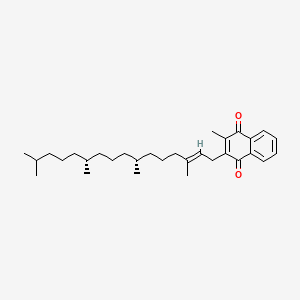
Vitamin K (Phylloquinone)
USDA FoodData Central reports vitamin K in Spinach, raw. This vitamin K record is not a vitamin K2 measurement.
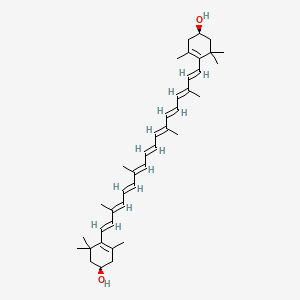
Zeaxanthin
Sommerburg et al. (1998) identified zeaxanthin in studied spinach leaves (zeaxanthin reported as traces). A separate amount for this page’s preparation is not established.
Zinc
USDA FoodData Central reports zinc in Spinach, raw.
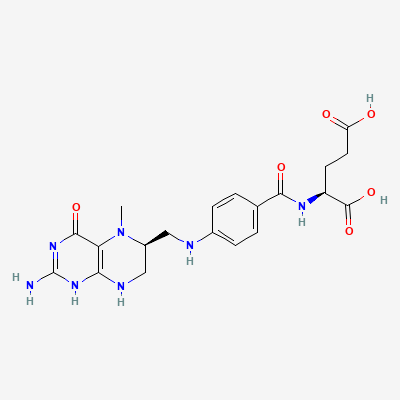
5-Methyltetrahydrofolate
A reduced form of vitamin B9 in foods, and the methyl donor for homocysteine remethylation.
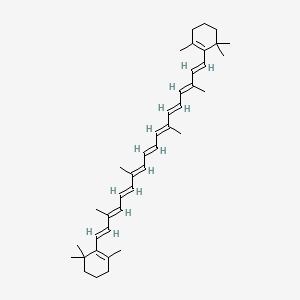
β-Carotene
USDA FoodData Central reports beta-carotene in Spinach, raw.
References
[1] Boiling markedly reduced soluble oxalate content by 30–87% and was more effective than steaming (5–53%); oxalate lost in cooking was recovered in the cooking water (approximately 100%). Chai & Liebman 2005. Effect of Different Cooking Methods on Vegetable Oxalate Content
[2] Oxalate can influence mitochondrial and redox biology in experimental cell models; this is mechanistic context rather than spinach-feeding evidence. Chaiyarit & Thongboonkerd 2020. Mitochondrial Dysfunction and Kidney Stone Disease
[3] Hallberg et al. (1989). Iron absorption in man: ascorbic acid and dose-dependent inhibition by phytate. Human mixed-meal iron-absorption series: phytate inhibits non-haem iron absorption; ascorbic acid can counteract that inhibition. Mixed-meal evidence, not a trial of this food.
[4] Sommerburg et al. (1998). Fruits and vegetables that are sources for lutein and zeaxanthin: the macular pigment in human eyes. Spinach lutein was 47 mol% of carotenoids, and zeaxanthin in the green vegetables they grouped with spinach was only a trace.