Cashews
Overview
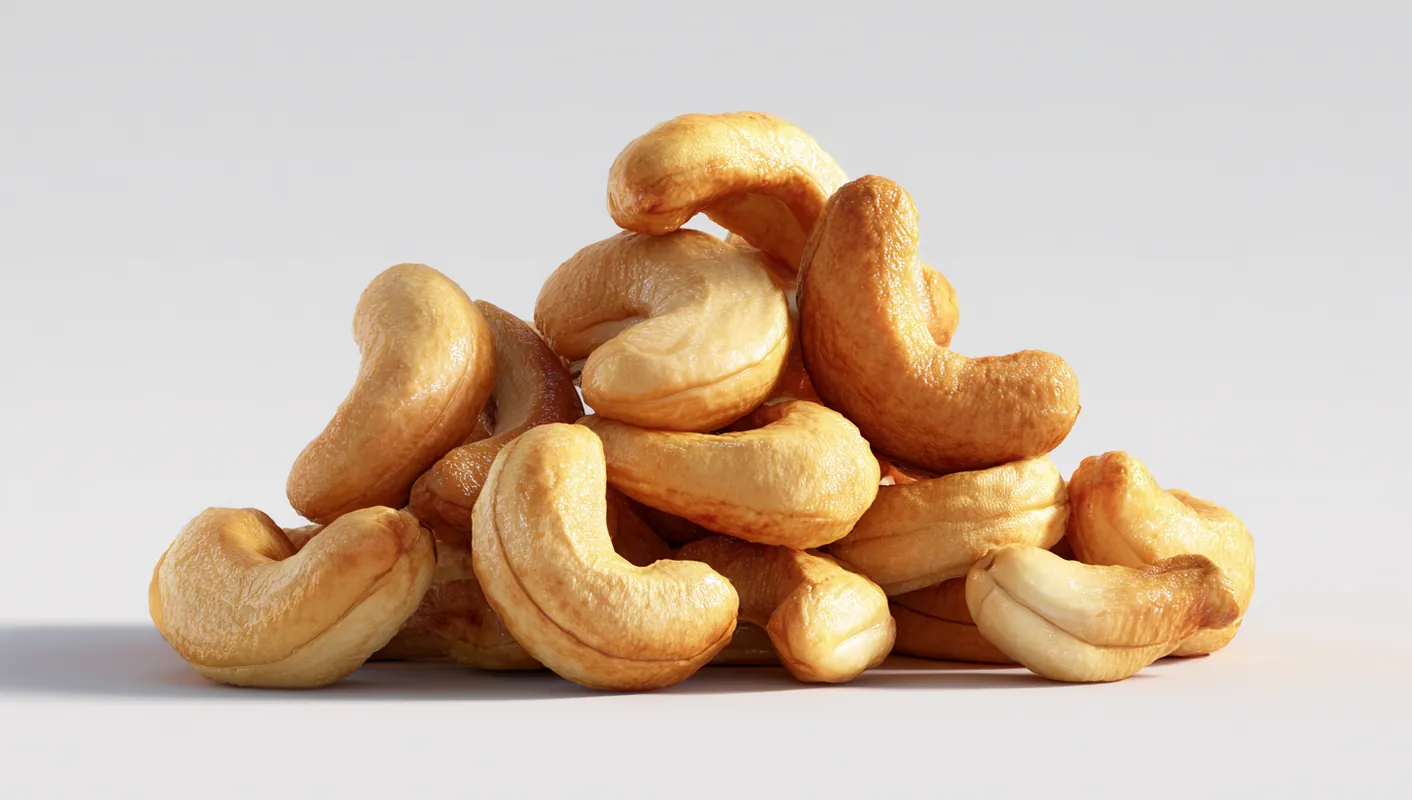
Cashews provide plant protein, magnesium, zinc, and unsaturated fats in a tree-nut matrix. Soaking and sprouting can reduce phytates, improving mineral bioavailability from nuts and seeds.
Within the BRAIN Diet framework, cashews are a lysine-limited plant protein source paired with legumes or grains for amino-acid complementarity.
Key Nutritional Highlights
- Magnesium and zinc in a tree-nut matrix; typical portions are 30–40 g, not 100 g.
- Lysine-limited plant protein; pair with legumes for amino-acid balance.
- Soaking/sprouting reduces phytates and can improve mineral bioavailability.
- Unsaturated fat source; energy-dense — portion control matters.
Food Context
Synergies
- Soak to reduce phytates and improve zinc bioavailability; soaking and sprouting reduces phytates in legumes/grains, improving non-heme iron and zinc bioavailability
- Part of diverse nut/seed intake; dietary diversity (≥30 plant foods per week) supports microbial richness and resilience
- Pair with animal proteins or vitamin C for better zinc absorption
Preparation
- Supports zinc sufficiency; zinc is critical for neurotransmitter modulation, synaptic plasticity, and antioxidant enzyme function
Essential Amino Acid Profile
Cashews provide plant protein but are not a complete protein; lysine is typically limiting for nuts and seeds.
Protein pairing strategy:
Pair with legumes or grains to complete essential amino acid coverage.
Recipes
Nutrient Tables (per 100 g)
Selected food and preparation: Nuts, cashew nuts, raw. per 100 g edible portion.
Core nutrients
| Nutrient | Amount per 100 g | % reference intake per 100 g |
|---|---|---|
| Energy | 553 kcal | — |
| Protein | 18.2 g | — |
| Total fat | 43.9 g | — |
| Saturated fat | 7.8 g | — |
| Carbohydrates | 30.2 g | — |
| Sugars | 5.9 g | — |
| Fibre | 3.3 g | — |
Key vitamins and minerals
Vitamins and minerals supplying at least 10% of an adult reference intake per 100 g, derived from the composition panel.
| Nutrient | Amount per 100 g | % reference intake per 100 g |
|---|---|---|
| Iron | 6.7 mg | 37.1% |
| Zinc | 5.8 mg | 52.5% |
| Magnesium | 292 mg | 69.5% |
| Phosphorus | 593 mg | 84.7% |
| Manganese | 1.7 mg | 72% |
| Selenium | 19.9 µg | 36.2% |
| Potassium | 660 mg | 19.4% |
| Copper | 2.2 mg | 243.9% |
| Vitamin B6 | 0.4 mg | 32.1% |
| Vitamin B1 | 0.4 mg | 35.3% |
| Vitamin B5 | 0.9 mg | 17.3% |
| Vitamin K | 34.1 µg | 28.4% |
Bioactive compounds
Content applies to the food and preparation identified in the source notes.
| Compound / class | Amount per 100 g | Notes |
|---|---|---|
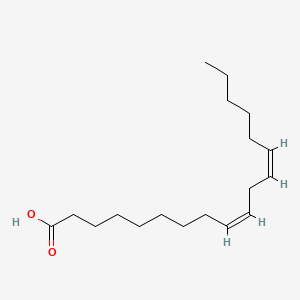
| Linoleic Acid | 7.8 g | — |
Substances
7 substances in this food
Copper
USDA FoodData Central reports copper in Nuts, cashew nuts, raw.
Iron
USDA FoodData Central reports iron in Nuts, cashew nuts, raw.
Linoleic Acid (LA, n-6)
USDA FoodData Central reports linoleic acid in Nuts, cashew nuts, raw.
Magnesium
USDA FoodData Central reports magnesium in Nuts, cashew nuts, raw.
Manganese
USDA FoodData Central reports manganese in Nuts, cashew nuts, raw.
Phosphorus (Phosphate)
USDA FoodData Central reports phosphorus in Nuts, cashew nuts, raw.
Zinc
USDA FoodData Central reports zinc in Nuts, cashew nuts, raw.