Herbs

Overview
Herbs provide polyphenols, volatile compounds, and other bioactives that support cognitive function, antioxidant defenses, and gut health. Herbs provide polyphenols for antioxidant networks, volatile compounds for cognitive support, antimicrobial properties (some herbs), and are part of diverse plant food strategy.
Food Context
Synergies
- Part of diverse plant food strategy
Preparation
- Polyphenols for antioxidant networks
- Volatile compounds for cognitive support
- Antimicrobial properties (some herbs)
Recipes
Nutrient Tables (per 100 g)
Core nutrients
| Nutrient | Amount per 100 g | % RDA per 100 g |
|---|---|---|
| Energy | 1 kcal | — |
| Protein | 0 g | — |
| Total fat | 0 g | — |
| Saturated fat | 0 g | — |
| Carbohydrates | 0.2 g | — |
| Fibre | 0 g | — |
Key micronutrients
| Nutrient | Amount per 100 g | % RDA per 100 g |
|---|---|---|
| Iron | 0.1 mg | 0.4% |
| Zinc | 0 mg | 0.4% |
| Magnesium | 1 mg | 0.2% |
| Selenium | 0 µg | 0% |
| Calcium | 2 mg | 0.2% |
| Potassium | 9 mg | 0.3% |
| Choline | 0 mg | 0% |
| Folate | 1 µg | 0.3% |
| Vitamin B12 | 0 µg | 0% |
| Vitamin B6 | 0 mg | 0% |
Substances
Substances in this food: editorial (Overview / literature) plus analytical (nutrition table).
6 substances in this food

Iron
Oxygen transport; dopamine synthesis (tyrosine hydroxylase cofactor)

Zinc
Cofactor in neurotransmission and antioxidant enzymes; dopamine modulation

Magnesium
Enzymatic cofactor (>300 reactions); neurotransmitters; mitochondria; redox balance

Calcium
Bone health; neurotransmission; interacts with vitamin D and K2

Potassium
Electrolyte for nerve transmission, muscle function, and blood pressure regulation
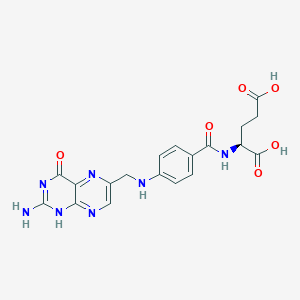
Vitamin B9 (Folate; 5-MTHF)
One-carbon metabolism; methylation; homocysteine recycling
References
- Herbs provide polyphenols, volatile compounds, and other bioactives that support cognitive function, antioxidant defenses, and gut health