Vitamin D
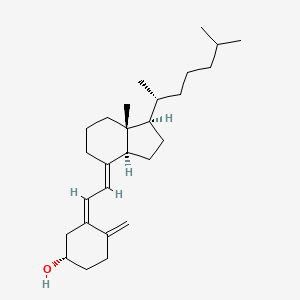
Overview
Vitamin D is a fat-soluble vitamin that functions as a hormone in the body, playing crucial roles in brain development and cognitive function. It regulates neurotrophic factors that are vital for the survival and growth of neurons, and modulates immune responses to reduce inflammation in the brain. Vitamin D is essential for calcium homeostasis and works with other nutrients including magnesium, taurine, and phospholipids to support calcium modulation, insulin sensitivity, and mitochondrial function. Vitamin D deficiency is highly prevalent, particularly in those consuming vegetarian and vegan diets with low intake of animal-based sources, and it can disrupt gut barrier integrity by affecting tight junction function.
Recipes
2 recipes containing this substance

Linguine alle vongole mantecate (Linguine with cockles in a silky emulsified sauce)
Whole-wheat linguine with cockles in a silky emulsified sauce; Italian emulsification technique without cream, supporting taurine, B12, and choline intake.

Turmeric Milk
A warming drink combining turmeric (curcumin) with milk/fat for enhanced curcumin absorption
Foods
6 foods containing this substance

Egg Yolks
Nutrient-dense part of eggs with choline, lutein, and fat-soluble vitamins

Fortified Plant Milks
Plant-based milks fortified with B12, D, and sometimes iodine

Herring
Oily fish rich in EPA/DHA omega-3s

Mackerel
Oily fish rich in EPA/DHA, CoQ10, taurine, and vitamin D

Milk
Complete protein, nicotinamide riboside, and calcium

White/Button Mushroom
Agaricus bisporus — canonical entry for white/button, cremini, chestnut (UK), and portobello; niacin and UV-exposed vitamin D
Biological Mechanisms and Implications
| Biological Target | Therapeutic Areas | Mechanism of Action |
|---|
References
- Vitamin D is crucial for brain development and cognitive function; it regulates neurotrophic factors vital for survival and growth of neurons and modulates immune responses to reduce inflammation in the brain
- Vitamin D deficiency is highly prevalent, particularly important for those consuming vegetarian and vegan diets, where there is a low intake of animal-based vitamin D
- Epithelial layer (tight junctions) disrupted by nutrient deficiencies including vitamin D, increasing permeability ("leaky gut")
- Supplementation with vitamin D has shown to significantly reduce behavioral problems and be effective Hemamy et al. 2020
- Vitamin D, along with magnesium, taurine, phospholipids, and flavonoids, supports calcium modulation, insulin sensitivity, sympathetic arousal, and mitochondrial excitability
- UV-exposed mushrooms can provide vitamin D2; one study looked at modeling in dietary guidelines with a view to expediting the global acceptance of UV-exposed mushrooms as a source of vitamin D Starck et al. 2024
- Vegan diets can lack vitamin B12, vitamin D, DHA, and certain minerals, all of which are critical for brain health Katonova et al. 2022