Bell Peppers
Overview
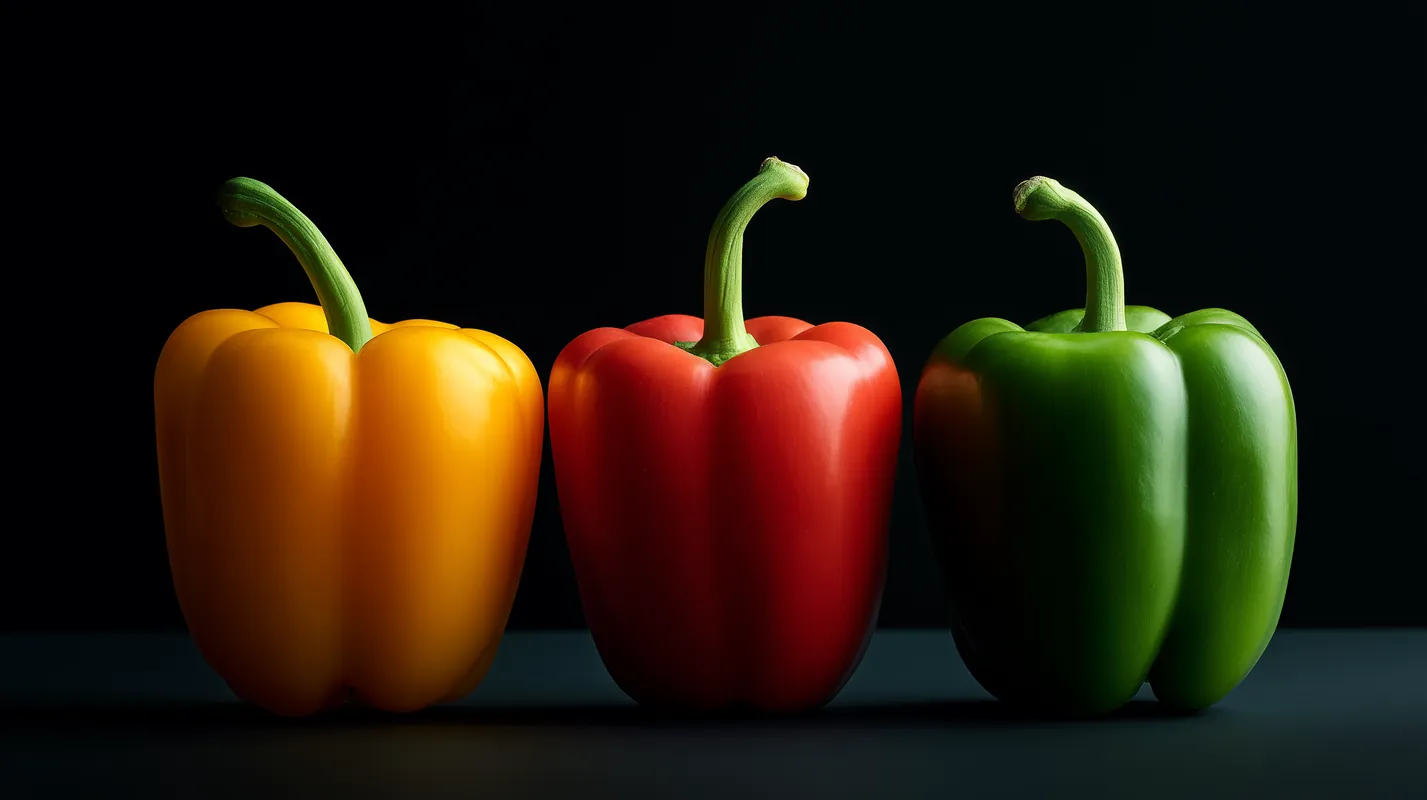
Bell peppers provide vitamin C, carotenoids and low energy density. Colour (red, yellow, orange) tracks the carotenoid mix. A little dietary fat with the meal can improve carotenoid absorption in mixed salads [1].
Within a BRAIN-aligned pattern they are a vitamin C–rich vegetable for mixed meals, contributing carotenoid diversity and supporting non-heme iron absorption.
Food Context
Synergies
- Pair with iron-rich plant meals to enhance absorption
- Include a little dietary fat with carotenoid-rich peppers; this is mixed-salad evidence, not a bell-pepper-specific trial [1].
Preparation
- Can be consumed raw or cooked.
Recipes
1 recipe containing this food
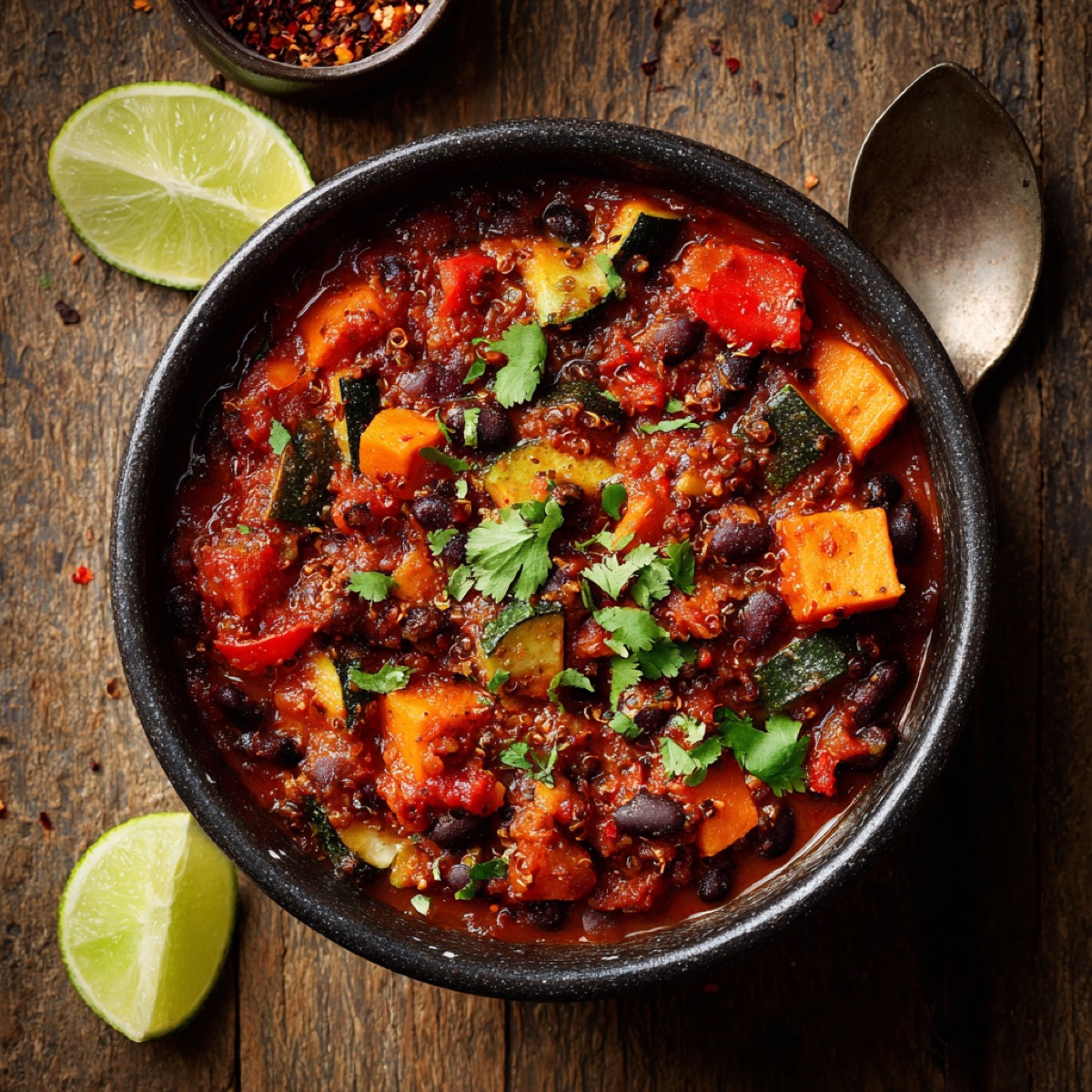
Black Bean & Sweet Potato Vegetable Chilli
A fibre-rich bean and vegetable chilli with warming spices and slow carbohydrates for steady energy and satiety.
Nutrient Tables (per 100 g)
Selected food and preparation: Peppers, sweet, red, raw. per 100 g edible portion.
Core nutrients
| Nutrient | Amount per 100 g | % reference intake per 100 g |
|---|---|---|
| Energy | 26 kcal | — |
| Protein | 1 g | — |
| Total fat | 0.3 g | — |
| Saturated fat | 0.1 g | — |
| Carbohydrates | 6 g | — |
| Sugars | 4.2 g | — |
| Fibre | 2.1 g | — |
Key vitamins and minerals
Vitamins and minerals supplying at least 10% of an adult reference intake per 100 g, derived from the composition panel.
| Nutrient | Amount per 100 g | % reference intake per 100 g |
|---|---|---|
| Folate | 46 µg | 11.5% |
| Vitamin B6 | 0.3 mg | 22.4% |
| Vitamin C | 127.7 mg | 141.9% |
| Vitamin A | 157 µg | 17.4% |
| Vitamin E | 1.6 mg | 10.5% |
Bioactive compounds
Content applies to the food and preparation identified in the source notes.
| Compound / class | Amount per 100 g | Notes |
|---|---|---|
| Beta-Carotene | 1624 µg | — |
Substances
3 substances in this food
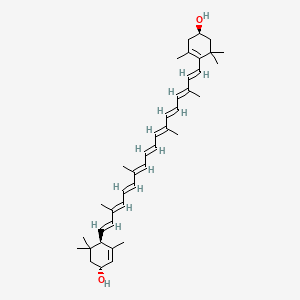
Lutein
Sommerburg et al. (1998) identified lutein in studied red pepper fruit. A separate amount for this page’s preparation is not established.
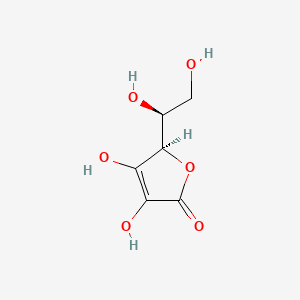
Vitamin C (Ascorbate)
USDA FoodData Central reports vitamin C in Peppers, sweet, red, raw.
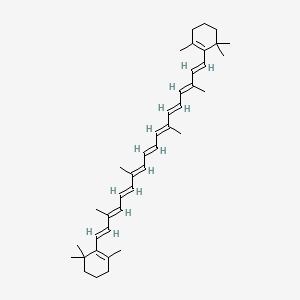
β-Carotene
USDA FoodData Central reports beta-carotene in Peppers, sweet, red, raw.
References
[1] Brown et al. (2004). Carotenoid bioavailability is higher from salads ingested with full-fat than with fat-reduced salad dressings as measured with electrochemical detection. Mixed-salad meal evidence for dietary fat increasing carotenoid bioavailability; not a bell-pepper-specific trial.