Sauerkraut

Overview
Sauerkraut is finely shredded raw cabbage preserved by lactic acid fermentation — the same broad pickling process used for traditional kimchi and lacto-fermented cucumbers. Airborne lactic acid bacteria on cabbage leaves acidify the shredded vegetable with salt, producing a distinctive sour flavour, extended shelf life, and a matrix of live microbes and fermentation metabolites when unpasteurized [1][2].
Within the BRAIN Diet framework, sauerkraut belongs to the fermented-vegetable pattern supporting gut–brain axis modulation: live lactic acid bacteria, organic acids, and postbiotic peptides that may influence vagal and enteric nervous system signalling alongside broader microbiome diversity.
Key Nutritional Highlights
- Low energy density (~25 kcal per 100 g) with dietary fibre, potassium, iron, and calcium from the cabbage base.
- Fermentation can increase bioavailability of some nutrients relative to raw cabbage; unpasteurized sauerkraut retains live Lactobacillus and related species [2].
- Typical fermentation involves Leuconostoc and Lactobacillus species — including L. brevis and L. plantarum — lowering pH and producing organic acids [2].
- Lacto-fermented vegetables increase microbiome diversity in fermented-food intervention trials when eaten as part of a broader fermented-food pattern [1].
- High sodium content in many commercial products; portion size and label reading matter for salt-sensitive individuals.
Food Context
Synergies
- Part of a diverse fermented-foods rotation alongside kimchi, kefir, miso, and other live-culture foods.
- Pairs with plant-diversity patterns (fibre, polyphenols) that support microbial ecological turnover on BRS5 pathways.
Sourcing
- Choose unpasteurized sauerkraut refrigerated in the deli or fermentation section for live cultures; canned or shelf-stable products are often heat-treated.
- Check labels for added vinegar only (quick-pickle) versus true fermentation (salt + time).
Preparation
- Serve cold or lightly warmed; prolonged high-heat cooking reduces live bacterial content.
- Regular moderate intake within tolerated fermented-food rotation; start small if fermentable foods are new to the diet.
Recipes
1 recipe containing this food
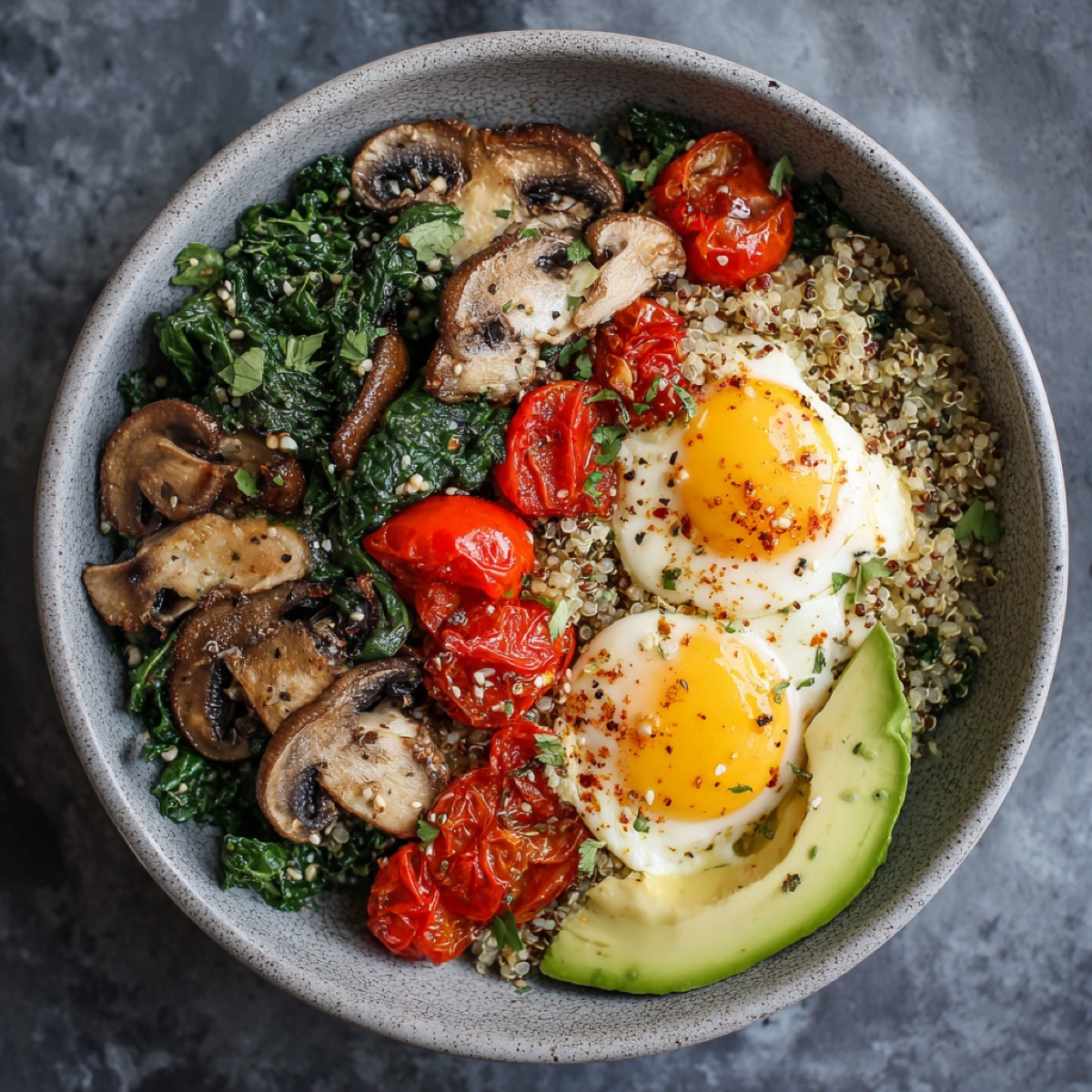
Savoury Greens & Egg Breakfast Skillet
A warm savoury breakfast skillet with eggs, greens, and slow carbohydrates for steady morning energy.
Nutrient Tables (per 100 g)
Selected food and preparation: Sauerkraut, canned, solids and liquids. per 100 g edible portion.
Core nutrients
| Nutrient | Amount per 100 g | % reference intake per 100 g |
|---|---|---|
| Energy | 19 kcal | — |
| Protein | 0.9 g | — |
| Total fat | 0.1 g | — |
| Saturated fat | 0 g | — |
| Carbohydrates | 4.3 g | — |
| Sugars | 1.8 g | — |
| Fibre | 2.9 g | — |
Key vitamins and minerals
Vitamins and minerals supplying at least 10% of an adult reference intake per 100 g, derived from the composition panel.
| Nutrient | Amount per 100 g | % reference intake per 100 g |
|---|---|---|
| Copper | 0.1 mg | 10.7% |
| Vitamin B6 | 0.1 mg | 10% |
| Vitamin C | 14.7 mg | 16.3% |
| Vitamin K | 13 µg | 10.8% |
Bioactive compounds
| Compound / class | Amount per 100 g | Notes |
|---|---|---|
| Vitamin K2 | Present [3] | fermented cabbage |
- Vitamin K2: Menaquinones have been reported in sauerkraut; content depends on fermentation. [3]
Technical provenance
Vitamin K2: Walther et al. (2013), Menaquinones, Bacteria, and the Food Supply. Review explicitly reports long-chain menaquinones in sauerkraut; amounts vary with fermentation. [3]
Substances
1 substance in this food
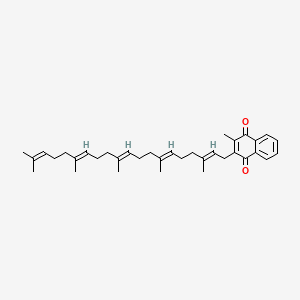
Vitamin K2 (MK forms)
Menaquinones have been reported in sauerkraut; content depends on fermentation.
References
[1] Lacto-fermented vegetables increase microbiome diversity in fermented-food intervention trials. Wastyk et al. 2021. Gut-microbiota-targeted diets modulate human immune status
[2] Sauerkraut fermentation produces live lactic acid bacteria and organic acids through sequential Leuconostoc and Lactobacillus dominance. Pärtty et al. 2015. A possible link between early probiotic intervention and the risk of neuropsychiatric disorders later in childhood: a randomized trial
[3] Walther et al. (2013), Menaquinones, Bacteria, and the Food Supply