Bananas
Overview
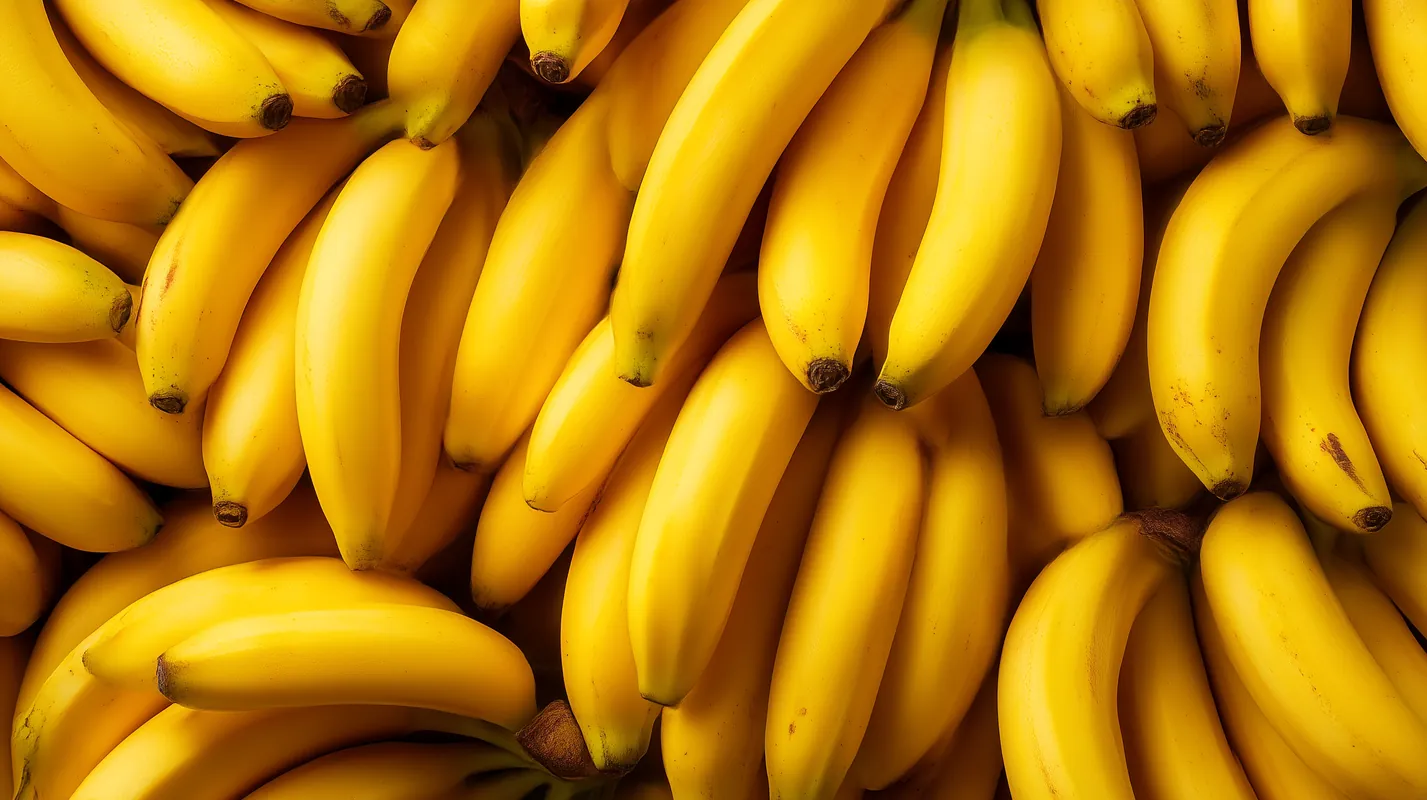
Bananas provide vitamin B6 and potassium, but ripeness is their most useful nutritional distinction. Greener bananas retain more fermentable resistant starch; resistant starch declines as the fruit ripens and sugars accumulate [2].
Bananas also have relatively high polyphenol oxidase (PPO) activity. In blended drinks, this can substantially reduce the availability of flavan-3-ols from ingredients such as cocoa or certain berries. Where preserving these compounds is the priority, choose a lower-PPO fruit instead [1].
Food Context
Ripeness
| Stage | Characteristic composition | Practical interpretation |
|---|---|---|
| Ripe | Less resistant starch and more free sugars | Softer and sweeter; suitable for eating directly or adding sweetness to meals |
| Green / unripe | More resistant starch and less free sugar | Firmer and less sweet; provides more fermentable resistant starch |
Synergies
- Use ripe fruit when sweetness and softness are wanted; use greener fruit when more resistant starch is wanted.
- For flavan-3-ol-rich drinks, prefer a lower-PPO base than banana [1].
Preparation
- Ripe: eat when yellow with brown speckling, or mash into meals for sweetness.
- Green / unripe: use while still firm and green when more resistant starch is wanted.
Polyphenol oxidase (PPO) and smoothie pairing
Bananas are relatively high in polyphenol oxidase (PPO). In a controlled crossover study, a flavan-3-ol-containing banana-based smoothie produced peak plasma flavan-3-ol metabolite concentrations about 84% lower than capsule control, whereas a low-PPO mixed-berry smoothie did not [1]. Co-ingesting flavan-3-ols with a high-PPO banana drink without prior blender contact still reduced plasma levels, suggesting post-ingestion PPO activity (for example in the stomach) can degrade polyphenols after swallowing [1].
Practical implication: when a smoothie is intended to deliver flavan-3-ols, use a low-PPO base rather than banana. The study did not establish the same effect for every polyphenol class or every way of eating banana [1].
Recipes
1 recipe containing this food
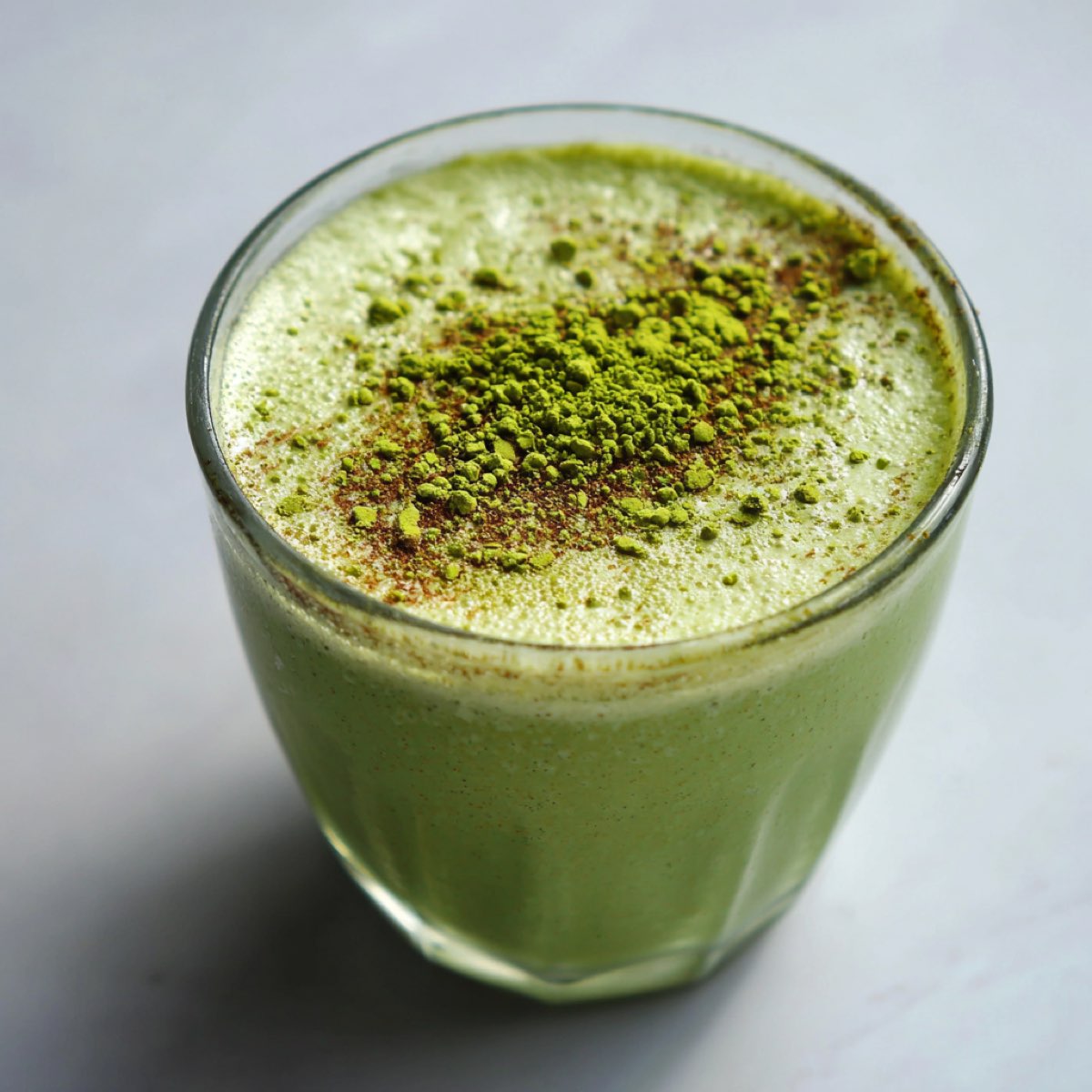
Matcha Mitochondria Smoothie
Mitochondrial energising smoothie rich in polyphenols, magnesium, and antioxidants
Nutrient Tables (per 100 g)
Selected food and preparation: Bananas, raw. per 100 g edible portion.
Core nutrients
| Nutrient | Amount per 100 g | % reference intake per 100 g |
|---|---|---|
| Energy | 89 kcal | — |
| Protein | 1.1 g | — |
| Total fat | 0.3 g | — |
| Saturated fat | 0.1 g | — |
| Carbohydrates | 22.8 g | — |
| Sugars | 12.2 g | — |
| Fibre | 2.6 g | — |
Key vitamins and minerals
Vitamins and minerals supplying at least 10% of an adult reference intake per 100 g, derived from the composition panel.
| Nutrient | Amount per 100 g | % reference intake per 100 g |
|---|---|---|
| Manganese | 0.3 mg | 11.7% |
| Potassium | 358 mg | 10.5% |
| Vitamin B6 | 0.4 mg | 28.2% |
Substances
2 substances in this food
Potassium
USDA FoodData Central reports potassium in Bananas, raw.
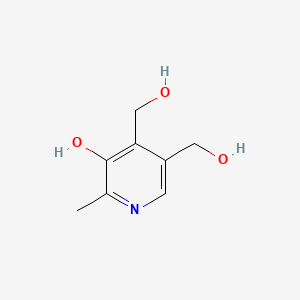
Vitamin B6 (Pyridoxine → PLP)
USDA FoodData Central reports vitamin B6 in Bananas, raw.
References
[1] Ottaviani et al. (2023). Impact of polyphenol oxidase on the bioavailability of flavan-3-ols in fruit smoothies: a controlled, single blinded, cross-over study. In a controlled crossover study, a banana-based high-PPO smoothie substantially reduced flavan-3-ol bioavailability relative to capsule control; the result is specific to the tested smoothie and flavan-3-ols.
[2] Gao et al. (2016). Analysis of resistant starch degradation in postharvest ripening of two banana cultivars: Focus on starch structure and amylases. Resistant starch, non-resistant starch and total starch declined during ripening in the Cavendish and plantain cultivars tested.