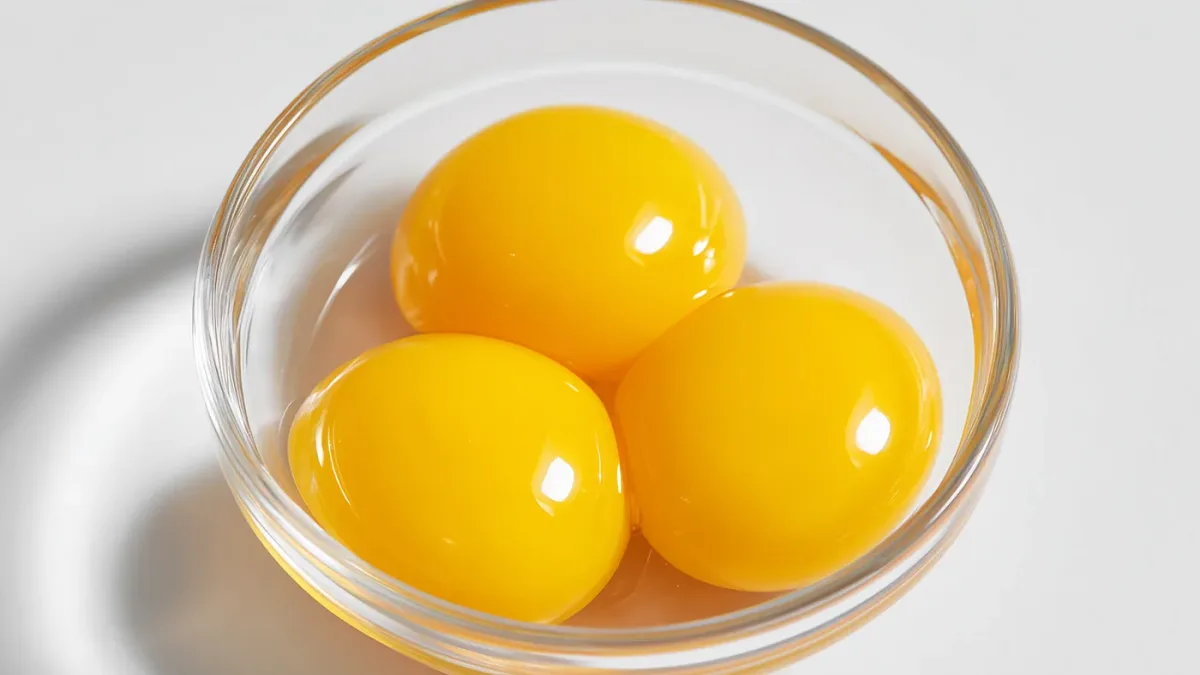
Egg Yolks
Overview
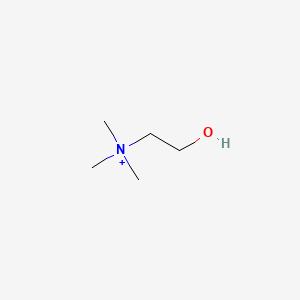
Egg yolks provide choline (acetylcholine precursor), lutein and zeaxanthin [3], and fat-soluble vitamins (A, D, E, K2), supporting neurotransmitter synthesis and brain health. The 1,094 µg per 100 g on this page is USDA lutein plus zeaxanthin, not a zeaxanthin amount.
Within the BRAIN Diet framework, acetylcholine and choline food sources include egg yolks, fish roe, soy, wheat germ, and liver.
Food Context
Synergies
- Pair with carotenoid-rich vegetables; yolk phospholipids help absorb the vegetables’ carotenoids [2].
Sourcing
- Choose pasture-raised for higher nutrient content
Preparation
- Yolk lutein and zeaxanthin are highly bioavailable xanthophylls. Boiling, frying, and microwaving change isomer profiles and reduce total yolk xanthophyll content by about 6–18% (all-E-lutein most affected in boiled yolk); cooked yolks show more Z-isomers [1].
- Gentle cooking preserves choline and limits excessive heat damage.
Essential Amino Acid Profile
This food provides a complete essential amino acid profile typical of animal proteins.
Recipes
1 recipe containing this food
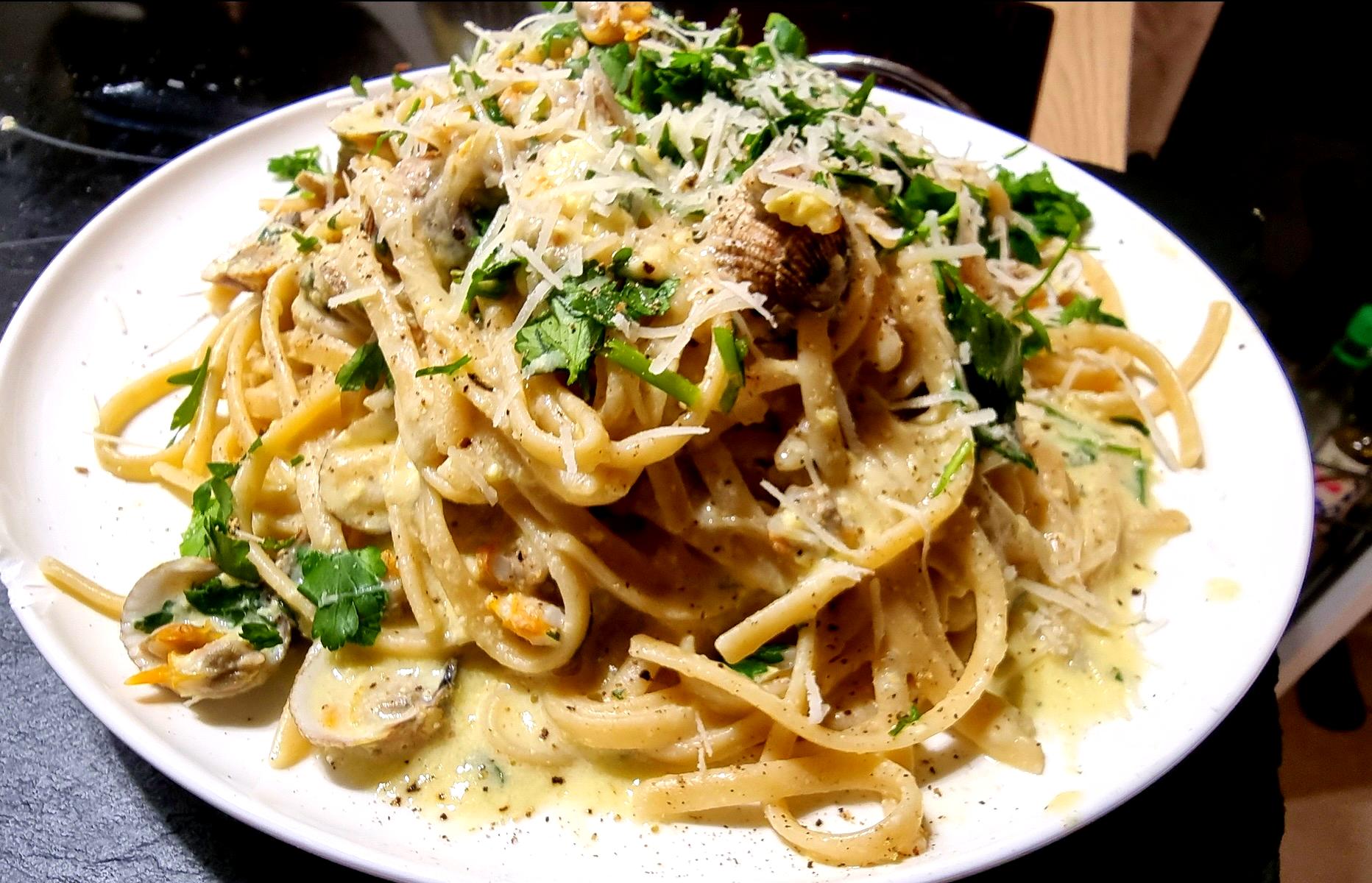
Linguine alle vongole mantecate (Linguine with cockles in a silky emulsified sauce)
Whole-wheat linguine with cockles in a silky emulsified sauce; Italian emulsification technique without cream, supporting taurine, B12, and choline intake.
Nutrient Tables (per 100 g)
Selected food and preparation: Egg, yolk, raw, fresh. per 100 g edible portion.
Core nutrients
| Nutrient | Amount per 100 g | % reference intake per 100 g |
|---|---|---|
| Energy | 322 kcal | — |
| Protein | 15.9 g | — |
| Total fat | 26.5 g | — |
| Saturated fat | 9.6 g | — |
| Carbohydrates | 3.6 g | — |
| Sugars | 0.6 g | — |
Key vitamins and minerals
Vitamins and minerals supplying at least 10% of an adult reference intake per 100 g, derived from the composition panel.
| Nutrient | Amount per 100 g | % reference intake per 100 g |
|---|---|---|
| Iron | 2.7 mg | 15.2% |
| Zinc | 2.3 mg | 20.9% |
| Phosphorus | 390 mg | 55.7% |
| Selenium | 56 µg | 101.8% |
| Calcium | 129 mg | 12.9% |
| Choline | 820.2 mg | 149.1% |
| Folate | 146 µg | 36.5% |
| Vitamin B12 | 2 µg | 81.3% |
| Vitamin B6 | 0.4 mg | 26.9% |
| Vitamin B2 | 0.5 mg | 40.6% |
| Vitamin B1 | 0.2 mg | 14.7% |
| Vitamin B5 | 3 mg | 59.8% |
| Vitamin A | 381 µg | 42.3% |
| Vitamin D | 5.4 µg | 36% |
| Vitamin E | 2.6 mg | 17.2% |
Bioactive compounds
| Compound / class | Amount per 100 g | Notes |
|---|---|---|
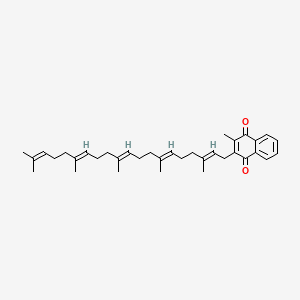
| Vitamin K2 | Present [4] | butter, egg yolk or fermented soybean food |
- Vitamin K2: Contains menaquinones (vitamin K2); the amount is product-dependent. [4]
Technical provenance
Vitamin K2: Schurgers and Vermeer (2000), Determination of phylloquinone and menaquinones in food. Primary abstract explicitly identifies K2 in butter, egg yolk, natto and cheese. No total vitamin K value used as K2. [4]
Substances
7 substances in this food
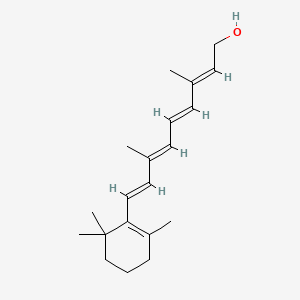
Vitamin A (Retinoids; β-Carotene precursor)
USDA FoodData Central reports vitamin A as retinol activity equivalents in Egg, yolk, raw, fresh.
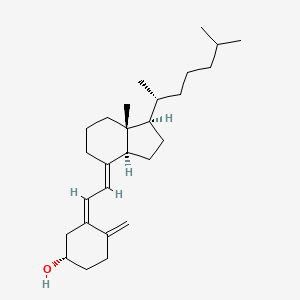
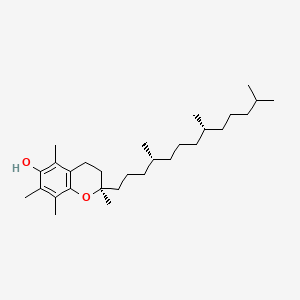
Vitamin E (Tocopherols/Tocotrienols)
USDA FoodData Central reports vitamin E in Egg, yolk, raw, fresh.
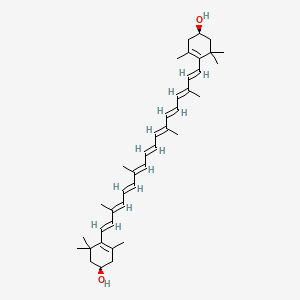
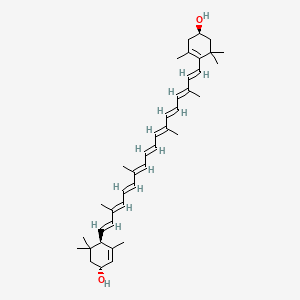
Zeaxanthin
Sommerburg et al. (1998) identified zeaxanthin in studied egg yolk. A separate amount for this page’s preparation is not established.
References
[1] Yolk lutein and zeaxanthin are highly bioavailable xanthophylls. Boiling, frying, and microwaving change isomer profiles and reduce total yolk xanthophyll content by about 6–18% (all-E-lutein most affected in boiled yolk); cooked yolks show more Z-isomers. Nimalaratne & Lopes-Lutz 2012. Domestic cooking methods and egg yolk xanthophylls
[2] Kim et al. (2015). Effects of egg consumption on carotenoid absorption from co-consumed, raw vegetables. Randomized crossover in 16 healthy young men: 150 g scrambled whole eggs (~3 eggs) with a raw mixed salad increased TRL carotenoid AUC versus no egg (lutein and zeaxanthin 4- to 5-fold; α-carotene, β-carotene and lycopene 3- to 8-fold). The authors discuss yolk phospholipids as well as total yolk lipid as promoters of micellarization; the trial used whole eggs and did not isolate phospholipids from triglycerides.
[3] Eisenhauer et al. (2017). Lutein and Zeaxanthin—Food Sources, Bioavailability and Dietary Variety in Age-Related Macular Degeneration Protection. Table 4 reports 762 µg trans-zeaxanthin and 787 µg trans-lutein per 100 g in the raw egg yolk measured by Perry et al. (2009).
[4] Schurgers and Vermeer (2000), Determination of phylloquinone and menaquinones in food