Olive Oil (Early Harvest)
Overview
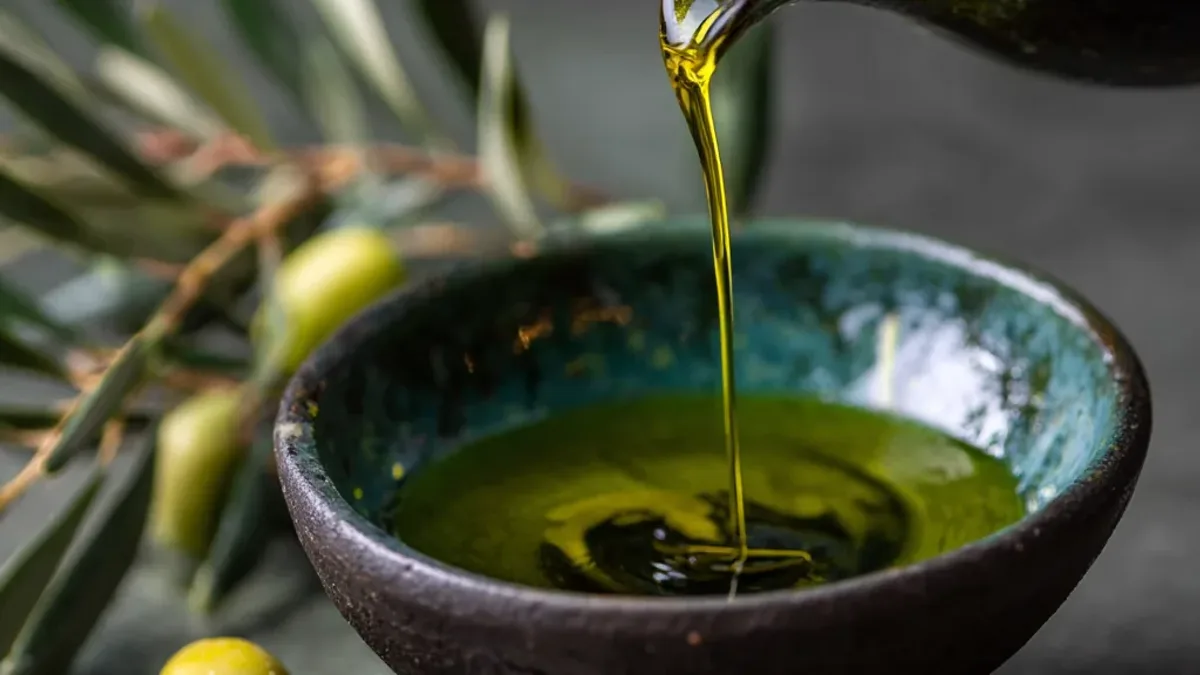
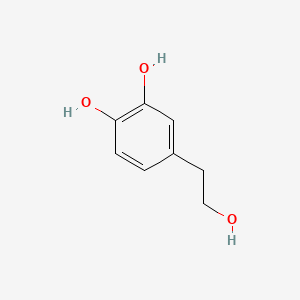
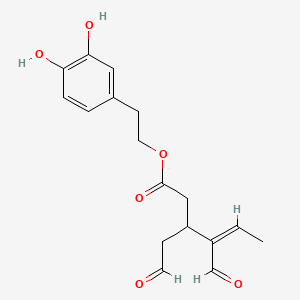
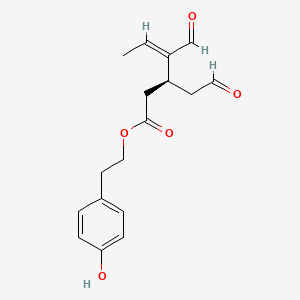
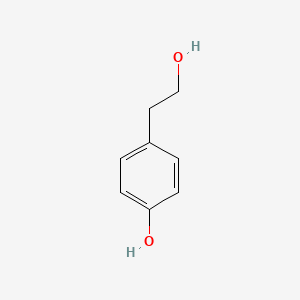
Early-harvest extra virgin olive oil is made from olives picked earlier in the season. It contains phenolics including oleocanthal, oleacein, hydroxytyrosol and tyrosol. Amounts vary with the olives, harvest, processing and storage. Oleuropein-related derivatives in oil should be distinguished from intact oleuropein.
Food Context
Preparation
- Use for dressings, drizzling and cooking.
- Store away from heat and light.
- Harvest timing alone does not guarantee a particular phenolic or CoQ10 concentration.
Recipes
6 recipes containing this food
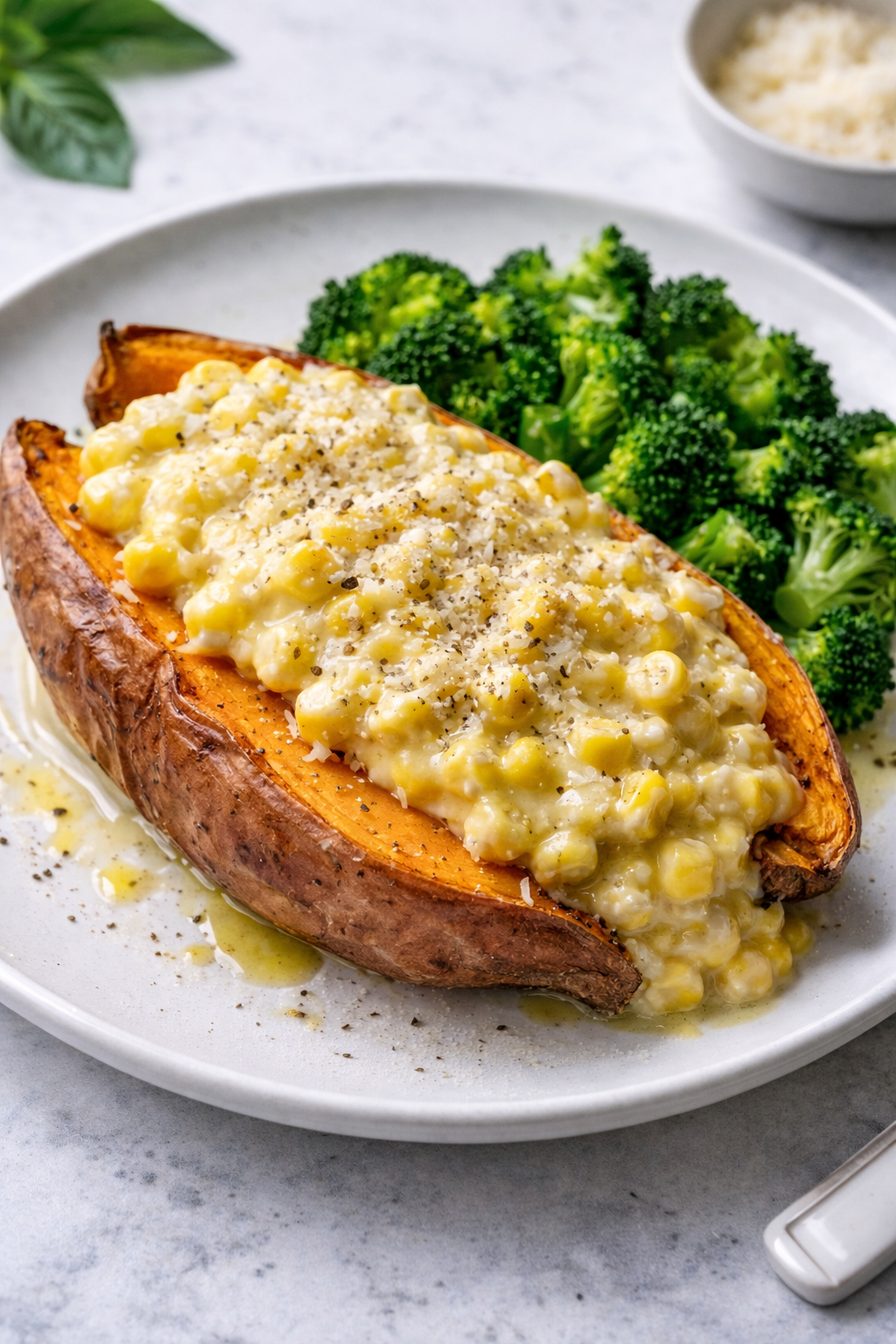
Creamed Corn on Roasted Sweet Potato
Roasted sweet potato with creamed corn and a mixed lipid phase to enhance carotenoid absorption; served with broccoli for fibre and glucosinolates.
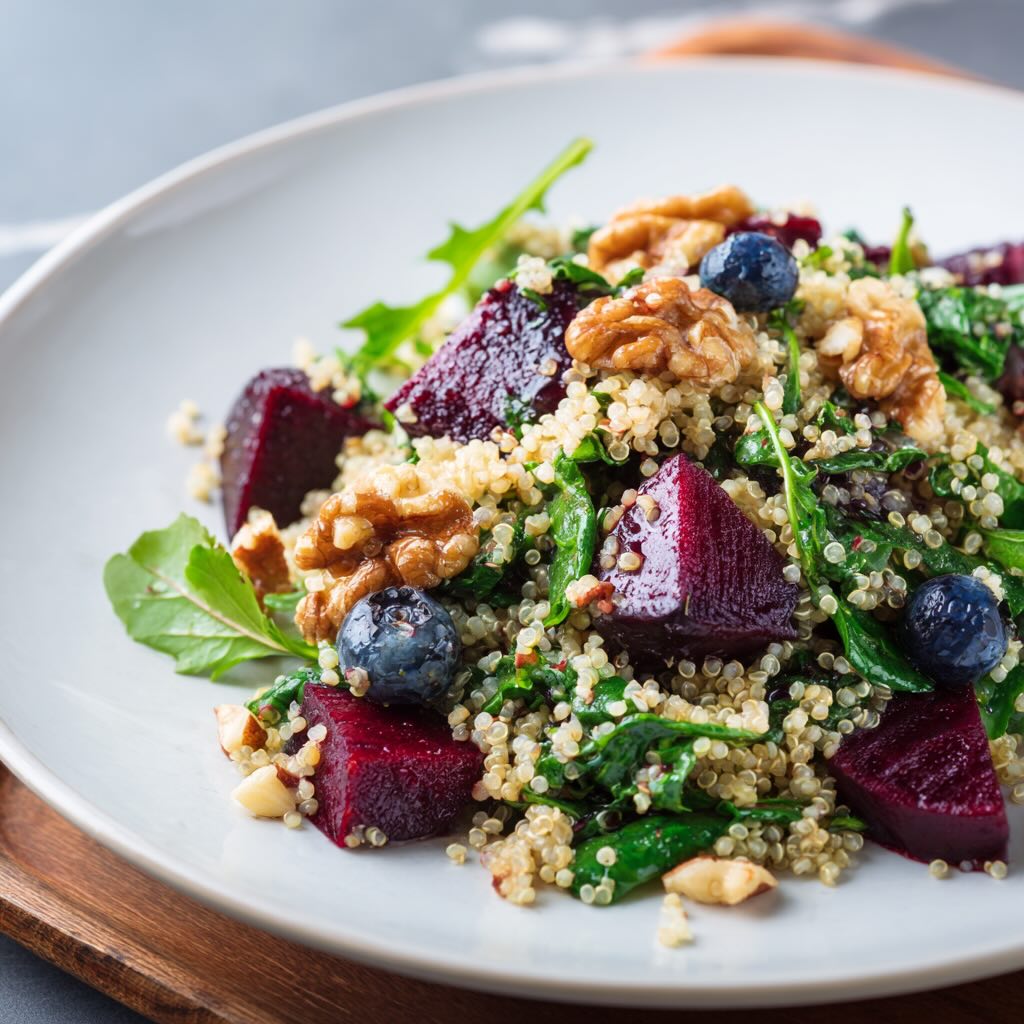
Mitochondrial Power Bowl
A nitrate-rich, polyphenol-dense bowl combining leafy greens, beets, berries, nuts, and early harvest olive oil
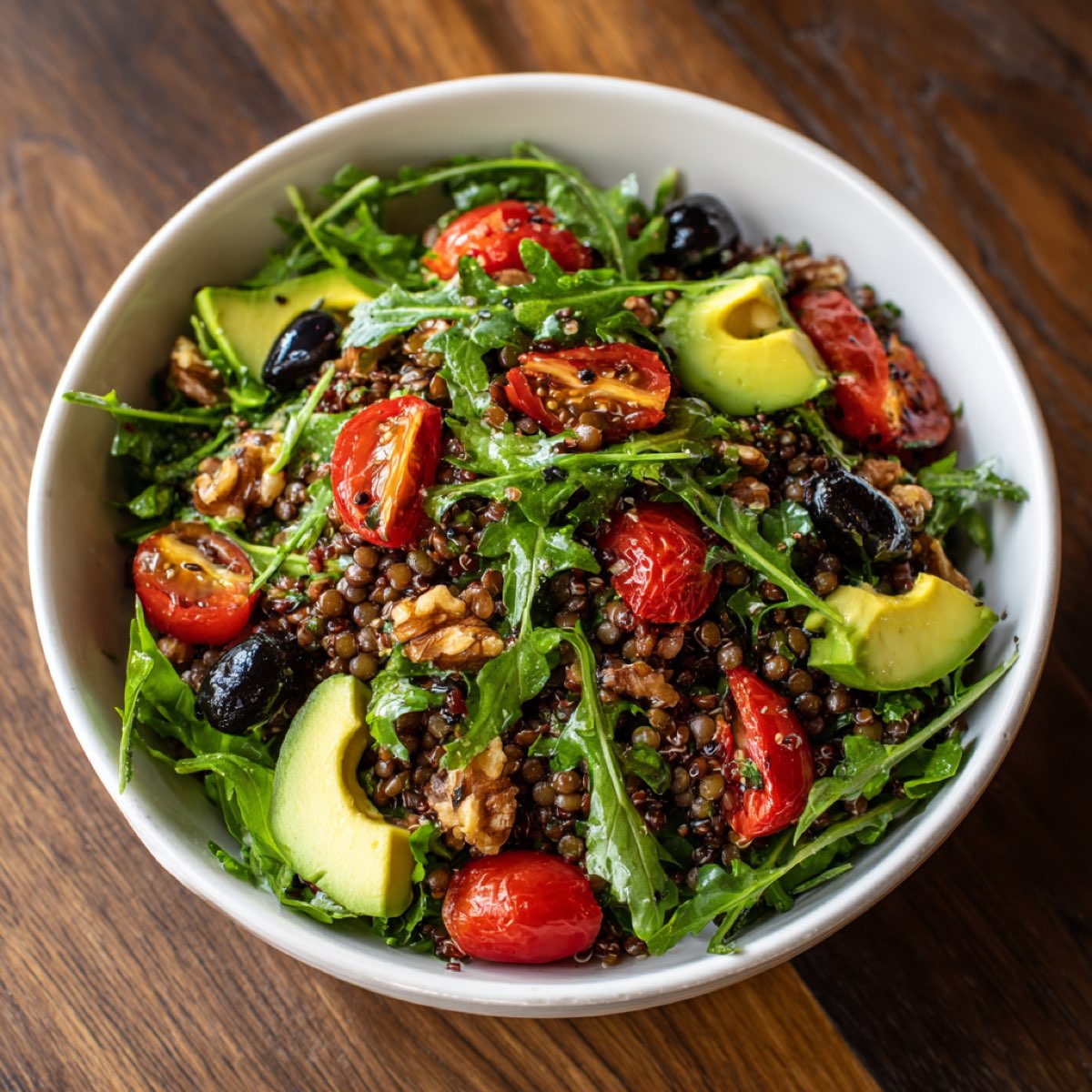
Rocket Lentil Avocado Midday Salad (Gut-Supporting)
Polyphenol-rich midday salad with quinoa or lentils, vegetables, avocado, and early harvest olive oil
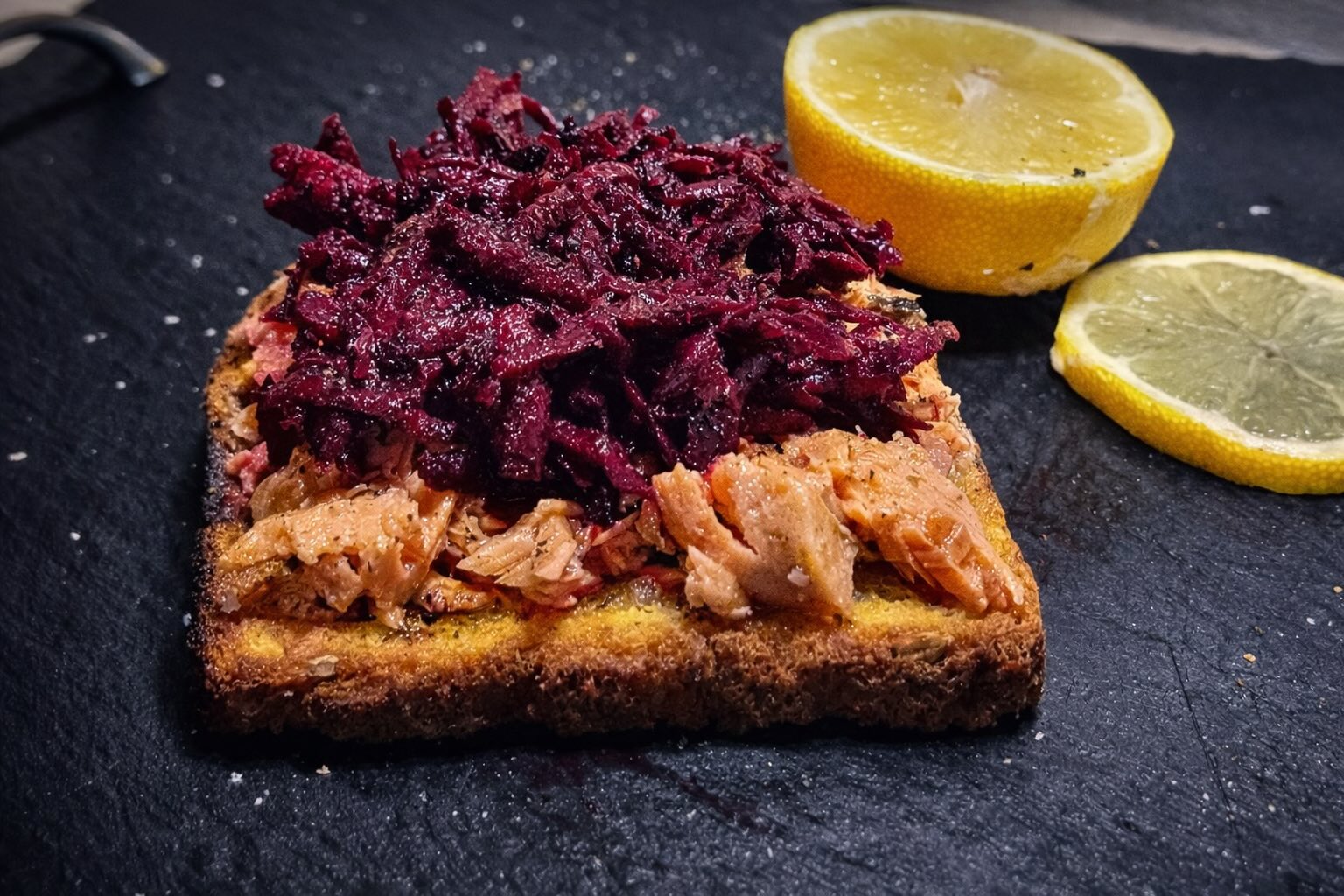
Salmon & Grated Beetroot Toast (with Lemon)
A fast, brain-forward open sandwich combining omega-3 rich salmon, nitrate/polyphenol beetroot, and lemon acidity for a sharp, savoury bite.
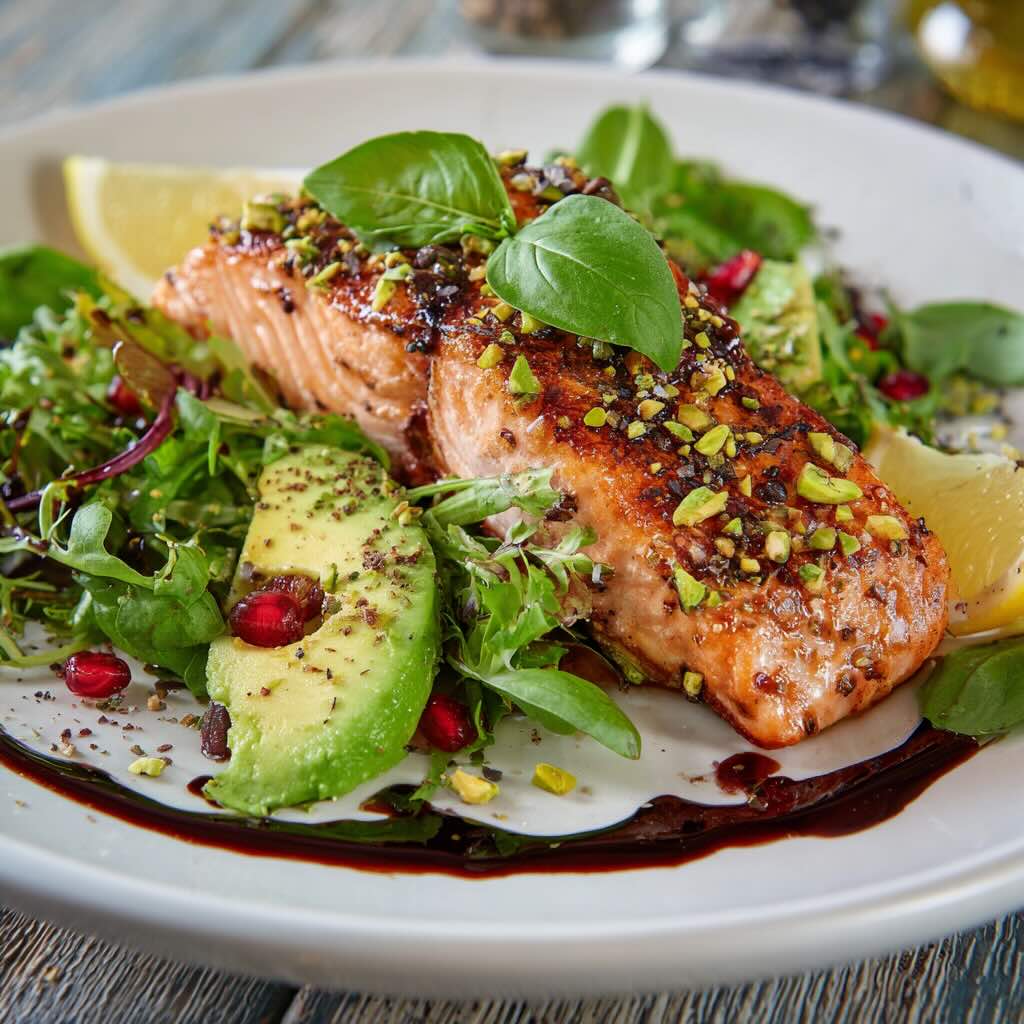
Salmon Bowl-pistachio-cacao-nibs
A Mediterranean-style bowl combining salmon, avocado, pistachios, cacao nibs, and early harvest olive oil — rich in omega-3 fats, polyphenols, and fibre.
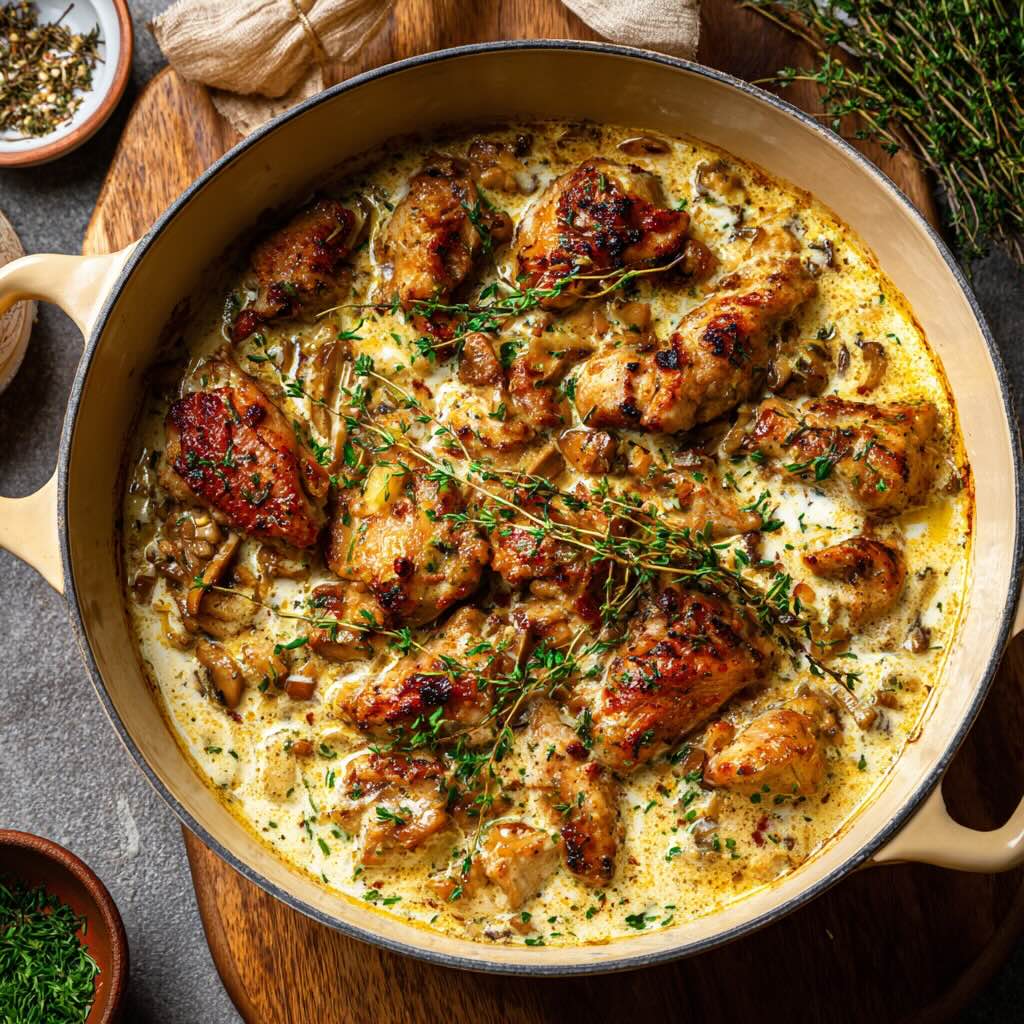
Turkey Wing Stew
A collagen-rich, glycine-heavy slow-cooked stew made from affordable turkey wings — rich in protein, tryptophan, and B vitamins.
Nutrient Tables (per 100 g)
Selected food and preparation: Oil, olive, salad or cooking. per 100 g edible portion.
Core nutrients
| Nutrient | Amount per 100 g | % reference intake per 100 g |
|---|---|---|
| Energy | 884 kcal | — |
| Total fat | 100 g | — |
| Saturated fat | 13.8 g | — |
Key vitamins and minerals
Vitamins and minerals supplying at least 10% of an adult reference intake per 100 g, derived from the composition panel.
| Nutrient | Amount per 100 g | % reference intake per 100 g |
|---|---|---|
| Vitamin E | 14.4 mg | 95.7% |
| Vitamin K | 60.2 µg | 50.2% |
Bioactive compounds
| Compound / class | Amount per 100 g | Notes |
|---|---|---|
| Hydroxytyrosol | Present [1] | virgin olive oil |
| Tyrosol | Present [1] | virgin olive oil |
| Oleocanthal | Present [1] | virgin olive oil |
| Oleacein | Present [1] | virgin olive oil |
- Hydroxytyrosol, Tyrosol, Oleocanthal, Oleacein: Occurs in virgin olive oil; concentration varies with production and storage. [1]
Technical provenance
Hydroxytyrosol: Bendini et al. (2007), Phenolic Molecules in Virgin Olive Oils. Virgin-oil phenolic composition includes individual phenolic alcohols and the oleacein/oleocanthal secoiridoids; intact oleuropein not inferred from its derivatives. [1]
Tyrosol: Bendini et al. (2007), Phenolic Molecules in Virgin Olive Oils. Virgin-oil phenolic composition includes individual phenolic alcohols and the oleacein/oleocanthal secoiridoids; intact oleuropein not inferred from its derivatives. [1]
Oleocanthal: Bendini et al. (2007), Phenolic Molecules in Virgin Olive Oils. Virgin-oil phenolic composition includes individual phenolic alcohols and the oleacein/oleocanthal secoiridoids; intact oleuropein not inferred from its derivatives. [1]
Oleacein: Bendini et al. (2007), Phenolic Molecules in Virgin Olive Oils. Virgin-oil phenolic composition includes individual phenolic alcohols and the oleacein/oleocanthal secoiridoids; intact oleuropein not inferred from its derivatives. [1]
Substances
5 substances in this food
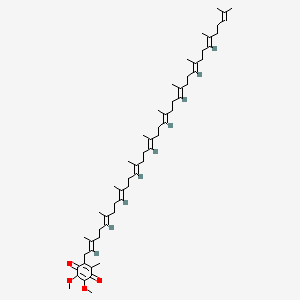
Coenzyme Q10 (CoQ10)
CoQ10 is documented in virgin olive oil; an early-harvest-specific amount is unavailable.
Hydroxytyrosol (Olive Polyphenol)
Occurs in virgin olive oil; concentration varies with production and storage.
References
[1] Bendini et al. (2007), Phenolic Molecules in Virgin Olive Oils
[2] Pravst, Zmitek and Zmitek (2010), Coenzyme Q10 Contents in Foods and Fortification Strategies