Purple Potatoes

Overview
Purple potatoes provide anthocyanins, particularly C3G (cyanidin-3-glucoside), that serve as natural chelation agents for heavy metals and support neuroprotection. Anthocyanins, especially C3G-rich sources like berries, purple potatoes, and black goji, serve as natural chelation agents for heavy metals and environmental contaminants, neuroprotective molecules that support synaptic resilience and detox pathways, and detox allies against microplastics and hormone-disrupting pollutants.
Food Context
Synergies
- Part of diverse polyphenol intake
- Pair with other C3G-rich foods
Preparation
- Can form resistant starch when cooked and cooled
- Supports detoxification pathways
Recipes
Nutrient Tables (per 100 g)
Core nutrients
| Nutrient | Amount per 100 g | % RDA per 100 g |
|---|---|---|
| Energy | 51 kcal | — |
| Protein | 0.4 g | — |
| Total fat | 0.1 g | — |
| Saturated fat | 0 g | — |
| Carbohydrates | 13.6 g | — |
| Fibre | 0.2 g | — |
Key micronutrients
| Nutrient | Amount per 100 g | % RDA per 100 g |
|---|---|---|
| Iron | 0.2 mg | 1.3% |
| Zinc | 0.1 mg | 0.5% |
| Magnesium | 17 mg | 4% |
| Selenium | 0.1 µg | 0.2% |
| Calcium | 4 mg | 0.4% |
| Potassium | 278 mg | 8.2% |
| Choline | 4 mg | 0.7% |
| Folate | 7 µg | 1.8% |
| Vitamin B12 | 0 µg | 0% |
| Vitamin B6 | 0.1 mg | 2.9% |
Substances
Substances in this food: editorial (Overview / literature) plus analytical (nutrition table).
10 substances in this food

Potassium
Electrolyte for nerve transmission, muscle function, and blood pressure regulation
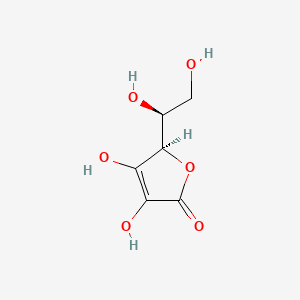
Vitamin C (Ascorbate)
Antioxidant; supports iron absorption; neuronal SVCT2 transport
Iron
Oxygen transport; dopamine synthesis (tyrosine hydroxylase cofactor)

Zinc
Cofactor in neurotransmission and antioxidant enzymes; dopamine modulation
Magnesium
Enzymatic cofactor (>300 reactions); neurotransmitters; mitochondria; redox balance

Selenium
Antioxidant enzyme cofactor (GPx); supports redox balance

Calcium
Bone health; neurotransmission; interacts with vitamin D and K2
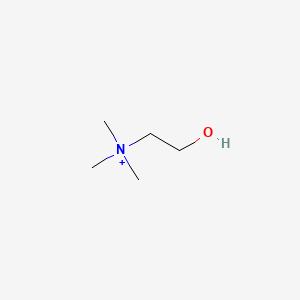
Choline
Acetylcholine precursor; methyl donor; phospholipid synthesis for membranes
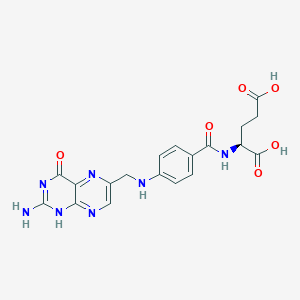
Vitamin B9 (Folate; 5-MTHF)
One-carbon metabolism; methylation; homocysteine recycling
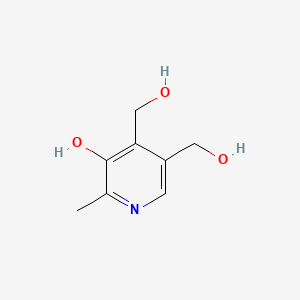
Vitamin B6 (Pyridoxine → PLP)
PLP cofactor for neurotransmitter synthesis; relies on brain PDXK activation
References
- Anthocyanins, especially C3G-rich sources like berries, purple potatoes, and black goji, serve as: Natural chelation agents for heavy metals and environmental contaminants; Neuroprotective molecules that support synaptic resilience and detox pathways; Detox allies against microplastics and hormone-disrupting pollutants