Edamame

Overview
Edamame (young soybeans) provides nicotinamide mononucleotide (NMN), a direct NAD+ intermediate, plus complete plant protein and isoflavones.
Within the BRAIN Diet framework, nicotinamide Mononucleotide (NMN) is a direct NAD⁺ intermediate in salvage pathway found in edamame, broccoli, cucumber, and avocado.
Food Context
Synergies
- Part of diverse plant protein strategy
- Pair with grains if needed for amino acid balance
Preparation
- Can be consumed steamed or boiled
- Supports mitochondrial NAD+ availability
Essential Amino Acid Profile
Edamame provide a relatively complete plant protein (higher in lysine than most grains). Pairing with grains or other legumes still supports dietary variety and amino acid balance.
Recipes
Nutrient Tables (per 100 g)
Selected food and preparation: Edamame, frozen, unprepared. per 100 g edible portion.
Core nutrients
| Nutrient | Amount per 100 g | % reference intake per 100 g |
|---|---|---|
| Energy | 109 kcal | — |
| Protein | 11.2 g | — |
| Total fat | 4.7 g | — |
| Carbohydrates | 7.6 g | — |
| Sugars | 2.5 g | — |
| Fibre | 4.8 g | — |
Key vitamins and minerals
Vitamins and minerals supplying at least 10% of an adult reference intake per 100 g, derived from the composition panel.
| Nutrient | Amount per 100 g | % reference intake per 100 g |
|---|---|---|
| Iron | 2.1 mg | 11.7% |
| Zinc | 1.3 mg | 12% |
| Magnesium | 61 mg | 14.5% |
| Phosphorus | 161 mg | 23% |
| Manganese | 1 mg | 43.9% |
| Potassium | 482 mg | 14.2% |
| Copper | 0.3 mg | 36% |
| Choline | 56 mg | 10.2% |
| Folate | 303 µg | 75.8% |
| Vitamin B6 | 0.1 mg | 10.4% |
| Vitamin B2 | 0.3 mg | 20.4% |
| Vitamin B1 | 0.2 mg | 12.5% |
| Vitamin B5 | 0.5 mg | 10.7% |
| Vitamin C | 9.7 mg | 10.8% |
| Vitamin K | 31.4 µg | 26.2% |
Bioactive compounds
| Compound / class | Amount per 100 g | Notes |
|---|---|---|
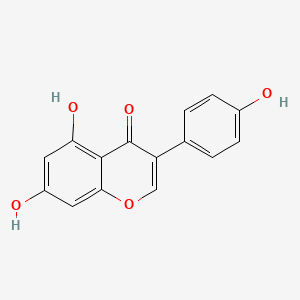
| Genistein | Present [3] | soybeans and the named soy foods |
- Genistein: Contains genistein-related isoflavones, including glycosides; proportions vary with processing. [3]
Technical provenance
Genistein: NTP-CERHR Expert Panel Report on Genistein (2006). Food table separately lists positive genistein for green soybeans, mature soybeans, tempeh and tofu; totals are aglycone equivalents, not amounts of free genistein. [3]
Substances
3 substances in this food
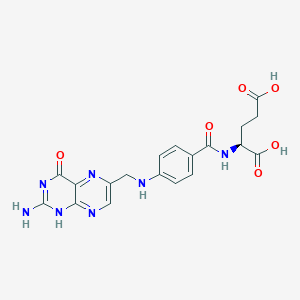
Vitamin B9 (Folate)
USDA FoodData Central reports folate in Edamame, frozen, unprepared. The recorded analyte is folate.
References
[1] Edamame supplies soy isoflavones such as genistein studied for metabolic and neuroinflammatory pathways. Fuloria et al. 2022. Genistein: A Potential Natural Lead Molecule for New Drug Design and Development for Treating Memory Impairment
[2] Young soybeans provide complete plant protein with favourable digestibility for a legume. FAO 2013. Dietary Protein Quality Evaluation in Human Nutrition: Report of an FAO Expert Consultation