Crab

Overview
Crab is a lean shellfish that provides complete protein, zinc, selenium, and vitamin B12 with relatively low fat and energy per 100 g. Zinc supports enzymatic and neuromodulatory roles relevant to neurotransmitter biology [1,2]; selenium contributes to selenoprotein-based antioxidant defence [3]; and B12 supports one-carbon metabolism and neurological maintenance [4]. Within the BRAIN Diet framework, crab fits as a lean seafood rotation that adds shellfish micronutrients alongside fish and plant proteins rather than replacing them [1].
The nutrition table below reflects snow crab legs (frozen) from USDA FoodData Central; species, edible portion, and preparation change mineral levels materially, so treat values as indicative for the listed FDC entry.
Key Nutritional Highlights
- Complete, highly digestible protein at moderate energy density (~69 kcal per 100 g) [1].
- Supplies meaningful zinc, selenium, and vitamin B12 for lean shellfish [2,3,4].
- Lower fat than many fatty red-meat patterns when minimally processed.
- Mineral levels vary by species and preparation; table reflects snow crab legs (frozen).
Food Context
Synergies
- Part of a varied seafood and protein rotation (fish, shellfish, legumes, eggs, dairy as appropriate).
- Pair with vegetable-rich sides and whole grains so lean shellfish protein integrates into balanced meals.
Sourcing
- Choose crab from monitored fisheries or reputable suppliers with clear species labelling and cold-chain handling.
- Prefer products with minimal added sodium and breading when the goal is a lean micronutrient-dense shellfish portion.
The U.S. FDA and EPA publish joint advice on fish and shellfish mercury. Many crab species used in retail products fall among lower-mercury seafood choices relative to large predatory fish, but species and origin still matter—use official guidance when planning frequency for sensitive groups.
Preparation
- Steam, bake, or lightly sauté to preserve texture; avoid overcooking, which toughens the protein matrix.
- Reheat frozen crab gently; added butter, cream, or salty sauces shift the meal pattern away from the lean profile described here.
Essential Amino Acid Profile
This food provides a complete essential amino acid profile typical of animal proteins.
Recipes
Nutrient Tables (per 100 g)
Selected food and preparation: Snow crab, legs only, frozen . per 100 g edible portion.
Core nutrients
| Nutrient | Amount per 100 g | % reference intake per 100 g |
|---|---|---|
| Energy | 69.2 kcal | — |
| Protein | 15.5 g | — |
| Total fat | 0.3 g | — |
| Carbohydrates | 1.1 g | — |
Key vitamins and minerals
Vitamins and minerals supplying at least 10% of an adult reference intake per 100 g, derived from the composition panel.
| Nutrient | Amount per 100 g | % reference intake per 100 g |
|---|---|---|
| Zinc | 3.4 mg | 30.6% |
| Magnesium | 58.4 mg | 13.9% |
| Selenium | 60 µg | 109.1% |
| Vitamin B12 | 2.2 µg | 92.5% |
Substances
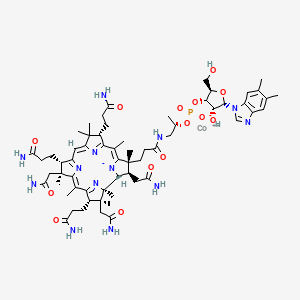
3 substances in this food
References
[1] Complete, highly digestible protein at moderate energy density (~69 kcal per 100 g). FAO 2013. Dietary Protein Quality Evaluation in Human Nutrition: Report of an FAO Expert Consultation
[2] Zinc as Allosteric Ion Channel Modulator: Ionotropic Receptors as Metalloproteins. Peralta & Huidobro-Toro 2016. Zinc as Allosteric Ion Channel Modulator: Ionotropic Receptors as Metalloproteins
[3] Selenium contributes to selenoprotein-based antioxidant defence. Mocchegiani & Malavolta 2019. Role of Zinc and Selenium in Oxidative Stress and Immunosenescence: Implications for Healthy Aging and Longevity
[4] And B12 supports one-carbon metabolism and neurological maintenance. Kennedy et al. 2016. B Vitamins and the Brain: Mechanisms, Dose and Efficacy—A Review
[5] USDA FoodData Central, Crustaceans, crab, alaska king, cooked, moist heat (FDC 174202)