Kale

Overview
Kale is a leafy green providing vitamin C, vitamin K, calcium, folate, riboflavin and manganese. Its carotenoids include beta-carotene and lutein. Zeaxanthin has been separated in supermarket kale on a dry-matter basis [2]. The 6,261 µg per 100 g on this page is lutein plus zeaxanthin together, not that zeaxanthin value [3]. Quercetin and kaempferol are also recorded as present.
Use it raw, cooked or blended into meals, with preparation chosen for texture and taste.
Food Context
Synergies
- Pair with fat (avocado, olive oil) for carotenoid absorption; co-consuming a small amount of unsaturated fat improves micelle formation and chylomicron packaging
- Part of diverse leafy green strategy
- Practical pairings: carrots + tahini, kale + avocado, berries + yogurt/nuts
Preparation
- Boiling reduces oxalates and improves mineral bioavailability Chai and Liebman 2005
Recipes
1 recipe containing this food
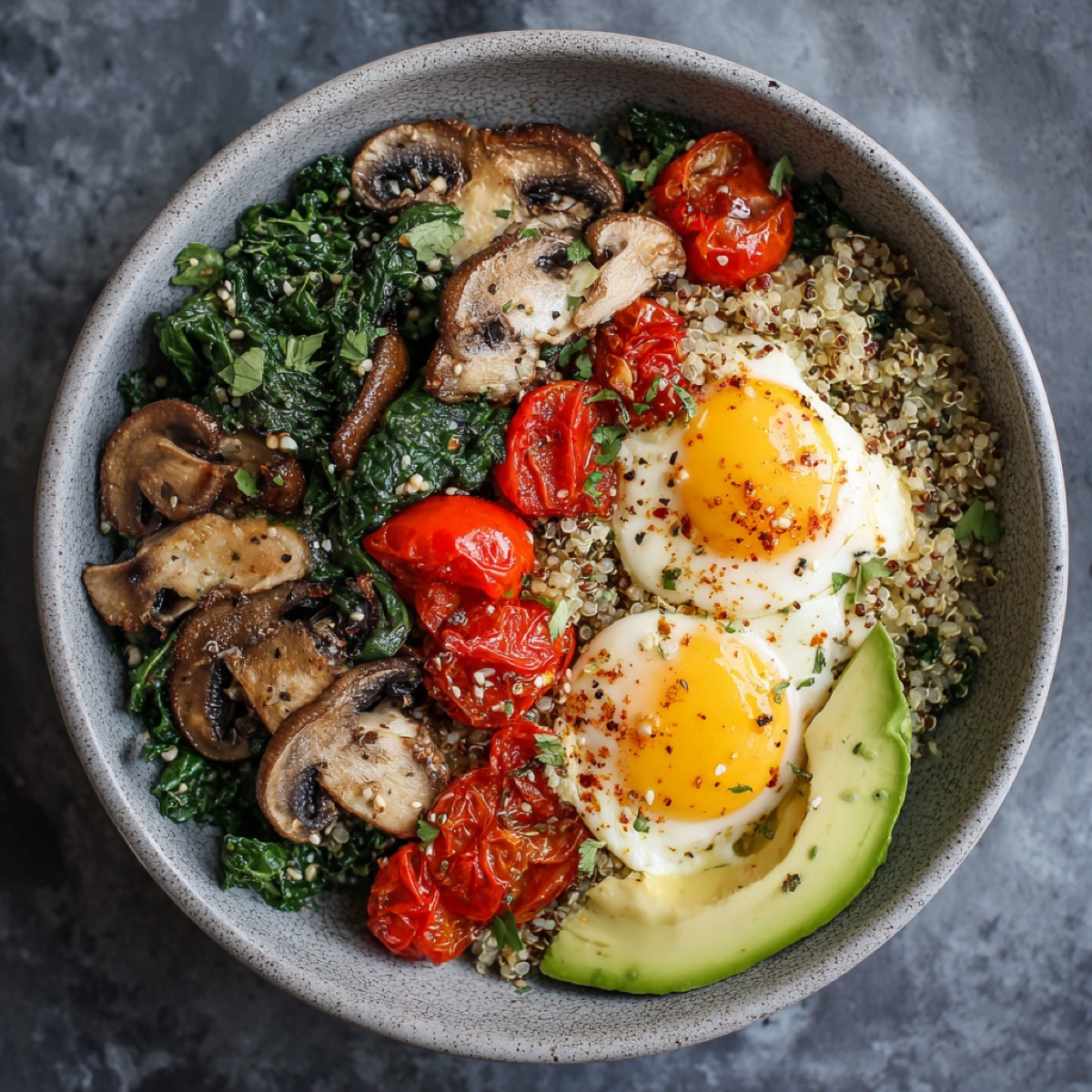
Savoury Greens & Egg Breakfast Skillet
A warm savoury breakfast skillet with eggs, greens, and slow carbohydrates for steady morning energy.
Nutrient Tables (per 100 g)
Selected food and preparation: Kale, raw. per 100 g edible portion.
Core nutrients
| Nutrient | Amount per 100 g | % reference intake per 100 g |
|---|---|---|
| Energy | 35 kcal | — |
| Protein | 2.9 g | — |
| Total fat | 1.5 g | — |
| Saturated fat | 0.2 g | — |
| Carbohydrates | 4.4 g | — |
| Sugars | 1 g | — |
| Fibre | 4.1 g | — |
Key vitamins and minerals
Vitamins and minerals supplying at least 10% of an adult reference intake per 100 g, derived from the composition panel.
| Nutrient | Amount per 100 g | % reference intake per 100 g |
|---|---|---|
| Manganese | 0.9 mg | 40% |
| Calcium | 254 mg | 25.4% |
| Folate | 62 µg | 15.5% |
| Vitamin B2 | 0.3 mg | 26.7% |
| Vitamin C | 93.4 mg | 103.8% |
| Vitamin A | 241 µg | 26.8% |
| Vitamin K | 389.6 µg | 324.7% |
Bioactive compounds
Content applies to the food and preparation identified in the source notes.
| Compound / class | Amount per 100 g | Notes |
|---|---|---|
| Beta-Carotene | 2873 µg | — |
| 5-Methyltetrahydrofolate | 67 µg | — |
| 5-Methyltetrahydrofolate | 54 µg | — |
| Quercetin | Present — quantity not established | Kale, raw; NDB 11233 — glycosides / reported aglycone equivalents |
| Kaempferol | Present — quantity not established | — |
- 5-Methyltetrahydrofolate: Supporting evidence and original measurement details are available in technical provenance below.
- 5-Methyltetrahydrofolate: Supporting evidence and original measurement details are available in technical provenance below. [Reference]
- Quercetin: USDA flavonoid database, Release 3.3; the studied food form is shown beside each constituent. Glycoside-derived records do not establish free-aglycone amounts.
- Kaempferol: Dabeek and Marra 2019 supports this qualitative constituent record. See technical provenance for food form and measurement details.
Technical provenance
5-Methyltetrahydrofolate: Table 1 reports 67.02 ± 41.63 µg/100 g fresh matter for 5-MTHF. Preserve the reported variability separately; it is not a min–max range. Do not combine this sample with the 2010 measurement.
5-Methyltetrahydrofolate: Calculated from the reported Table 5 molar sum, not directly reported mass concentration. Includes polyglutamate species as monoglutamate equivalents, not their intact molecular masses. Glu8 response was estimated by calibration extrapolation; this sample includes that estimated component. Analytical steaming was extraction treatment, not a cooked-food state. One study sample does not establish universal food composition; do not add this vitamer value to total folate as an independent nutrient supply. [Reference]
Quercetin: USDA flavonoid database Release 3.3 (2018); Printed page 76; Kale, raw; NDB 11233. Positive mean in the named food row, not an assumed association from database title. No free-aglycone mass inferred.
Kaempferol: Dabeek and Marra 2019 compile Phenol-Explorer and USDA flavonoid values showing kaempferol in Kale; a single defensible per-100 g value is not taken from the abbreviated USDA nutrient panel.
Substances
13 substances in this food
Calcium
USDA FoodData Central reports calcium in Kale, raw.
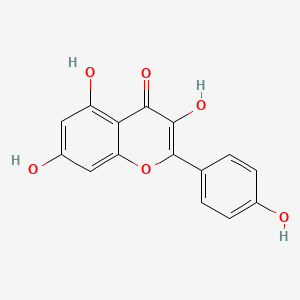
Kaempferol
Dietary flavonol in leafy greens, herbs, tea and some fruits; studied as a food constituent and as an isolated hormetic/senolytic agent.
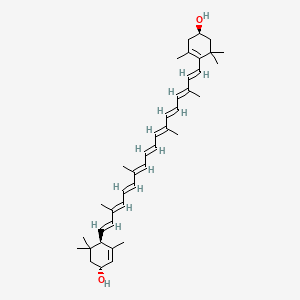
Lutein
Kim et al. (2024) identified lutein in raw darkibor kale leaves, central ribs removed; fresh-weight basis. A separate amount for this page’s preparation is not established.
Manganese
USDA FoodData Central reports manganese in Kale, raw.
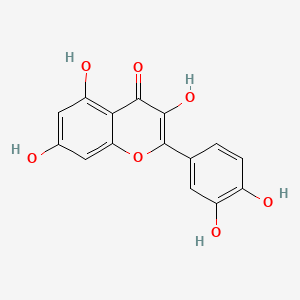
Quercetin (and Isoquercetin)
USDA’s flavonoid database identifies quercetin-derived glycosides in kale, raw. A separate amount for this page is not established. This does not establish free-aglycone content.
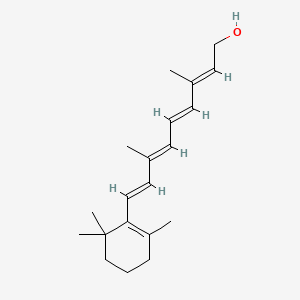
Vitamin A (Retinoids; β-Carotene precursor)
USDA FoodData Central reports vitamin A as retinol activity equivalents in Kale, raw.
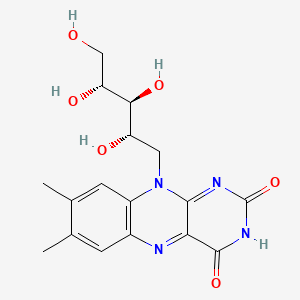
Vitamin B2 (Riboflavin)
USDA FoodData Central reports vitamin B2 in Kale, raw.
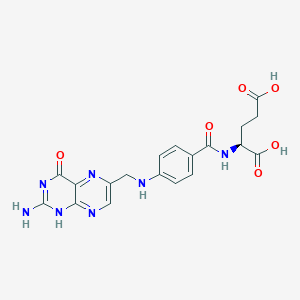
Vitamin B9 (Folate)
USDA FoodData Central reports folate in Kale, raw. The recorded analyte is folate.
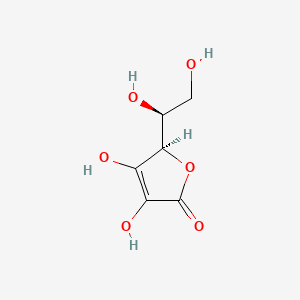
Vitamin C (Ascorbate)
USDA FoodData Central reports vitamin C in Kale, raw.
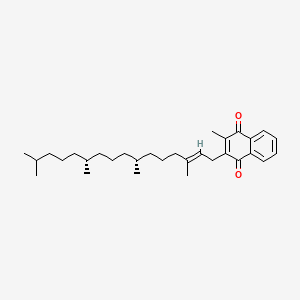
Vitamin K (Phylloquinone)
USDA FoodData Central reports vitamin K in Kale, raw. This vitamin K record is not a vitamin K2 measurement.
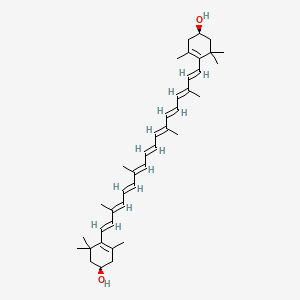
Zeaxanthin
Kim et al. (2024) identified zeaxanthin in raw darkibor kale leaves, central ribs removed; fresh-weight basis. A separate amount for this page’s preparation is not established.
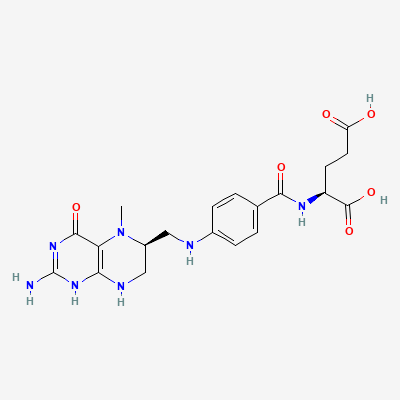
5-Methyltetrahydrofolate
A reduced form of vitamin B9 in foods, and the methyl donor for homocysteine remethylation.
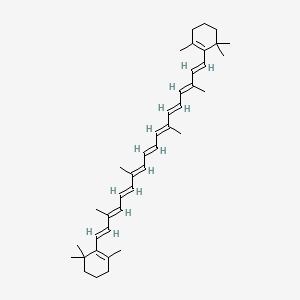
β-Carotene
USDA FoodData Central reports beta-carotene in Kale, raw.
References
[1] Boiling spinach, kale, and other greens can reduce oxalate load, improving mineral bioavailability. Chai & Liebman 2005. Effect of Different Cooking Methods on Vegetable Oxalate Content
[2] Sutharsan et al. (2026). Quantification of Macular Carotenoids over a Wide Dynamic Range in Plant Matrices and Caco-2 Cells Using a Single Transferable Analytical Method. Separated zeaxanthin in supermarket kale was 34.35 ± 2.08 µg per g dry matter.
[3] Eisenhauer et al. (2017). Lutein and Zeaxanthin—Food Sources, Bioavailability and Dietary Variety in Age-Related Macular Degeneration Protection. Table 4 reports the separated trans-lutein and trans-zeaxanthin values measured by Perry et al. (2009).