Potatoes

Overview
Potatoes provide complex carbohydrates, potassium, vitamin B6, and vitamin C. Their functional profile changes meaningfully by preparation and variety: cooked-then-cooled potatoes increase resistant starch through retrogradation, while purple potato varieties contribute anthocyanins (including C3G-related compounds; Cyanidin backbone) that are relevant to polyphenol-focused dietary patterns.
In practical terms, potatoes can serve both glycaemic stability and polyphenol diversity goals when used intentionally: cooling after cooking supports resistant starch formation and lower post-prandial glycaemic response, and including purple varieties broadens anthocyanin exposure.
Key Nutritional Highlights
- Their functional profile changes meaningfully by preparation and variety: cooked-then-cooled potatoes increase resistant starch through retrogradation, while purple potato varieties contribute anthocyanins (including C3G-related compound… [2]
- In practical terms, potatoes can serve both glycaemic stability and polyphenol diversity goals when used intentionally: cooling after cooking supports resistant starch formation and lower post-prandial glycaemic response, and including p…
Food Context
Preparation
- Cook, cool, and optionally reheat potatoes to increase resistant starch (retrogradation) while retaining practical meal use.
- Cooled starch structures are associated with a lower glycaemic response versus freshly cooked hot potato servings.
- Resistant starch supports gut fermentation patterns linked to butyrate production and broader microbiome resilience.
Variety-Specific Properties
- Purple potato varieties provide anthocyanins (including C3G-related compounds; Cyanidin backbone), adding a polyphenol dimension beyond standard white/yellow potatoes.
- Anthocyanin-rich potato inclusion can be used as part of a broader strategy for color-diverse polyphenol intake.
Recipes
2 recipes containing this food
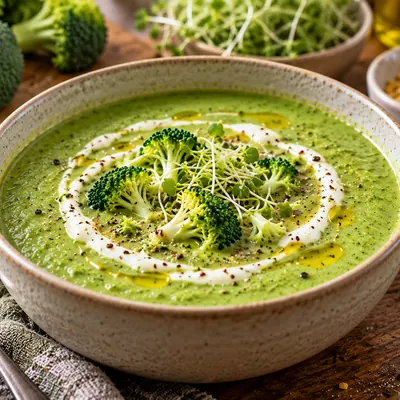
Broccoli, Potato and Onion Soup
A smooth broccoli, potato and onion soup for 4, with the broccoli blended and rested before a short simmer.
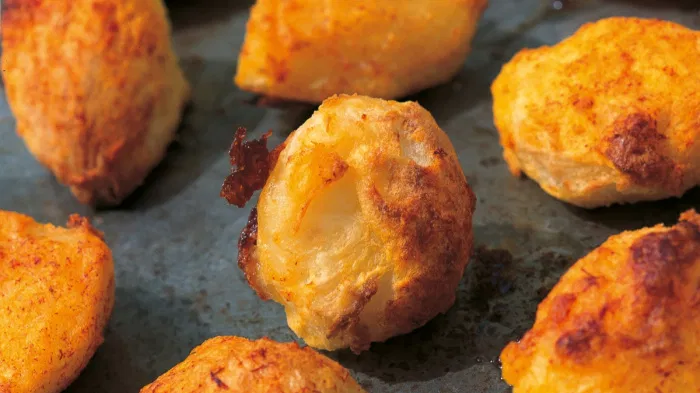
Saffron Roast Potatoes
Crisp roast potatoes finished with saffron-infused olive oil, designed to maximise colour, flavour and texture while remaining adaptable to many main dishes.
Nutrient Tables (per 100 g)
Selected food and preparation: Potatoes, flesh and skin, raw. per 100 g edible portion.
Core nutrients
| Nutrient | Amount per 100 g | % reference intake per 100 g |
|---|---|---|
| Energy | 77 kcal | — |
| Protein | 2.1 g | — |
| Total fat | 0.1 g | — |
| Saturated fat | 0 g | — |
| Carbohydrates | 17.5 g | — |
| Sugars | 0.8 g | — |
| Fibre | 2.1 g | — |
Key vitamins and minerals
Vitamins and minerals supplying at least 10% of an adult reference intake per 100 g, derived from the composition panel.
| Nutrient | Amount per 100 g | % reference intake per 100 g |
|---|---|---|
| Potassium | 425 mg | 12.5% |
| Copper | 0.1 mg | 12.2% |
| Vitamin B6 | 0.3 mg | 22.9% |
| Vitamin C | 19.7 mg | 21.9% |
Substances
3 substances in this food
Potassium
USDA FoodData Central reports potassium in Potatoes, flesh and skin, raw.
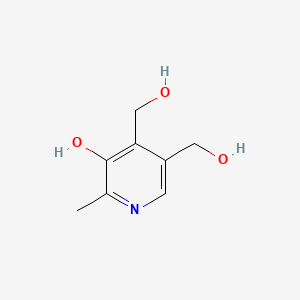
Vitamin B6 (Pyridoxine → PLP)
USDA FoodData Central reports vitamin B6 in Potatoes, flesh and skin, raw.
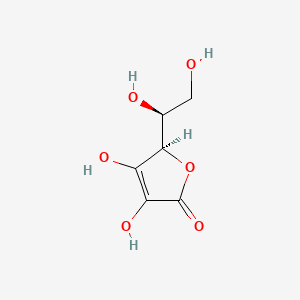
Vitamin C (Ascorbate)
USDA FoodData Central reports vitamin C in Potatoes, flesh and skin, raw.
References
[1] Cooled potatoes provide resistant starch that supports beneficial gut microbiota fermentation. Zhou et al. 2015. The importance of GLP‐1 and PYY in resistant starch's effect on body fat in mice
[2] Resistant starch fermentation produces short-chain fatty acids relevant to gut–brain signalling. Fan et al. 2019. SCFA producing bacteria shape the subtype of ADHD in children