Tempeh

Overview

Tempeh is fermented soy providing live probiotics, enhanced nutrient bioavailability, and isoflavones, supporting gut health and neurotransmitter synthesis. Fermented Foods: Sauerkraut, kimchi, kefir, miso, kombucha, tempeh provide live microbes + postbiotic peptides; improved SCFA pools; vagal signaling. Tempeh: Fermented soybeans, high in protein and probiotics. Fermentation improves digestibility and nutrient bioavailability.

Recipes

no recipes found

Substances

18 substances in this food
Chemical structure

Calcium

Bone health; neurotransmission; interacts with vitamin D and K2

Chemical structure

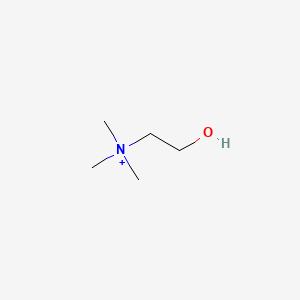
Choline

Acetylcholine precursor; methyl donor; phospholipid synthesis for membranes

Chemical structure

Copper

Cofactor in redox enzymes; dopamine β-hydroxylase; iron metabolism interplay

Chemical structure

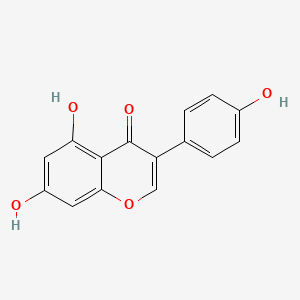
Genistein

Soy isoflavone; ECS modulation via FAAH inhibition; anti-inflammatory/neuroprotective

Chemical structure

Histidine

Essential AA; precursor to histamine; roles in enzyme active sites

Chemical structure

Iron

Oxygen transport; dopamine synthesis (tyrosine hydroxylase cofactor)

Chemical structure

Isoleucine

Essential BCAA; energy metabolism; complements leucine/valine

Chemical structure

Leucine

Essential BCAA; mTOR signaling; protein synthesis; cognitive load support

Chemical structure

Lysine

Essential AA; limiting in many cereals; complements legumes

Chemical structure

Magnesium

Enzymatic cofactor (>300 reactions); neurotransmitters; mitochondria; redox balance

Chemical structure

Manganese

Cofactor for MnSOD (SOD2); mitochondrial antioxidant defense

Chemical structure

Methionine

Essential AA; precursor to SAMe via methylation cycle

Chemical structure

Phenylalanine

Essential AA; precursor to tyrosine → catecholamines

Chemical structure

Threonine

Essential AA; structural proteins; mucin production

Chemical structure

Tryptophan

Serotonin/melatonin precursor; NAD+ pathway substrate; LAT1 transport dynamics

Chemical structure

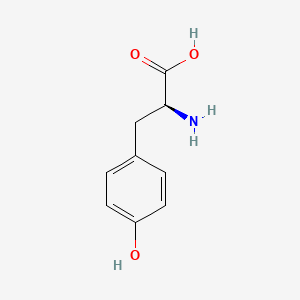
Tyrosine

Dopamine and norepinephrine precursor; LAT1 competition with LNAAs

Chemical structure

Valine

Essential BCAA; supports protein balance and neurotransmitter transport competition

Preparation Notes

  • Fermentation improves digestibility and nutrient bioavailability; lactic acid bacteria acidify the medium, activating microbial and endogenous phytases, while also increasing B-vitamin levels
  • Can be cooked various ways; gentle cooking preserves probiotics
  • Part of fermented foods rotation; fermented foods provide live microbes + postbiotic peptides; improved SCFA pools; vagal signaling
  • Supports gut microbiome diversity; dietary diversity (≥30 plant foods per week) supports microbial richness and resilience

Biological Target Matrix

Biological TargetSubstanceTherapeutic AreasMechanism of Action
Endocannabinoid System (ECS)CholinePrecursor for phosphatidylcholine (PC) synthesis; PE can be converted into PC or N-acyl phosphatidylethanolamines (NAPEs); NAPEs are precursors to N-acyl ethanolamines (NAEs) like palmitoylethanolamide (PEA), oleoylethanolamide (OEA), and anandamide (AEA), bioactive lipids which act as neuromodulators with anti-inflammatory, neuroprotective, and mood-regulating effects
Endocannabinoid System (ECS)GenisteinInhibits fatty acid amide hydrolase (FAAH), preserving anandamide levels and enhancing ECS tone; modulates dopamine, glutamate, and GABA signaling
Hormonal ResponseCalciumSupports calcium modulation along with vitamin D, magnesium, taurine, phospholipids, and flavonoids; supports insulin sensitivity, sympathetic arousal, and mitochondrial excitability
Hormonal ResponseMagnesiumSupports calcium modulation along with vitamin D, taurine, phospholipids, and flavonoids; supports insulin sensitivity, sympathetic arousal, and mitochondrial excitability
InflammationCopperParticipates in redox enzymes and antioxidant networks
InflammationGenisteinAnti-inflammatory and anti-neuroinflammatory properties; reduces neuroinflammation
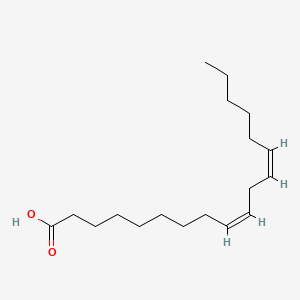
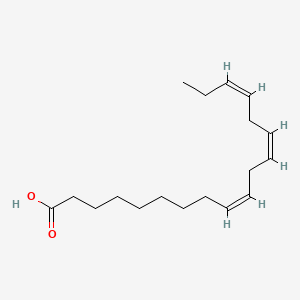
InflammationLinoleic Acid (LA, n-6)Essential omega-6 fatty acid; precursor to arachidonic acid and eicosanoids; excessive n-6:n-3 ratios may skew toward pro-inflammatory eicosanoids
Insulin ResponseMagnesiumSupports insulin sensitivity and glucose metabolism; magnesium deficiency is associated with insulin resistance; supports enzymes involved in glucose metabolism
MethylationCholinePrecursor to trimethylglycine (TMG/betaine), a dietary methyl donor that helps recycle homocysteine to methionine via an alternative pathway; supports one-carbon metabolism alongside folate, riboflavin, and B12; influences methylation dynamics relevant to MTHFR and COMT activity
MethylationMethionineEssential amino acid that forms S-adenosylmethionine (SAMe), the universal methyl donor for neurotransmitter synthesis and membrane phospholipid methylation
Mitochondrial SupportIronCritical for oxygen delivery to the brain via hemoglobin; supports mitochondrial function and energy production
Mitochondrial SupportMagnesiumSupports enzymes involved in glycolysis and the Krebs cycle (processes that generate ATP from glucose); binds to ATP and all triphosphates in cells to activate them
Mitochondrial SupportManganeseSupports mitochondrial antioxidant defense through MnSOD activity
Neurochemical BalanceCalciumEssential for nerve impulse transmission and neurotransmission
Neurochemical BalanceCholineEssential precursor for acetylcholine synthesis, supporting memory, learning, and neuroplasticity; supports membrane phospholipid biosynthesis (PC) which is critical for membrane fluidity and neurotransmitter receptor function; phospholipid methylation (PLM) alters membrane structure, facilitating faster neuronal recovery and influencing ion channel behavior in gamma oscillations linked to attention and cognition
Neurochemical BalanceCopperCofactor in dopamine β-hydroxylase, supporting catecholamine synthesis; supports norepinephrine synthesis
Neurochemical BalanceGenisteinEnhances endocannabinoid activity; modulates dopamine, glutamate, and GABA signaling pathways
Neurochemical BalanceIronEssential cofactor for tyrosine hydroxylase, the rate-limiting enzyme in the conversion of tyrosine to dopamine; critical for catecholamine synthesis
Neurochemical BalanceMagnesiumBroad cofactor for neurotransmitter synthesis and receptor modulation (e.g., NMDA, GABA); functions as an NMDA receptor antagonist and GABA receptor modulator; assists enzymes involved in synthesis of dopamine and serotonin
Neurochemical BalancePhenylalanineEssential amino acid that converts to tyrosine and supports catecholamine synthesis (dopamine, norepinephrine); participates in LAT1 competition at the blood-brain barrier
Neurochemical BalanceTryptophanPrecursor for serotonin and melatonin; brain entry competes at LAT1 with other large neutral amino acids (LNAAs); carbohydrate-rich, low-protein meals raise the plasma tryptophan:LNAA ratio because insulin pushes competing LNAAs out to muscles; can feed NAD+ synthesis via the kynurenine pathway
Neurochemical BalanceTyrosineCatecholamine precursor (dopamine, norepinephrine); brain transport via LAT1 competes with other LNAAs; iron is an essential cofactor for tyrosine hydroxylase, the rate-limiting enzyme in conversion of tyrosine to dopamine; cofactors include iron, B6, folate, omega-3s, and BH₄ (tetrahydrobiopterin) to support rate-limiting steps in catecholamine synthesis
Oxidative StressCopperIncluded in antioxidant enzyme networks; interacts with iron metabolism affecting oxidative stress
Oxidative StressGenisteinPrevents neuronal death; increases hippocampal glutathione (GSH) and superoxide dismutase (SOD); lowers lipid peroxidation, ROS, and nitric oxide production
Oxidative StressLinoleic Acid (LA, n-6)Essential fatty acid; balance with omega-3s is emphasized for optimal inflammatory tone
Oxidative StressManganeseEssential cofactor for MnSOD (SOD2), supporting detoxification of superoxide within the mitochondrial matrix
Stress ResponseMagnesiumHelps manage stress responses; combined with vitamin D reduced behavioral problems; synergy with zinc and omega-3s reported

References

  • Fermented Foods: Sauerkraut, kimchi, kefir, miso, kombucha - Live microbes + postbiotic peptides; improved SCFA pools; vagal signaling
  • Tempeh: Fermented soybeans, high in protein and probiotics
  • Part of fermented foods strategy; fermentation goes further: lactic acid bacteria acidify the medium, activating microbial and endogenous phytases, while also increasing B-vitamin levels LeBlanc et al. 2011
  • Fermentation produces beneficial organic acids and partially pre-digests starch and protein—improving both digestibility and glycaemic response
  • Genistein, a soy-derived isoflavonoid, has shown potential as a modulator of several biochemical pathways, including the endocannabinoid system and neuroinflammation