Avocado Oil
Overview
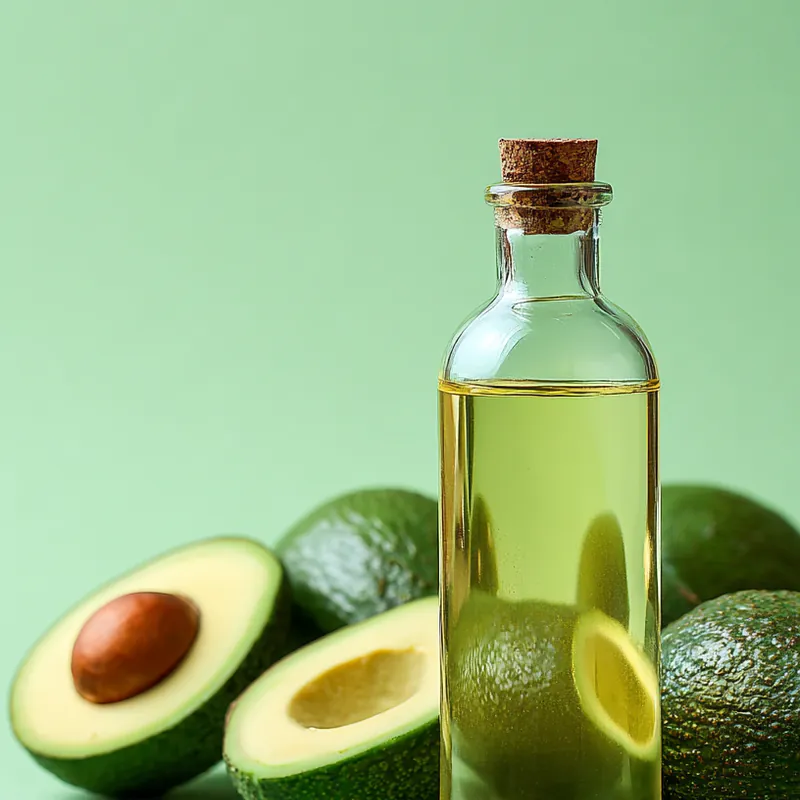
Avocado oil is a monounsaturated-fat culinary oil whose main fatty acid is oleic acid [1]. Composition varies with cultivar and processing, so it should not be treated as one fixed oil.
Within the BRAIN Diet, it can help absorb carotenoids from salads and salsa [2]. Prefer whole avocado when fibre and potassium also matter. Fat quality, oil grade and the rest of the meal still matter more than isolated oil intake.
Key Nutritional Highlights
- Oleic acid is the main fatty acid; composition varies by cultivar and processing [1].
- Adding avocado oil to salad helps absorb carotenoids from vegetables [2].
- Refined and extra-virgin grades differ; prefer whole avocado when fibre and potassium also matter [1].
- Use as a cooking or dressing fat in moderation.
Food Context
Synergies
- Pair with carotenoid-rich vegetables; avocado oil and avocado fruit both enhanced carotenoid absorption in the same human trial [2].
Preparation
- Smoke point and heat stability depend on refining and product quality; extra-virgin avocado oil should not be assumed to have a higher smoke point than extra-virgin olive oil [1,3].
Recipes
Nutrient Tables (per 100 g)
Selected food and preparation: Oil, avocado. per 100 g edible portion.
Core nutrients
| Nutrient | Amount per 100 g | % reference intake per 100 g |
|---|---|---|
| Energy | 884 kcal | — |
| Total fat | 100 g | — |
| Saturated fat | 11.6 g | — |
Bioactive compounds
Content applies to the food and preparation identified in the source notes.
| Compound / class | Amount per 100 g | Notes |
|---|---|---|
| Oleic Acid | 67.9 g | — |
This value uses a documented composition interpretation. See FCIR-008.
Substances
2 substances in this food

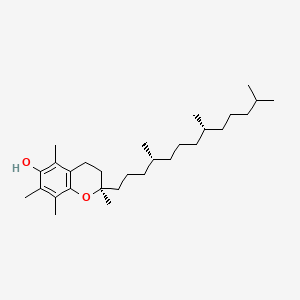
Vitamin E (Tocopherols/Tocotrienols)
Contains alpha-tocopherol (vitamin E); content varies with processing.
References
[1] Fernandes et al. (2018). Chemical characterization of commercial and single-variety avocado oils. Specialist characterisation of commercial and single-variety avocado oils; Woolf and colleagues proposed oleic at 60–80% of fatty acids, with cultivar and processing changing the profile, and the 67.889 g/100 g figure on this page is from USDA SR Legacy Oil, avocado, not from this paper.
[2] Unlu et al. (2005). Carotenoid Absorption from Salad and Salsa by Humans Is Enhanced by the Addition of Avocado or Avocado Oil. Avocado oil (and avocado fruit) added to salad increased human absorption of α-carotene, β-carotene and lutein versus salad without avocado lipid.
[3] Flores et al. (2019). Avocado Oil: Characteristics, Properties, and Applications
[4] Green and Wang (2020), First report on quality and purity evaluations of avocado oil sold in the US