Beef
Overview
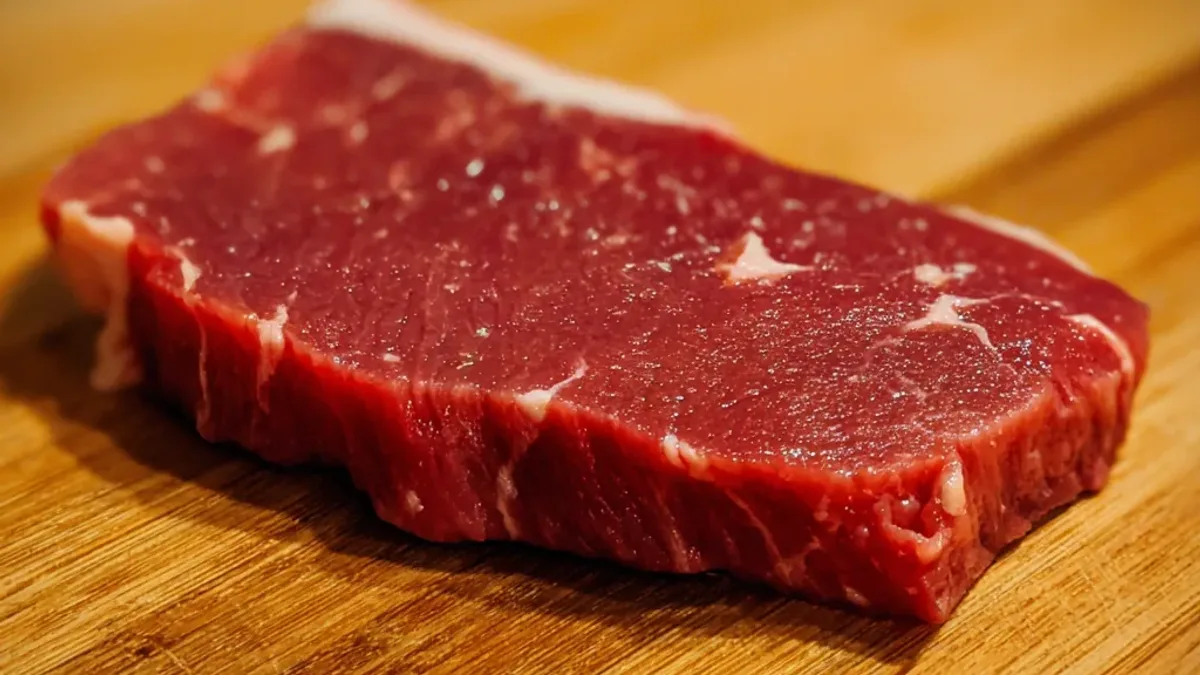
Beef is a red meat providing creatine, CoQ10, vitamin B12, zinc and iron. Direct food-composition analysis confirms that CoQ10 content varies by tissue and cut [3]. The table describes the composition of the representative cut.
Within a BRAIN-aligned pattern, beef can be used selectively within the overall balance of plant and animal foods.
Food Context
Sourcing
- Prefer minimally processed cuts of beef over processed meat products such as cured or smoked meats.
- Grass-fed beef may provide modestly higher omega-3 fatty acids and some antioxidant compounds than grain-fed beef, although the magnitude varies [1].
Synergies
- Combine ground beef with suitable herb or plant extracts where flavour permits; direct cooked-beef experiments show that some extracts can reduce lipid oxidation, but results are formulation-specific [2].
- Serve beef alongside fibrous plant foods such as legumes, greens, or whole grains to increase meal variety.
Preparation
- Cook to a safe internal temperature and avoid unnecessary burning or heavy charring.
Essential Amino Acid Profile
Beef provides the essential amino acids expected from an animal muscle protein.
Recipes
Nutrient Tables (per 100 g)
Selected food and preparation: Beef, ground, 85% lean meat / 15% fat, raw (Includes foods for USDA's Food Distribution Program). per 100 g edible portion.
Core nutrients
| Nutrient | Amount per 100 g | % reference intake per 100 g |
|---|---|---|
| Energy | 215 kcal | — |
| Protein | 18.6 g | — |
| Total fat | 15 g | — |
| Saturated fat | 5.7 g | — |
Key vitamins and minerals
Vitamins and minerals supplying at least 10% of an adult reference intake per 100 g, derived from the composition panel.
| Nutrient | Amount per 100 g | % reference intake per 100 g |
|---|---|---|
| Iron | 2.1 mg | 11.6% |
| Zinc | 4.5 mg | 40.7% |
| Phosphorus | 171 mg | 24.4% |
| Selenium | 15.8 µg | 28.7% |
| Choline | 61.2 mg | 11.1% |
| Vitamin B12 | 2.2 µg | 90.4% |
| Vitamin B6 | 0.3 mg | 26.6% |
| Vitamin B2 | 0.2 mg | 11.6% |
| Vitamin B3 | 4.6 mg | 29.1% |
| Vitamin B5 | 0.5 mg | 11% |
Bioactive compounds
| Compound / class | Amount per 100 g | Notes |
|---|---|---|
| Creatine | 400 mg (estimate) [4] | Concentrated in muscle; not reported in ordinary beef composition tables for most cuts. |
| CoQ10 | 2.5 mg (estimate) [5] | Beef-muscle estimate; cut and preparation affect content. |
- Creatine: Approximate content for cooked beef muscle; cut and cooking affect the amount. [4]
- CoQ10: Representative estimate for beef muscle; not a measured value for every cut or ground-beef preparation. [5]
Technical provenance
Creatine: Approximate creatine content per 100 g cooked beef based on dietary creatine source summaries and compositional surveys (raw beef muscle ~390–445 mg/100 g, with modest cooking losses; see Avgerinos et al. 2018 and creatine dietary sources reviews). [4]
CoQ10: The cited study analysed CoQ10 separately in beef steak and beef heart. It supports presence in those materials; the retained 2.5 mg estimate is not a preparation-specific measurement from that abstract. [5]
Substances
10 substances in this food
Coenzyme Q10 (CoQ10)
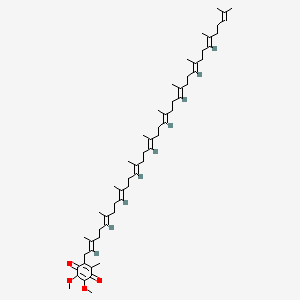
Mattila et al. (2000) analysed CoQ10 in beef steak. This supports beef-tissue presence; a separate amount for this page’s ground-beef preparation is not established.
Phosphorus (Phosphate)
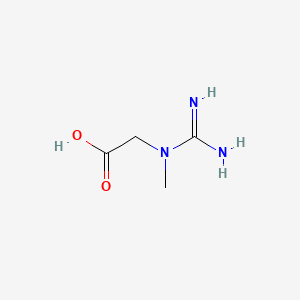
USDA FoodData Central reports phosphorus in Beef, ground, 85% lean meat / 15% fat, raw (Includes foods for USDA's Food Distribution Program).
Vitamin B12 (Cobalamin)
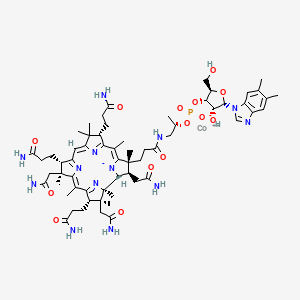
USDA FoodData Central reports vitamin B12 in Beef, ground, 85% lean meat / 15% fat, raw (Includes foods for USDA's Food Distribution Program).
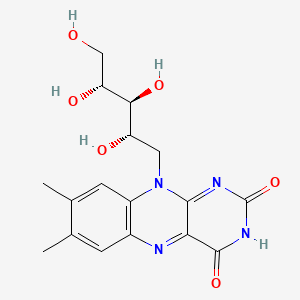
Vitamin B2 (Riboflavin)
USDA FoodData Central reports vitamin B2 in Beef, ground, 85% lean meat / 15% fat, raw (Includes foods for USDA's Food Distribution Program).
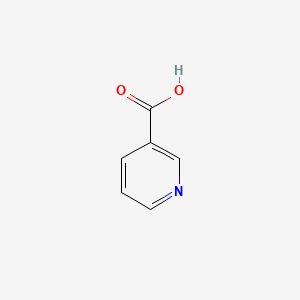
Vitamin B3 (Niacin)
USDA FoodData Central reports vitamin B3 in Beef, ground, 85% lean meat / 15% fat, raw (Includes foods for USDA's Food Distribution Program).
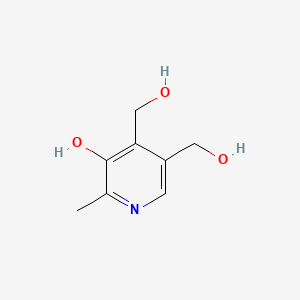
Vitamin B6 (Pyridoxine → PLP)
USDA FoodData Central reports vitamin B6 in Beef, ground, 85% lean meat / 15% fat, raw (Includes foods for USDA's Food Distribution Program).
References
[1] Daley et al. (2010). A review of nutritional differences between grass-fed and grain-fed beef. Review of measured compositional differences between grass-fed and grain-fed beef.
[2] Ahn et al. (2007). Effects of plant extracts on lipid oxidation and colour of cooked ground beef. Direct cooked-ground-beef experiment; effects depended on the plant extract and formulation tested.
[3] Mattila & Kumpulainen (2001). Coenzymes Q9 and Q10: Contents in Foods and Dietary Intake. HPLC food-composition analysis measured CoQ10 in beef and other foods; beef values varied by tissue and cut.
[4] Kulczyński et al. (2019). Characteristics of Selected Antioxidative and Bioactive Compounds in Meat and Animal Origin Products. Review of bioactive compounds in meat, including creatine; content varies with animal species and tissue.
[5] Mattila et al. (2000). Comparison of in-line connected diode array and electrochemical detectors in the high-performance liquid chromatographic analysis of coenzymes Q9 and Q10 in food materials. Analytical study of individual coenzymes Q9 and Q10 in food materials, including beef steak and heart.
[6] USDA (2018). FoodData Central: Beef, ground, 85% lean meat / 15% fat, raw (FDC 171796). Composition baseline for raw ground beef containing 15% fat; the bioactive estimates use separate sources.