Brussels Sprouts
Overview
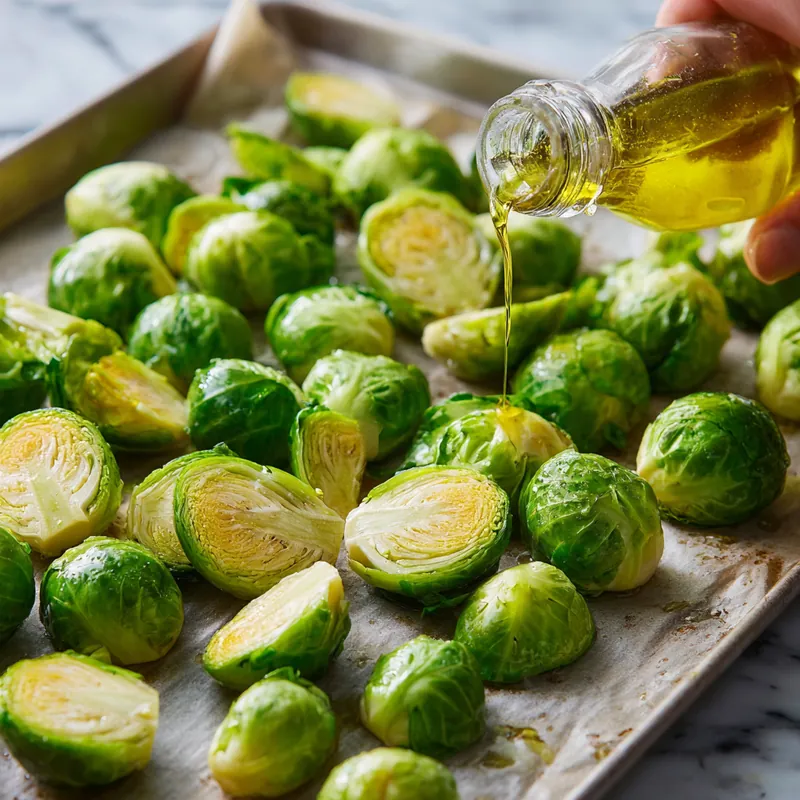
Brussels sprouts are a cruciferous vegetable providing folate, vitamin C and fibre at modest energy. Like other crucifers, their glucosinolates can form isothiocyanates through myrosinase-dependent reactions; the cited source is general crucifer mechanism evidence, not a Brussels-sprout composition study [1].
Within a BRAIN-aligned pattern they add crucifer diversity.
Food Context
Synergies
- Include among other cruciferous vegetables for glucosinolate diversity.
Preparation
- Cook to the texture you prefer; a Brussels-sprout-specific preparation comparison is not established here.
Recipes
Nutrient Tables (per 100 g)
Selected food and preparation: Brussels sprouts, raw. per 100 g edible portion.
Core nutrients
| Nutrient | Amount per 100 g | % reference intake per 100 g |
|---|---|---|
| Energy | 43 kcal | — |
| Protein | 3.4 g | — |
| Total fat | 0.3 g | — |
| Saturated fat | 0.1 g | — |
| Carbohydrates | 9 g | — |
| Sugars | 2.2 g | — |
| Fibre | 3.8 g | — |
Key vitamins and minerals
Vitamins and minerals supplying at least 10% of an adult reference intake per 100 g, derived from the composition panel.
| Nutrient | Amount per 100 g | % reference intake per 100 g |
|---|---|---|
| Manganese | 0.3 mg | 14.7% |
| Potassium | 389 mg | 11.4% |
| Folate | 61 µg | 15.3% |
| Vitamin B6 | 0.2 mg | 16.8% |
| Vitamin B1 | 0.1 mg | 11.6% |
| Vitamin C | 85 mg | 94.4% |
| Vitamin K | 177 µg | 147.5% |
Substances
2 substances in this food
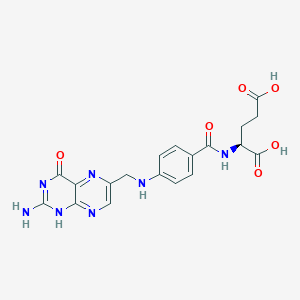
Vitamin B9 (Folate)
USDA FoodData Central reports folate in Brussels sprouts, raw. The recorded analyte is folate.
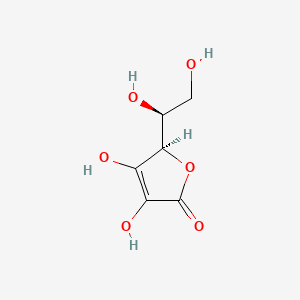
Vitamin C (Ascorbate)
USDA FoodData Central reports vitamin C in Brussels sprouts, raw.
References
[1] Houghton et al. (2016). Sulforaphane and Other Nutrigenomic Nrf2 Activators: Can the Clinician’s Expectation Be Matched by the Reality?. Mechanistic context for glucosinolate-derived isothiocyanates in crucifers; not direct Brussels-sprout evidence.