Cod
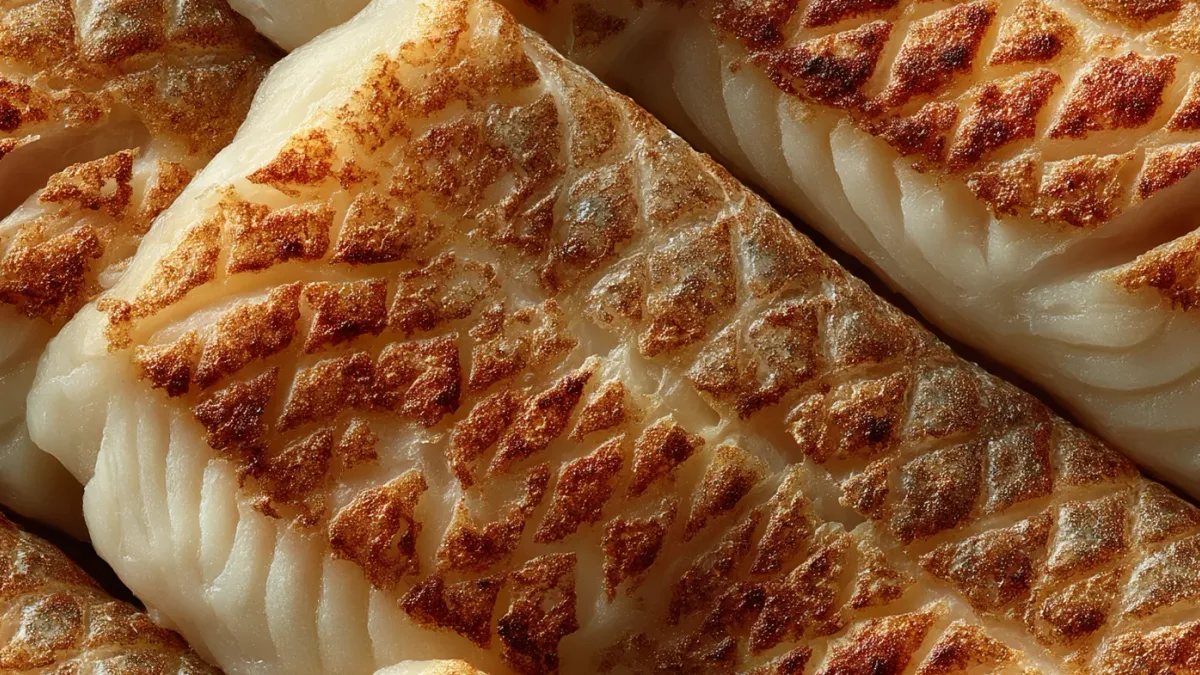
Overview
Cod is a lean white fish providing modest amounts of omega-3 fatty acids, vitamin B12, selenium, and other trace minerals, together with highly digestible protein. Compared with oily fish such as salmon or mackerel, cod contributes smaller absolute amounts of EPA and DHA but still adds marine omega-3s, micronutrients, and protein at a relatively low energy cost [1]. This makes cod useful in meals where the focus is on vegetables and whole grains, with fish acting as a lighter protein component.
Within the BRAIN Diet framework, cod functions as a lean marine protein that can be rotated with higher-fat oily fish rather than replacing them. Its protein has a high digestible indispensable amino acid score (DIAAS), indicating excellent indispensable amino acid coverage [2]. This makes cod a flexible option when meals already provide substantial fats from other ingredients, allowing marine protein and modest omega-3 intake without substantially increasing total dietary fat.
Key Nutritional Highlights
- Provides complete, highly digestible protein with excellent DIAAS coverage [2].
- Modest EPA/DHA relative to oily fish; still contributes marine omega-3s at low energy cost [1].
- Selenium and vitamin B12 vary by species; see nutrition table for this FDC entry.
- Lean marine protein (~61 kcal per 100 g) for meals already containing other fat sources [1].
Food Context
Sourcing
- Choose cod from fisheries with transparent stock assessments and sustainability practices; colder-water wild-caught cod from well-managed stocks can be a relatively low-impact choice [1,2].
- As a lower-trophic species relative to large predatory fish, cod generally accumulates less mercury, but it should still be consumed as part of a varied fish intake pattern for both sustainability and risk management [1,2].
Essential Amino Acid Profile
This food provides a complete essential amino acid profile typical of animal proteins.
Recipes
Nutrient Tables (per 100 g)
Selected food and preparation: Fish, cod, Atlantic, raw. per 100 g edible portion.
Core nutrients
| Nutrient | Amount per 100 g | % reference intake per 100 g |
|---|---|---|
| Energy | 82 kcal | — |
| Protein | 17.8 g | — |
| Total fat | 0.7 g | — |
| Saturated fat | 0.1 g | — |
Key vitamins and minerals
Vitamins and minerals supplying at least 10% of an adult reference intake per 100 g, derived from the composition panel.
| Nutrient | Amount per 100 g | % reference intake per 100 g |
|---|---|---|
| Phosphorus | 203 mg | 29% |
| Selenium | 33.1 µg | 60.2% |
| Potassium | 413 mg | 12.1% |
| Choline | 65.2 mg | 11.9% |
| Vitamin B12 | 0.9 µg | 37.9% |
| Vitamin B6 | 0.2 mg | 18.8% |
| Vitamin B3 | 2.1 mg | 12.9% |
Substances
1 substance in this food

Omega-3 Fatty Acids
USDA FoodData Central reports EPA, DHA, total omega-3 in Fish, cod, Atlantic, raw. This class link does not treat a combined total as EPA, DHA or ALA.
References
[1] Lean marine protein (~61 kcal per 100 g) for meals already containing other fat sources. McNamara & Carlson 2006. Role of omega-3 fatty acids in brain development and function: Potential implications for the pathogenesis and prevention of psychopathology
[2] Provides complete, highly digestible protein with excellent DIAAS coverage. FAO 2013. Dietary Protein Quality Evaluation in Human Nutrition: Report of an FAO Expert Consultation