Cilantro
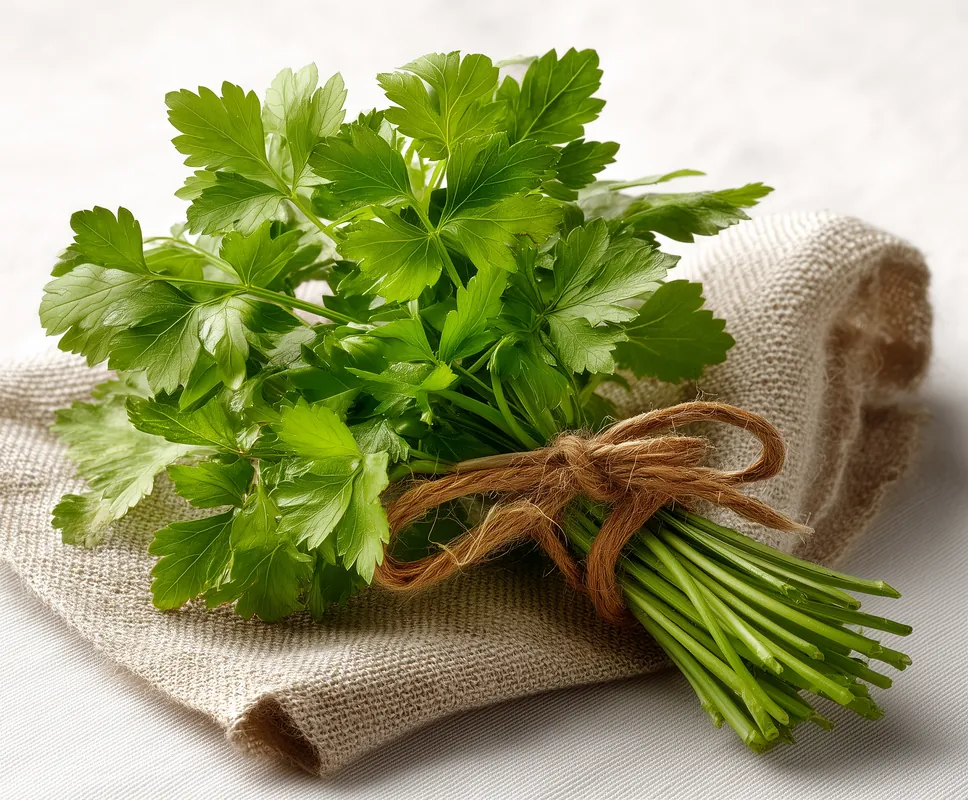
Overview
Cilantro (coriander leaves) provides polyphenols and culinary antioxidants in an herb matrix with very low energy density [1]. Food-derived phenolics from herbs and vegetables modulate gut microbiota and neurotransmitter-related pathways [2].
Within the BRAIN Diet framework, cilantro is a flavour and polyphenol herb used fresh as a garnish rather than for bulk nutrient intake [1,2].
Key Nutritional Highlights
- Fresh herb polyphenols at negligible calorie contribution [1].
- Culinary garnish increasing phytochemical diversity [2].
- Fat-soluble flavour compounds released in oily dressings.
- Genetic taste variation (soapiness) affects palatability, not nutrient profile.
Food Context
Synergies
- Part of diverse herb intake
Preparation
- Can be used fresh or as garnish
- Similar uses to parsley
- Supports diverse plant food strategy
Recipes
2 recipes containing this food
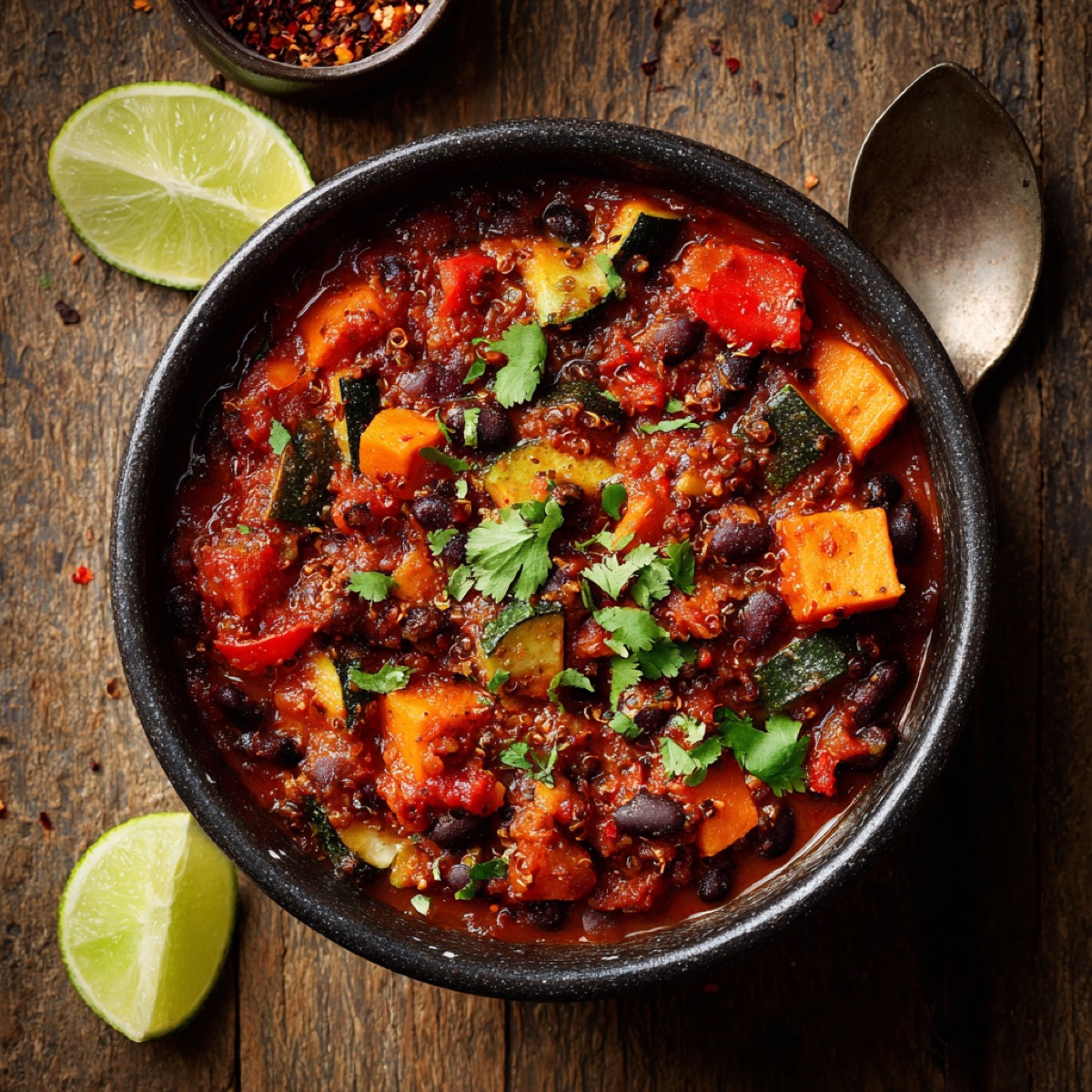
Black Bean & Sweet Potato Vegetable Chilli
A fibre-rich bean and vegetable chilli with warming spices and slow carbohydrates for steady energy and satiety.
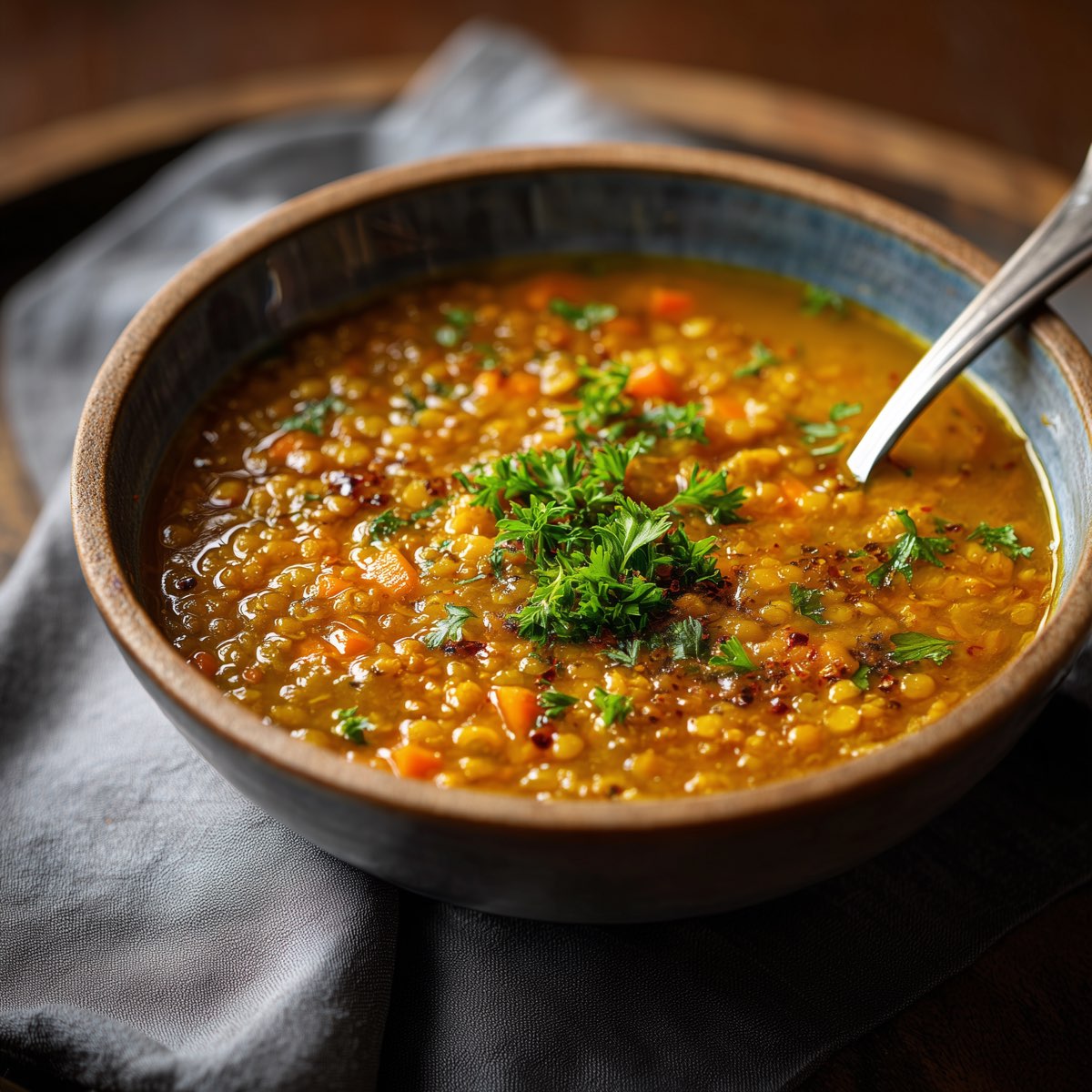
Turmeric Lentil Dahl
Turmeric- and ginger-spiced lentil dish rich in fibre, folate, and polyphenols
Nutrient Tables (per 100 g)
Selected food and preparation: Coriander (cilantro) leaves, raw. per 100 g edible portion.
Core nutrients
| Nutrient | Amount per 100 g | % reference intake per 100 g |
|---|---|---|
| Energy | 23 kcal | — |
| Protein | 2.1 g | — |
| Total fat | 0.5 g | — |
| Saturated fat | 0 g | — |
| Carbohydrates | 3.7 g | — |
| Sugars | 0.9 g | — |
| Fibre | 2.8 g | — |
Key vitamins and minerals
Vitamins and minerals supplying at least 10% of an adult reference intake per 100 g, derived from the composition panel.
| Nutrient | Amount per 100 g | % reference intake per 100 g |
|---|---|---|
| Manganese | 0.4 mg | 18.5% |
| Potassium | 521 mg | 15.3% |
| Copper | 0.2 mg | 25% |
| Folate | 62 µg | 15.5% |
| Vitamin B6 | 0.1 mg | 11.5% |
| Vitamin B2 | 0.2 mg | 12.5% |
| Vitamin B5 | 0.6 mg | 11.4% |
| Vitamin C | 27 mg | 30% |
| Vitamin A | 337 µg | 37.4% |
| Vitamin E | 2.5 mg | 16.7% |
| Vitamin K | 310 µg | 258.3% |
Substances
References
[1] Fresh herb polyphenols at negligible calorie contribution. de Oliveira & Chávez 2022. Parsley (Petroselinum crispum Mill.): A source of bioactive compounds as a domestic strategy to minimize cholesterol oxidation during the thermal preparation of omelets
[2] Culinary garnish increasing phytochemical diversity. Yeo et al. 2023. Influence of food-derived bioactives on gut microbiota compositions and their metabolites by focusing on neurotransmitters