Inflammation & Oxidative Stress
Immune/redox regulation layer — cellular protection, repair processes, inflammatory signalling tone.
Overview
Chronic inflammation and oxidative stress are treated here as one interconnected system: inflammatory and oxidative pathways reinforce each other and are targeted together by the BRAIN Diet. Chronic inflammation is a biological dysfunction that contributes to cognitive, emotional, and behavioral dysregulation in ADHD and other neurodevelopmental conditions. Neurodevelopmental disorders such as ADHD, ASD, and bipolar disorder, and neurodegenerative conditions like Alzheimer's and Parkinson's disease, share overlapping biological dysfunctions, including chronic inflammation, oxidative stress, impaired methylation, gut–brain axis disruption, glucose dysregulation, micronutrient deficiencies, and neurotransmitter imbalances. The BRAIN Diet targets inflammatory and oxidative pathways together through anti-inflammatory nutrients, antioxidant networks, gut barrier support, and strategies to reduce inflammatory and oxidative load (paper.txt, lines 132, 505). For more detail on oxidative stress mechanisms and antioxidant strategies, see Oxidative Stress.
Recipes
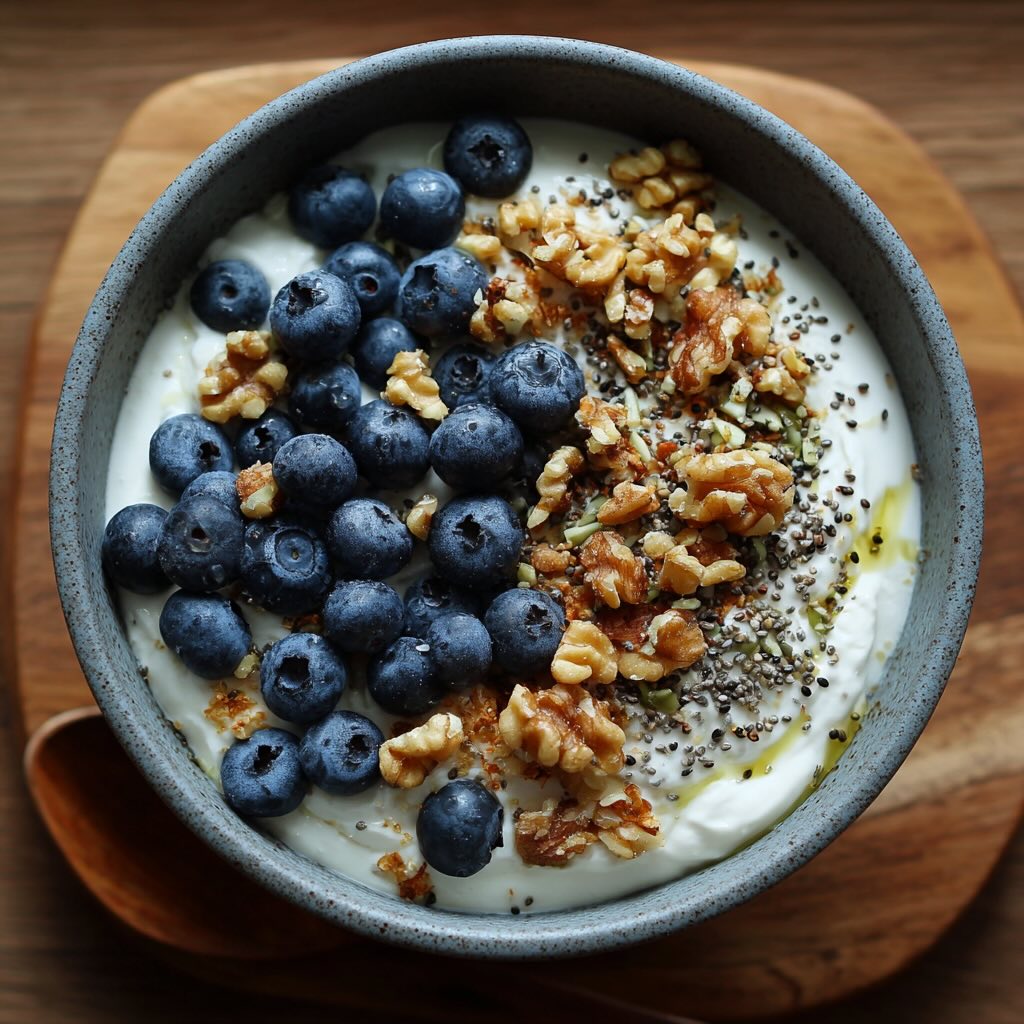
Ginger Yogurt and Blueberries
A polyphenol-rich breakfast bowl with high fibre, combining ginger, omega-3 nuts, blueberry polyphenols, and probiotic yogurt.
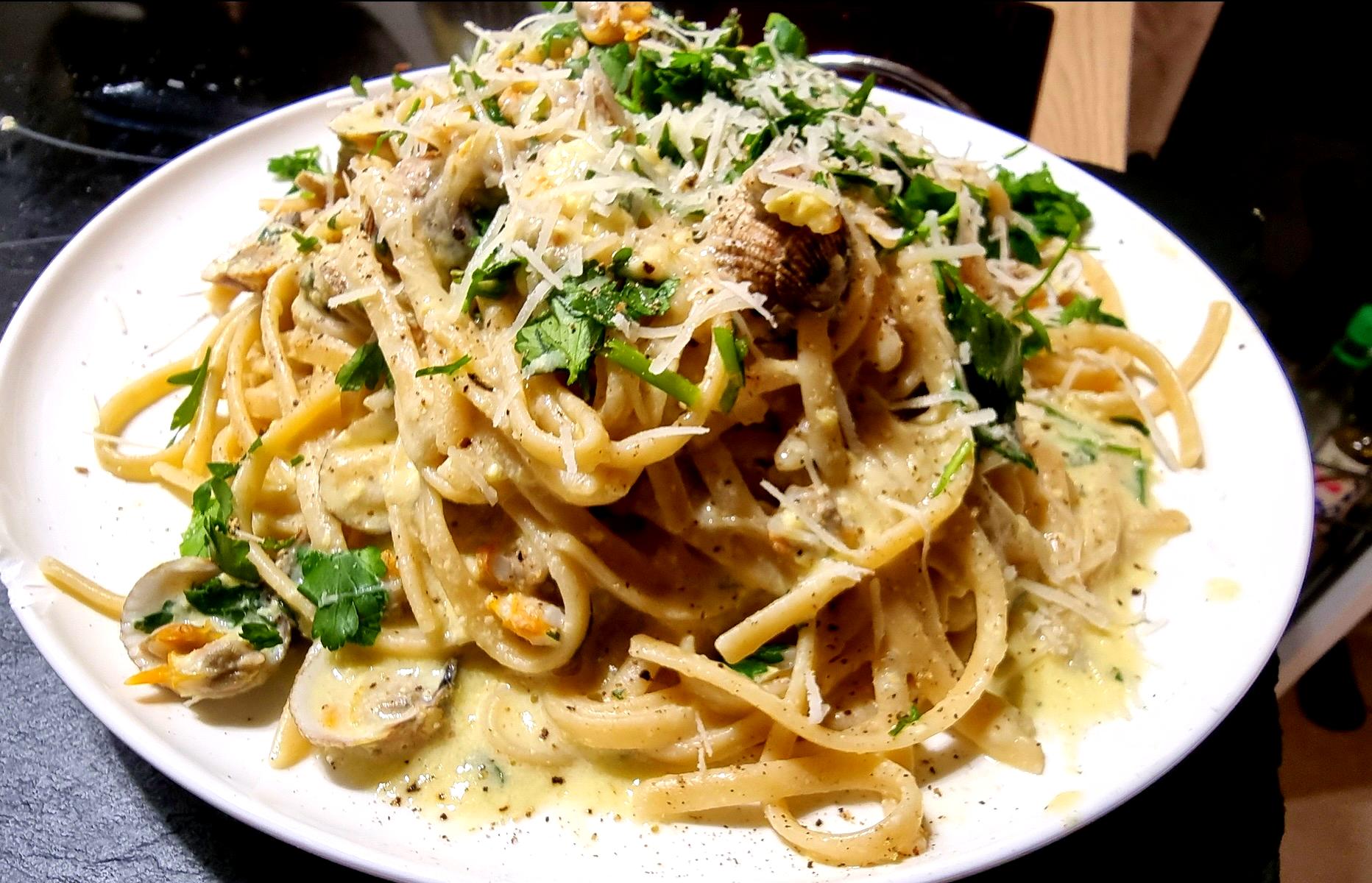
Linguine alle vongole mantecate (Linguine with cockles in a silky emulsified sauce)
Whole-wheat linguine with cockles in a silky emulsified sauce; Italian emulsification technique without cream, supporting taurine, B12, and choline intake.
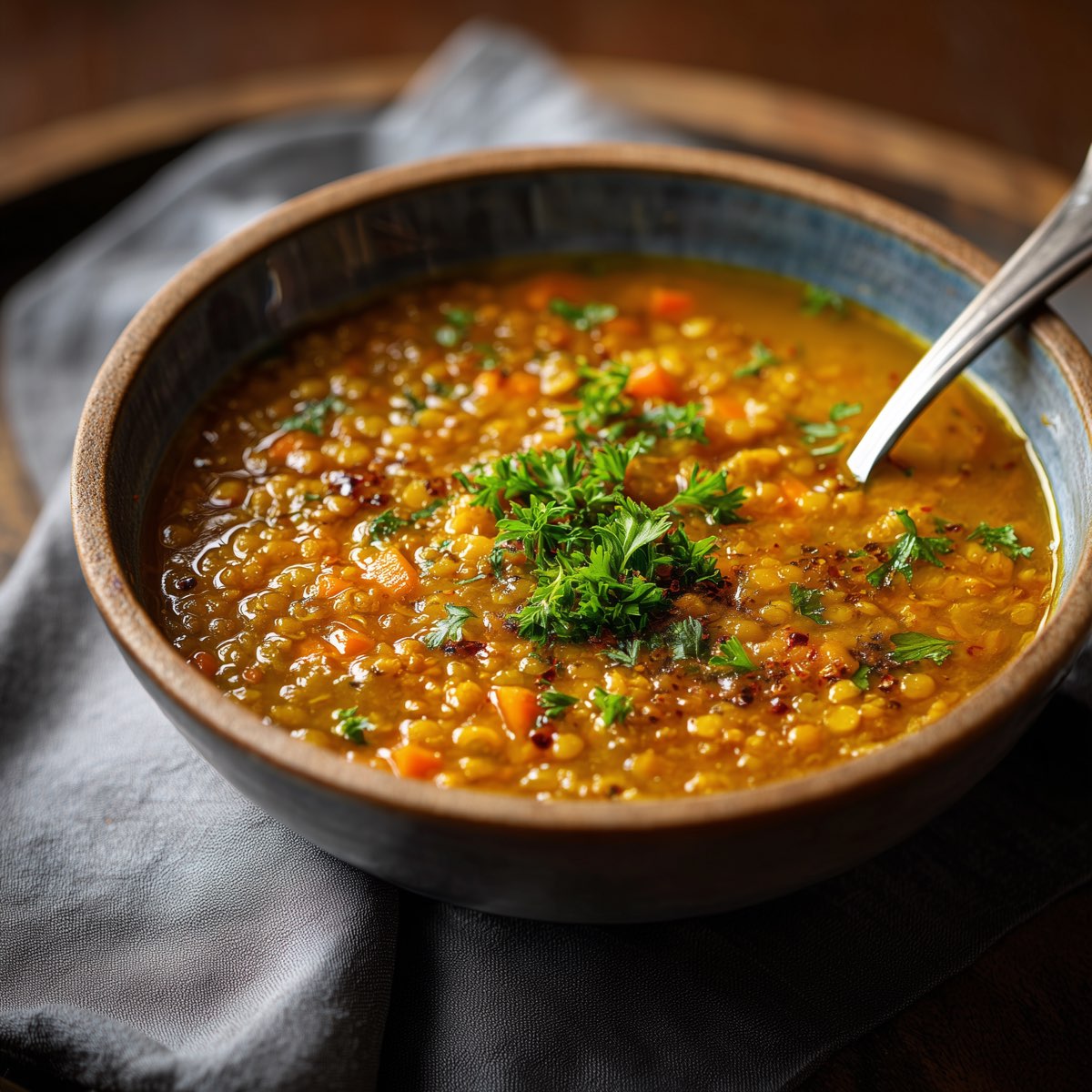
Turmeric Lentil Dahl
Turmeric- and ginger-spiced lentil dish rich in fibre, folate, and polyphenols
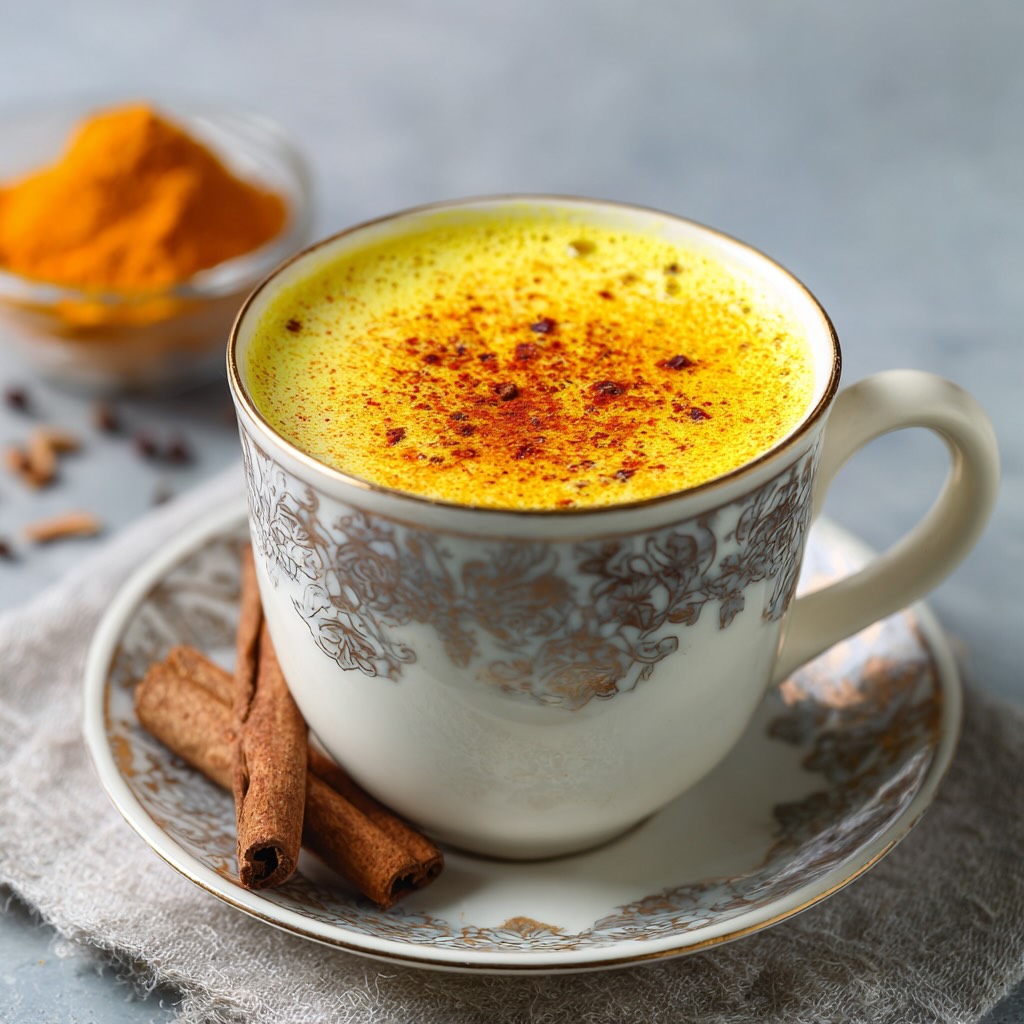
Turmeric Milk
A warming drink combining turmeric (curcumin) with milk/fat for enhanced curcumin absorption
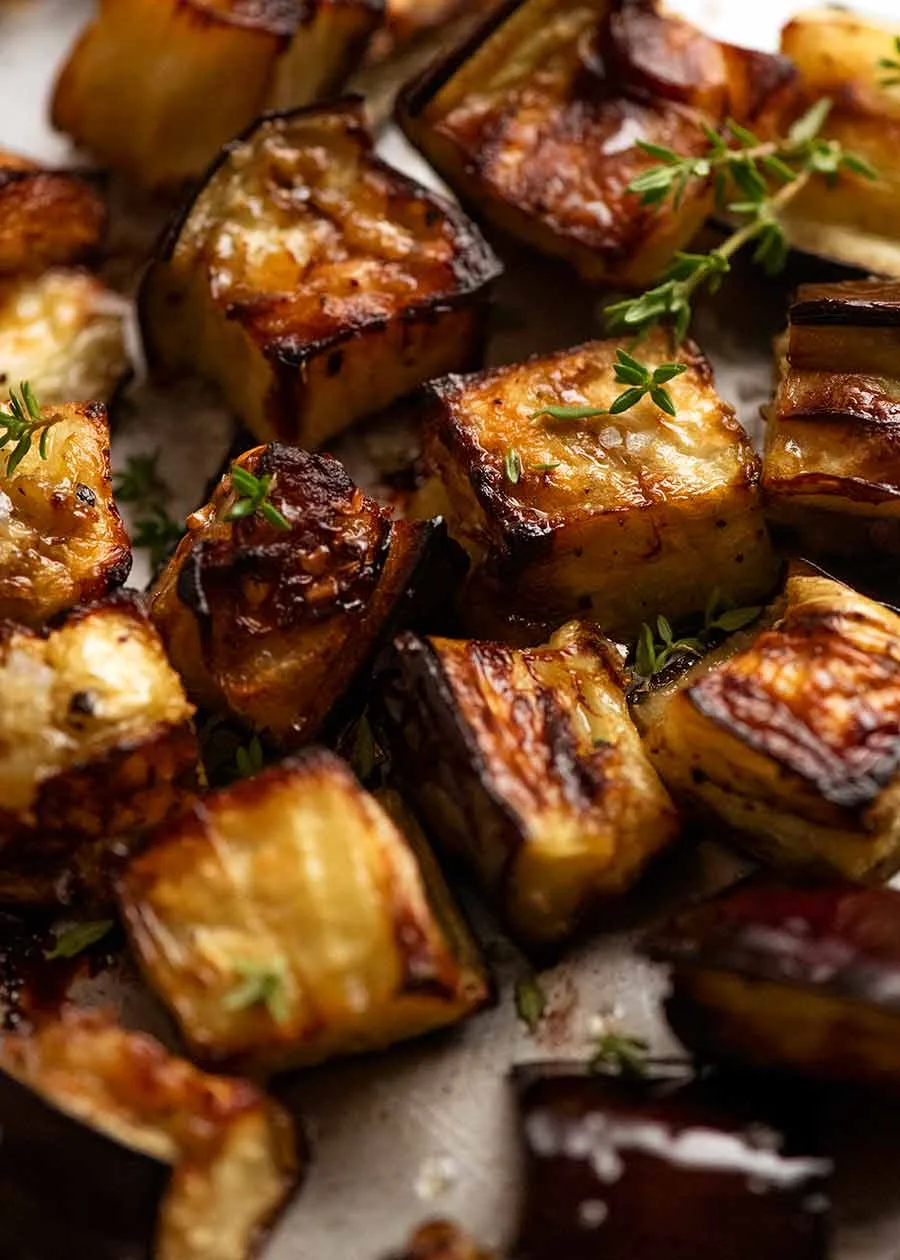
Roasted Aubergine with Herb Olive Oil
Soft roasted aubergine finished with a late-added herb oil of rosemary, thyme, chilli flakes and olive oil, served with a light balsamic drizzle.
Therapeutic Areas

ADHD
Dietary strategies targeting inflammation, neurochemical balance, mitochondrial function, and gut-brain axis to support attention, focus, and executive function
Alzheimer's Disease
Dietary interventions targeting mitochondrial function, oxidative stress, inflammation, and neurochemical balance to slow cognitive decline and support neuroprotection
Anxiety & GAD
Nutritional strategies targeting HPA axis regulation, stress response, neurochemical balance, and gut-brain communication to reduce anxiety and support emotional regulation
Bipolar Disorder
Nutritional approaches to support mood stability and cognitive function through modulation of neurotransmitter balance, mitochondrial health, and inflammatory pathways
Depression & MDD
Food-first dietary interventions targeting neurochemical balance, inflammation, gut-brain axis, and metabolic health to support mood regulation and emotional resilience
Substances
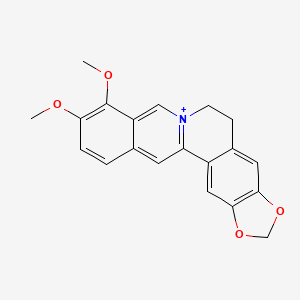
Berberine
Polyphenolic alkaloid; glycemic control; antimicrobial effects; microbiome modulation

Beta-Glucans
Polysaccharides with immune-modulating properties found in mushrooms and other foods
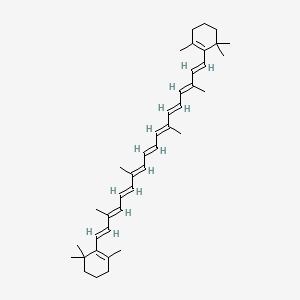
β-Carotene
Neuroprotective carotenoid; vitamin A precursor; supports immune regulation and neuronal development
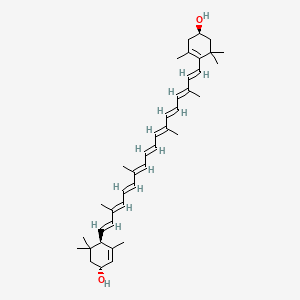
Lutein
Neuroprotective carotenoid; accumulates in neural tissues and retina; supports cognitive performance
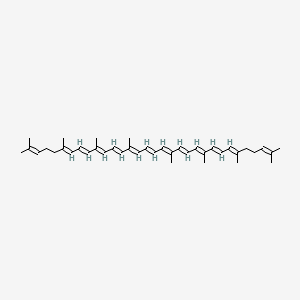
Lycopene
Neuroprotective carotenoid; found in tomatoes; absorption enhanced by cooking and dietary fat
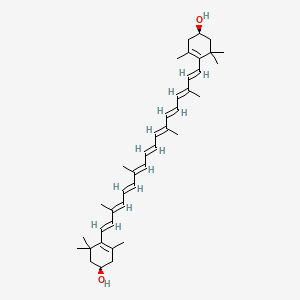
Zeaxanthin
Neuroprotective carotenoid; accumulates in neural tissues and retina; supports cognitive performance
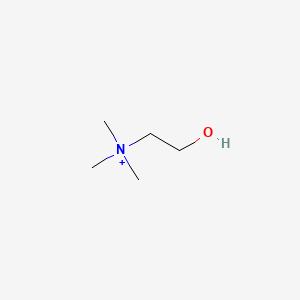
Choline
Acetylcholine precursor; methyl donor; phospholipid synthesis for membranes
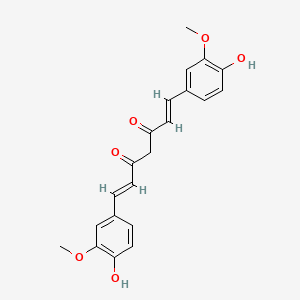
Curcumin (Turmeric)
Anti-inflammatory, antioxidant; bioavailability enhanced with piperine and fats
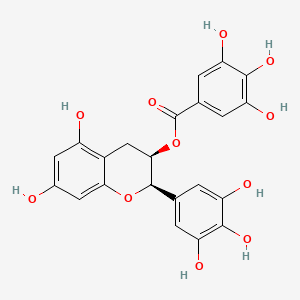
EGCG (Green Tea Catechin)
Polyphenol; antioxidant; gut barrier/LPS modulation; supports microbiome
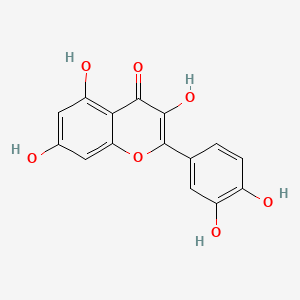
Quercetin (and Isoquercetin)
Polyphenol; antioxidant; mitochondrial support; bioavailability improved with vitamin C
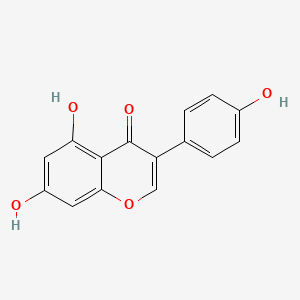
Genistein
Soy isoflavone; ECS modulation via FAAH inhibition; anti-inflammatory/neuroprotective
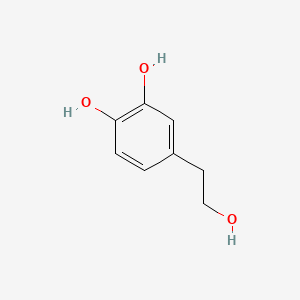
Hydroxytyrosol (Olive Polyphenol)
Potent antioxidant polyphenol from extra-virgin olive oil; anti-inflammatory
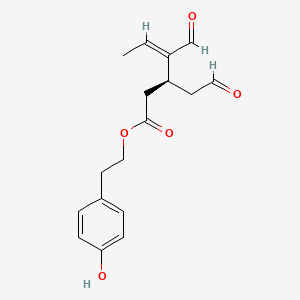
Oleocanthal
Secoiridoid polyphenol in extra-virgin olive oil; NF-κB inhibition and anti-inflammatory effects
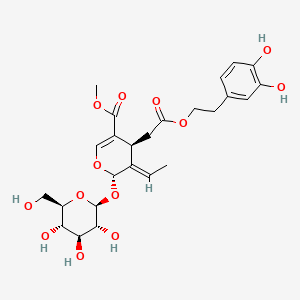
Oleuropein
Major secoiridoid polyphenol in olive oil; oleuropein aglycone supports mitophagy, SIRT1, and AMPK activation
Polysaccharides
Complex carbohydrates with immune-modulating and gut microbiome supporting properties
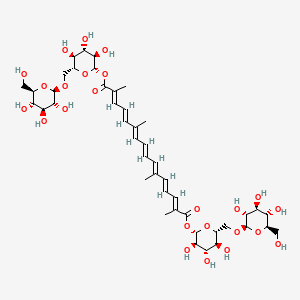
Saffron (Crocin, Safranal)
Mood and cognition support; sensitive to heat/light; culinary-first use
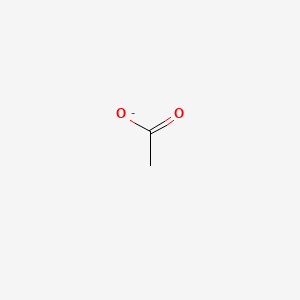
Acetate
Most abundant SCFA supporting gut barrier integrity and immune regulation
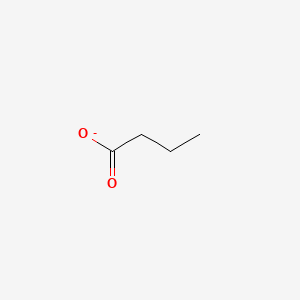
Butyrate
Key SCFA supporting mitochondrial function, gut barrier integrity, and neuroinflammation reduction
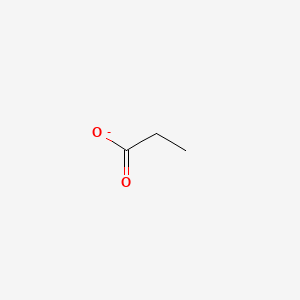
Propionate
SCFA supporting neuroinflammation reduction, blood-brain barrier protection, and neurotransmitter regulation

Short-Chain Fatty Acids (SCFAs)
Microbial metabolites supporting gut barrier, immune tone, and brain function
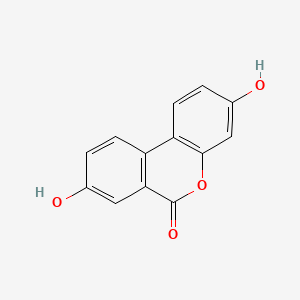
Urolithin A
Microbiome-derived metabolite from ellagitannins; supports mitochondrial resilience and mitophagy
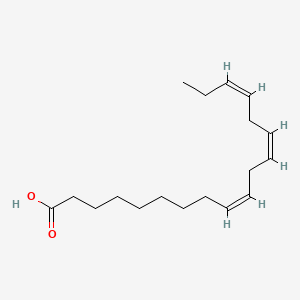
ALA (Alpha-Linolenic Acid)
Essential omega-3 precursor; limited conversion to DHA/EPA
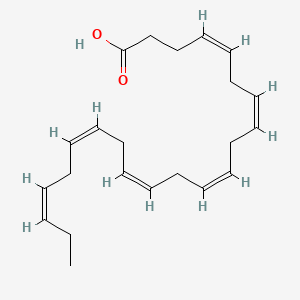
DHA (Docosahexaenoic Acid)
Accounts for ~10–15% of total brain fatty acids, 20–30% of neuronal phospholipids (PE, PS), and >90% of brain omega-3 PUFA; critical for membrane fluidity, synaptic vesicle fusion, neurodevelopment
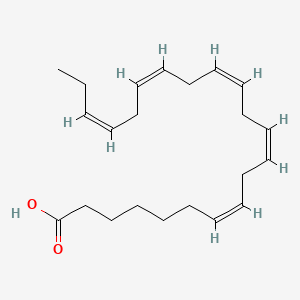
DPA (Docosapentaenoic Acid)
The "intermediate" between EPA ↔ DHA; important in vascular health, repair, and immune modulation
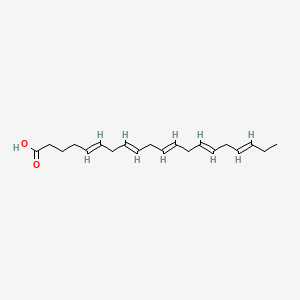
EPA (Eicosapentaenoic Acid)
Potent anti-inflammatory; precursor to E-series resolvins; modulates dopamine and serotonin signalling

Omega-3 Fatty Acids
(EPA, DHA) Anti-inflammatory, membrane, and neuromodulatory lipids central to BRAIN Diet
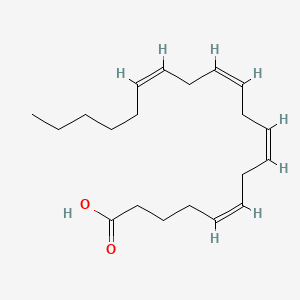
Arachidonic Acid (AA, n-6)
Omega-6 PUFA; eicosanoid precursor; balance with omega-3s
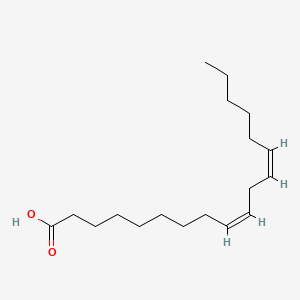
Linoleic Acid (LA, n-6)
Essential omega-6; precursor to arachidonic acid and eicosanoids

Copper
Cofactor in redox enzymes; dopamine β-hydroxylase; iron metabolism interplay

Zinc
Cofactor in neurotransmission and antioxidant enzymes; dopamine modulation
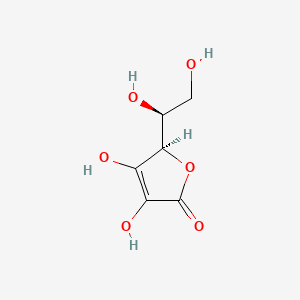
Vitamin C (Ascorbate)
Antioxidant; supports iron absorption; neuronal SVCT2 transport
Biological Implications
Neuroinflammation Mechanisms
High levels of ROS can cause astrocytes and microglia to become activated; reactive astrocytes can release pro-inflammatory cytokines (e.g., ADHD associated biomarkers IL-6, IL-1β, TNF-α), exacerbating inflammation and neuronal damage creating a vicious cycle. This vicious circle may increase the risk of ADHD pathogenesis (paper.txt, lines 735-736).
Gut-Brain Axis and Inflammation
The gut barrier is the dynamic interface between the microbiome, immune system, and brain. Its integrity is critical: when the barrier weakens, bacterial fragments such as lipopolysaccharide (LPS, a bacterial endotoxin) and dietary antigens enter circulation, sustaining chronic low-grade inflammation and altering neurotransmitter metabolism. These processes are strongly correlated with poor cognitive function, fatigue, mood instability, and ADHD symptom severity (paper.txt, line 505).
Diets rich in probiotics, prebiotics, and fibre (which help produce short-chain fatty acids like butyrate, propionate and lactate) can enhance gut health. Furthermore, a decreased microbial diversity (alpha diversity) has also been reported in ADHD and may contribute to 'leaky gut' syndrome and contribute to the low-grade systemic inflammation reported in ADHD (paper.txt, line 521).
Butyrate and Neuroinflammation Reduction
Butyrate has anti-inflammatory effects, potentially reducing neuroinflammation associated with ADHD. Butyrate supports mitochondrial function, enhancing brain energy metabolism, which may help with cognitive impairments seen in ADHD while also aiding in reducing cholesterol and neuroinflammation (paper.txt, lines 525-526).
Propionate research suggests that increased propionate levels could help reduce neuroinflammation and enhance cognitive function while protecting the blood-brain barrier and stimulate the secretion of norepinephrine, possibly benefiting ADHD symptoms like attention and focus (paper.txt, line 527).
Omega-3 Fatty Acids and Inflammation Resolution
In a controlled endotoxemia model, high-dose EPA+DHA (3.6 g/day) attenuated fever and downstream cytokines (IL-6, IL-10), even though TNF-α remained unchanged, suggesting that omega-3s reshape the resolution phase of acute inflammation rather than block its initiation. The endotoxemia model is discussed as an analogue of postprandial inflammation, which is highly relevant as ADHD is associated with metabolic disorders, and specifically linked to postprandial inflammation (paper.txt, line 462).
Specialized pro-resolving mediators (SPMs), derived from omega-3s (DHA and EPA), play an active role in terminating inflammation without suppressing immune surveillance. These include resolvins, protectins, and maresins, which exert effects such as inhibition of neutrophil infiltration, downregulation of COX-2, and enhancement of macrophage-mediated clearance of cellular debris. Moreover, SPMs modulate endothelial function through nitric oxide release and support neuroprotection by limiting glutamate-induced excitotoxicity and promoting regulatory T-cell differentiation (paper.txt, line 460).
Postprandial Inflammation
ADHD is associated with metabolic disorders, and specifically linked to postprandial inflammation. This postprandial inflammation is relevant to the endotoxemia model, where omega-3s reshape the resolution phase of acute inflammation (paper.txt, line 462).
Immune Dysfunction and Allergies
There are many scientific findings supporting dietary antioxidant treatment of ADHD which accounted for substantial alterations in the immune system, epigenetic regulation of gene expression, and oxidative stress regulation in ADHD and also how immune dysfunction results in increased IgE levels and allergies, another link between ADHD (paper.txt, line 632).
Polyphenols and Anti-Inflammatory Effects
Quercetin has antioxidant, anti-inflammatory, and anti-neuroinflammatory and neuroprotective properties. Quercetin bound to a sugar molecule forming quercitrin has anti-inflammatory and anti-oxidative effects may be augmented by the co-ingestion of N-3 polyunsaturated fatty acids and olive oil (paper.txt, line 675).
Genistein, a soy-derived isoflavonoid, has shown potential as a modulator of several biochemical pathways, including the endocannabinoid system and neuroinflammation, potentially enhancing the activity of certain endocannabinoids like anandamide (paper.txt, line 677).
Carotenoids, particularly lutein, zeaxanthin, and β-carotene, play a neuroprotective role through their antioxidant and anti-inflammatory properties. These fat-soluble pigments accumulate selectively in neural tissues, including the retina and brain, where they help scavenge reactive oxygen species and stabilize cell membranes (paper.txt, line 647).
Integration with Other Systems
The BRAIN Diet targets inflammatory pathways by combining polyphenol-dense foods, omega-3s, and gut-supportive nutrients to reduce inflammatory load. Dietary polyphenols, prebiotic fibres, and lactobacilli strains have been shown to reduce LPS translocation and neutralize its inflammatory signaling, underscoring the microbiome's role in inflammation control (paper.txt, line 789).
References
- High levels of ROS cause astrocytes and microglia activation, releasing pro-inflammatory cytokines (IL-6, IL-1β, TNF-α) associated with ADHD Chang et al. 2020
- The gut barrier is the dynamic interface between the microbiome, immune system, and brain. When the barrier weakens, bacterial fragments such as lipopolysaccharide (LPS) enter circulation, sustaining chronic low-grade inflammation Mohammad and Thiemermann 2021
- A decreased microbial diversity (alpha diversity) has also been reported in ADHD Prehn-Kristensen et al. 2018
- Butyrate has anti-inflammatory effects, potentially reducing neuroinflammation associated with ADHD Yunting Li et al. 2024
- Butyrate aids in reducing cholesterol and neuroinflammation Cavaliere et al. 2022
- Increased propionate levels could help reduce neuroinflammation and enhance cognitive function while protecting the blood-brain barrier Grüter et al. 2023
- Propionate can stimulate the secretion of norepinephrine, possibly benefiting ADHD symptoms like attention and focus Hoyles et al. 2018
- In a controlled endotoxemia model, high-dose EPA+DHA (3.6 g/day) attenuated fever and downstream cytokines (IL-6, IL-10), suggesting that omega-3s reshape the resolution phase of acute inflammation rather than block its initiation Ferguson et al. 2014
- ADHD is associated with metabolic disorders, and specifically linked to postprandial inflammation Brown et al. 2025
- Specialized pro-resolving mediators (SPMs), derived from omega-3s (DHA and EPA), play an active role in terminating inflammation without suppressing immune surveillance Serhan and Petasis 2011
- Immune dysfunction results in increased IgE levels and allergies, another link between ADHD Wesselink et al. 2019
- Quercetin has antioxidant, anti-inflammatory, and anti-neuroinflammatory and neuroprotective properties Tongjaroenbuangam et al. 2011
- Quercetin bound to a sugar molecule forming quercitrin has anti-inflammatory and anti-oxidative effects that may be augmented by the co-ingestion of N-3 polyunsaturated fatty acids and olive oil Camuesco et al. 2006
- Genistein has shown potential as a modulator of several biochemical pathways, including the endocannabinoid system and neuroinflammation Fuloria et al. 2022
- Carotenoids play a neuroprotective role through their antioxidant and anti-inflammatory properties Johnson 2014