Lion's Mane Mushroom

Overview
Lion's Mane mushroom (Hericium erinaceus) is a medicinal mushroom traditionally used in East Asian medicine. It contains bioactive compounds including hericenones and erinacines, which have been studied for their potential effects on nerve growth factor (NGF) pathways and neuroprotective mechanisms.
Within the BRAIN Diet framework, while preclinical research suggests potential benefits for nerve health and neuroprotective pathways, clinical evidence for cognitive improvements in humans remains limited and requires further investigation. Lion's Mane is also valued for its culinary properties and contains polysaccharides that may support immune function.
Food Context
Sourcing
- Store fresh mushrooms in the refrigerator; dried mushrooms should be stored in a cool, dry place
Preparation
- Can be consumed fresh, dried, or as an extract
- Fresh Lion's Mane has a seafood-like texture and mild flavor, suitable for cooking
- Extracts may provide more concentrated bioactive compounds
- Rehydrate dried mushrooms before cooking
Recipes
Nutrient Tables (per 100 g)
Selected food and preparation: Mushroom, lion's mane. per 100 g edible portion.
Core nutrients
| Nutrient | Amount per 100 g | % reference intake per 100 g |
|---|---|---|
| Energy | 35.1 kcal | — |
| Protein | 2.5 g | — |
| Total fat | 0.3 g | — |
| Carbohydrates | 7.6 g | — |
| Fibre | 4.4 g | — |
Key vitamins and minerals
Vitamins and minerals supplying at least 10% of an adult reference intake per 100 g, derived from the composition panel.
| Nutrient | Amount per 100 g | % reference intake per 100 g |
|---|---|---|
| Potassium | 443.3 mg | 13% |
Bioactive compounds
| Compound / class | Amount per 100 g | Notes |
|---|---|---|
| Polysaccharides | Present [3] | Hericium erinaceus fruiting bodies |
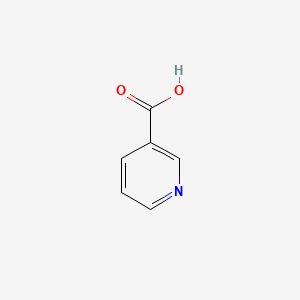
| Vitamin B3 | Present [4] | Hericium erinaceus fruiting body |
- Polysaccharides: Reported in Hericium erinaceus fruiting bodies. [3]
- Vitamin B3: Reported in Hericium erinaceus fruiting body. [4]
Technical provenance
Polysaccharides: Unveiling the Chemical Composition and Biofunctionality of Hericium spp. Fungi (2024). Review identifies polysaccharides isolated from H. erinaceus fruiting bodies, independently of mycelium-only compounds. [3]
Vitamin B3: Edible mushrooms for improved human health, food security and environmental sustainability: A critical review (2025). Composition table explicitly identifies niacin (B3) in Hericium erinaceus; no total B-vitamins inference or per-protein value used. [4]
Substances
2 substances in this food

References
[1] Mushrooms including lion's mane supply beta-glucans and fungal polysaccharides studied for immune and gut effects. Starck et al. 2024. Mushrooms: a food-based solution to vitamin D deficiency to include in dietary guidelines
[2] Dietary bioactives from fungi may interact with gut microbiota composition. Yeo et al. 2023. Influence of food-derived bioactives on gut microbiota compositions and their metabolites by focusing on neurotransmitters
[3] Unveiling the Chemical Composition and Biofunctionality of Hericium spp. Fungi (2024)