β-Carotene
Overview
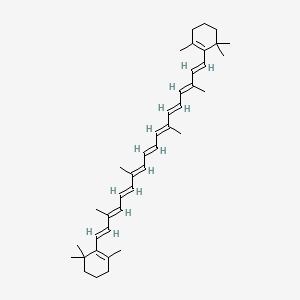
Beta-carotene is a carotenoid pigment found in many orange, yellow, and dark green plant foods. It serves as a precursor to vitamin A, which is essential for vision, immune function, and neuronal development. Beta-carotene functions as a potent antioxidant, scavenging reactive oxygen species and helping stabilize cell membranes. It also exhibits anti-inflammatory properties and supports immune regulation. The absorption of beta-carotene and other carotenoids is significantly enhanced when consumed with dietary fats, making food pairing important for maximizing bioavailability.
Recipes
Foods
Biological Mechanisms and Implications
No substance found with tag: Beta-Carotene
References
- Carotenoids, particularly lutein, zeaxanthin, and β-carotene, play a neuroprotective role through their antioxidant and anti-inflammatory properties Johnson 2014
- The bioaccessibility of carotenoids in vegetables is remarkably low—only 1-3% of the β-carotene in raw carrots is accessible for absorption Fielding et al. 2005
- Co-consuming a small amount of unsaturated fat with polyphenol-rich foods improves micelle formation and chylomicron packaging, increasing carotenoid absorption Kindel et al. 2010 Brown et al. 2004
- Carotenoids are abundant in leafy greens, orange and yellow vegetables, corn, and egg yolks; their absorption is enhanced by dietary fat