Oats

Overview
Oats provide beta-glucan fibre, B vitamins, and minerals, including magnesium, iron and folate. They are a practical grain for porridge, baking and meals built around slow-release carbohydrate.
Rolled and quick oats cook into oatmeal. Dry oats are the ingredient weight; a bowl of oatmeal is the cooked food, and the two are not the same portion.
Key Nutritional Highlights
- Beta-glucan: The soluble oat fibre most linked to glycaemic and lipid benefits.
- Minerals: Magnesium, iron and folate in useful amounts for a grain.
- Naturally gluten-free as a grain, though cross-contamination depends on sourcing and processing.
Advanced Nutrition
Amino acids
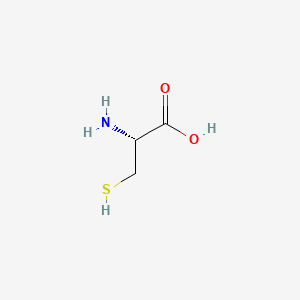
Oats supply cystine, which contributes to cysteine availability. Representative values for cooked oatmeal are 97 mg per 100 g, or about 227 mg in a 234 g cup. Dry oats contain 408 mg per 100 g, about 636 mg in a 156 g cup. The dry figure is an ingredient-weight comparison, not a cooked serving. On that dry weight, oats are a relatively rich cystine source.
Food-composition values are representative, not fixed. Variety, preparation and source can change the amount.
Protein quality
For these dry oats, lysine has the lowest ratio to the 2013 reference pattern for older children, adolescents and adults (uncorrected score about 0.86). Methionine plus cystine is above that pattern (about 1.85), so sulfur amino acids are not the limiting ratio. “Limiting” describes that relative balance. It does not mean the food contains little cystine. The score is composition arithmetic, not a digestibility measurement [1].
A varied diet can provide complementary amino-acid profiles without requiring oats and legumes to be eaten in the same meal [2].
Food Context
Synergies
- Pair with tryptophan-rich proteins for serotonin synthesis; pair tryptophan-rich proteins with moderate carbs to increase Trp:LNAA ratio
- Best consumed in evening for calming effect; timing midday or evening for calming effect
- Lysine is often the lower ratio in grains, and methionine plus cysteine are proportionally slightly lower in legumes. Eating both across the day covers those ratios. The same meal is optional [2]
- Tryptophan + complex carbohydrates aid serotonin conversion to melatonin; examples include pumpkin seeds + oats
Preparation
- Soak overnight to reduce phytates and improve mineral bioavailability
Essential Amino Acid Profile
Oats contribute plant protein. Lysine is the lowest ratio to the 2013 pattern; cystine amounts and that score are under Advanced Nutrition. Oats can be eaten with lysine-rich foods such as lentils across the day [1,2].
Recipes
Nutrient Tables (per 100 g)
Selected food and preparation: Oats (Includes foods for USDA's Food Distribution Program). per 100 g edible portion.
Core nutrients
| Nutrient | Amount per 100 g | % reference intake per 100 g |
|---|---|---|
| Energy | 389 kcal | — |
| Protein | 16.9 g | — |
| Total fat | 6.9 g | — |
| Saturated fat | 1.2 g | — |
| Carbohydrates | 66.3 g | — |
| Fibre | 10.6 g | — |
Key vitamins and minerals
Vitamins and minerals supplying at least 10% of an adult reference intake per 100 g, derived from the composition panel.
| Nutrient | Amount per 100 g | % reference intake per 100 g |
|---|---|---|
| Iron | 4.7 mg | 26.2% |
| Zinc | 4 mg | 36.1% |
| Magnesium | 177 mg | 42.1% |
| Phosphorus | 523 mg | 74.7% |
| Manganese | 4.9 mg | 213.7% |
| Potassium | 429 mg | 12.6% |
| Copper | 0.6 mg | 69.6% |
| Folate | 56 µg | 14% |
| Vitamin B2 | 0.1 mg | 10.7% |
| Vitamin B1 | 0.8 mg | 63.6% |
| Vitamin B5 | 1.3 mg | 27% |
Bioactive compounds
| Compound / class | Amount per 100 g | Notes |
|---|---|---|
| Beta-glucan | 7.5 g | Soluble cereal β-glucan; primary oat fibre fraction linked to lipid and glycaemic endpoints. |
- Beta-glucan: FDC 2346 supports this source-specific measurement. See technical provenance for food form and measurement details.
Technical provenance
Beta-glucan: USDA FoodData Central Foundation food FDC 2346396 (footnote: beta-glucan values corrected in 10/2024 update). Varies by oat type (groats vs rolled vs instant) and processing.
Functional metrics
| Metric | Score | Notes |
|---|---|---|
| Total phenolics (grain matrix) | Varies by cultivar and processing | Avenanthramides and other oat phenolics are not standard USDA panel rows; qualitative only here. |
Note: Functional-metric values depend strongly on assay method, processing, and product formulation. Use these as contextual metrics, not strict like-for-like nutrient equivalents.
Substances
7 substances in this food
Copper
USDA FoodData Central reports copper in Oats (Includes foods for USDA's Food Distribution Program).
Cysteine
Cystine 408 mg per 100 g of dry oats (FDC 169705). Cooked oatmeal is a separate food (FDC 173905, 97 mg per 100 g). Composition only; not a glutathione-synthesis result.
Iron
USDA FoodData Central reports iron in Oats (Includes foods for USDA's Food Distribution Program).
Magnesium
USDA FoodData Central reports magnesium in Oats (Includes foods for USDA's Food Distribution Program).
Vitamin B9 (Folate)
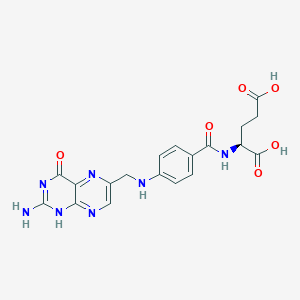
One-carbon metabolism; methylation; homocysteine recycling
Zinc
USDA FoodData Central reports zinc in Oats (Includes foods for USDA's Food Distribution Program).

Beta-Glucans
Polysaccharides with immune-modulating properties found in mushrooms and other foods
References
[1] Food and Agriculture Organization of the United Nations (2013). Dietary Protein Quality Evaluation in Human Nutrition: Report of an FAO Expert Consultation. Scoring pattern for older children, adolescents and adults: lysine 48 mg/g protein and sulfur amino acids 23 mg/g protein. Applied to the dry oats on this page (FDC 169705; 16.89 g protein, 0.701 g lysine, 0.312 g methionine and 0.408 g cystine per 100 g): lysine 41.5 mg/g protein, uncorrected score 0.86; methionine plus cystine 42.6 mg/g protein, uncorrected score 1.85. Lysine is the lowest indispensable ratio on that pattern. Composition arithmetic, not an FAO oat trial and not PDCAAS or DIAAS.
[2] Mariotti and Gardner (2019). Dietary Protein and Amino Acids in Vegetarian Diets—A Review. Lysine is proportionally low in grains, and methionine plus cysteine are proportionally slightly low in legumes. The review treats “complete” and “incomplete” as misleading and finds no requirement to combine complementary proteins in the same meal when intake is varied across the day. Not an oat digestibility trial.
[3] Sean Davies (2018). Oatmeal Effect on N-acyl-phosphatidylethanolamines. Trial registration proposing that one oatmeal meal would raise serum NAPE and NAE. This page does not use it as evidence of an oat effect.