Sunflower Seeds

Overview
Sunflower seeds provide thiamine (B1), vitamin E, and are the source of sunflower lecithin, supporting mitochondrial function and choline intake. Thiamine (B1): Pork, sunflower seeds, salmon, peas, rice, lentils. Thiamine is essential for mitochondrial glucose metabolism in the brain leading to ATP production. Vegans should ensure adequate choline intake (e.g., soy or sunflower lecithin, soy foods, quinoa, broccoli).
Key Nutritional Highlights
- Concentrated dietary thiamine source among commonly consumed seeds.
- High vitamin E content supports lipid-phase antioxidant intake.
- Frequently used as a practical precursor ingredient for sunflower lecithin products.
- Protein remains lysine-limited, so amino-acid balance improves with legumes/grains.
Food Context
Synergies
- Part of diverse seed intake; dietary diversity (≥30 plant foods per week) supports microbial richness and resilience
Preparation
- Can be consumed raw or roasted; gentle roasting preserves nutrients
- Supports mitochondrial function via thiamine; thiamine does not exist in a large brain "reservoir"; the CNS maintains small, tightly regulated intracellular pools that depend on continuous, transporter-mediated supply
- Source of sunflower lecithin for choline support; vegans should ensure adequate choline intake (e.g., soy or sunflower lecithin, soy foods, quinoa, broccoli)
Essential Amino Acid Profile
Sunflower Seeds provide plant protein but are not a complete protein; lysine is typically limiting for nuts and seeds.
Protein pairing strategy:
Pair with legumes or grains to complete essential amino acid coverage.
Recipes
Nutrient Tables (per 100 g)
Selected food and preparation: Seeds, sunflower seed kernels, dried. per 100 g edible portion.
Core nutrients
| Nutrient | Amount per 100 g | % reference intake per 100 g |
|---|---|---|
| Energy | 584 kcal | — |
| Protein | 20.8 g | — |
| Total fat | 51.5 g | — |
| Saturated fat | 4.5 g | — |
| Carbohydrates | 20 g | — |
| Sugars | 2.6 g | — |
| Fibre | 8.6 g | — |
Key vitamins and minerals
Vitamins and minerals supplying at least 10% of an adult reference intake per 100 g, derived from the composition panel.
| Nutrient | Amount per 100 g | % reference intake per 100 g |
|---|---|---|
| Iron | 5.3 mg | 29.2% |
| Zinc | 5 mg | 45.5% |
| Magnesium | 325 mg | 77.4% |
| Phosphorus | 660 mg | 94.3% |
| Manganese | 2 mg | 84.8% |
| Selenium | 53 µg | 96.4% |
| Potassium | 645 mg | 19% |
| Copper | 1.8 mg | 200% |
| Choline | 55.1 mg | 10% |
| Folate | 227 µg | 56.8% |
| Vitamin B6 | 1.3 mg | 103.5% |
| Vitamin B2 | 0.4 mg | 27.3% |
| Vitamin B1 | 1.5 mg | 123.3% |
| Vitamin B3 | 8.3 mg | 52.1% |
| Vitamin B5 | 1.1 mg | 22.6% |
| Vitamin E | 35.2 mg | 234.5% |
Bioactive compounds
Content applies to the food and preparation identified in the source notes.
| Compound / class | Amount per 100 g | Notes |
|---|---|---|
| Linoleic Acid | 23.1 g | — |
| Spermidine | Present — quantity not established | Measured food occurrence; content varies by sample and preparation. |
- Spermidine: Esparza et al. (2021) supports this qualitative constituent record. See technical provenance for food form and measurement details.
Technical provenance
Spermidine: Muñoz-Esparza et al. (2021), §3.1 and Figures 3–5: Sunflower Seeds is identified as a spermidine-containing food. The selected USDA panel does not quantify this analyte. A comparable product-specific per-100 g value is not established here. https://doi.org/10.3390/foods10081752
Substances
9 substances in this food
Copper
USDA FoodData Central reports copper in Seeds, sunflower seed kernels, dried.
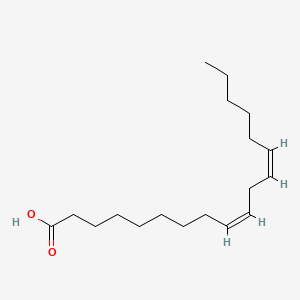
Linoleic Acid (LA, n-6)
USDA FoodData Central reports linoleic acid in Seeds, sunflower seed kernels, dried.
Magnesium
USDA FoodData Central reports magnesium in Seeds, sunflower seed kernels, dried.
Manganese
USDA FoodData Central reports manganese in Seeds, sunflower seed kernels, dried.
Phosphorus (Phosphate)
USDA FoodData Central reports phosphorus in Seeds, sunflower seed kernels, dried.
Selenium
USDA FoodData Central reports selenium in Seeds, sunflower seed kernels, dried.
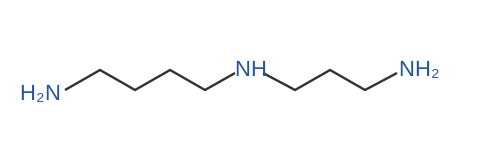
Spermidine
Occurs directly in this food; a product-specific amount is not established.
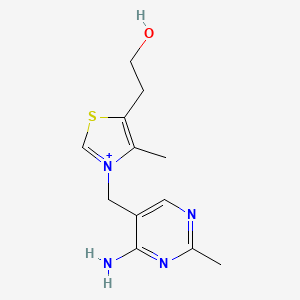
Vitamin B1 (Thiamine)
USDA FoodData Central reports vitamin B1 in Seeds, sunflower seed kernels, dried.
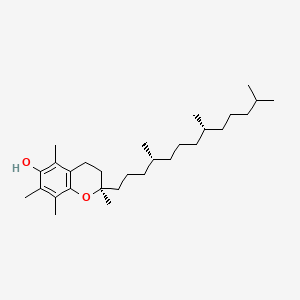
Vitamin E (Tocopherols/Tocotrienols)
USDA FoodData Central reports vitamin E in Seeds, sunflower seed kernels, dried.
References
[1] Dhir et al. (2019). Thiamine physiology and neuro-metabolic relevance. Abstract Enriching brain DHA is believed to be beneficial for the prevention and treatment of several neurological diseases, including Alzheimer’s disease.
[2] Derbyshire & Maes (2023). Choline as a practical nutrient target in dietary patterns
[3] Muñoz-Esparza et al. (2021). Occurrence of Polyamines in Foods and the Influence of Cooking Processes. Analytical evidence for spermidine occurrence; food type and preparation affect composition.