Zinc
Zn2+
Overview
Zinc is an essential trace mineral that plays numerous critical roles in brain function and overall health. It serves as a cofactor for many enzymes involved in DNA synthesis, cell division, and neurotransmitter regulation. Zinc is particularly important for dopamine modulation, acting as an allosteric modulator of GABA receptors and supporting glutamate regulation. It also functions as a cofactor for antioxidant enzymes, working synergistically with other antioxidants to protect cells from oxidative damage. Zinc is essential for immune function and gut barrier integrity, and it plays a role in methylation processes alongside folate and B12. Plant-based zinc sources are less bioavailable due to phytates, but soaking and sprouting can improve absorption.
Dietary absorption and meal context
- Main determinant: Zinc bioavailability is reduced by high-phytate meals, especially unsprouted grains and legumes.
- Processing support: Soaking, sprouting, and fermentation can improve zinc availability from plant foods.
- Form and tolerance: If supplementing, zinc glycinate is often used for tolerability and bioavailability in practice.
- Balance principle: Avoid chronic high-dose zinc without supervision because copper balance can be affected.
Recipes
13 recipes containing this substance
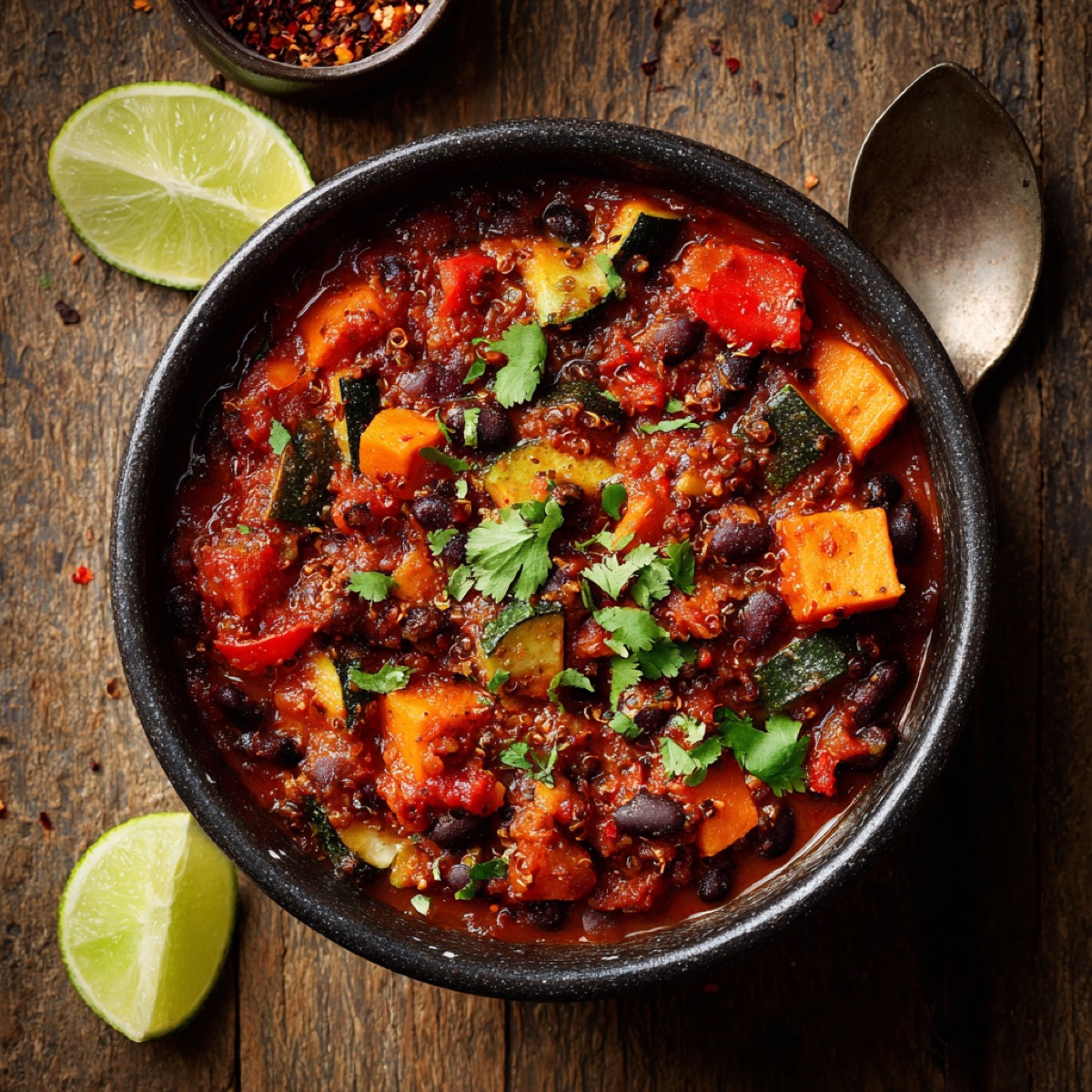
Black Bean & Sweet Potato Vegetable Chilli
A fibre-rich bean and vegetable chilli with warming spices and slow carbohydrates for steady energy and satiety.
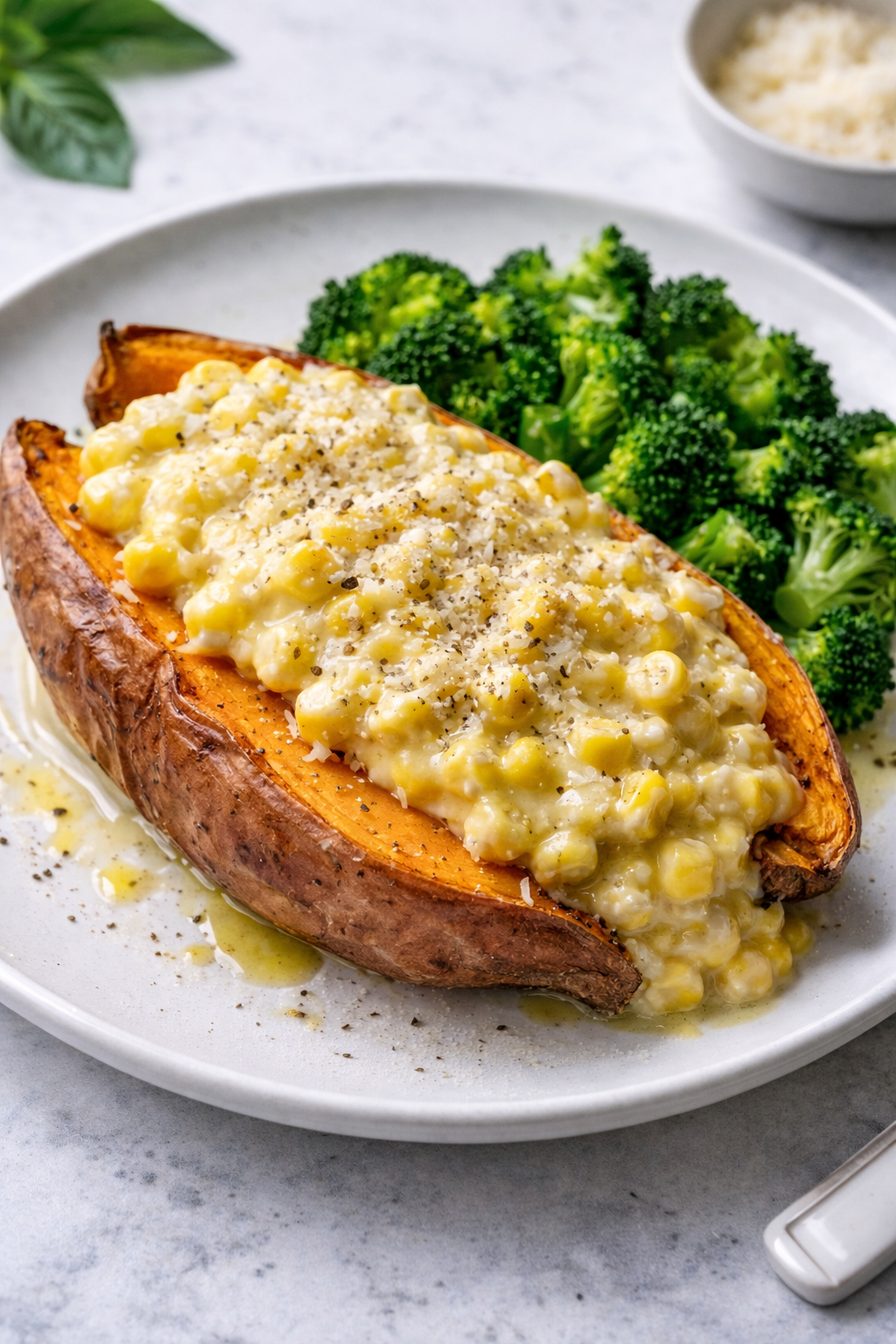
Creamed Corn on Roasted Sweet Potato
Roasted sweet potato with creamed corn and a mixed lipid phase to enhance carotenoid absorption; served with broccoli for fibre and glucosinolates.
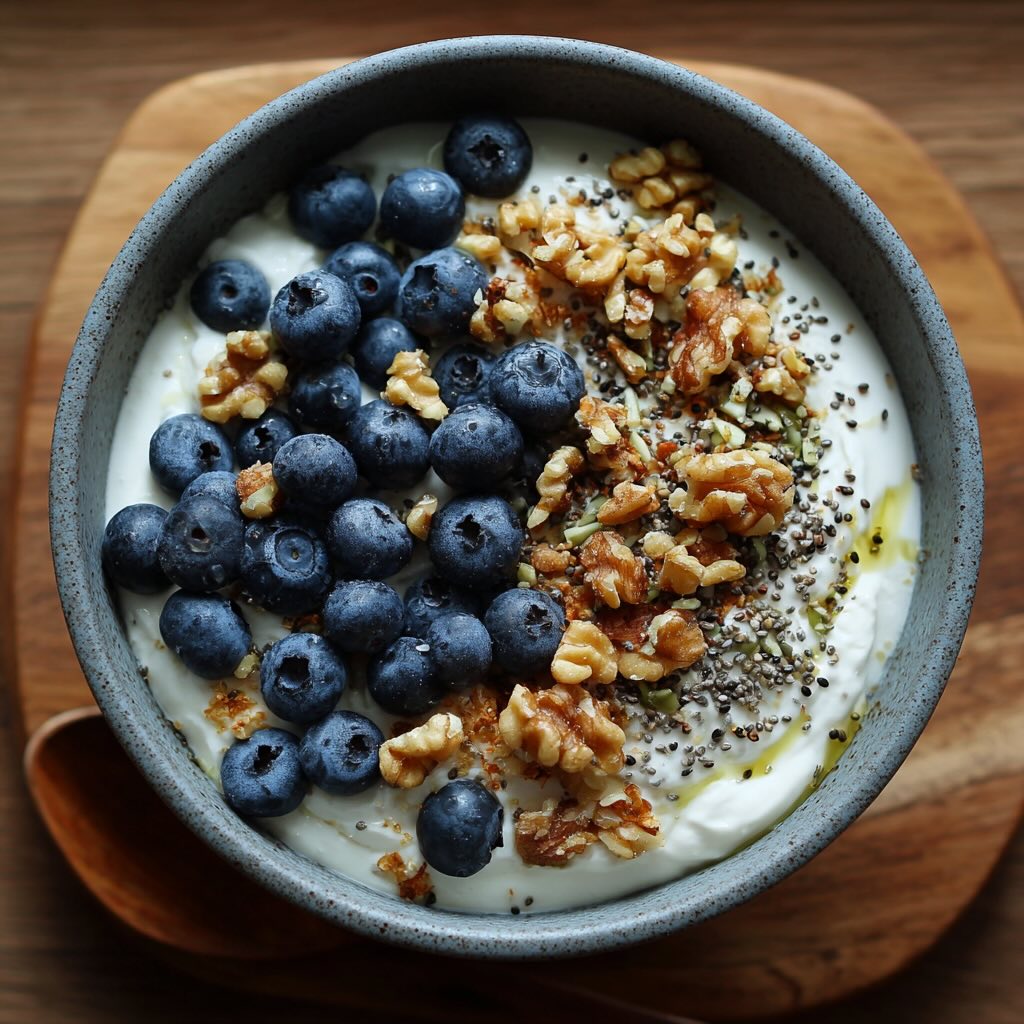
Ginger Yogurt and Blueberries
A polyphenol-rich breakfast bowl with high fibre, combining ginger, omega-3 nuts, blueberry polyphenols, and probiotic yogurt.
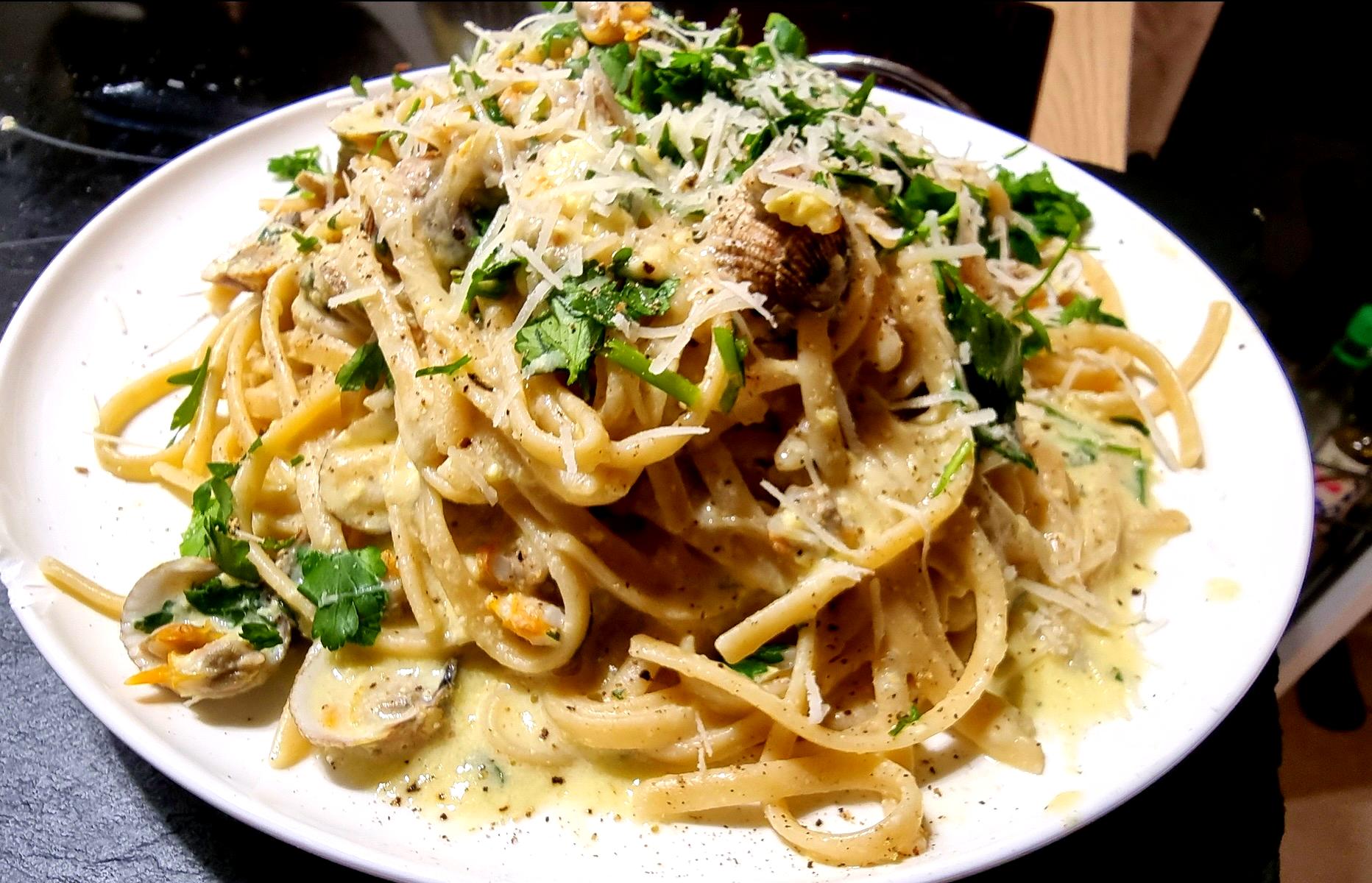
Linguine alle vongole mantecate (Linguine with cockles in a silky emulsified sauce)
Whole-wheat linguine with cockles in a silky emulsified sauce; Italian emulsification technique without cream, supporting taurine, B12, and choline intake.
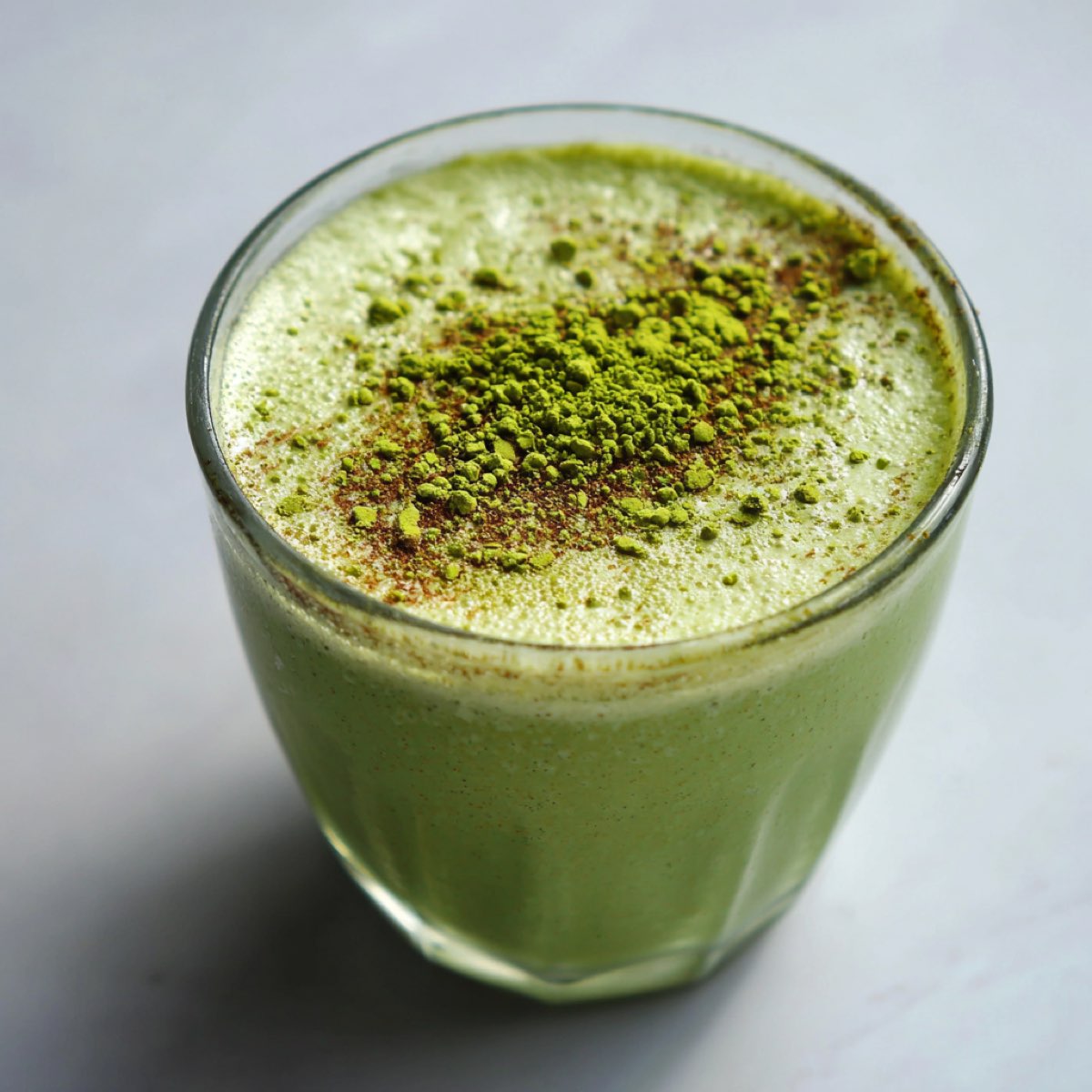
Matcha Mitochondria Smoothie
Mitochondrial energising smoothie rich in polyphenols, magnesium, and antioxidants
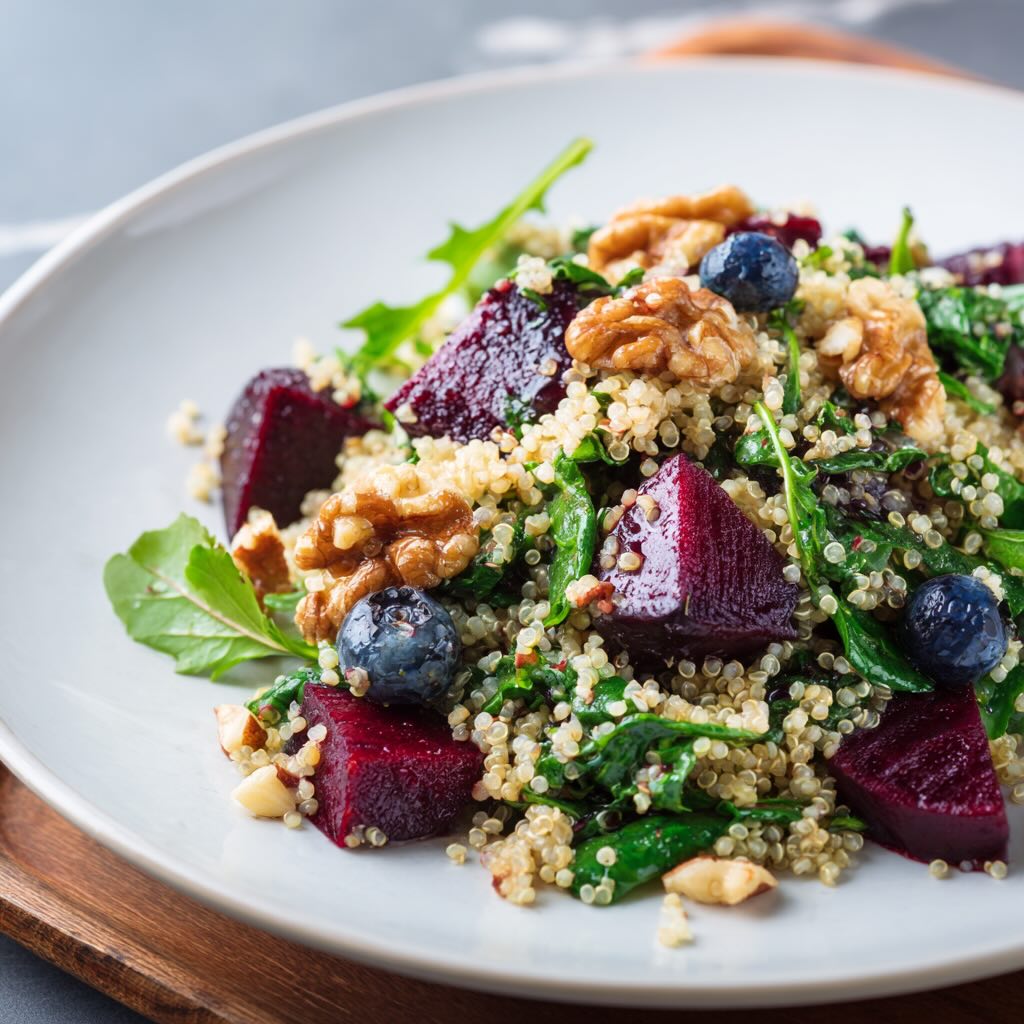
Mitochondrial Power Bowl
A nitrate-rich, polyphenol-dense bowl combining leafy greens, beets, berries, nuts, and early harvest olive oil
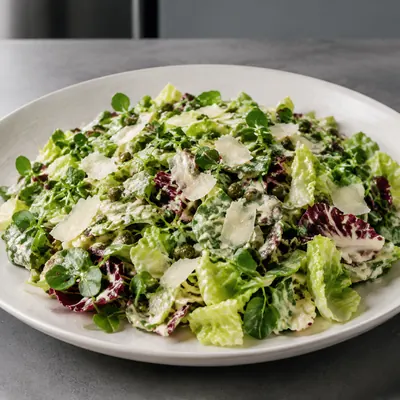
Mixed-Leaf Tahini Caesar Salad
A Caesar-style mixed-leaf salad with a tahini, anchovy, caper and Parmesan dressing, using extra virgin olive oil retained from oil-packed capers.
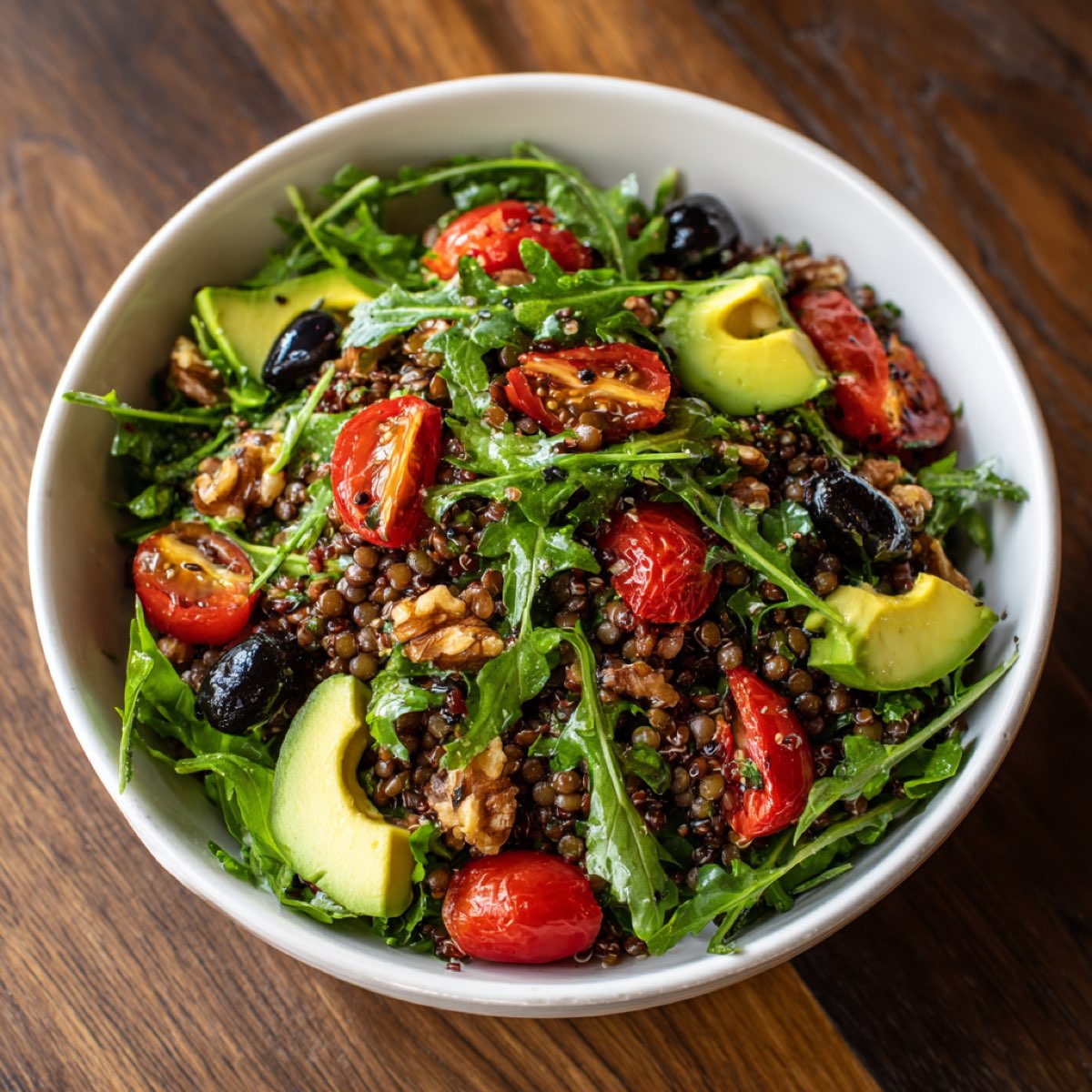
Rocket Lentil Avocado Midday Salad (Gut-Supporting)
Polyphenol-rich midday salad with quinoa or lentils, vegetables, avocado, and early harvest olive oil
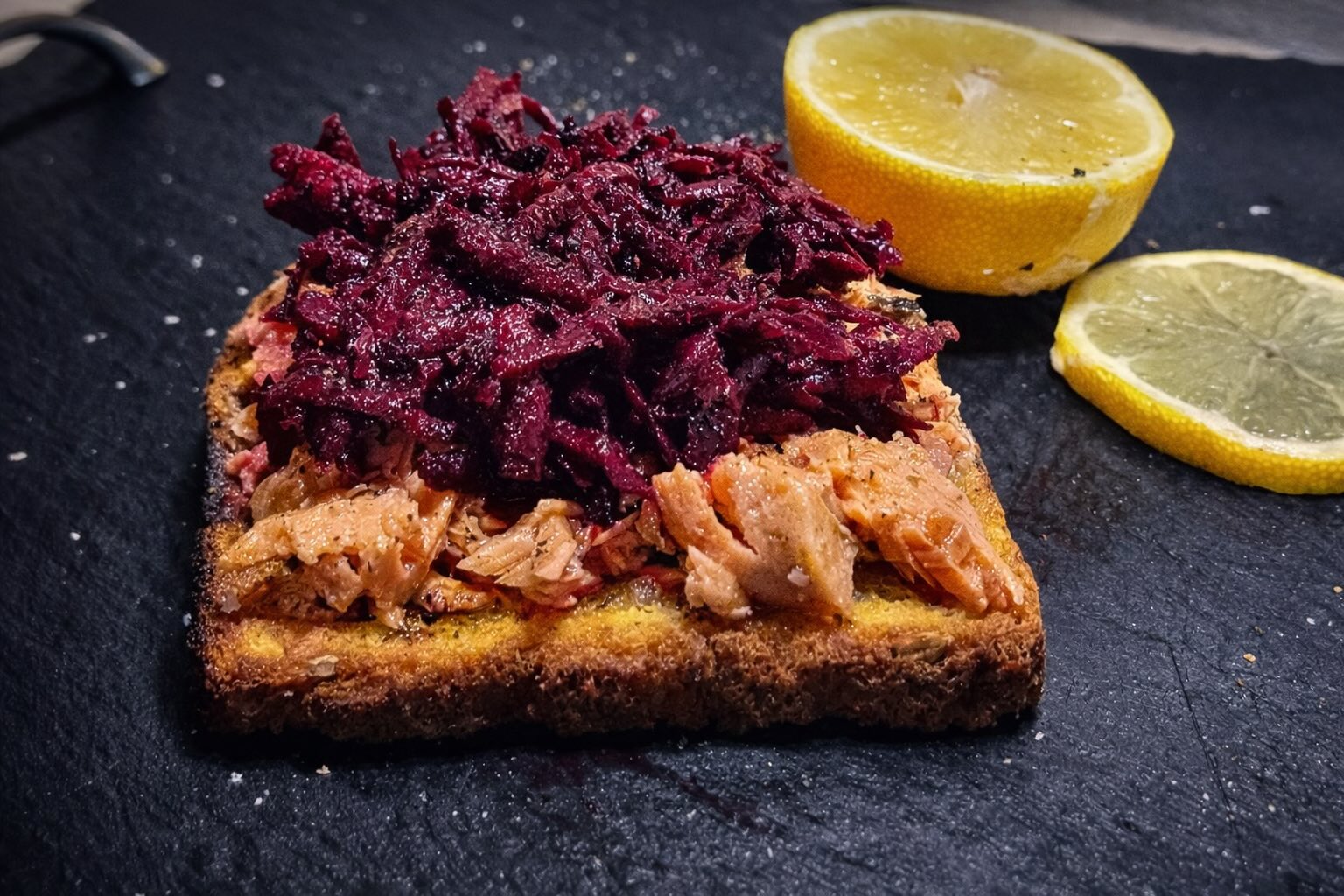
Salmon & Grated Beetroot Toast (with Lemon)
A fast, brain-forward open sandwich combining omega-3 rich salmon, nitrate/polyphenol beetroot, and lemon acidity for a sharp, savoury bite.
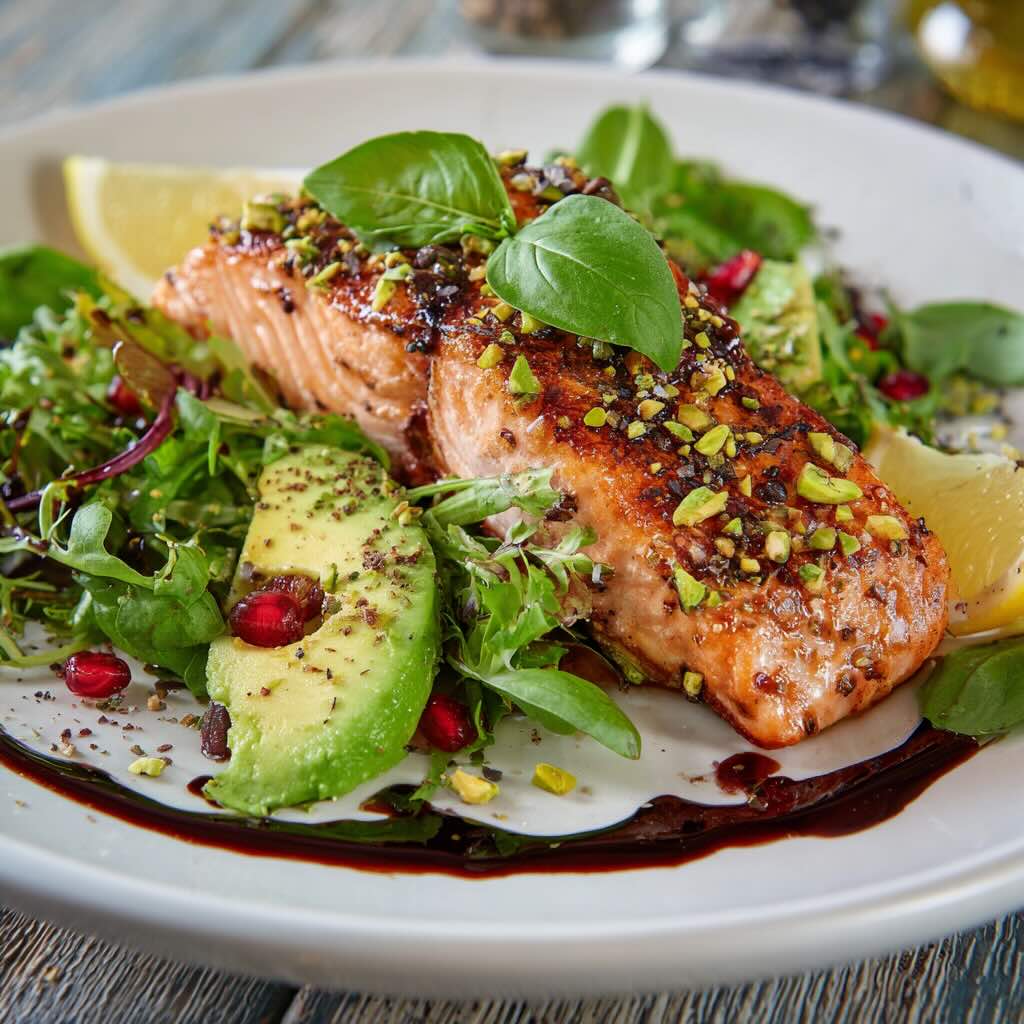
Salmon Bowl-pistachio-cacao-nibs
A Mediterranean-style bowl combining salmon, avocado, pistachios, cacao nibs, and early harvest olive oil — rich in omega-3 fats, polyphenols, and fibre.
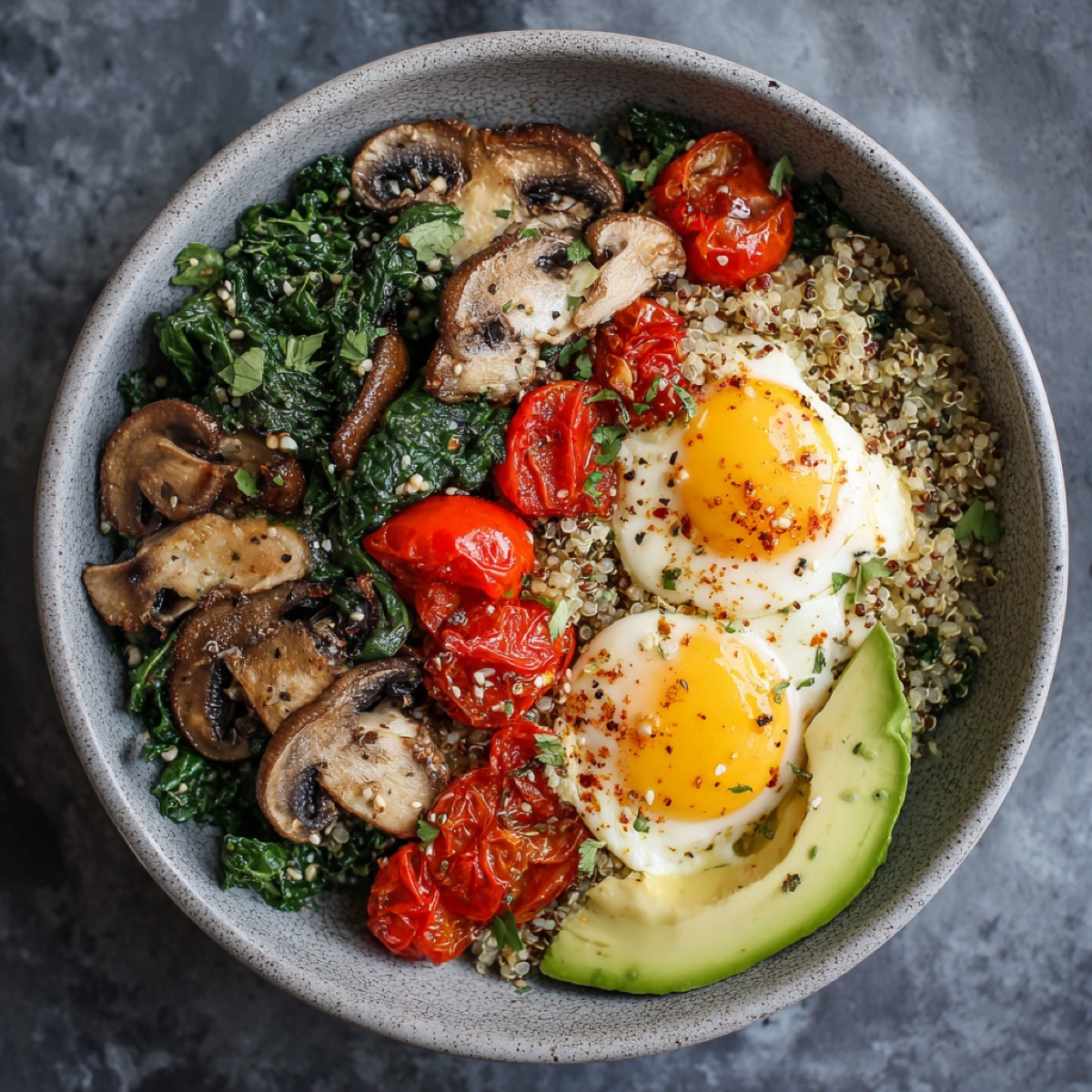
Savoury Greens & Egg Breakfast Skillet
A warm savoury breakfast skillet with eggs, greens, and slow carbohydrates for steady morning energy.
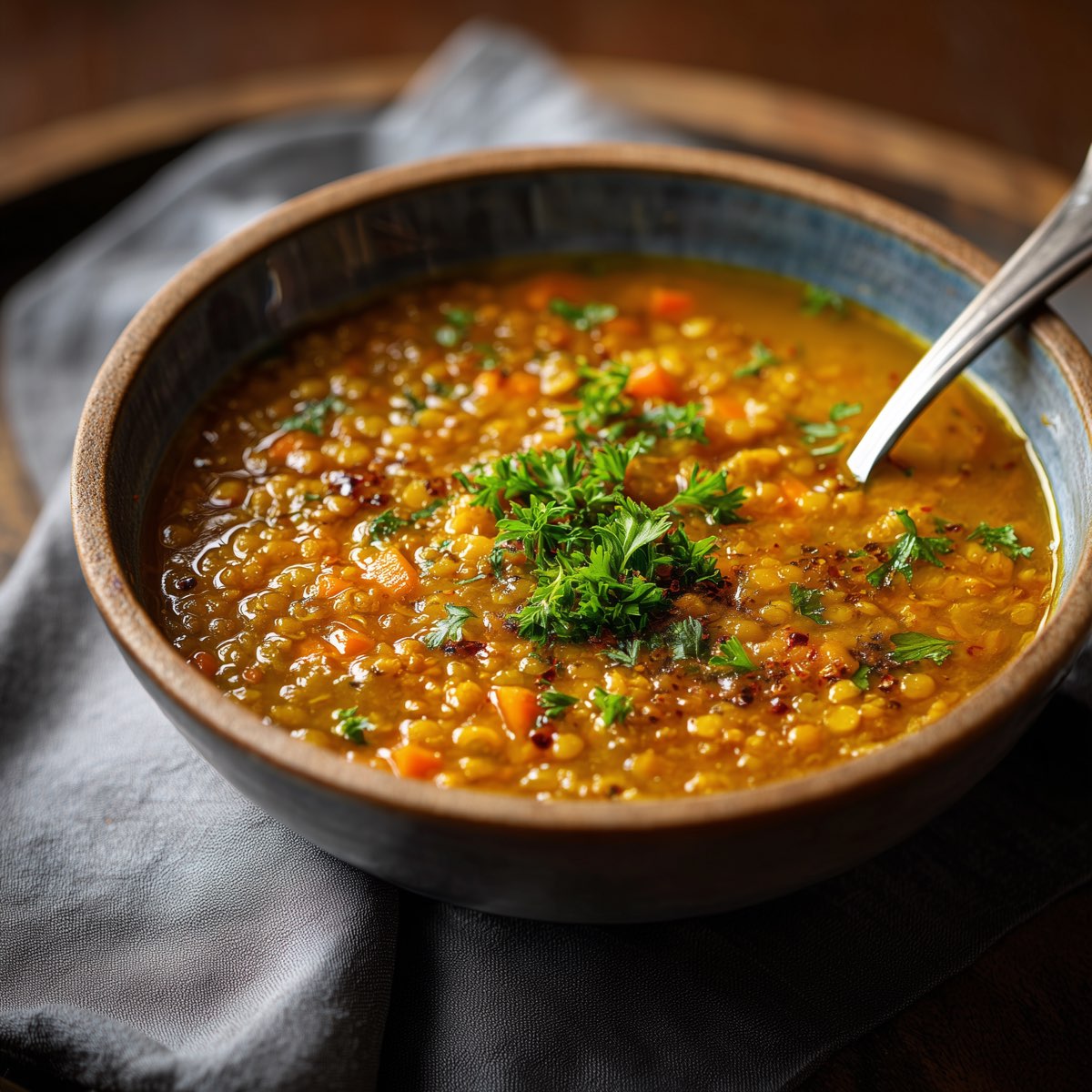
Turmeric Lentil Dahl
Turmeric- and ginger-spiced lentil dish rich in fibre, folate, and polyphenols

Turmeric Milk
A warming drink combining turmeric (curcumin) with milk/fat for enhanced curcumin absorption
Foods
31 foods containing this substance
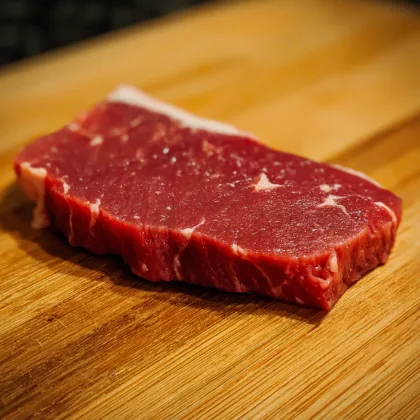
Beef
High creatine, CoQ10, and bioavailable heme iron
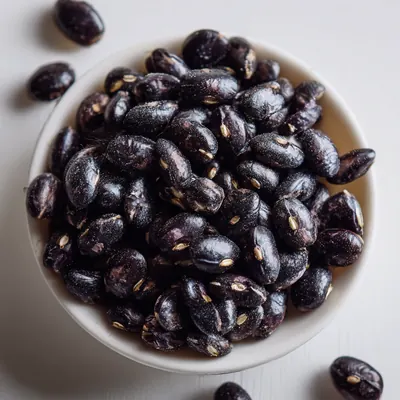
Black Beans
Legume with polyphenols and protein; optimal soaking conditions detailed
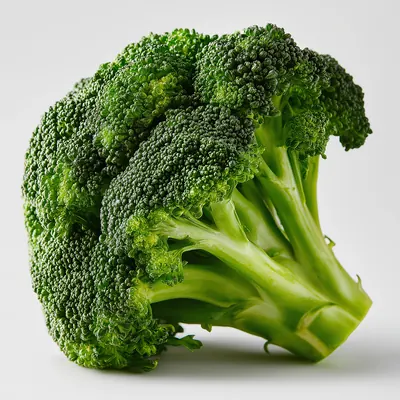
Broccoli
Cruciferous vegetable rich in sulforaphane, folate, and glutathione precursors
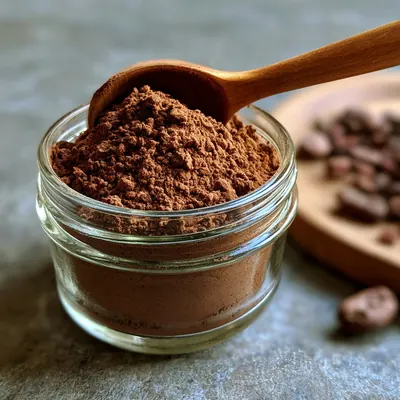
Cacao Powder
Minimally processed cacao powder with higher native flavanol retention relative to more processed cocoa products.

Cashews
Plant protein and zinc source
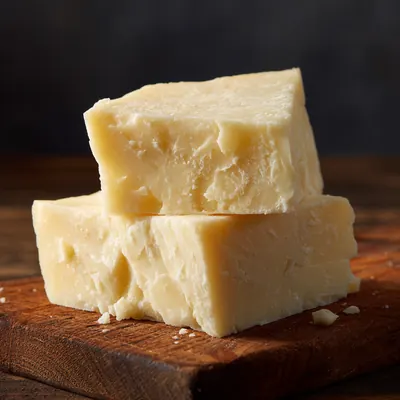
Cheddar Cheese
Hard cow’s-milk cheese rich in protein, calcium, and vitamin B12
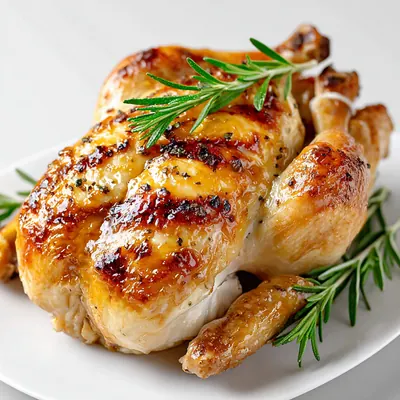
Chicken
Niacin, zinc, and tryptophan
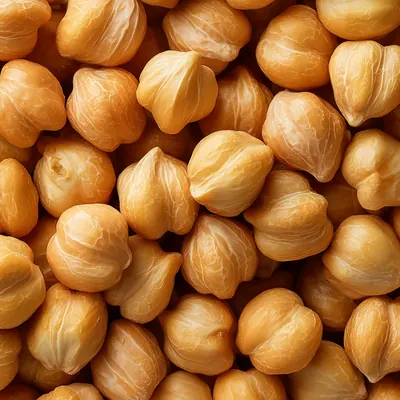
Chickpeas
Legume providing protein, fiber, folate, magnesium, and B6

Cockles
Bivalve shellfish providing B12, iron, zinc, selenium, and marine taurine

Cocoa
Processed cocoa products — flavanol-rich when unsweetened; see cacao powder and dark chocolate for sourcing.

Crab
Lean shellfish providing complete protein, zinc, selenium, and vitamin B12
Dark Chocolate
Cocoa flavanols for cognitive support; heavy metal considerations
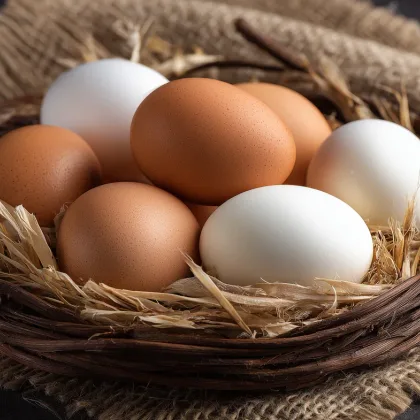
Eggs
Complete protein with choline, B vitamins, and phospholipids

Greek Yogurt
Fermented dairy providing probiotics and complete protein

Kale
Leafy green rich in iron, magnesium, zinc, quercetin, and carotenoids

Lamb
Creatine and bioavailable heme iron

Lentils
Legume rich in protein, fibre, folate, iron, and prebiotics
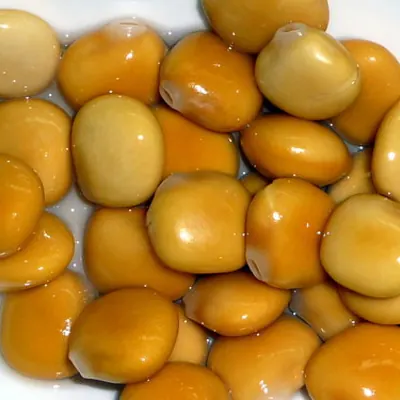
Lupin Beans
High-protein legume with strong arginine and lysine density

Milk
Complete protein, nicotinamide riboside, and calcium
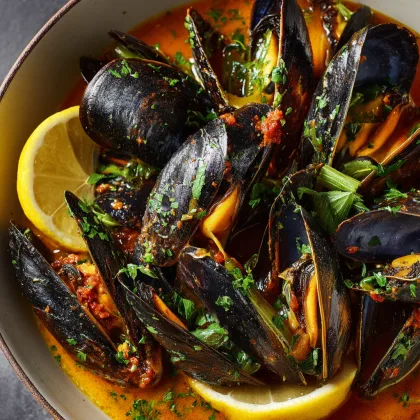
Mussels
Nutrient-dense bivalve providing phospholipid-bound omega-3s; accepted by some vegans (ostroveganism)

Oats
Beta-glucans, B vitamins, and minerals for gut and neurotransmitter support
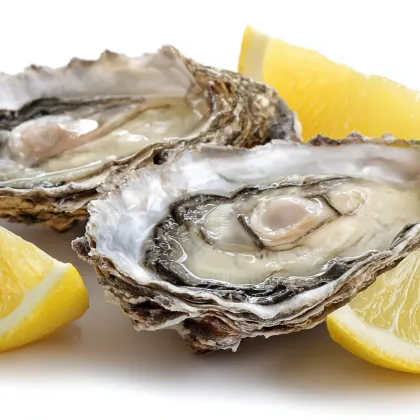
Oysters
Highest zinc content among common foods; unique source of phospholipid-bound omega-3s; accepted by some vegans (ostroveganism)

Peanuts
Niacin, resveratrol, and plant protein for NAD+ and mitochondrial support

Pork
Thiamine, creatine, and zinc

Pumpkin Seeds
High zinc, tryptophan, and magnesium for neurotransmitter support

Quinoa
Pseudograin with magnesium, iron, and balanced plant protein

Shrimp
Seafood providing protein and minerals

Sourdough Bread
Fermented bread with GABA, improved amino acid bioavailability, and optimized Maillard products

Spinach
Leafy green rich in iron, magnesium, folate, and carotenoids

Wheat
Whole grain providing B vitamins, fiber, and minerals

Whole Grains
General category of whole grain foods
Biological Mechanisms and Implications
References
- Zinc supports neurotransmitter pathways (especially dopaminergic modulation), antioxidant enzymes, and immune signaling; insufficiency is linked with cognitive and mood symptoms
- Zinc is important for DNA synthesis, cell division, and neurotransmitter regulation, particularly in modulating dopamine—a key neurotransmitter implicated in ADHD
- Higher doses are sometimes recommended (e.g., 15–30 mg), especially in those with absorption issues; studies have shown benefits from higher doses of 30 mg in increasing BDNF Agh et al. 2022
- Improved efficacy of spreading vitamins through the day (b.i.d. dosing) was found to be more effective for zinc glycinate Arnold et al. 2011 Akhondzadeh, Mohammadi, and Khademi 2004
- Zinc acts as an allosteric modulator of the GABA receptor Peralta and Huidobro-Toro 2016
- Glutamate: Principal excitatory neurotransmitter; cofactors include glutamine (from protein), B6, magnesium, zinc
- Research indicates that deficiencies in vitamins and minerals essential for methylation, such as folate, vitamin B12, and zinc, are correlated to ADHD symptoms Razavinia et al. 2024
- Epithelial layer (tight junctions) disrupted by nutrient deficiencies including zinc, increasing permeability ("leaky gut")
- Zinc serves as a cofactor for antioxidant enzymes and works synergistically with other antioxidants Mocchegiani and Malavolta 2019 Vertuani, Angusti, and Manfredini 2004
- Heavy metals are detoxified by metallothionein (MT) metal carrier proteins that must bind with zinc and copper Zhai et al. 2015
- Repleting essential minerals (calcium, iron, zinc) together with dietary fibres, phytates, and polyphenols reduces gastrointestinal absorption of toxic metals Zhai et al. 2015 Berglund et al. 1994
- Plant zinc is less bioavailable due to phytates; soaking/sprouting helps improve bioavailability
- Phytates can bind essential minerals such as zinc, iron, and calcium, potentially impairing their absorption Taylor et al. 2009
- Soaking and sprouting reduces phytates in legumes/grains, improving non-heme iron and zinc bioavailability GREINER and KONIETZNY 1999
- Synergy with magnesium and omega-3s reported; other studies have shown magnesium to be effective with both zinc and omega-3 and omega-6 Huss, Völp, and Stauss-Grabo 2010
- Vegetarians in their 80s had higher odds of cognitive impairment compared to omnivores, likely due to deficiencies in B12, EPA/DHA, and zinc Jigeer et al. 2025