MCT Oil

Overview
MCT oil is a concentrated triglyceride product usually made with caprylic (C8) and capric (C10) fatty acids. Formulations vary. Fatty-acid proportions do not identify every individual triglyceride molecule.
MCT oil differs in composition from ordinary coconut oil.
Food Context
Synergies
- Part of brain energy strategy
Preparation
- Use in smoothies or small portions
- Start with small amounts
- Supports ketone production
Recipes
Nutrient Tables (per 100 g)
Selected food and preparation: MCT Premium C8 & C10 100% Pure Oil; declared ingredient "MCT oil (60% C8, 40% C10)". per 100 g product.
Core nutrients
| Nutrient | Amount per 100 g | % reference intake per 100 g |
|---|---|---|
| Energy | 833 kcal | — |
| Total fat | 100 g | — |
| Saturated fat | 100 g | — |
Bioactive compounds
| Compound / class | Amount per 100 g | Notes |
|---|---|---|
| MCT | Present — quantity not established [3] | — |
- MCT: MCT oil consists of medium-chain triglycerides; C8/C10 proportions vary with the formulation. [3]
Technical provenance
MCT: MCT oil is defined by its medium-chain triglyceride content, so presence follows from the product identity, and the Australia New Zealand Food Standards Code defines the class as triacylglycerols containing predominantly the saturated fatty acids 8:0 and 10:0. The adopted specification (FDC 2543941) declares 60 per cent C8 and 40 per cent C10, but that ratio is particular to one formulation and C6 is not quantified at all, so no per-chain quantity is published for MCT oil in general. [3]
This value uses a documented composition interpretation. See FCIR-012.
Substances
3 substances in this food
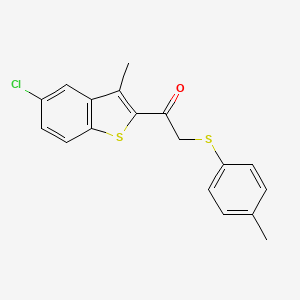
Capric Triglyceride (Tridecanoin)
Identified in a studied commercial C8/C10 MCT oil; content depends on the formulation and a separate amount is unavailable.
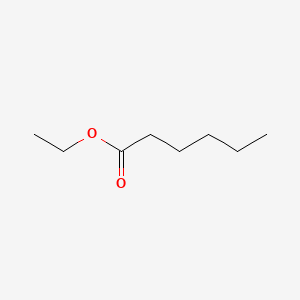
Caprylic Triglyceride (Trioctanoin)
Identified in a studied commercial C8/C10 MCT oil; content depends on the formulation and a separate amount is unavailable.

MCT (Medium-Chain Triglycerides)
MCT oil consists of medium-chain triglycerides; C8/C10 proportions vary with the formulation.
References
[1] Medium-chain triglycerides are rapidly oxidised and studied in ketogenic and metabolic contexts. Crosby et al. 2021. Ketogenic Diets and Chronic Disease: Weighing the Benefits Against the Risks
[2] Ketogenic substrates including MCTs influence brain energy metabolism in clinical research. Popiolek-Kalisz et al. 2024. Ketogenic diet and cardiovascular risk – state of the art review