Kefir

Overview
Kefir is fermented milk providing diverse probiotics, including potential GABA-producing strains, and postbiotic compounds. Fermented Foods: Sauerkraut, kimchi, kefir, miso, kombucha provide live microbes + postbiotic peptides; improved SCFA pools; vagal signaling. Kefir: Fermented milk drink, diverse probiotic strains.
Within the BRAIN Diet framework, levilactobacillus brevis is active in L. brevis strains isolated from fermented foods, such as kimchi, kefir, and pickles, and can produce GABA.
Food Context
Synergies
- Part of fermented foods rotation; fermented foods provide live microbes + postbiotic peptides; improved SCFA pools; vagal signaling
- Supports gut microbiome diversity; dietary diversity (≥30 plant foods per week) supports microbial richness and resilience
Sourcing
- Choose products with live active cultures for probiotic benefits
Preparation
- Potential GABA production via specific strains; Levilactobacillus brevis strains isolated from fermented foods, such as kimchi, kefir, and pickles can produce GABA
Recipes
1 recipe containing this food
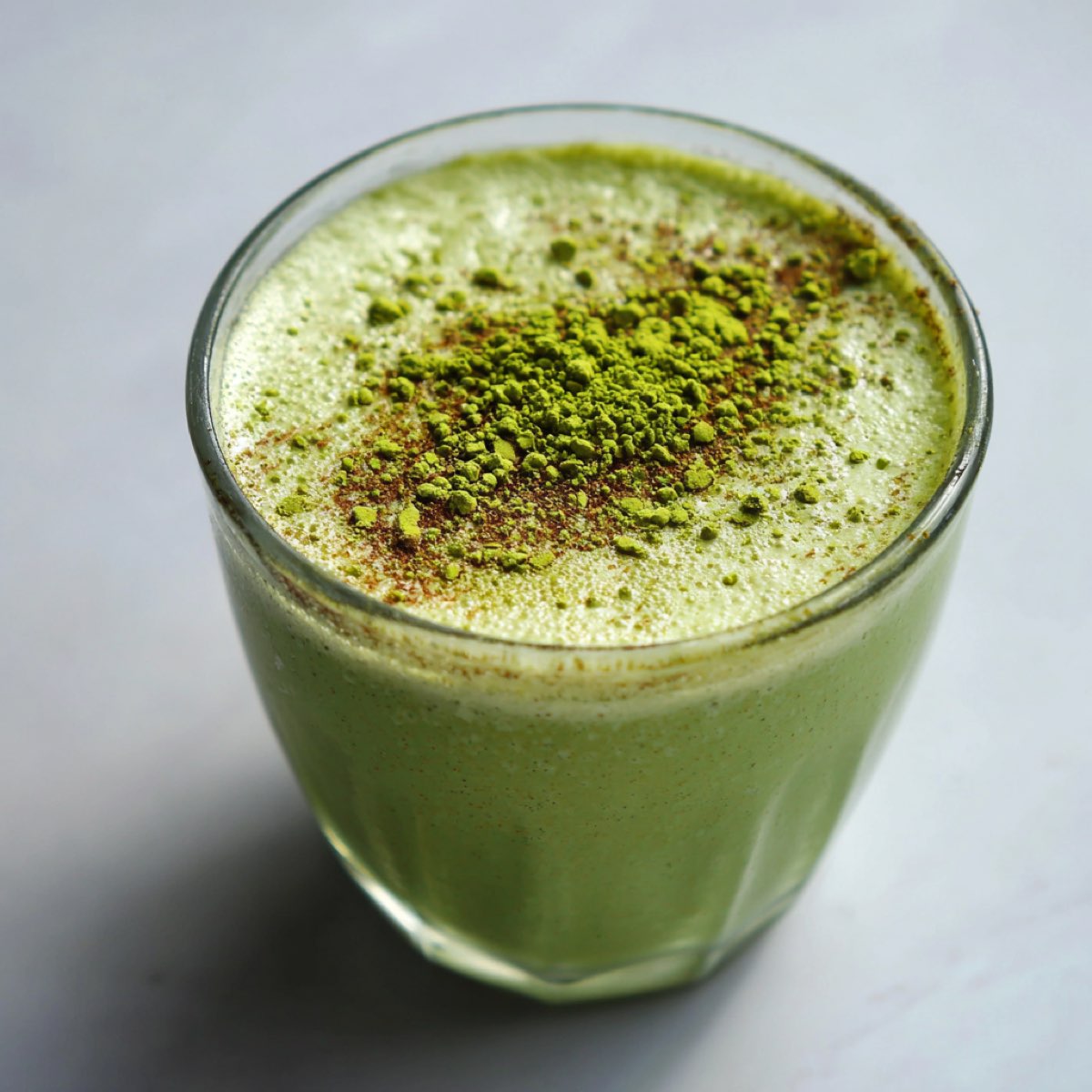
Matcha Mitochondria Smoothie
Mitochondrial energising smoothie rich in polyphenols, magnesium, and antioxidants
Nutrient Tables (per 100 g)
Selected food and preparation: Kefir, lowfat, plain, LIFEWAY. per 100 g edible portion.
Core nutrients
| Nutrient | Amount per 100 g | % reference intake per 100 g |
|---|---|---|
| Energy | 43 kcal | — |
| Protein | 3.8 g | — |
| Total fat | 1 g | — |
| Saturated fat | 0.7 g | — |
| Carbohydrates | 4.8 g | — |
| Sugars | 4.6 g | — |
Key vitamins and minerals
Vitamins and minerals supplying at least 10% of an adult reference intake per 100 g, derived from the composition panel.
| Nutrient | Amount per 100 g | % reference intake per 100 g |
|---|---|---|
| Phosphorus | 105 mg | 15% |
| Calcium | 130 mg | 13% |
| Vitamin B12 | 0.3 µg | 12.1% |
| Vitamin B2 | 0.1 mg | 10.4% |
| Vitamin A | 171 µg | 19% |
Substances
References
[1] Kefir provides live microbes and fermentation metabolites within diverse fermented-food strategies. Gao et al. 2025. Fermented Dairy Products as Precision Modulators of Gut Microbiota and Host Health: Mechanistic Insights, Clinical Evidence, and Future Directions
[2] Fermented-food interventions increase microbiome diversity and immune-related outcomes in trials. Wastyk et al. 2021. Gut-microbiota-targeted diets modulate human immune status