Vitamin B9 (Folate; 5-MTHF)
Overview
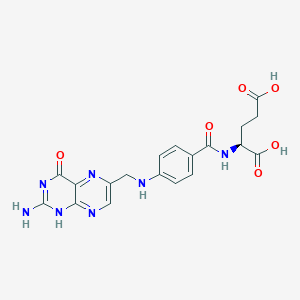
Vitamin B9, commonly known as folate, is a water-soluble vitamin that plays a central role in one-carbon metabolism and methylation processes. The active form, 5-MTHF (5-methyltetrahydrofolate), is an essential cofactor in the remethylation of homocysteine to methionine, which is then converted to S-adenosylmethionine (SAMe). SAMe fuels the synthesis of dopamine, norepinephrine, and serotonin and drives phospholipid methylation in neuronal membranes. Folate works synergistically with other B vitamins (B6, B2, B12) and minerals (zinc) in methylation processes, and deficiencies in these nutrients are correlated with ADHD symptoms.
Recipes
12 recipes containing this substance
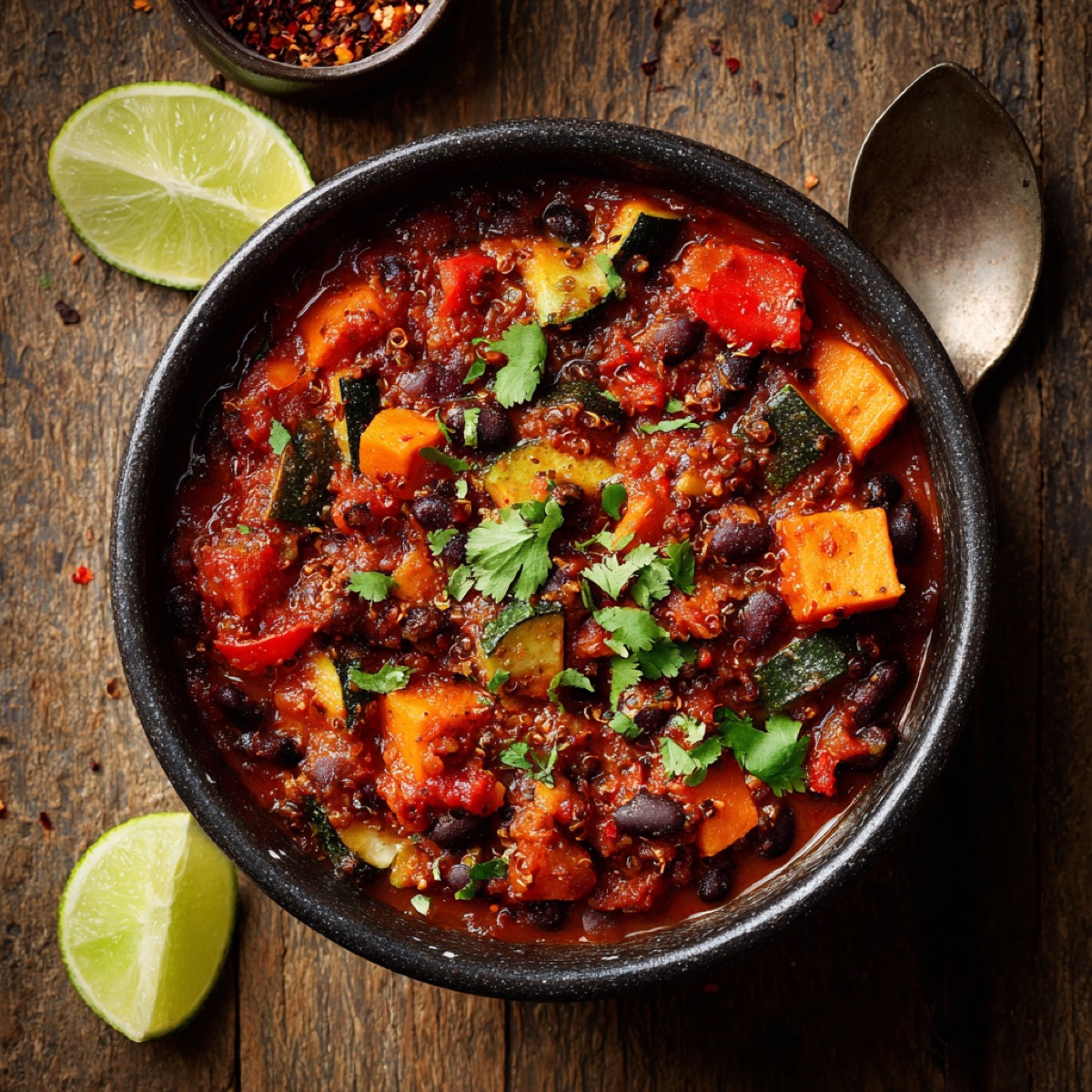
Black Bean & Sweet Potato Vegetable Chilli
A fibre-rich bean and vegetable chilli with warming spices and slow carbohydrates for steady energy and satiety.
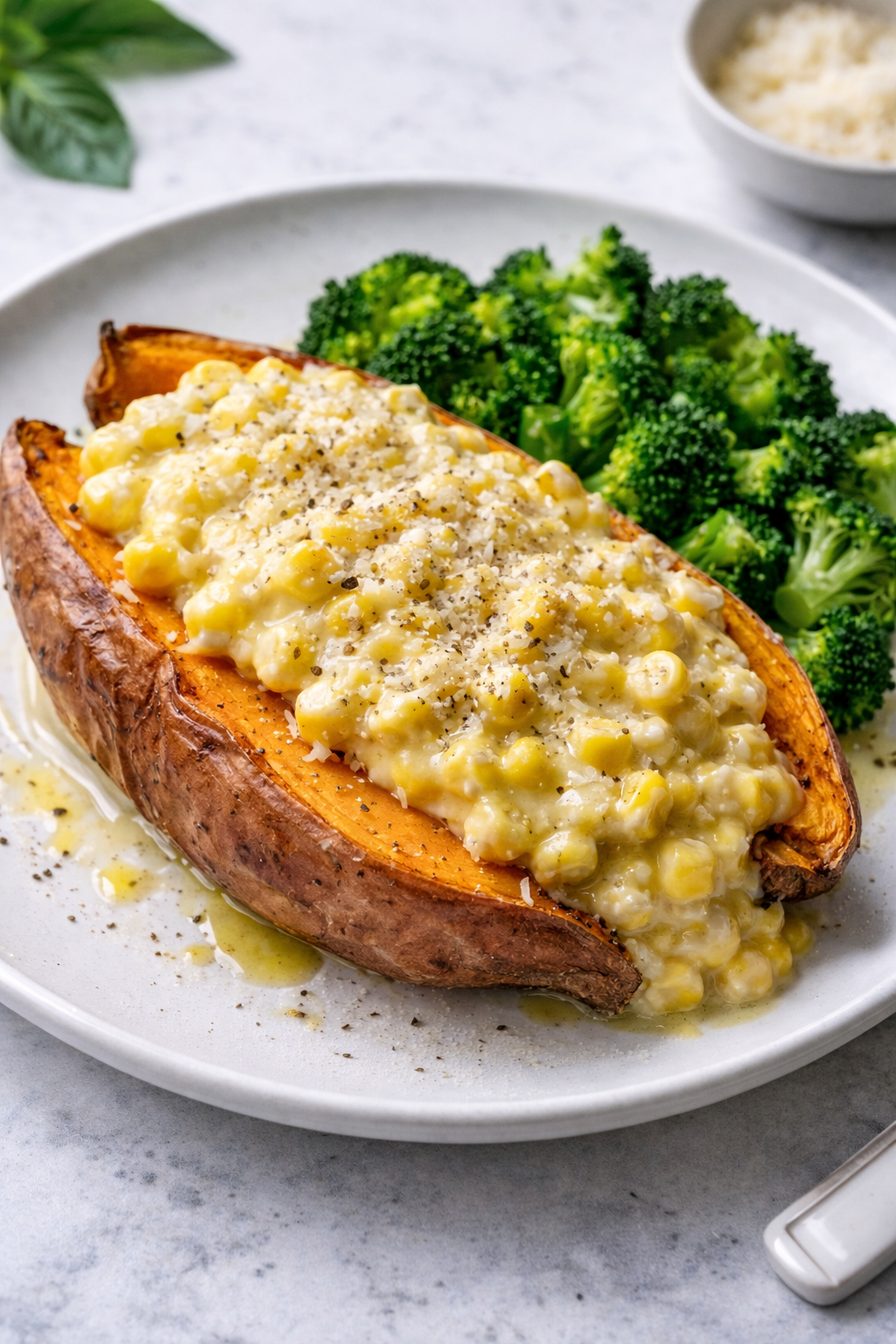
Creamed Corn on Roasted Sweet Potato
Roasted sweet potato with creamed corn and a mixed lipid phase to enhance carotenoid absorption; served with broccoli for fibre and glucosinolates.

Linguine alle vongole mantecate (Linguine with cockles in a silky emulsified sauce)
Whole-wheat linguine with cockles in a silky emulsified sauce; Italian emulsification technique without cream, supporting taurine, B12, and choline intake.
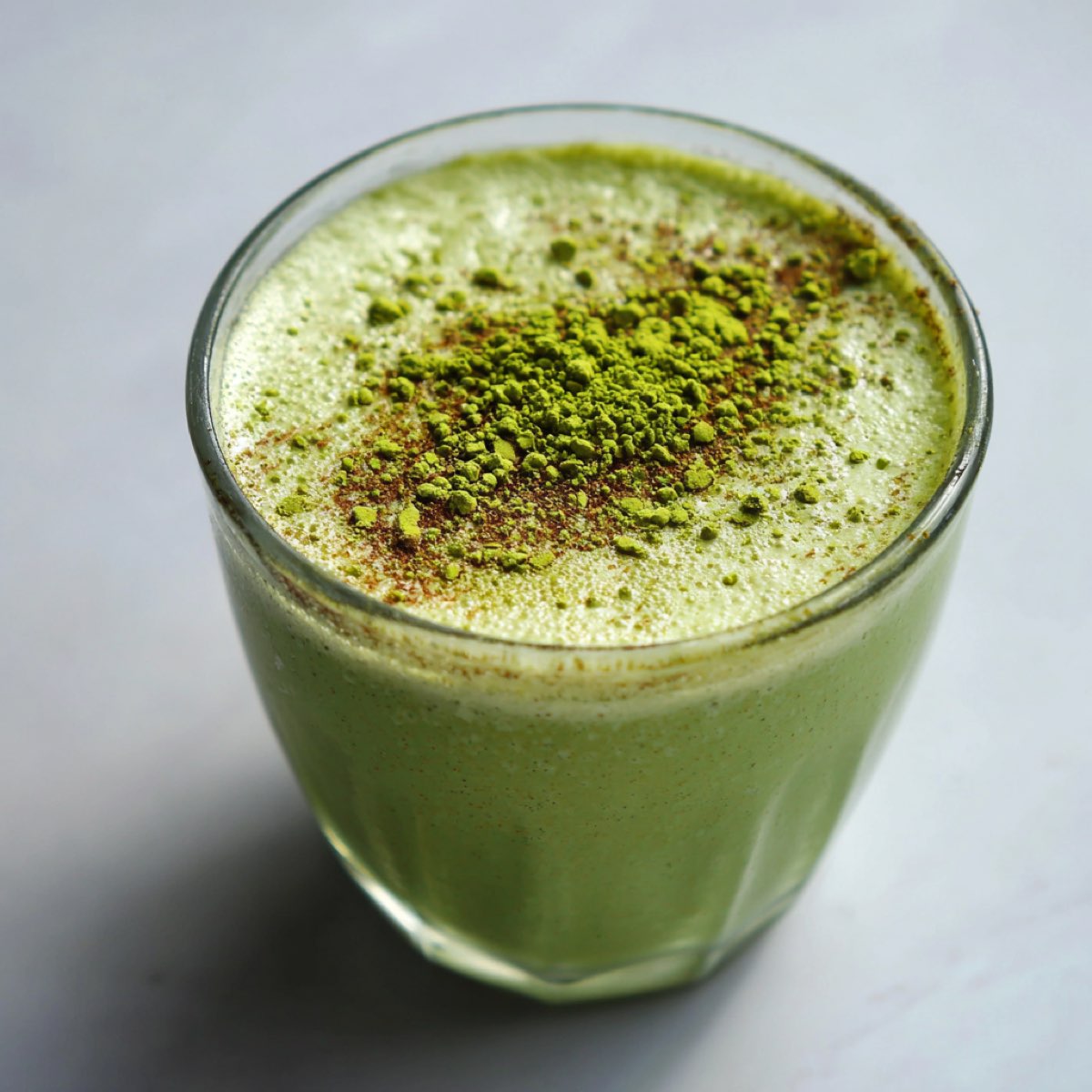
Matcha Mitochondria Smoothie
Mitochondrial energising smoothie rich in polyphenols, magnesium, and antioxidants
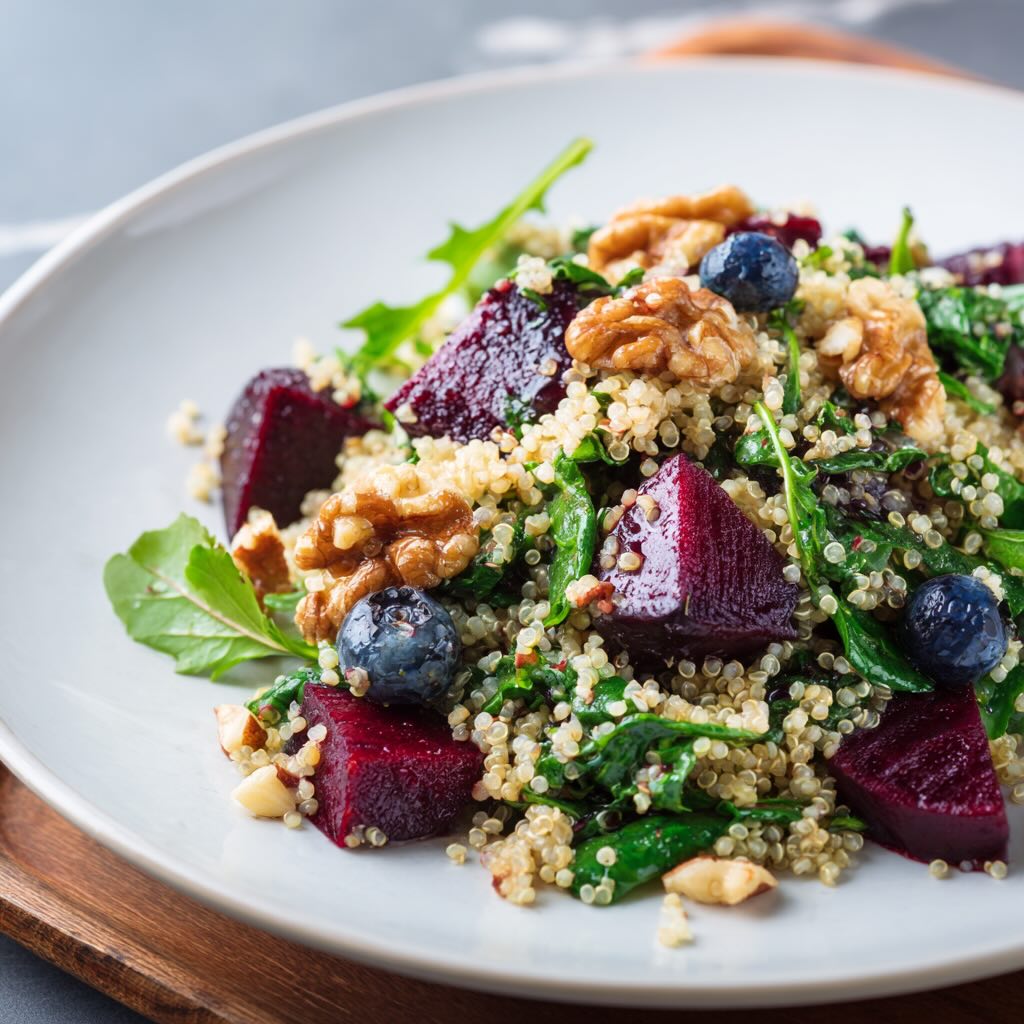
Mitochondrial Power Bowl
A nitrate-rich, polyphenol-dense bowl combining leafy greens, beets, berries, nuts, and early harvest olive oil
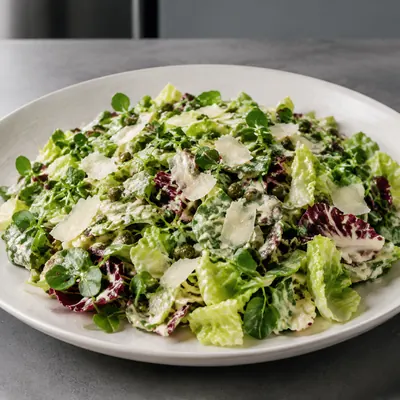
Mixed-Leaf Tahini Caesar Salad
A Caesar-style mixed-leaf salad with a tahini, anchovy, caper and Parmesan dressing, using extra virgin olive oil retained from oil-packed capers.

Roast Duck Breast with Berry Sauce
A rich main dish built around crisp-skinned duck breast with a bright blueberry and raspberry sauce, designed to balance richness with acidity and aromatic depth.
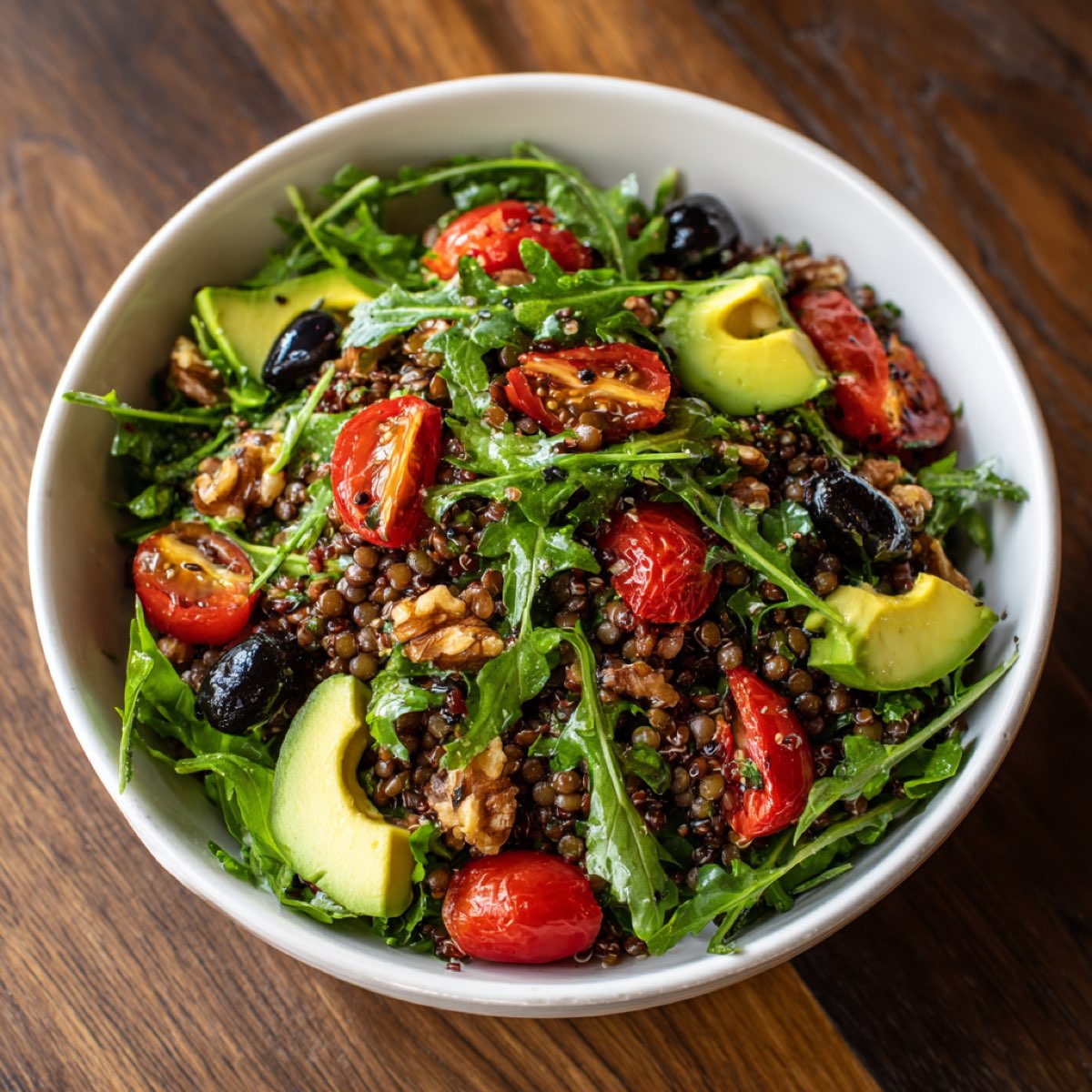
Rocket Lentil Avocado Midday Salad (Gut-Supporting)
Polyphenol-rich midday salad with quinoa or lentils, vegetables, avocado, and early harvest olive oil
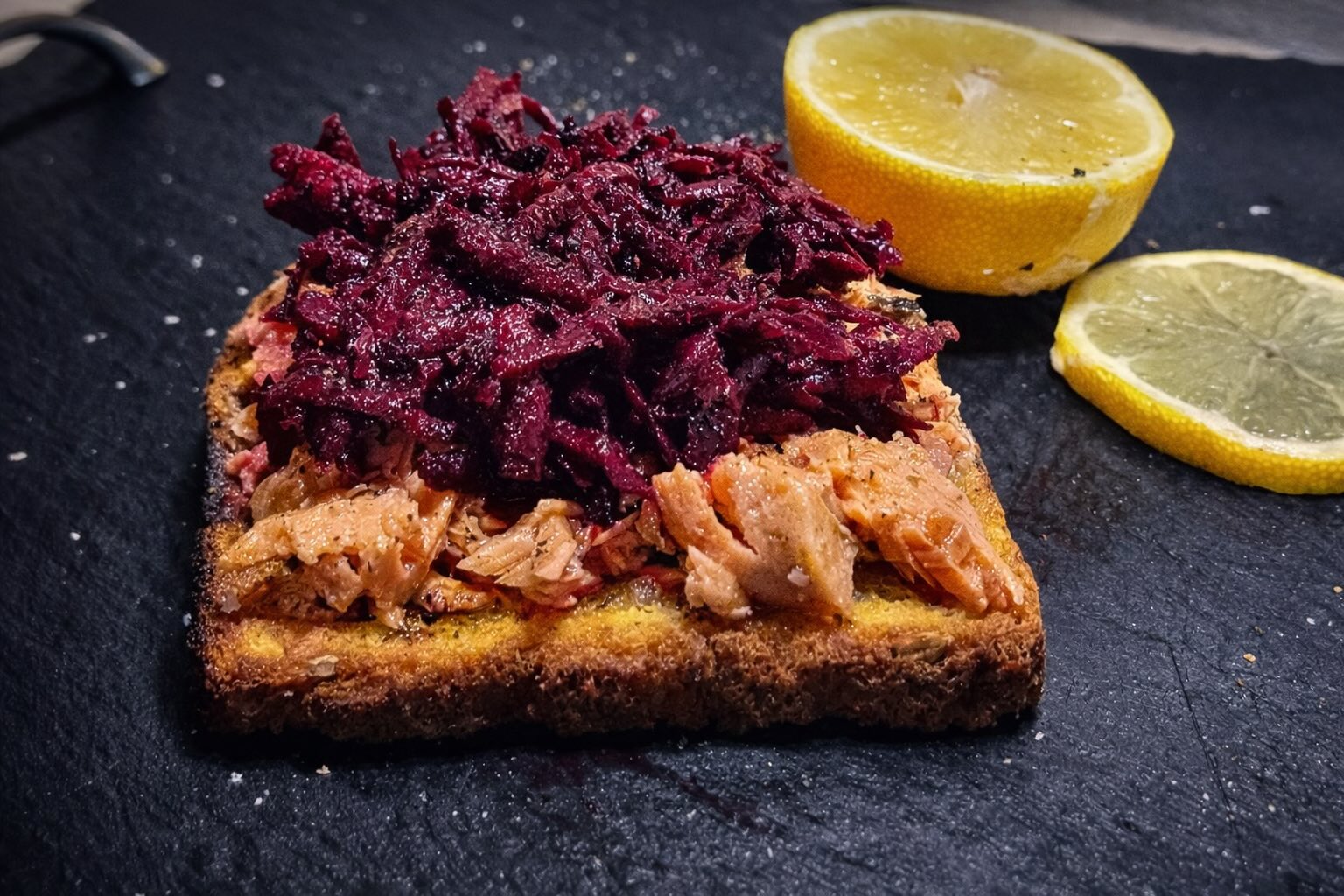
Salmon & Grated Beetroot Toast (with Lemon)
A fast, brain-forward open sandwich combining omega-3 rich salmon, nitrate/polyphenol beetroot, and lemon acidity for a sharp, savoury bite.
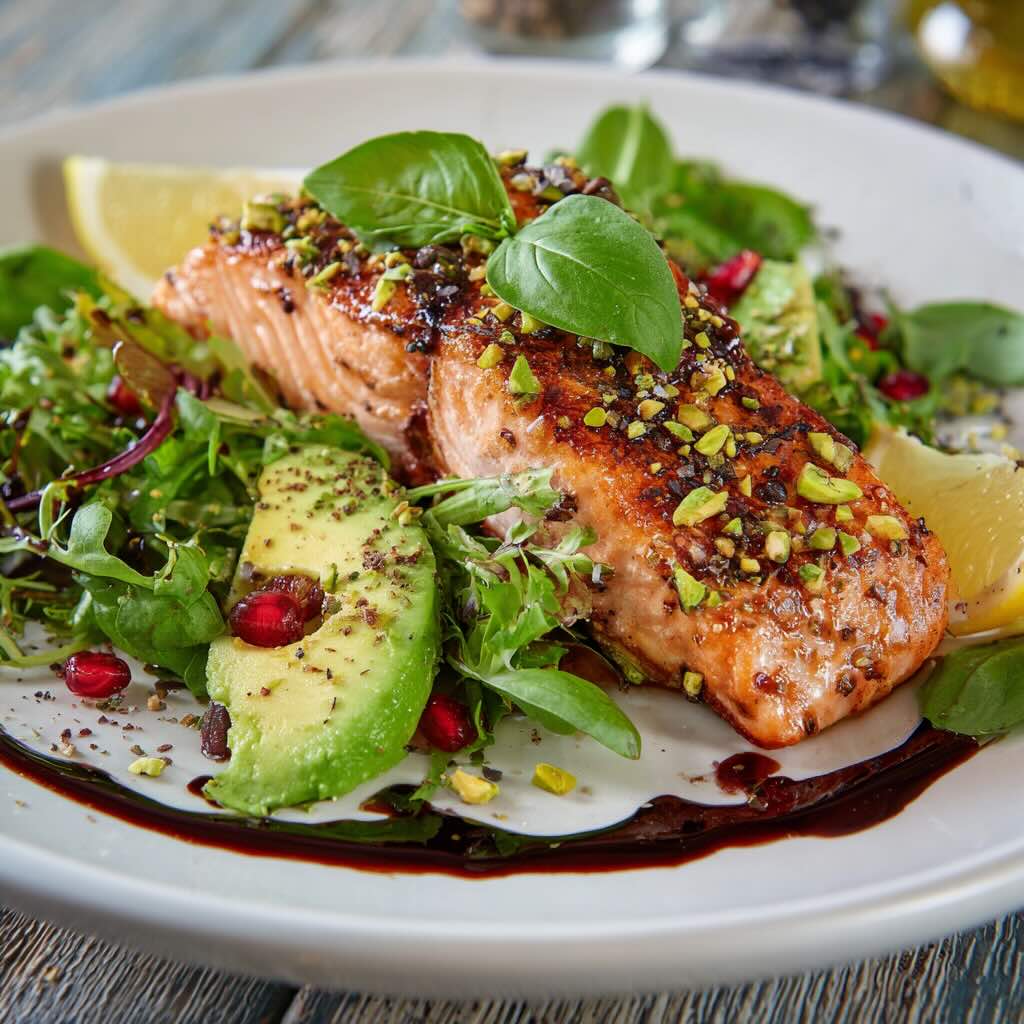
Salmon Bowl-pistachio-cacao-nibs
A Mediterranean-style bowl combining salmon, avocado, pistachios, cacao nibs, and early harvest olive oil — rich in omega-3 fats, polyphenols, and fibre.
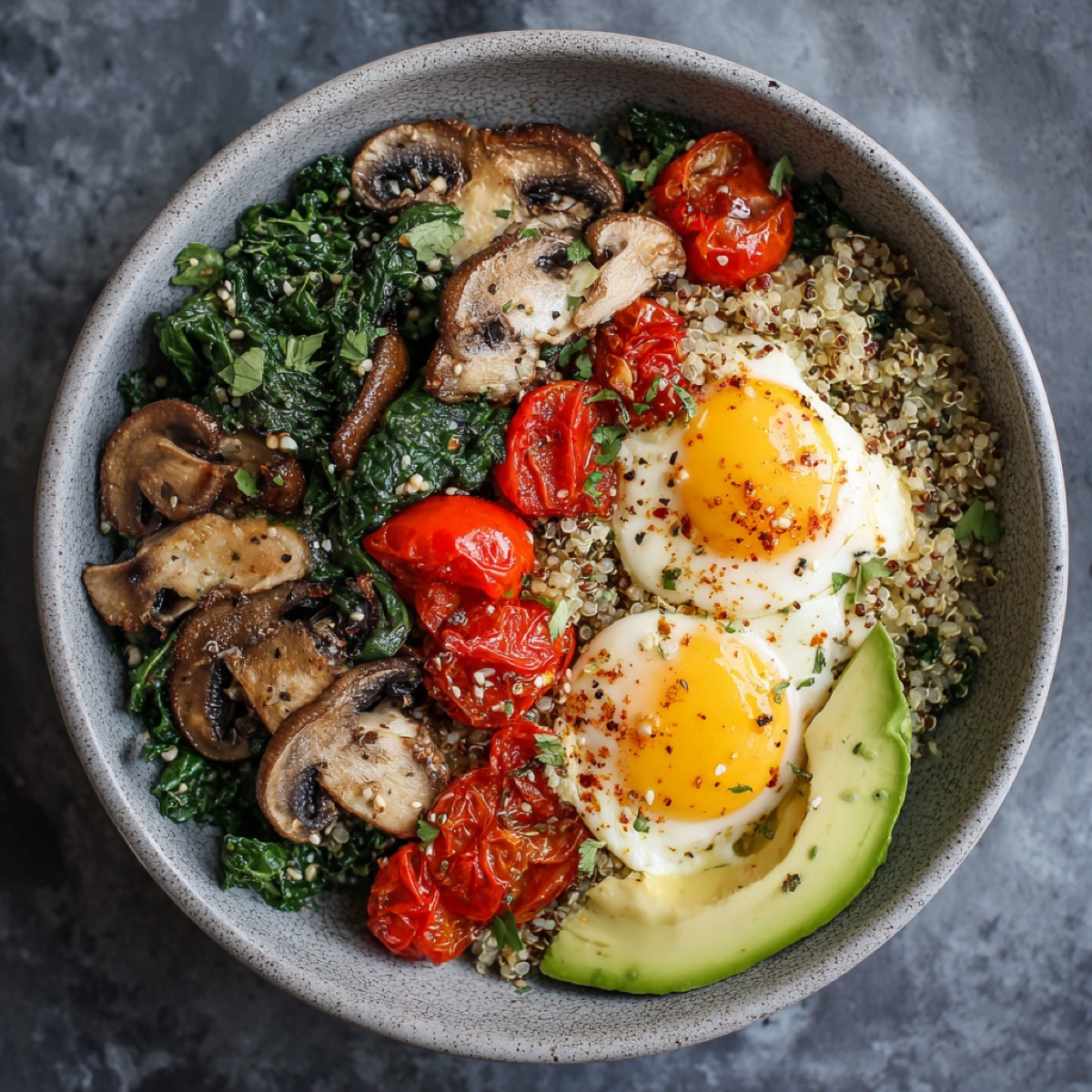
Savoury Greens & Egg Breakfast Skillet
A warm savoury breakfast skillet with eggs, greens, and slow carbohydrates for steady morning energy.
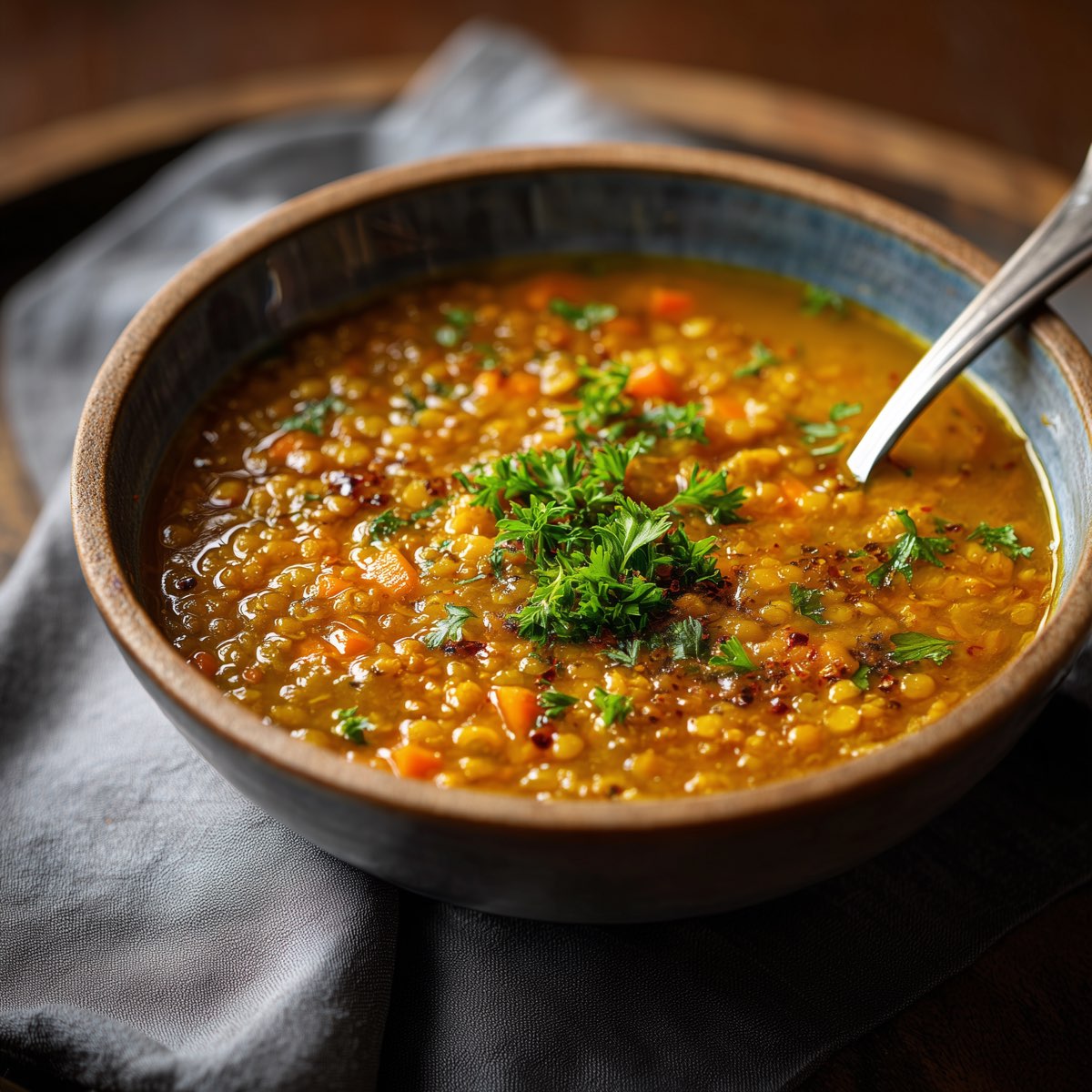
Turmeric Lentil Dahl
Turmeric- and ginger-spiced lentil dish rich in fibre, folate, and polyphenols
Foods
25 foods containing this substance
Asparagus
Folate-rich vegetable providing fibre and modest inulin-type fructans
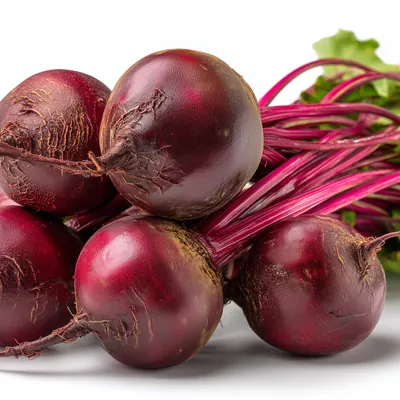
Beetroot
Root vegetable providing dietary nitrate and betalain pigments
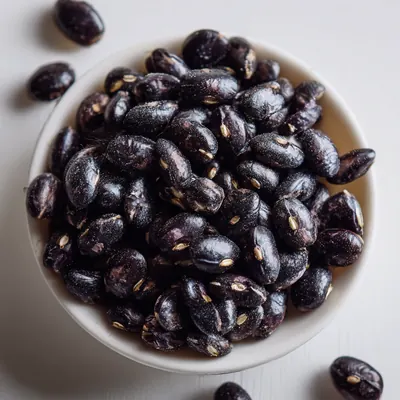
Black Beans
Legume with polyphenols and protein; optimal soaking conditions detailed
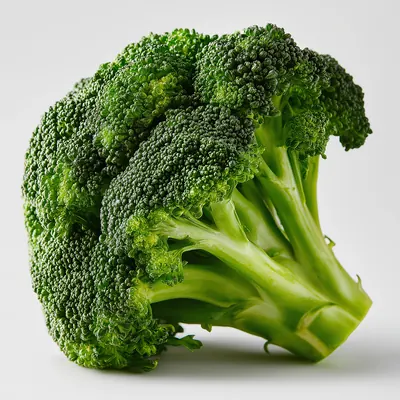
Broccoli
Cruciferous vegetable rich in sulforaphane, folate, and glutathione precursors
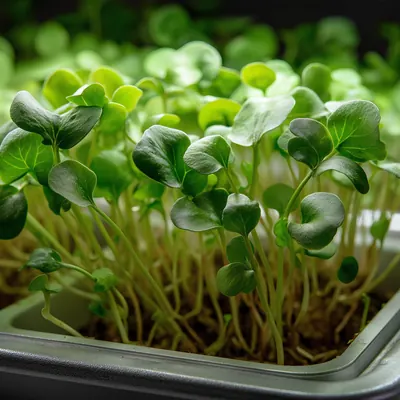
Broccoli Sprouts
Young broccoli sprouts valued for glucoraphanin and sulforaphane potential, vitamin C, and Nrf2-supportive phytochemistry
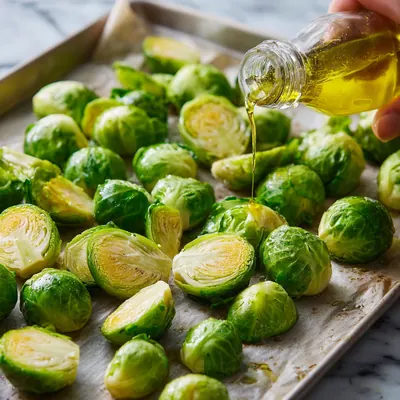
Brussels Sprouts
Cruciferous vegetable providing glucosinolate-derived isothiocyanates, folate and vitamin C
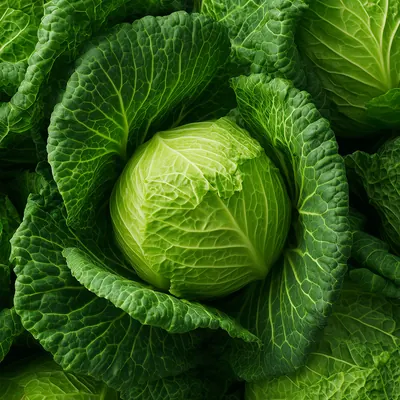
Cabbage
Base for sauerkraut; fiber and vitamin C
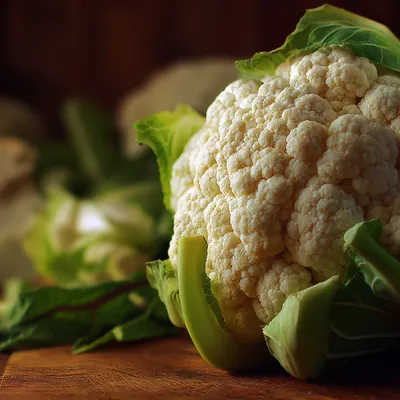
Cauliflower
Cruciferous vegetable with fiber and B vitamins
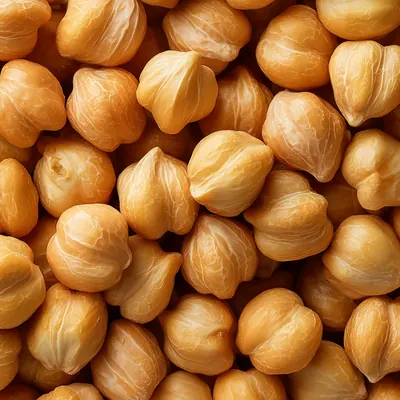
Chickpeas
Legume providing protein, fiber, folate, magnesium, and B6

Edamame
Young soybeans providing NMN (NAD+ precursor) and complete plant protein

Kale
Leafy green rich in iron, magnesium, zinc, quercetin, and carotenoids

Kidney Beans
Polyphenol-rich legume supporting gut health

Liver
Nutrient-dense organ meat with bioavailable B12, retinol, iron, and CoQ10

Nori
Red seaweed providing iodine and amino acid precursors for creatine synthesis

Oranges
Vitamin C for iron absorption enhancement

Parsley
Reduces harmful cholesterol oxidation products when added to cooking

Peanuts
Niacin, resveratrol, and plant protein for NAD+ and mitochondrial support

Peas
Plant protein, fiber, and thiamine source

Quinoa
Pseudograin with magnesium, iron, and balanced plant protein

Raspberries
Polyphenol-rich berries with fiber
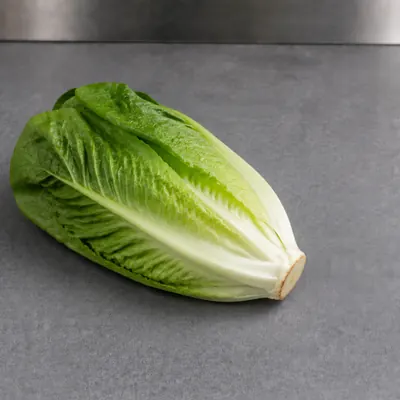
Romaine Lettuce
Crisp salad lettuce providing vitamin K, folate and carotenoids
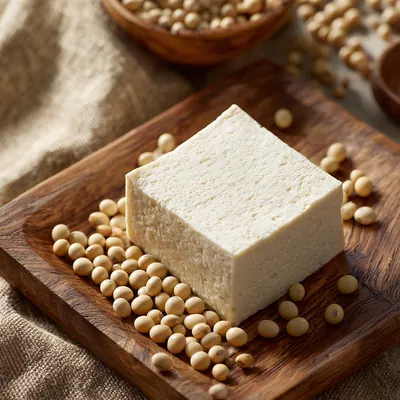
Soy
Complete plant protein with isoflavones (genistein) and choline

Spinach
Leafy green rich in iron, magnesium, folate, and carotenoids

Strawberries
Polyphenol-rich berries supporting cognitive function

Swiss Chard
Leafy green rich in iron, magnesium, folate, and carotenoids
Biological Mechanisms and Implications
References
- Methylation is a fundamental biochemical process playing a pivotal role in neurotransmitter synthesis, phospholipid metabolism, and gene expression; nutrient-dependent methylation supports recycling of homocysteine into methionine
- B vitamins, particularly B6, B2, folate (5-MTHF), and B12, are essential cofactors in remethylation of homocysteine to methionine, which is converted to SAMe
- Folic acid supplementation (0.5-5 mg/day) typically reduces plasma homocysteine by ~25%; adding B12 gives an additional ~7% reduction Collaboration 1998
- While folate is normally considered the primary nutrient for homocysteine reduction, long-chain omega-3 fatty acids and vitamin B12 also contribute meaningfully; B12+fish oil lowered plasma homocysteine by 39% Tao Huang et al. 2015
- B vitamin supplementation slowed cognitive decline only in participants with adequate omega-3 status, supporting a nutrient synergy model Oulhaj et al. 2016
- Elevated plasma homocysteine is frequently elevated in ADHD and other neurodegenerative disorders Tao Huang et al. 2015
- Homocysteine is implicated in the induction of oxidative stress, modulation of oxygen levels, and initiation of lipid peroxidation pathway Lukovac et al. 2024
- MTHFR polymorphisms reduce the efficiency of folate cycling and methylation, increasing susceptibility to cognitive dysfunction and ADHD-related symptoms
- Research indicates that deficiencies in vitamins and minerals essential for methylation, such as folate, vitamin B12, and zinc, are correlated to ADHD symptoms Razavinia et al. 2024
- Dietary patterns rich in fibre, folate, and omega-3 fatty acids were associated with reduced ADHD symptoms Millichap and Yee 2012
- Isoquercetin bioavailability is improved by simultaneous ingestion with vitamin C, folate, and additional flavonoids Y. Li et al. 2016