Avocado
Overview
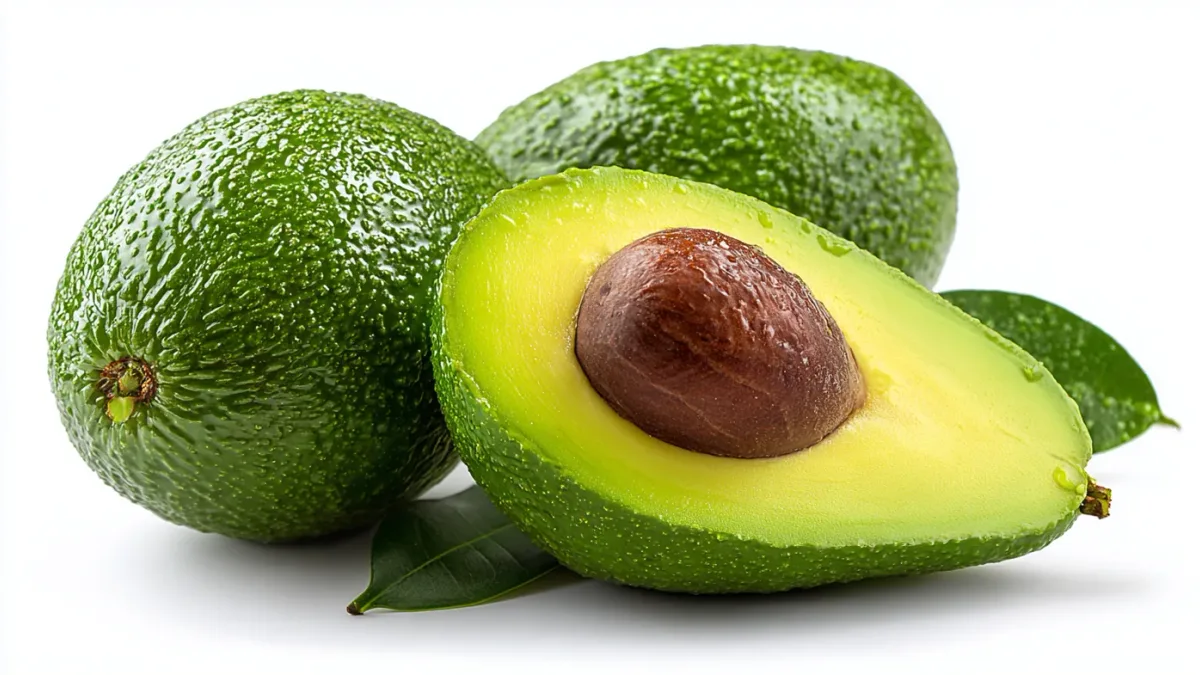
Avocado is a monounsaturated-fat-rich fruit providing oleic acid, fibre and potassium. Its fat helps the body absorb carotenoids from vegetables eaten in the same meal [1].
Within the BRAIN Diet, avocado is a whole-food fat source for salads and mixed dishes, contributing fibre and potassium at moderate energy density.
Key Nutritional Highlights
- Oleic acid is the main fat in the edible flesh.
- Adding avocado to salad or salsa helps the body absorb carotenoids from those vegetables [1].
- Also contributes fibre and potassium at moderate energy density.
- Typical portions are much smaller than 100 g; nutrient totals scale with serving size.
Food Context
Synergies
- Pair with carotenoid-rich vegetables: avocado fruit (and avocado oil in the companion trial) enhanced carotenoid absorption from salsa and salad [1].
Preparation
- Use as whole fruit: sliced or cubed in salads and bowls, mashed as a spread or dip, or blended into smoothies — the edible flesh is not a cooking oil.
- Avocado oil (pressed/extracted fat) is a different product with a different nutrition profile and uses; see Avocado Oil.
Recipes
3 recipes containing this food
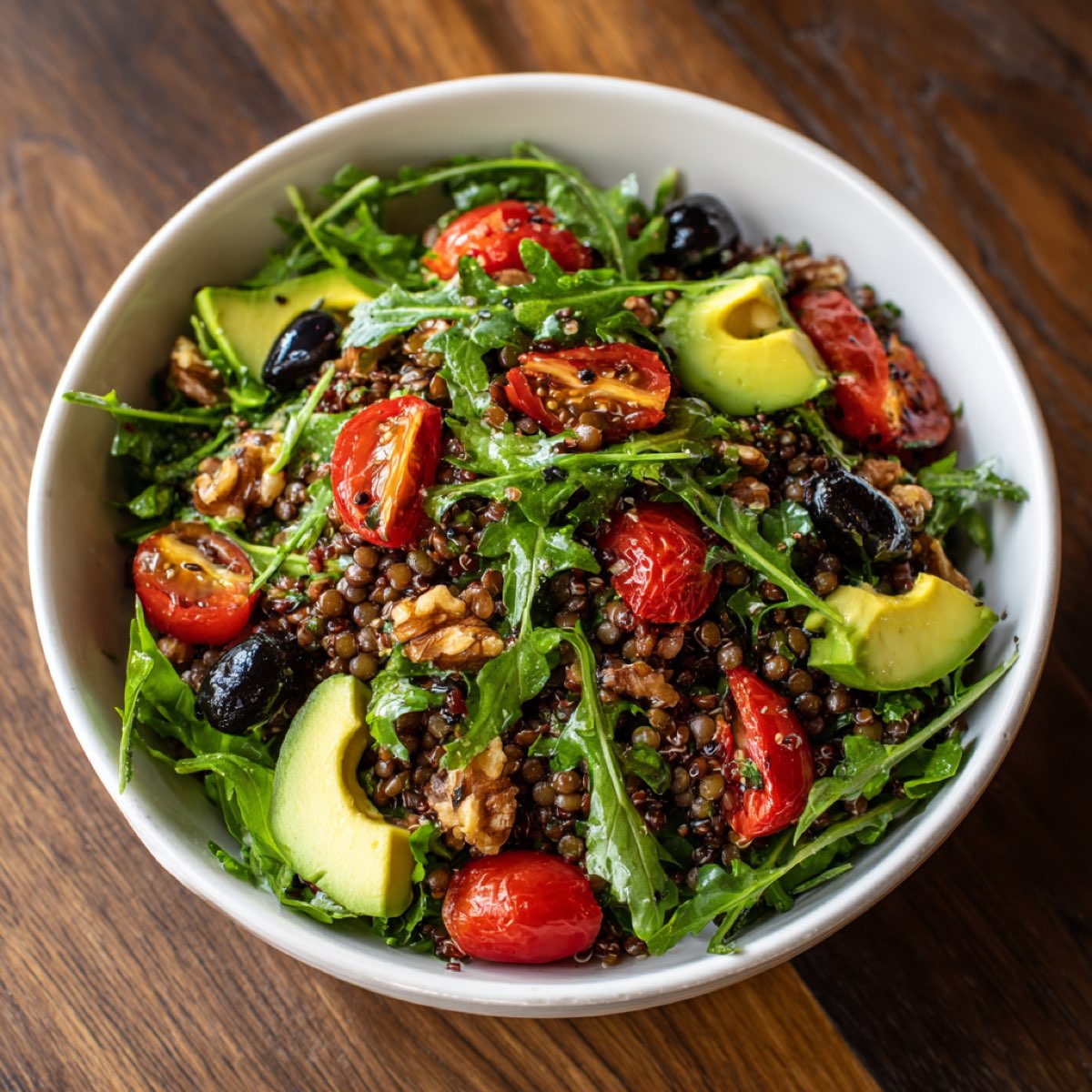
Rocket Lentil Avocado Midday Salad (Gut-Supporting)
Polyphenol-rich midday salad with quinoa or lentils, vegetables, avocado, and early harvest olive oil
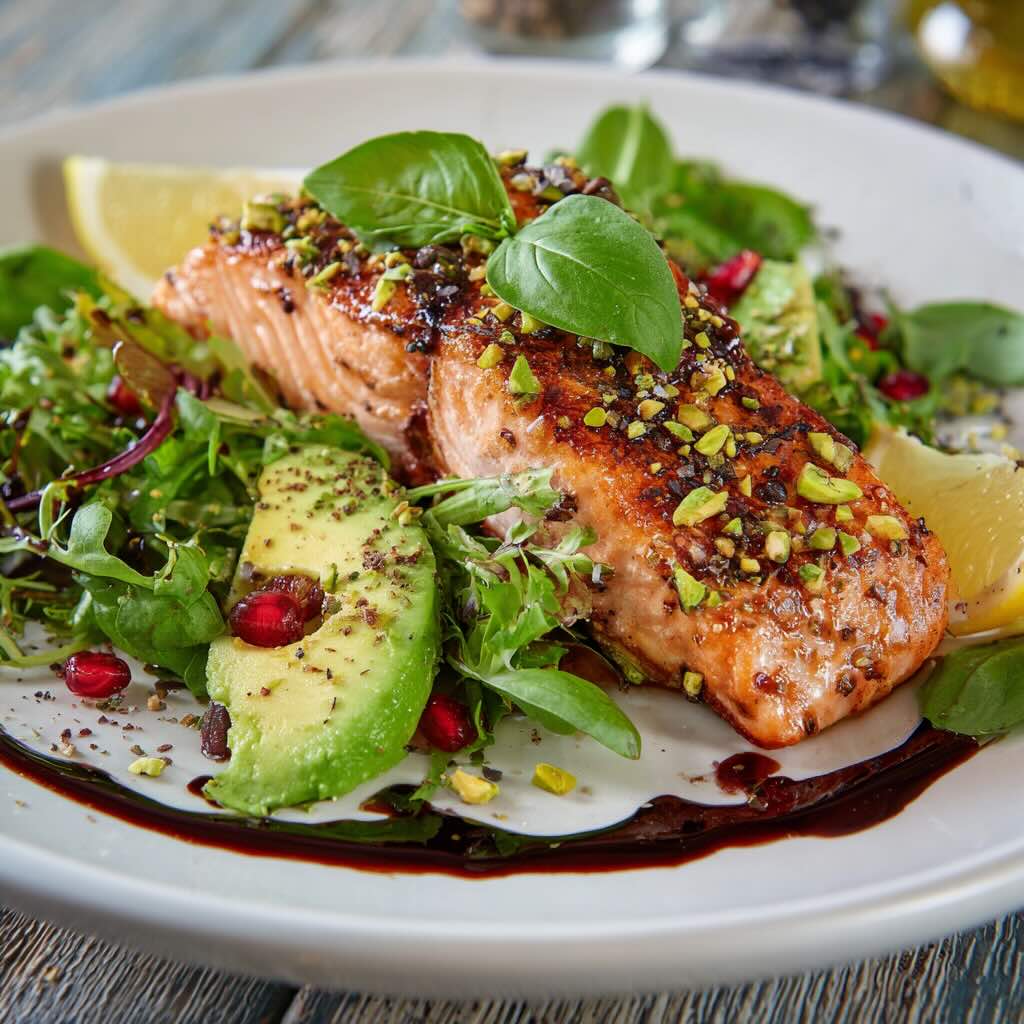
Salmon Bowl-pistachio-cacao-nibs
A Mediterranean-style bowl combining salmon, avocado, pistachios, cacao nibs, and early harvest olive oil — rich in omega-3 fats, polyphenols, and fibre.
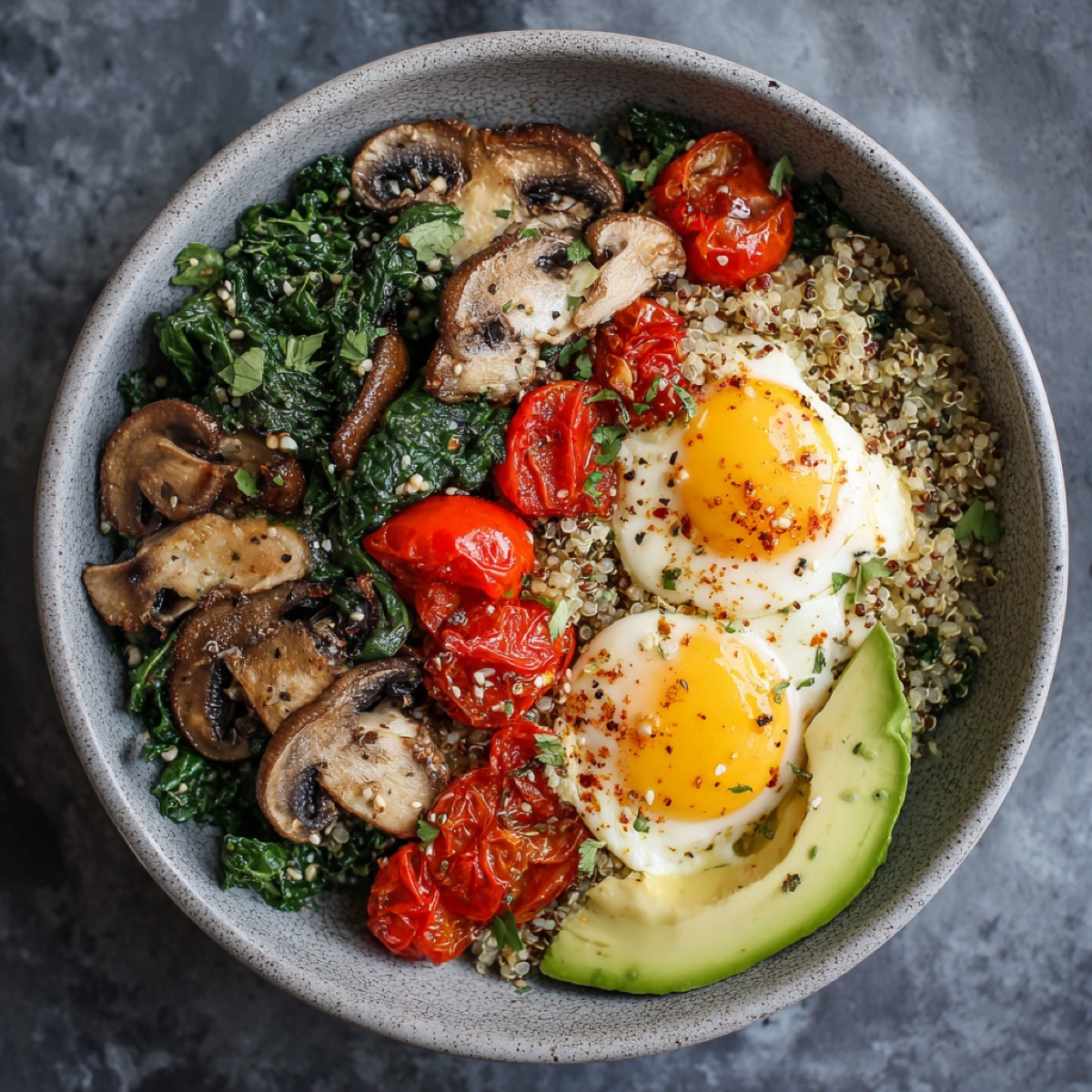
Savoury Greens & Egg Breakfast Skillet
A warm savoury breakfast skillet with eggs, greens, and slow carbohydrates for steady morning energy.
Nutrient Tables (per 100 g)
Selected food and preparation: Avocados, raw, all commercial varieties. per 100 g edible portion.
Core nutrients
| Nutrient | Amount per 100 g | % reference intake per 100 g |
|---|---|---|
| Energy | 160 kcal | — |
| Protein | 2 g | — |
| Total fat | 14.7 g | — |
| Saturated fat | 2.1 g | — |
| Carbohydrates | 8.5 g | — |
| Sugars | 0.7 g | — |
| Fibre | 6.7 g | — |
Key vitamins and minerals
Vitamins and minerals supplying at least 10% of an adult reference intake per 100 g, derived from the composition panel.
| Nutrient | Amount per 100 g | % reference intake per 100 g |
|---|---|---|
| Potassium | 485 mg | 14.3% |
| Copper | 0.2 mg | 21.1% |
| Folate | 81 µg | 20.3% |
| Vitamin B6 | 0.3 mg | 19.8% |
| Vitamin B2 | 0.1 mg | 10% |
| Vitamin B3 | 1.7 mg | 10.9% |
| Vitamin B5 | 1.4 mg | 27.8% |
| Vitamin C | 10 mg | 11.1% |
| Vitamin E | 2.1 mg | 13.8% |
| Vitamin K | 21 µg | 17.5% |
Bioactive compounds
Content applies to the food and preparation identified in the source notes.
| Compound / class | Amount per 100 g | Notes |
|---|---|---|
| Oleic Acid | 9.1 g | — |
| Beta-Carotene | 62 µg | — |
| Lutein | 0.40 mg per 100 g fresh Hass flesh [2] | — |
- Lutein: Measured lutein in the fresh Hass avocados used in the 2017 study. [2]
Technical provenance
Lutein: Avocado Consumption Increases Macular Pigment Density in Older Adults (2017), methods: measured lutein 0.40 ± 0.01 mg/100 g fresh edible portion. Study-specific mean; no separation of the USDA combined-analyte value. [2]
Substances
5 substances in this food
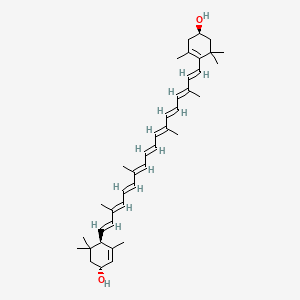

Oleic Acid (OA, n-9)
USDA FoodData Central reports oleic acid in Avocados, raw, all commercial varieties.
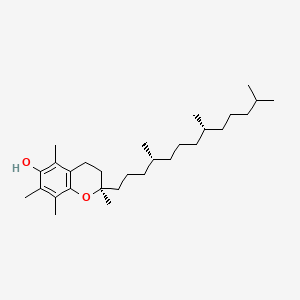
Vitamin E (Tocopherols/Tocotrienols)
USDA FoodData Central reports vitamin E in Avocados, raw, all commercial varieties.
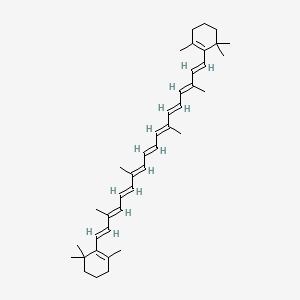
β-Carotene
USDA FoodData Central reports beta-carotene in Avocados, raw, all commercial varieties.
References
[1] Unlu et al. (2005). Carotenoid Absorption from Salad and Salsa by Humans Is Enhanced by the Addition of Avocado or Avocado Oil. Adding avocado fruit or avocado oil to salsa or salad increased human absorption of lycopene, α-carotene, β-carotene and lutein versus the same meals without avocado lipid.
[2] Avocado Consumption Increases Macular Pigment Density in Older Adults (2017)