Whey Protein

Overview
Whey protein provides high-quality complete protein (DIAAS 118-122) and nicotinamide riboside, an efficient NAD+ precursor supporting mitochondrial function.
Within the BRAIN Diet framework, whey protein isolate has DIAAS 118–122 with no limiting amino acids, high leucine content, and supports BDNF and neurotransmitter synthesis.
Food Context
Synergies
- Part of protein strategy for brain health
Preparation
- Can be used as supplement or in smoothies
- High-quality protein source
- Supports mitochondrial NAD+ availability
Essential Amino Acid Profile
Whey Protein contribute plant protein. Pair with complementary protein sources (e.g. grains and legumes) for a balanced essential amino acid profile.
Recipes
Nutrient Tables (per 100 g)
Selected food and preparation: Beverages, Protein powder whey based. per 100 g edible portion.
Core nutrients
| Nutrient | Amount per 100 g | % reference intake per 100 g |
|---|---|---|
| Energy | 352 kcal | — |
| Protein | 78.1 g | — |
| Total fat | 1.6 g | — |
| Saturated fat | 0.8 g | — |
| Carbohydrates | 6.3 g | — |
| Fibre | 3.1 g | — |
Key vitamins and minerals
Vitamins and minerals supplying at least 10% of an adult reference intake per 100 g, derived from the composition panel.
| Nutrient | Amount per 100 g | % reference intake per 100 g |
|---|---|---|
| Zinc | 6.2 mg | 56.2% |
| Magnesium | 195 mg | 46.4% |
| Phosphorus | 1321 mg | 188.7% |
| Selenium | 26.7 µg | 48.5% |
| Calcium | 469 mg | 46.9% |
| Potassium | 500 mg | 14.7% |
| Choline | 224 mg | 40.7% |
| Vitamin B12 | 2.5 µg | 102.1% |
| Vitamin B6 | 0.6 mg | 46.7% |
| Vitamin B2 | 2 mg | 155.2% |
| Vitamin B1 | 0.6 mg | 50.8% |
| Vitamin B5 | 5.5 mg | 110.3% |
Bioactive compounds
| Compound / class | Amount per 100 g | Notes |
|---|---|---|
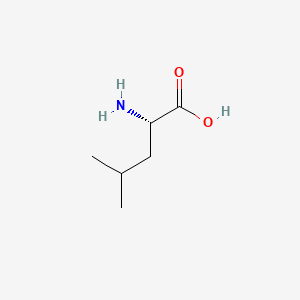
| Leucine | Present [3] | whey protein concentrate and isolate |
- Leucine: Reported in whey protein concentrate and isolate. [3]
Technical provenance
Leucine: Practical applications of whey protein (2021). Table 1 separately identifies leucine in whey protein concentrate and isolate per 25 g protein; no per-protein to food-mass substitution. [3]
Substances
References
[1] Whey protein isolate scores among the highest DIAAS values for essential amino-acid quality. FAO 2013. Dietary Protein Quality Evaluation in Human Nutrition: Report of an FAO Expert Consultation
[2] Leucine-rich whey protein acutely stimulates muscle protein synthesis via mTOR signalling. Norton & Layman 2006. Leucine regulates translation initiation of protein synthesis in skeletal muscle after exercise