Turmeric

Overview
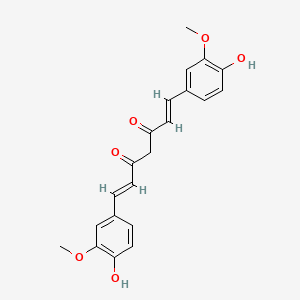
Turmeric is the whole spice (dried and ground root of the Curcuma longa plant) that contains many bioactive compounds, including curcumin (the most well-known polyphenol), demethoxycurcumin, bisdemethoxycurcumin, turmerones (fat-soluble compounds), and essential oils. Only 2–6% of turmeric powder is curcumin. Curcumin is responsible for most of turmeric's anti-inflammatory and neuroprotective effects.
Within the BRAIN Diet framework, absorption is enhanced by pairing with black pepper (piperine) and fat. Therapeutic doses typically use 500–1000 mg/day curcumin with piperine.
Food Context
Synergies
- Pair with black pepper (piperine) for up to 2000% increased bioavailability
- Pair with fat and heat for enhanced absorption
- Part of culinary spice strategy
Preparation
- Can be used in therapeutic doses when needed
Essential Amino Acid Profile
Turmeric contribute plant protein. Pair with complementary protein sources (e.g. grains and legumes) for a balanced essential amino acid profile.
Recipes
3 recipes containing this food
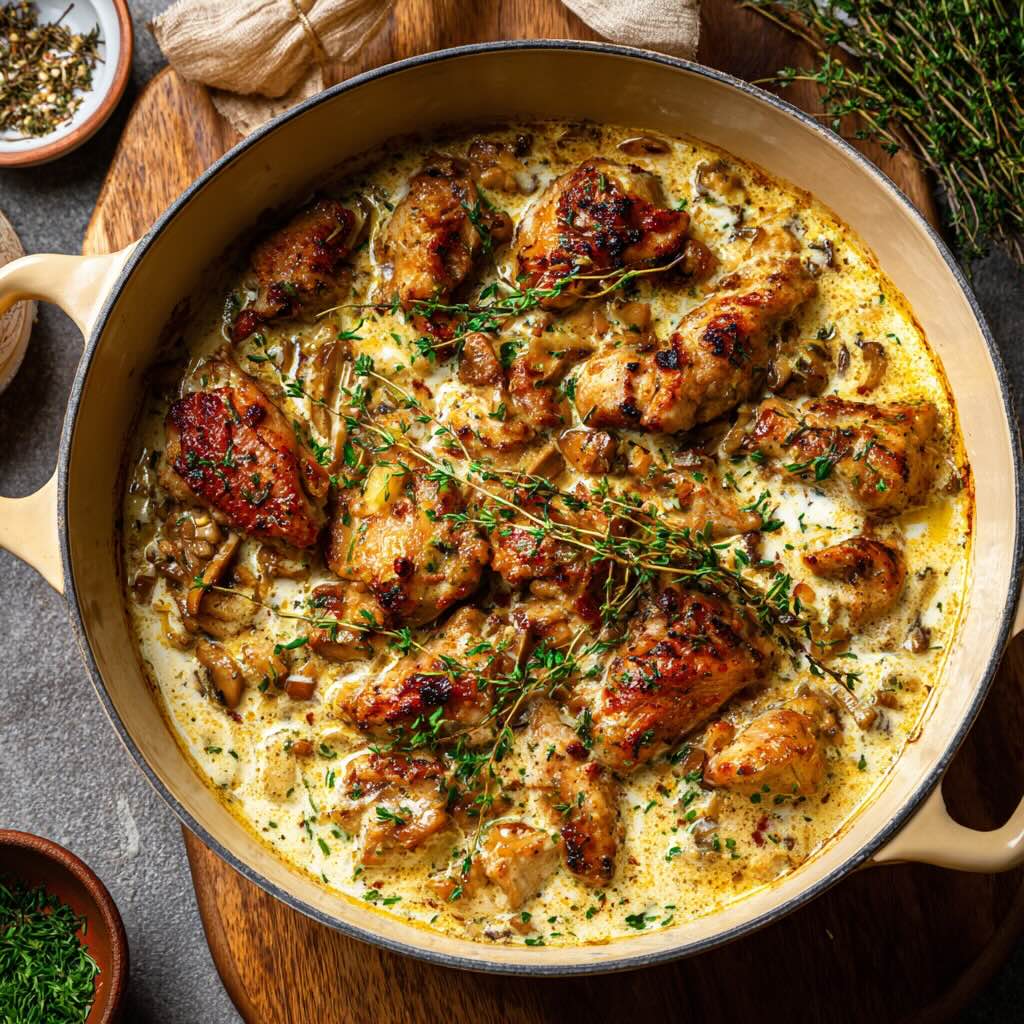
Turkey Wing Stew
A collagen-rich, glycine-heavy slow-cooked stew made from affordable turkey wings — rich in protein, tryptophan, and B vitamins.
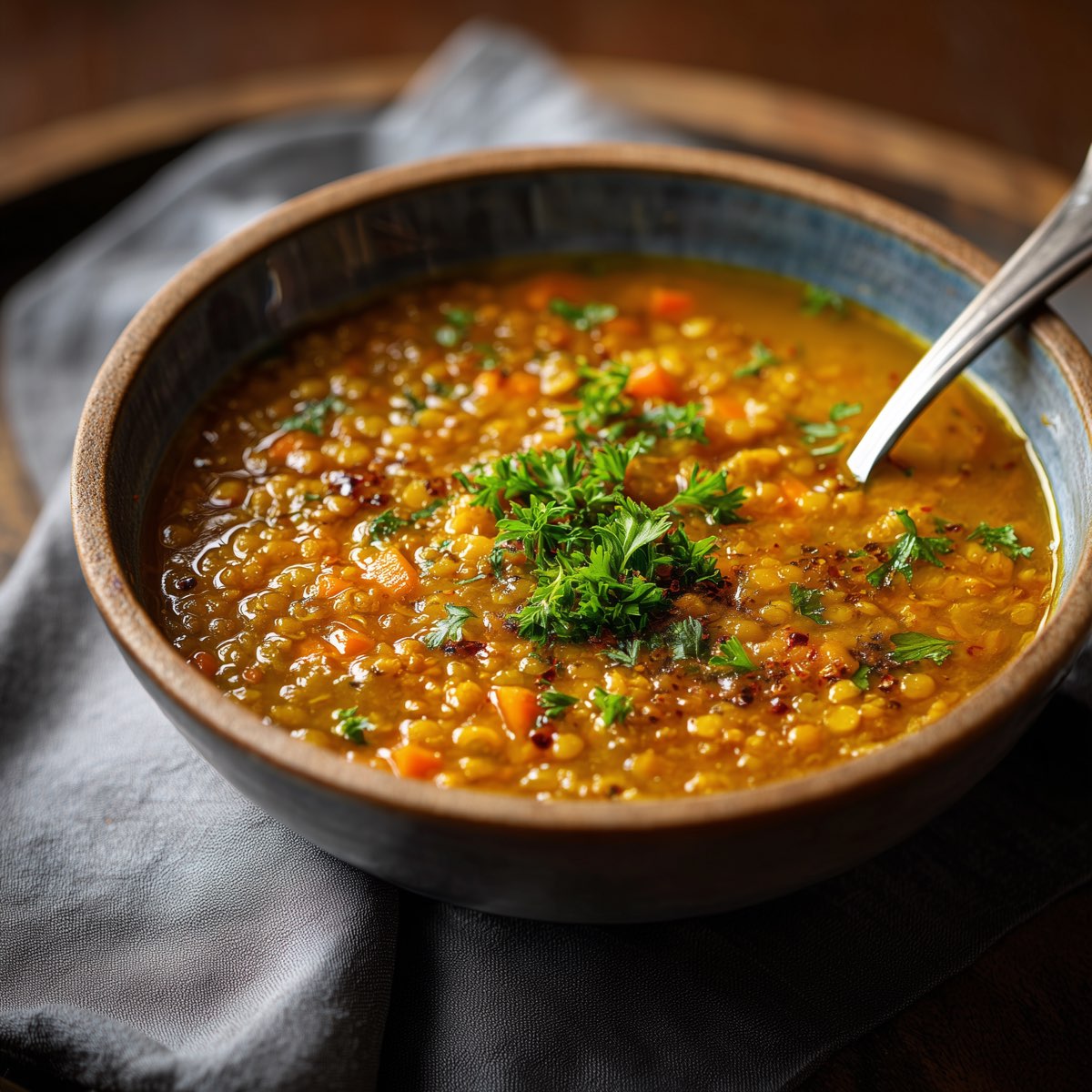
Turmeric Lentil Dahl
Turmeric- and ginger-spiced lentil dish rich in fibre, folate, and polyphenols
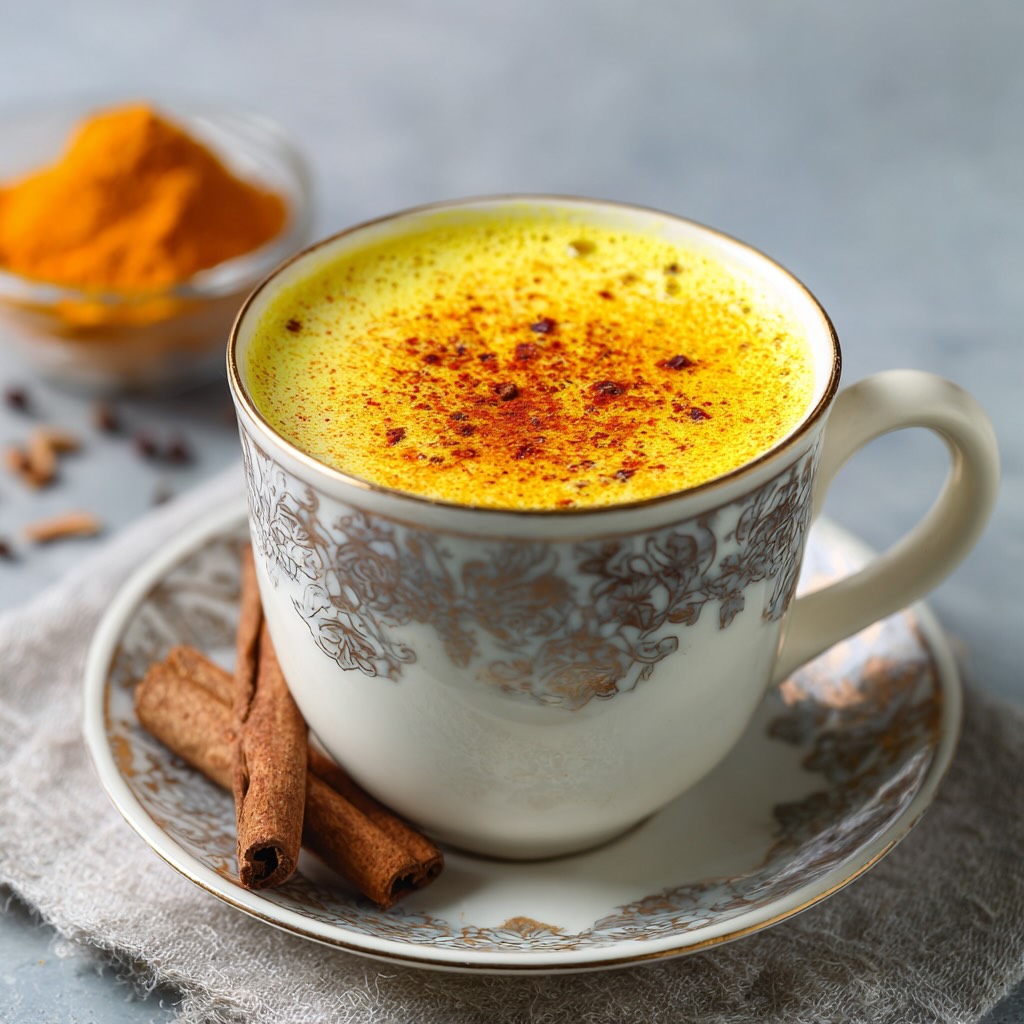
Turmeric Milk
A warming drink combining turmeric (curcumin) with milk/fat for enhanced curcumin absorption
Nutrient Tables (per 100 g)
Selected food and preparation: Spices, turmeric, ground. per 100 g edible portion.
Core nutrients
| Nutrient | Amount per 100 g | % reference intake per 100 g |
|---|---|---|
| Energy | 312 kcal | — |
| Protein | 9.7 g | — |
| Total fat | 3.3 g | — |
| Saturated fat | 1.8 g | — |
| Carbohydrates | 67.1 g | — |
| Sugars | 3.2 g | — |
| Fibre | 22.7 g | — |
Key vitamins and minerals
Vitamins and minerals supplying at least 10% of an adult reference intake per 100 g, derived from the composition panel.
| Nutrient | Amount per 100 g | % reference intake per 100 g |
|---|---|---|
| Iron | 55 mg | 305.6% |
| Zinc | 4.5 mg | 40.9% |
| Magnesium | 208 mg | 49.5% |
| Phosphorus | 299 mg | 42.7% |
| Manganese | 19.8 mg | 860.9% |
| Selenium | 6.2 µg | 11.3% |
| Calcium | 168 mg | 16.8% |
| Potassium | 2080 mg | 61.2% |
| Copper | 1.3 mg | 144.4% |
| Vitamin B2 | 0.2 mg | 11.5% |
| Vitamin B5 | 0.5 mg | 10.8% |
| Vitamin E | 4.4 mg | 29.5% |
| Vitamin K | 13.4 µg | 11.2% |
Bioactive compounds
| Compound / class | Amount per 100 g | Notes |
|---|---|---|
| Curcumin | 3500 mg (estimate) [3] | Curcuminoids are often ~2–6% of turmeric powder; piperine + fat improves absorption. |
- Curcumin: Representative mid-range for ground turmeric spice as a percent of powder mass; extracts and curry blends differ. Standard USDA panels do not resolve curcuminoids separately. [3]
Technical provenance
Curcumin: Representative mid-range for ground turmeric spice as a percent of powder mass; extracts and curry blends differ. Standard USDA panels do not resolve curcuminoids separately. [3]
Substances
1 substance in this food
References
[1] Curcumin from turmeric is studied for anti-inflammatory and neuroprotective mechanisms. Goozee et al. 2016. Examining the effects of a special Turmeric extract on cognition: a systematic review
[2] Piperine markedly increases curcumin bioavailability when turmeric is paired with black pepper. Shoba et al. 1998. Influence of Piperine on the Pharmacokinetics of Curcumin in Animals and Human Volunteers