Salmon Bowl-pistachio-cacao-nibs
Overview
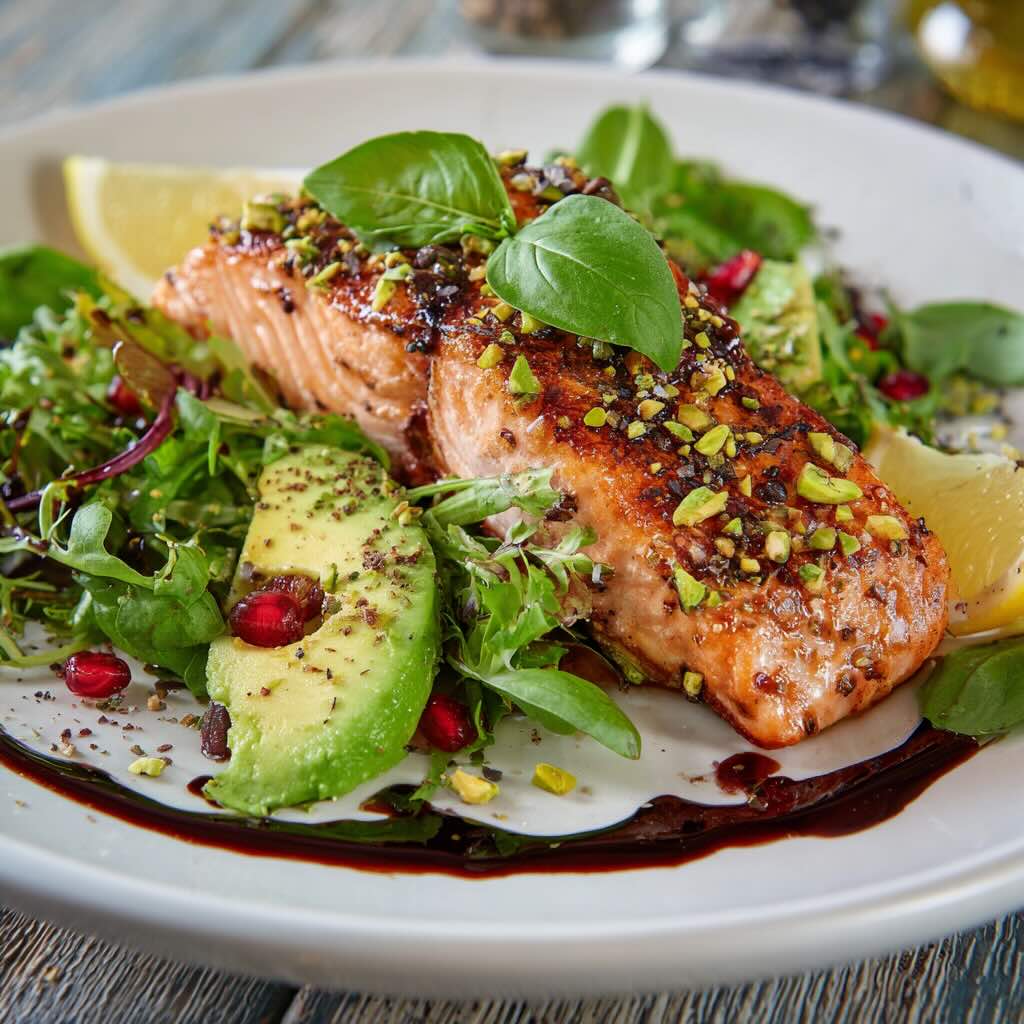
A Mediterranean-style bowl combining salmon, avocado, pistachio, raw cacao nibs, and pomegranates. These ingredients provide omega-3 fats, polyphenols, fibre, and a favourable omega-6:omega-3 ratio. Lemon and fresh greens add brightness, fibre, and micronutrients.
Ingredients (2 servings)
- 120–150 g (4.2–5.3 oz) wild salmon (baked or lightly pan-seared)
- 150 g (1 medium) ripe avocado, sliced
- 40–50 g (approx 1/3 cup) pistachios (raw or dry-roasted, unsalted)
- 30 g (1 cup) spinach (baby spinach)
- 15 ml (1 tbsp) cacao nibs (raw)
- 50 g (approx 1 cup) pomegranate arils (seeds)
- 15–30 ml (1–2 tbsp) early harvest olive oil
- 5 ml (1 tsp) chia seeds
- 24 ml (about 1 1/2 tbsp) lemon juice (from 1/2 lemon)
- 10 g (approx 2 tbsp) fresh mint or basil leaves (optional)
- 1 g (approx 1/4 tsp) fine sea salt (to taste)
Method
-
Cook the salmon
Bake at 180°C for 10–12 min, or gently pan-sear.
Avoid browning or hard searing to protect omega-3 fatty acids. -
Plate the greens and avocado
Arrange leafy greens in a wide bowl. Add sliced avocado. -
Add the salmon
Flake or slice gently.
Keep structure visible for visual and textural balance. -
Add toppings
Sprinkle pistachios, then chia seeds.
Lightly scatter cacao nibs (0.5–1 tsp per bowl) to provide bitterness and crunch.
Sprinkle pomegranate arils over the bowl for sweetness and color. -
Dress
Drizzle early harvest olive oil, add lemon juice, season lightly with salt.
Finish with mint or basil leaves (if using).
Nutrition
Detailed nutrition calculation pending ingredient-weight reconciliation.
Extra Guidance
- Serve at room temperature.
- Do not add sweet dressings — cacao functions as a bitter spice, not dessert.
- Sprinkle cacao nibs just before serving to preserve snap and aromatic bitterness.
Brain Health Notes
- Salmon provides EPA and DHA, omega-3 fats important for brain structure and cell membranes.
- Pistachios and avocado supply oleic acid and other fats; avocado contains compounds studied in relation to endocannabinoid-like signalling.
- Cacao nibs provide polyphenols (flavanols) that are studied for antioxidant and vascular effects.
- Early harvest olive oil contains phenolic compounds associated with antioxidant activity.
- Leafy greens and nuts provide fibre that feeds gut bacteria; fibre fermentation produces SCFAs, which are studied for gut–brain communication.
Salmon sourcing
This bowl works with either wild-caught or responsibly farm-raised salmon. Aim for salmon that is sustainably sourced and clearly labelled as free from routine antibiotics and unnecessary additives, whether wild or farmed. Please be sure to research your supermarket and their suppliers — many are moving towards more sustainable, ethical sourcing (e.g. M&S Aquaculture and Fisheries). For a balanced overview of wild versus farmed salmon, see resources such as the summary from North Coast Seafoods.
The U.S. Food and Drug Administration (FDA) and Environmental Protection Agency (EPA) jointly publish guidance on fish mercury levels. They categorize fish into "Best Choices", "Good Choices", and "Choices to Avoid" based on average mercury concentrations and safe weekly intake levels. Salmon is repeatedly in the "Best Choices" category because it consistently has low mercury relative to the reference dose used to set safety advice (≤0.15 µg/g).
Explore the foods and substances
Show 8 foods and their substances
Avocado
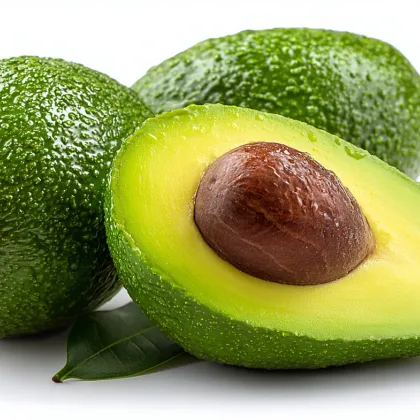
Fibre-rich fruit with mostly monounsaturated fat, vitamin E and carotenoids
Substances: Lutein, Oleic Acid (OA, n-9), Potassium, Vitamin E (Tocopherols/Tocotrienols), β-Carotene
Cacao Nibs (Raw)
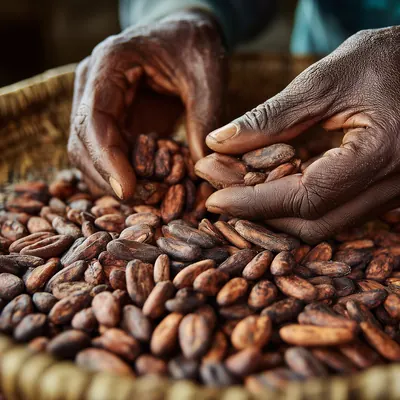
Crunchy minimally processed cacao pieces; flavanols (epicatechin/catechin) and fibre, used as a bitter “spice” topping.
Substances: Catechin, Epicatechin, Oligomeric Procyanidins
Chia Seeds
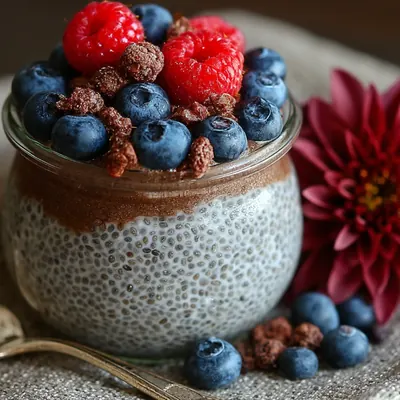
ALA omega-3, fiber, and minerals
Substances: ALA (Alpha-Linolenic Acid), Calcium, Linoleic Acid (LA, n-6), Magnesium, Manganese, Phosphorus (Phosphate)
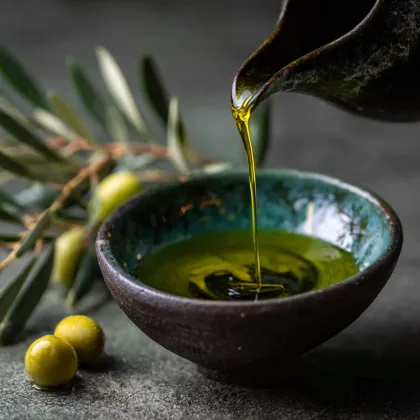
Olive Oil (Early Harvest)
Premium extra virgin olive oil with enhanced CoQ10, oleuropein, and polyphenol content from early harvest timing
Substances: Coenzyme Q10 (CoQ10), Hydroxytyrosol (Olive Polyphenol), Oleacein, Oleocanthal, Tyrosol


Pomegranates
Ellagitannins for urolithin A production and polyphenol support
Substances: Cyanidin and Cyanidin-3-Glucoside (C3G), Delphinidin, Pelargonidin, Potassium, Vitamin C (Ascorbate)

Salmon
Oily fish rich in EPA/DHA, protein, and B vitamins
Substances: Astaxanthin, DHA (Docosahexaenoic Acid), EPA (Eicosapentaenoic Acid), Methionine, Omega-3 Fatty Acids, Selenium, Vitamin B12 (Cobalamin)

Spinach
Leafy green rich in iron, magnesium, folate, and carotenoids
Substances: Betaine, Calcium, Copper, Iron, Kaempferol, Lutein, Magnesium, Manganese, Phosphorus (Phosphate), Potassium, Vitamin A (Retinoids; β-Carotene precursor), Vitamin B1 (Thiamine), Vitamin B2 (Riboflavin), Vitamin B6 (Pyridoxine → PLP), Vitamin B9 (Folate), Vitamin C (Ascorbate), Vitamin K (Phylloquinone), Zeaxanthin, Zinc, β-Carotene