Tofu
Overview
Tofu is a soy-based food providing complete plant protein, isoflavones (genistein), and choline, supporting neurotransmitter synthesis and neuroprotection. Tofu is listed as a source for iron, choline, tryptophan, and tyrosine. High-tyrosine protein (eggs, tofu, turkey) for morning meals to support dopamine synthesis. Tofu is often calcium-fortified, making it valuable for plant-based diets.
Recipes
Substances
Preparation Notes
- Choose calcium-fortified varieties when possible for bone health and calcium support
- Pair with grains for complete amino acid profile; grain-legume complementarity improves essential amino-acid coverage
- Can be prepared various ways (baked, fried, steamed); gentle cooking preserves nutrients
- Part of diverse plant protein strategy
- High-tyrosine protein (eggs, tofu, turkey) for morning meals to support dopamine synthesis
Biological Target Matrix
| Biological Target | Substance | Therapeutic Areas | Mechanism of Action |
|---|---|---|---|
| Endocannabinoid System (ECS) | Choline | Precursor for phosphatidylcholine (PC) synthesis; PE can be converted into PC or N-acyl phosphatidylethanolamines (NAPEs); NAPEs are precursors to N-acyl ethanolamines (NAEs) like palmitoylethanolamide (PEA), oleoylethanolamide (OEA), and anandamide (AEA), bioactive lipids which act as neuromodulators with anti-inflammatory, neuroprotective, and mood-regulating effects | |
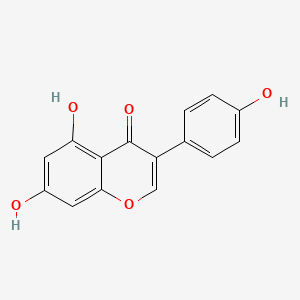
| Endocannabinoid System (ECS) | Genistein | Inhibits fatty acid amide hydrolase (FAAH), preserving anandamide levels and enhancing ECS tone; modulates dopamine, glutamate, and GABA signaling | |
| Hormonal Response | Calcium | Supports calcium modulation along with vitamin D, magnesium, taurine, phospholipids, and flavonoids; supports insulin sensitivity, sympathetic arousal, and mitochondrial excitability | |
| Hormonal Response | Magnesium | Supports calcium modulation along with vitamin D, taurine, phospholipids, and flavonoids; supports insulin sensitivity, sympathetic arousal, and mitochondrial excitability | |
| Inflammation | Copper | Participates in redox enzymes and antioxidant networks | |
| Inflammation | Genistein | Anti-inflammatory and anti-neuroinflammatory properties; reduces neuroinflammation | |
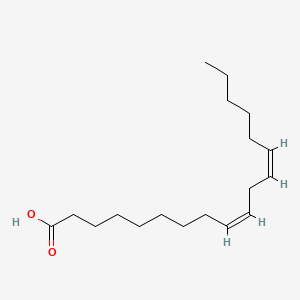
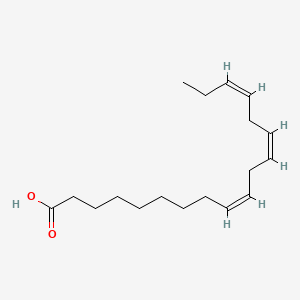
| Inflammation | Linoleic Acid (LA, n-6) | Essential omega-6 fatty acid; precursor to arachidonic acid and eicosanoids; excessive n-6:n-3 ratios may skew toward pro-inflammatory eicosanoids | |
| Insulin Response | Magnesium | Supports insulin sensitivity and glucose metabolism; magnesium deficiency is associated with insulin resistance; supports enzymes involved in glucose metabolism | |
| Methylation | Choline | Precursor to trimethylglycine (TMG/betaine), a dietary methyl donor that helps recycle homocysteine to methionine via an alternative pathway; supports one-carbon metabolism alongside folate, riboflavin, and B12; influences methylation dynamics relevant to MTHFR and COMT activity | |
| Methylation | Methionine | Essential amino acid that forms S-adenosylmethionine (SAMe), the universal methyl donor for neurotransmitter synthesis and membrane phospholipid methylation | |
| Mitochondrial Support | Iron | Critical for oxygen delivery to the brain via hemoglobin; supports mitochondrial function and energy production | |
| Mitochondrial Support | Magnesium | Supports enzymes involved in glycolysis and the Krebs cycle (processes that generate ATP from glucose); binds to ATP and all triphosphates in cells to activate them | |
| Mitochondrial Support | Manganese | Supports mitochondrial antioxidant defense through MnSOD activity | |
| Mitochondrial Support | Selenium | Protects mitochondria from oxidative damage through antioxidant enzyme activity | |
| Neurochemical Balance | Calcium | Essential for nerve impulse transmission and neurotransmission | |
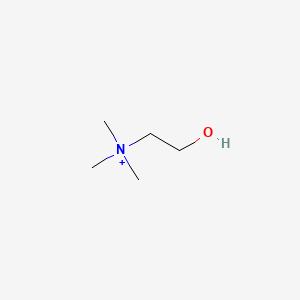
| Neurochemical Balance | Choline | Essential precursor for acetylcholine synthesis, supporting memory, learning, and neuroplasticity; supports membrane phospholipid biosynthesis (PC) which is critical for membrane fluidity and neurotransmitter receptor function; phospholipid methylation (PLM) alters membrane structure, facilitating faster neuronal recovery and influencing ion channel behavior in gamma oscillations linked to attention and cognition | |
| Neurochemical Balance | Copper | Cofactor in dopamine β-hydroxylase, supporting catecholamine synthesis; supports norepinephrine synthesis | |
| Neurochemical Balance | Genistein | Enhances endocannabinoid activity; modulates dopamine, glutamate, and GABA signaling pathways | |
| Neurochemical Balance | Iron | Essential cofactor for tyrosine hydroxylase, the rate-limiting enzyme in the conversion of tyrosine to dopamine; critical for catecholamine synthesis | |
| Neurochemical Balance | Magnesium | Broad cofactor for neurotransmitter synthesis and receptor modulation (e.g., NMDA, GABA); functions as an NMDA receptor antagonist and GABA receptor modulator; assists enzymes involved in synthesis of dopamine and serotonin | |
| Neurochemical Balance | Phenylalanine | Essential amino acid that converts to tyrosine and supports catecholamine synthesis (dopamine, norepinephrine); participates in LAT1 competition at the blood-brain barrier | |
| Neurochemical Balance | Tryptophan | Precursor for serotonin and melatonin; brain entry competes at LAT1 with other large neutral amino acids (LNAAs); carbohydrate-rich, low-protein meals raise the plasma tryptophan:LNAA ratio because insulin pushes competing LNAAs out to muscles; can feed NAD+ synthesis via the kynurenine pathway | |
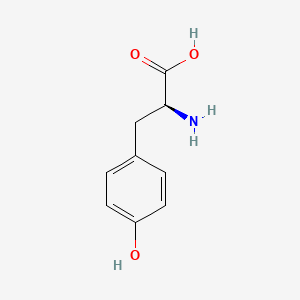
| Neurochemical Balance | Tyrosine | Catecholamine precursor (dopamine, norepinephrine); brain transport via LAT1 competes with other LNAAs; iron is an essential cofactor for tyrosine hydroxylase, the rate-limiting enzyme in conversion of tyrosine to dopamine; cofactors include iron, B6, folate, omega-3s, and BH₄ (tetrahydrobiopterin) to support rate-limiting steps in catecholamine synthesis | |
| Oxidative Stress | Copper | Included in antioxidant enzyme networks; interacts with iron metabolism affecting oxidative stress | |
| Oxidative Stress | Genistein | Prevents neuronal death; increases hippocampal glutathione (GSH) and superoxide dismutase (SOD); lowers lipid peroxidation, ROS, and nitric oxide production | |
| Oxidative Stress | Linoleic Acid (LA, n-6) | Essential fatty acid; balance with omega-3s is emphasized for optimal inflammatory tone | |
| Oxidative Stress | Manganese | Essential cofactor for MnSOD (SOD2), supporting detoxification of superoxide within the mitochondrial matrix | |
| Oxidative Stress | Selenium | Supports glutathione peroxidase (GPx) and other antioxidant systems, protecting membranes and mitochondria from oxidative damage | |
| Stress Response | Magnesium | Helps manage stress responses; combined with vitamin D reduced behavioral problems; synergy with zinc and omega-3s reported |
References
- Iron (heme & non-heme): Oxygen delivery to brain, dopamine synthesis; food sources include liver, beef, lamb, poultry, fish, lentils, spinach, tofu, pumpkin seeds
- High-tyrosine protein (eggs, tofu, turkey) for morning meals to support dopamine synthesis
- See Soy for detailed isoflavone information; genistein, a soy-derived isoflavonoid, has shown potential as a modulator of several biochemical pathways, including the endocannabinoid system and neuroinflammation
- Acetylcholine and choline: Memory, learning, neuroplasticity; food sources include egg yolks, fish roe, soy, wheat germ, liver (tofu provides choline from soy)
- Serotonin: Mood regulation, emotional control, impulse moderation; food sources include turkey, eggs, dairy, soy, seeds, oats, bananas (tofu provides tryptophan from soy)