Extra Virgin Olive Oil
Overview
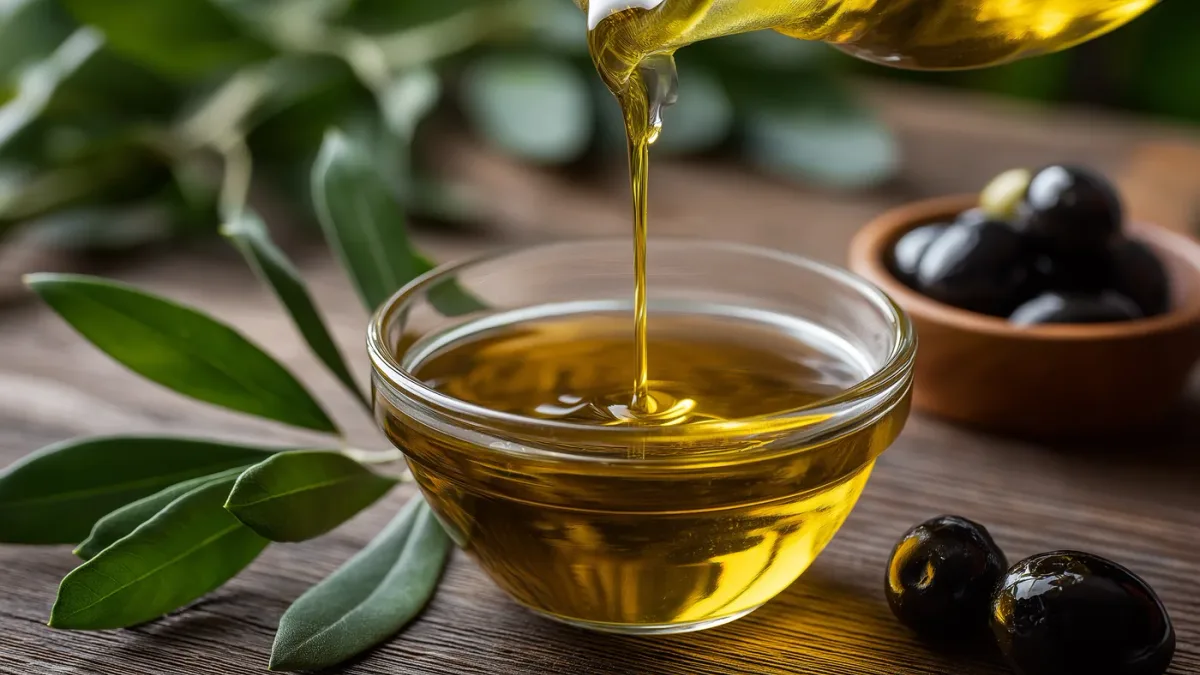
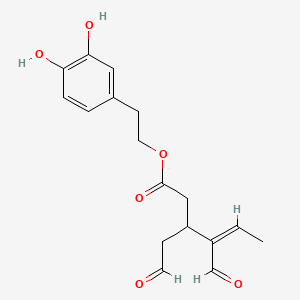
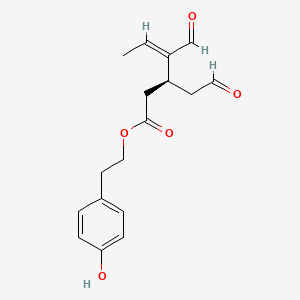
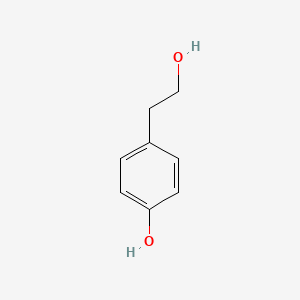
Extra virgin olive oil is a culinary oil rich in oleic acid. It contains phenolics including oleocanthal, oleacein, hydroxytyrosol and tyrosol. Amounts vary with the olives, harvest, processing and storage. Oleuropein-related derivatives in oil should be distinguished from intact oleuropein.
Food Context
Preparation
- Use for dressings, drizzling and cooking.
- Store away from heat and light.
- Harvest timing alone does not guarantee a particular phenolic or CoQ10 concentration.
Recipes
7 recipes containing this food
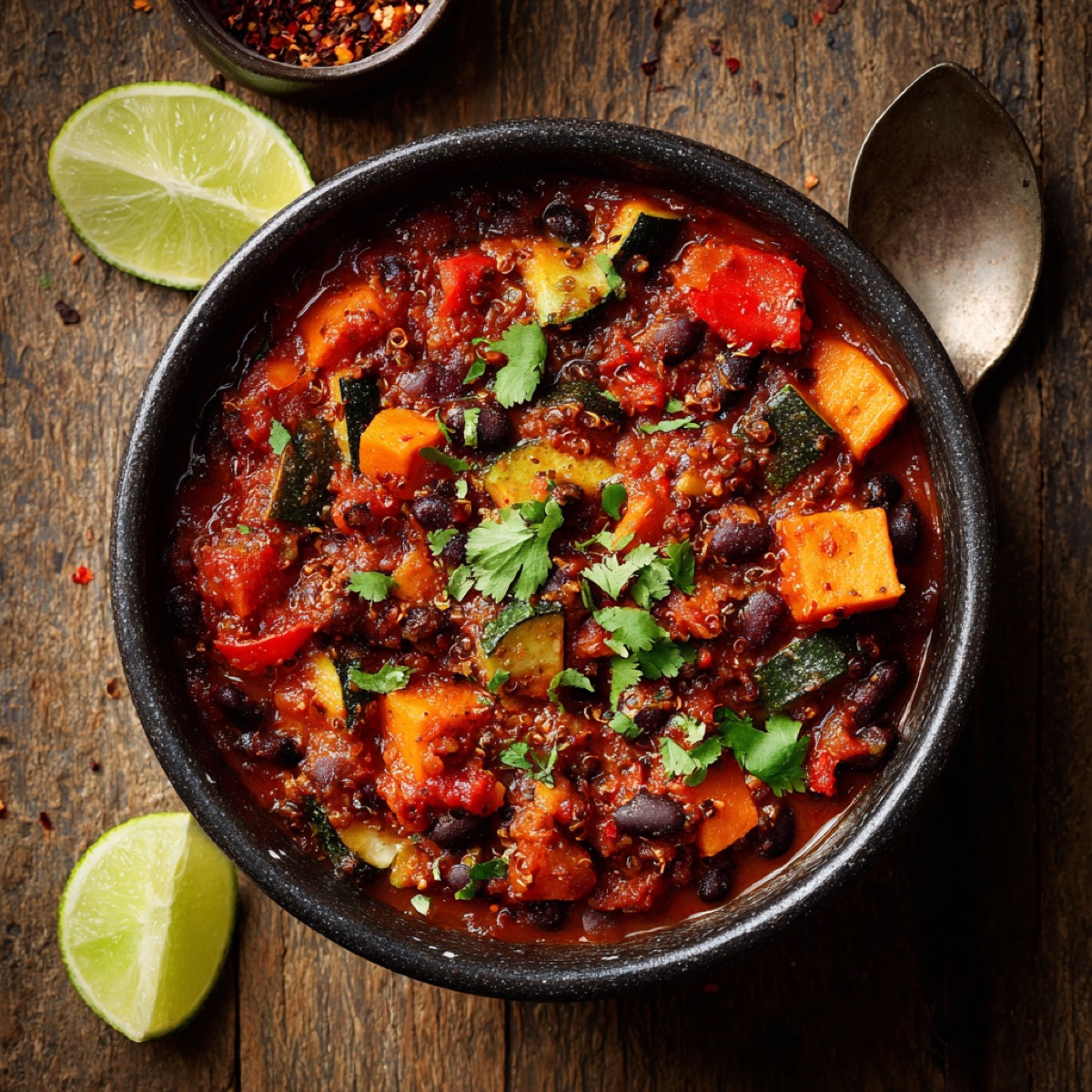
Black Bean & Sweet Potato Vegetable Chilli
A fibre-rich bean and vegetable chilli with warming spices and slow carbohydrates for steady energy and satiety.
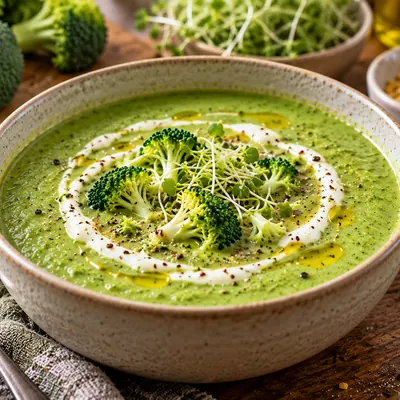
Broccoli, Potato and Onion Soup
A smooth broccoli, potato and onion soup for 4, with the broccoli blended and rested before a short simmer.
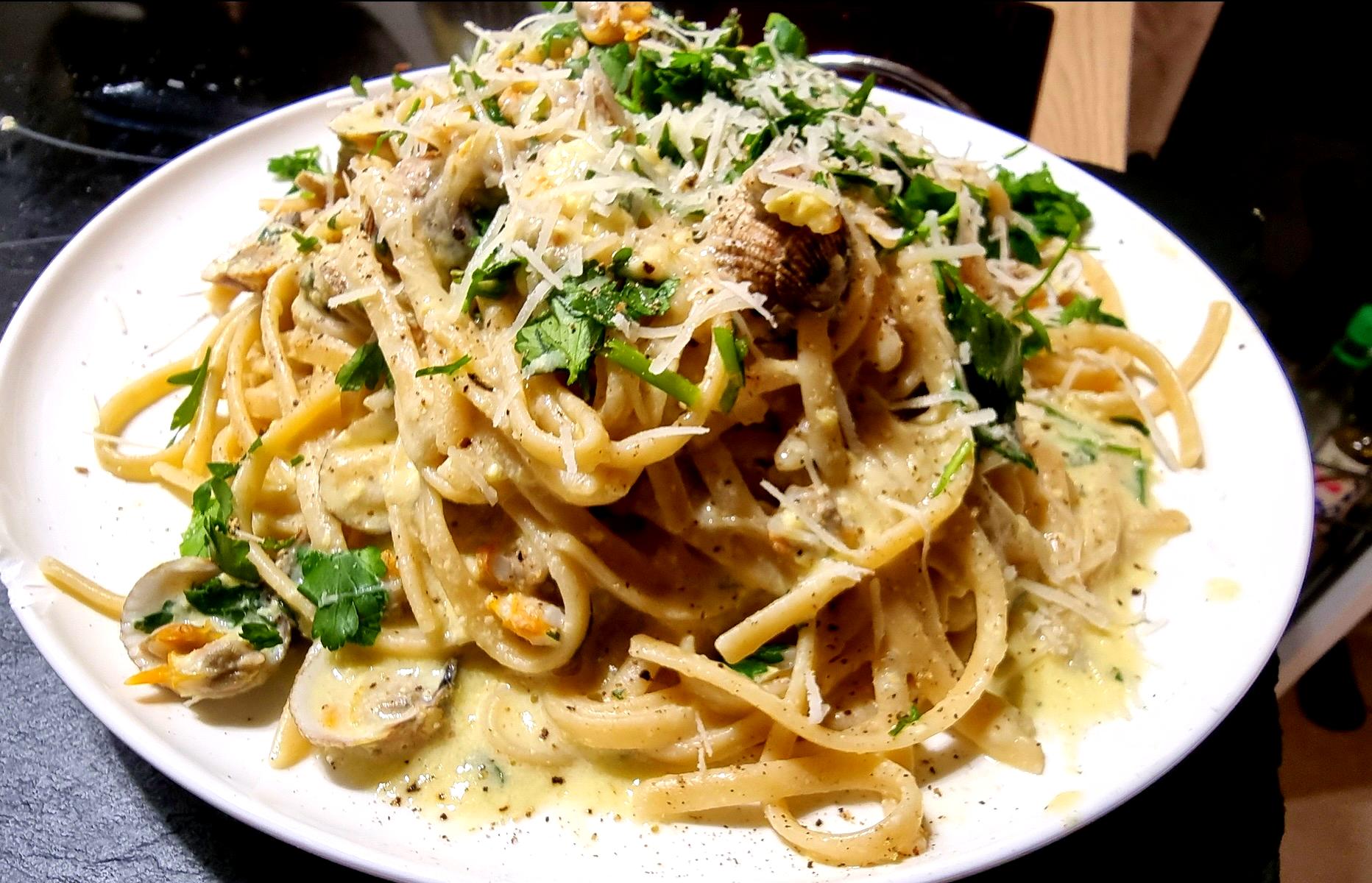
Linguine alle vongole mantecate (Linguine with cockles in a silky emulsified sauce)
Whole-wheat linguine with cockles in a silky emulsified sauce; Italian emulsification technique without cream, supporting taurine, B12, and choline intake.
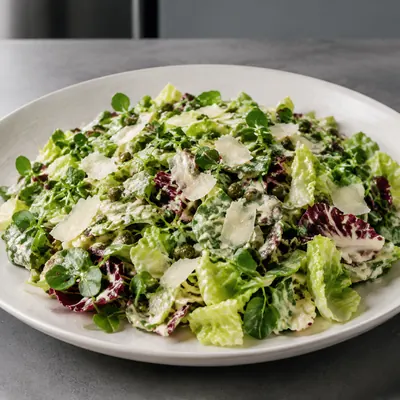
Mixed-Leaf Tahini Caesar Salad
A Caesar-style mixed-leaf salad with a tahini, anchovy, caper and Parmesan dressing, using extra virgin olive oil retained from oil-packed capers.
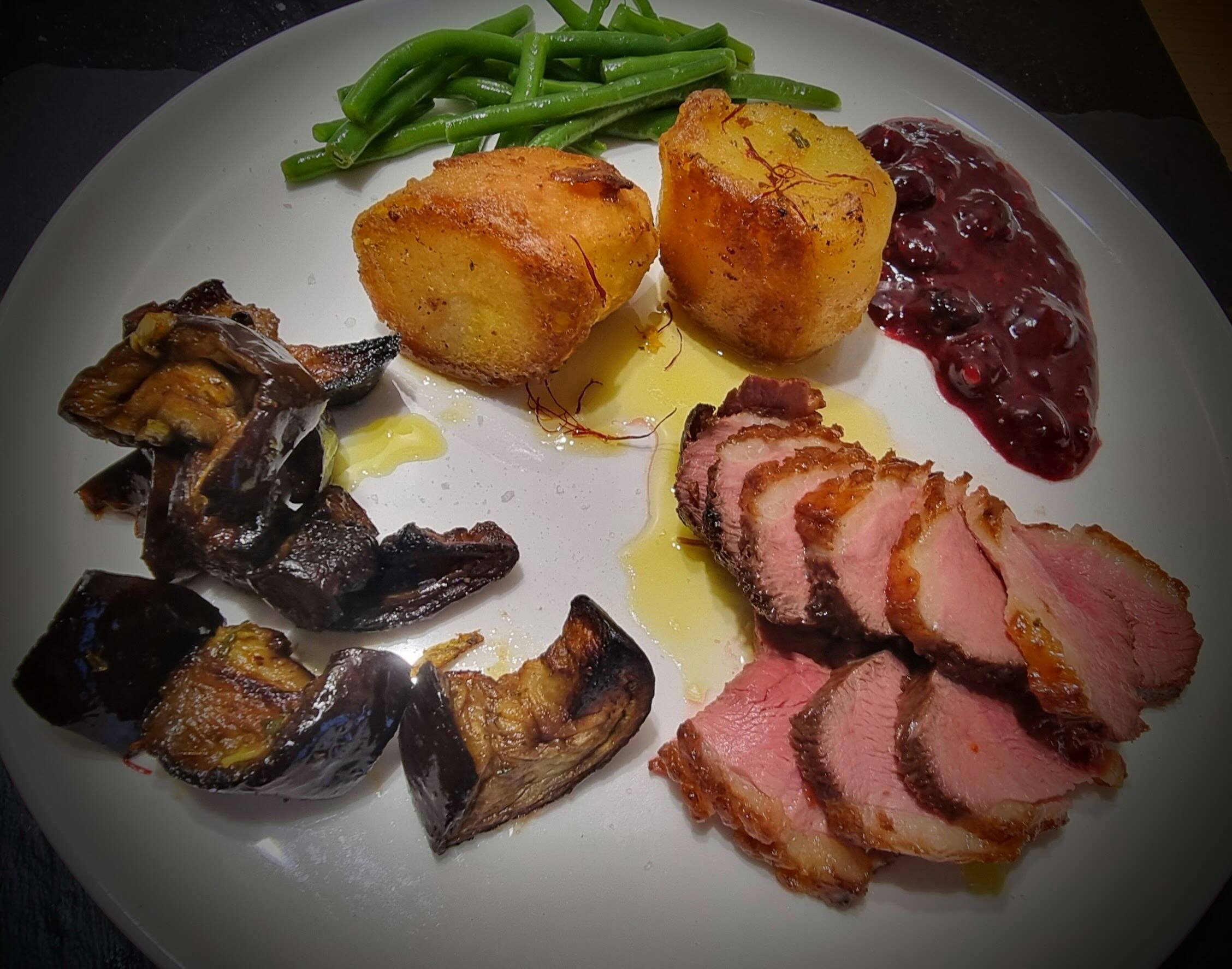
Roast Duck Breast with Berry Sauce
A rich main dish built around crisp-skinned duck breast with a bright blueberry and raspberry sauce, designed to balance richness with acidity and aromatic depth.
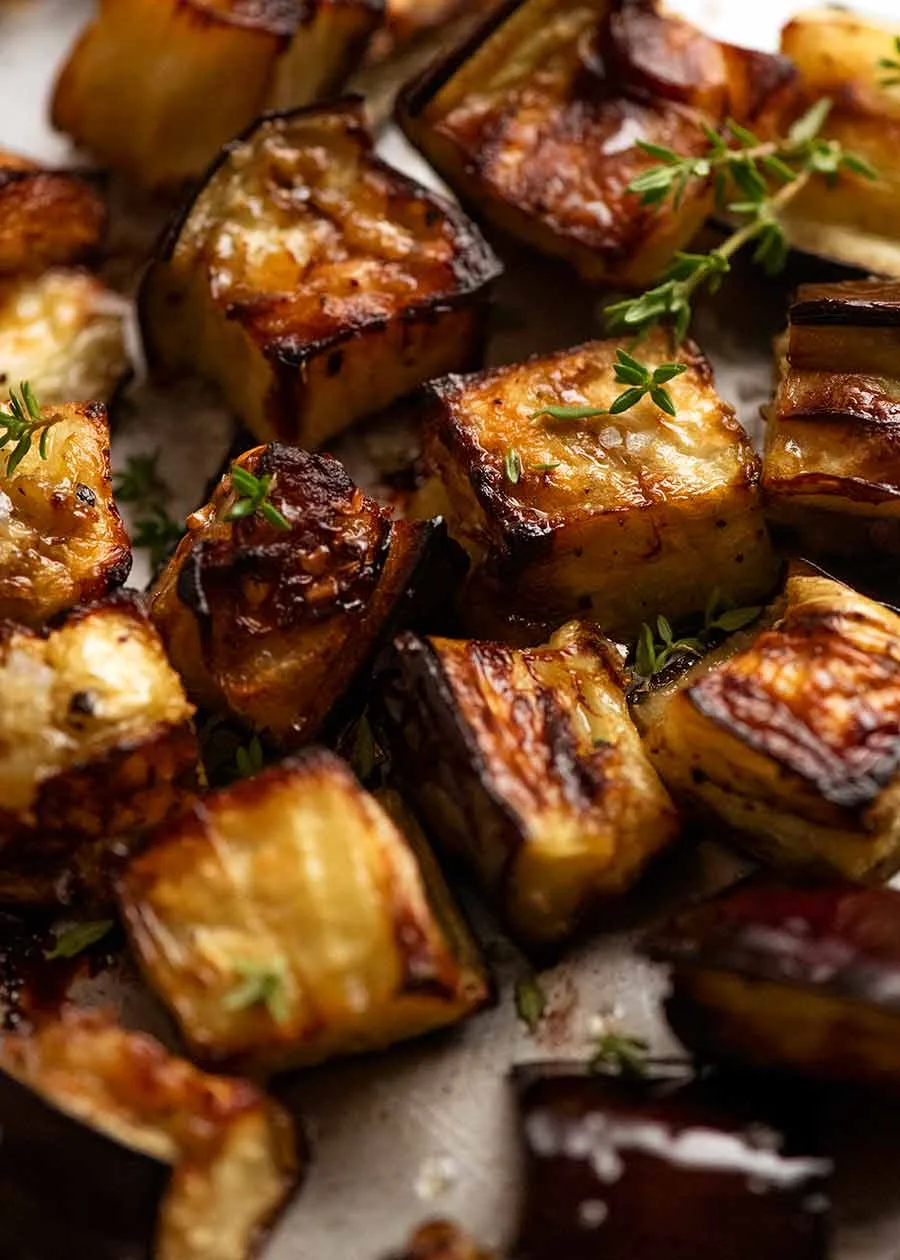
Roasted Aubergine with Herb Olive Oil
Soft roasted aubergine finished with a late-added herb oil of rosemary, thyme, chilli flakes and olive oil, served with a light balsamic drizzle.
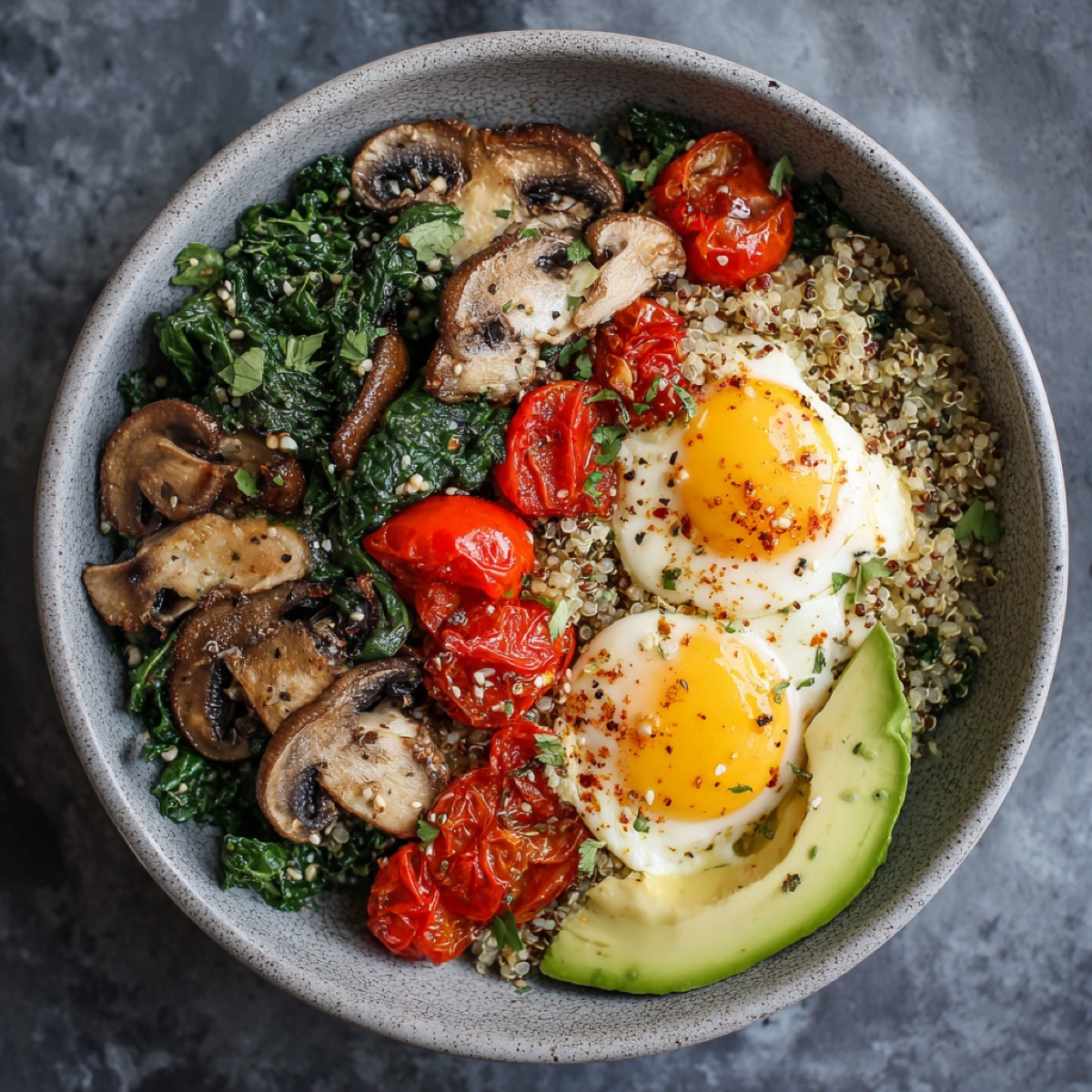
Savoury Greens & Egg Breakfast Skillet
A warm savoury breakfast skillet with eggs, greens, and slow carbohydrates for steady morning energy.
Nutrient Tables (per 100 g)
Selected food and preparation: Oil, olive, salad or cooking. per 100 g edible portion.
Core nutrients
| Nutrient | Amount per 100 g | % reference intake per 100 g |
|---|---|---|
| Energy | 884 kcal | — |
| Total fat | 100 g | — |
| Saturated fat | 13.8 g | — |
Key vitamins and minerals
Vitamins and minerals supplying at least 10% of an adult reference intake per 100 g, derived from the composition panel.
| Nutrient | Amount per 100 g | % reference intake per 100 g |
|---|---|---|
| Vitamin E | 14.4 mg | 95.7% |
| Vitamin K | 60.2 µg | 50.2% |
Bioactive compounds
| Compound / class | Amount per 100 g | Notes |
|---|---|---|
| Total olive polyphenols | 15 mg | “Typical” EVOO band; early-harvest / high-phenolic oils can be several-fold higher. |
| Hydroxytyrosol | 1.4 mg (estimate) [4] | EFSA claim threshold is expressed as hydroxytyrosol equivalents (derivatives included). |
| Tyrosol | 1 mg (estimate) [4] | Often co-varies with hydroxytyrosol derivatives across cultivars. |
| Oleocanthal | 7.8 mg (estimate) [4] | Secoiridoid linked to throat “pungency”; concentrations vary widely by oil. |
| Oleacein | 4.2 mg (estimate) [4] | Common secoiridoid in EVOO; correlates with polyphenol-rich chemotypes. |
- Total olive polyphenols: Total phenolics in extra virgin olive oil vary widely by cultivar, harvest stage, and processing.
- Hydroxytyrosol: Hydroxytyrosol in EVOO is typically reported in the low mg/kg range and is present largely as derivatives; indicative values across oils are roughly ~7–21 mg/kg (≈0.7–2.1 mg/100 g). The EFSA-authorised claim is based on hydroxytyrosol and its derivatives at ≥250 mg/kg (25 mg/100 g) expressed as hydroxytyrosol equivalents. [4]
- Tyrosol: Tyrosol is typically in the low mg/kg range and often co-varies with hydroxytyrosol derivatives; indicative values are roughly ~6–15 mg/kg (≈0.6–1.5 mg/100 g), with substantial variability by cultivar and harvest. [4]
- Oleocanthal: Oleocanthal is a major secoiridoid associated with pungency. In an analysis of 100 EVOO samples, mean oleocanthal concentration was ~77.9 mg/kg (≈7.8 mg/100 g), with wide variability across oils. [4]
- Oleacein: Oleacein is commonly abundant in EVOO and varies strongly by cultivar and processing. In an analysis of 100 EVOO samples, mean oleacein concentration was ~41.8 mg/kg (≈4.2 mg/100 g); some oils can be much higher. [4]
Technical provenance
Total olive polyphenols: Total phenolics in extra virgin olive oil vary widely by cultivar, harvest stage, and processing. A practical "typical EVOO" range is ~100–250 mg/kg (≈10–25 mg/100 g), while high-phenolic/early-harvest oils can reach ~500–900 mg/kg (≈50–90 mg/100 g). Use this row as a guide, not a precise fixed value for all oils.
Hydroxytyrosol: Hydroxytyrosol in EVOO is typically reported in the low mg/kg range and is present largely as derivatives; indicative values across oils are roughly ~7–21 mg/kg (≈0.7–2.1 mg/100 g). The EFSA-authorised claim is based on hydroxytyrosol and its derivatives at ≥250 mg/kg (25 mg/100 g) expressed as hydroxytyrosol equivalents. [4]
Tyrosol: Tyrosol is typically in the low mg/kg range and often co-varies with hydroxytyrosol derivatives; indicative values are roughly ~6–15 mg/kg (≈0.6–1.5 mg/100 g), with substantial variability by cultivar and harvest. [4]
Oleocanthal: Oleocanthal is a major secoiridoid associated with pungency. In an analysis of 100 EVOO samples, mean oleocanthal concentration was ~77.9 mg/kg (≈7.8 mg/100 g), with wide variability across oils. [4]
Oleacein: Oleacein is commonly abundant in EVOO and varies strongly by cultivar and processing. In an analysis of 100 EVOO samples, mean oleacein concentration was ~41.8 mg/kg (≈4.2 mg/100 g); some oils can be much higher. [4]
Substances
5 substances in this food
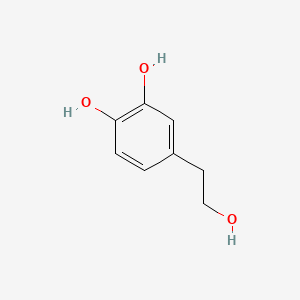
Hydroxytyrosol (Olive Polyphenol)
Occurs in virgin olive oil; concentration varies with production and storage.
References
[1] Schwingshackl & Hoffmann 2014. Monounsaturated fatty acids, olive oil and health status. Cohort meta-analysis of monounsaturated fat and olive oil in relation to cardiovascular and all-cause mortality; dietary-pattern evidence, not a trial of this specific oil.
[2] Fielding & Rowley 2005. Increases in plasma lycopene after tomatoes cooked with olive oil. Tomato–olive-oil cooking increased plasma lycopene; pairing/matrix evidence, not an extra-virgin-olive-oil-only trial.
[3] Bendini et al. (2007), Phenolic Molecules in Virgin Olive Oils. Individual phenolics and related derivatives; composition varies.
[4] Bendini et al. (2007), Phenolic Molecules in Virgin Olive Oils