Cinnamon
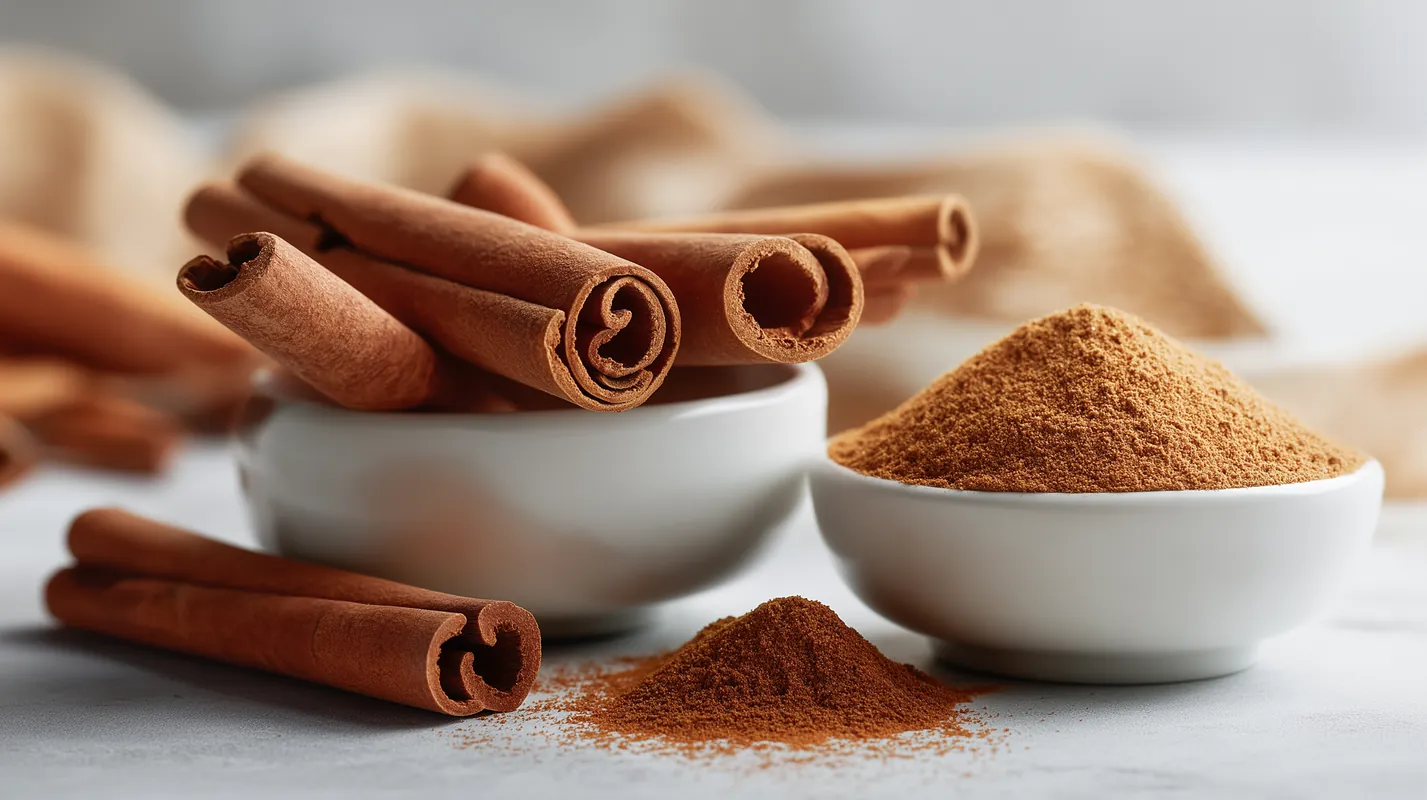
Overview
Cinnamon provides polyphenols (including proanthocyanidins) studied for glycaemic and metabolic endpoints [1]. Cassia cinnamon contains coumarin — regular high intake may warrant Ceylon varieties for frequent use.
Within the BRAIN Diet framework, cinnamon is a spice used in 1–3 g/day culinary or therapeutic contexts rather than as a bulk food
Key Nutritional Highlights
- Polyphenol-rich spice with glycaemic-control research interest [1].
- Typical doses are 1–3 g/day; not 100 g USDA portions.
- Cassia vs Ceylon matters for coumarin exposure with frequent use.
- Pair with carbohydrate-containing meals in glycaemic-management patterns [1].
Food Context
Synergies
- Part of glucose regulation strategy
Preparation
- Can be used in culinary amounts or therapeutic doses
- Ceylon cinnamon preferred over cassia for lower coumarin
- Supports insulin sensitivity
Essential Amino Acid Profile
Cinnamon contribute plant protein. Pair with complementary protein sources (e.g. grains and legumes) for a balanced essential amino acid profile.
Recipes
1 recipe containing this food
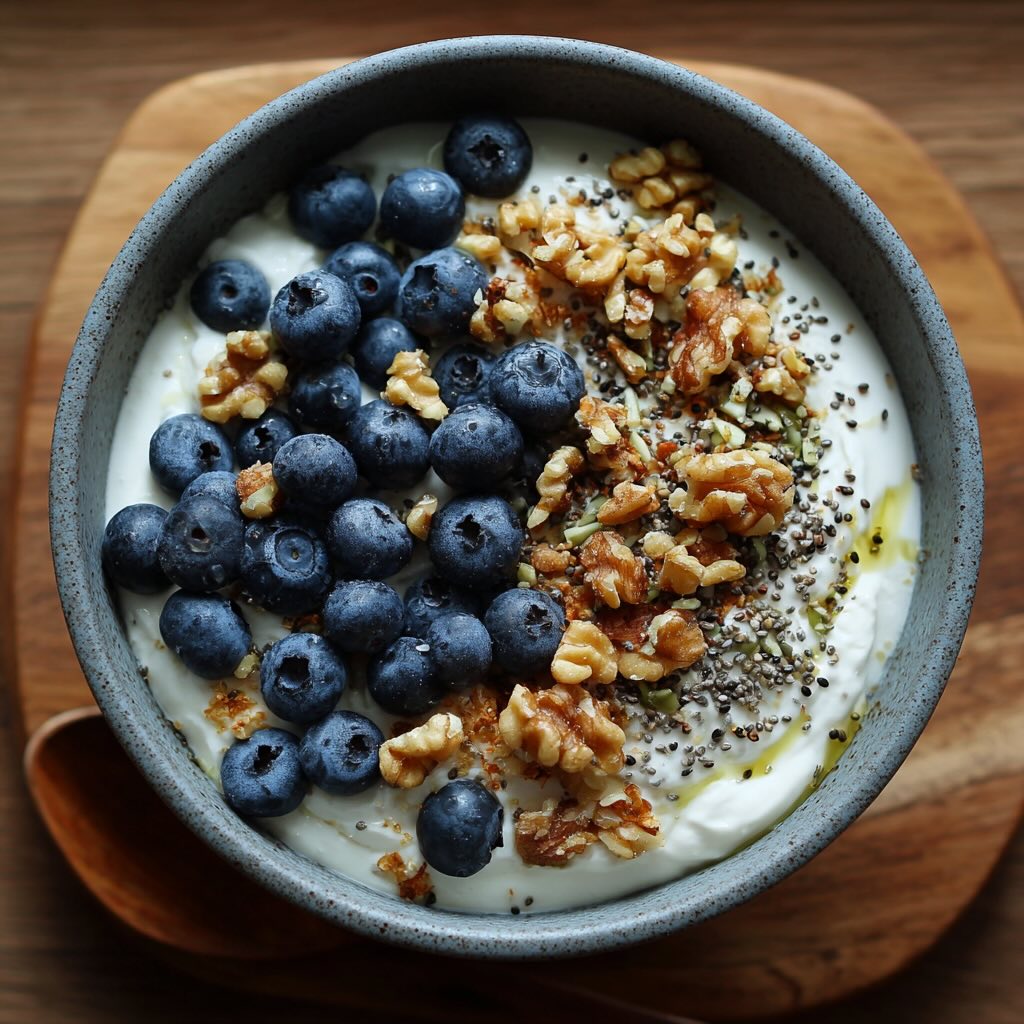
Ginger Yogurt and Blueberries
A polyphenol-rich breakfast bowl with high fibre, combining ginger, omega-3 nuts, blueberry polyphenols, and probiotic yogurt.
Nutrient Tables (per 100 g)
Selected food and preparation: Spices, cinnamon, ground. per 100 g edible portion.
Core nutrients
| Nutrient | Amount per 100 g | % reference intake per 100 g |
|---|---|---|
| Energy | 247 kcal | — |
| Protein | 4 g | — |
| Total fat | 1.2 g | — |
| Saturated fat | 0.3 g | — |
| Carbohydrates | 80.6 g | — |
| Sugars | 2.2 g | — |
| Fibre | 53.1 g | — |
Key vitamins and minerals
Vitamins and minerals supplying at least 10% of an adult reference intake per 100 g, derived from the composition panel.
| Nutrient | Amount per 100 g | % reference intake per 100 g |
|---|---|---|
| Iron | 8.3 mg | 46.2% |
| Zinc | 1.8 mg | 16.6% |
| Magnesium | 60 mg | 14.3% |
| Manganese | 17.5 mg | 759.4% |
| Calcium | 1002 mg | 100.2% |
| Potassium | 431 mg | 12.7% |
| Copper | 0.3 mg | 37.7% |
| Vitamin B6 | 0.2 mg | 12.2% |
| Vitamin E | 2.3 mg | 15.5% |
| Vitamin K | 31.2 µg | 26% |
Bioactive compounds
| Compound / class | Amount per 100 g | Notes |
|---|---|---|
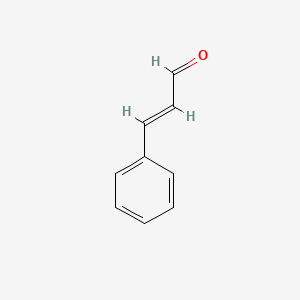
| Cinnamaldehyde | Present [2] | cinnamon bark |
- Cinnamaldehyde: Reported in cinnamon bark. [2]
Technical provenance
Cinnamaldehyde: Ranasinghe et al. (2013), Medicinal properties of true cinnamon. Composition identifies cinnamaldehyde in cinnamon bark, distinct from leaf eugenol and root camphor. [2]
Nutrient & Bioactive Table (per 100 g dry ground cinnamon)
| Compound / Nutrient | Approx Amount / 100 g | Notes / References |
|---|---|---|
| Calories | ~247 kcal | Common nutrition data |
| Total Carbohydrate | ~80 g | Majority is fiber |
| Dietary Fiber | ~53 g | Very high fiber content |
| Protein | ~4 g | Minimal protein |
| Fat | ~1 g | Minimal fat |
| Calcium | ~1002 mg | ~77% DV equivalent |
| Iron | ~8.3 mg | ~46% DV |
| Magnesium | ~60 mg | ~14% DV |
| Manganese | ~17.5 mg | ~759% DV |
| Copper | ~0.3 mg | ~38% DV |
| Potassium | ~431 mg | ~11% DV |
| Zinc | ~1.8 mg | ~13% DV |
| Polyphenols (total) | ~~9,000+ mg (est.) | Cinnamon bark is extremely high in polyphenols; procyanidins ~8108 mg/100 g reported for bark |
| Cinnamaldehyde (key aromatic) | Not in standard nutrition tables | Major volatile compound; most cinnamon essential oils ~60–80% cinnamaldehyde |
| Cinnamic acid | Not in standard tables | Present in bark and extracts; requires analytical quantification |
| Procyanidins (Type A & B) | Not in standard tables | High levels of proanthocyanidins (polymerised flavonoids) reported in bark |
| Coumarin | Variable (species dependent) | Cassia: ~1.7–9.3 mg/g (so ~1700–9300 mg/100 g) very high vs Ceylon: ~0.005–0.09 mg/g very low |
| Volatile oils (e.g., eugenol, linalool, caryophyllene) | Not in standard tables | Present but vary widely; typically quantified via essential oil analysis |
Notes on Interpretation: Polyphenol estimates indicate cinnamon is extremely high in phenolic compounds, often cited as one of the highest among common spices. Bioactives like cinnamaldehyde and procyanidins are not part of standard nutrition databases and require analytical chemistry studies for quantification. Coumarin content is especially high in Cassia cinnamon, which matters for toxicity limits. Ceylon cinnamon has far lower coumarin.
Substances
1 substance in this food
References
[1] Polyphenol-rich spice with glycaemic-control research interest. Boots & Haenen 2008. Health effects of quercetin: From antioxidant to nutraceutical
[2] Ranasinghe et al. (2013), Medicinal properties of true cinnamon