Vitamin K2 (MK forms)
Overview
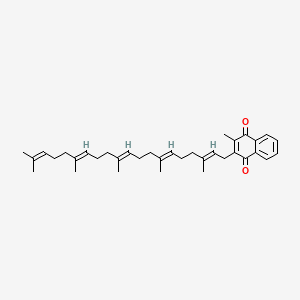
Vitamin K2 is a fat-soluble vitamin that plays an important role in calcium metabolism and distribution. It works with vitamin D to ensure calcium is properly directed to bones rather than accumulating in soft tissues like blood vessels. Vitamin K2 occurs in fermented foods like natto and certain animal products, particularly in grass-fed dairy. It may support neural function through its role in calcium handling and is often found alongside other fat-soluble vitamins in nutrient-dense foods like hard cheeses and grass-fed butter.
Recipes
4 recipes containing this substance
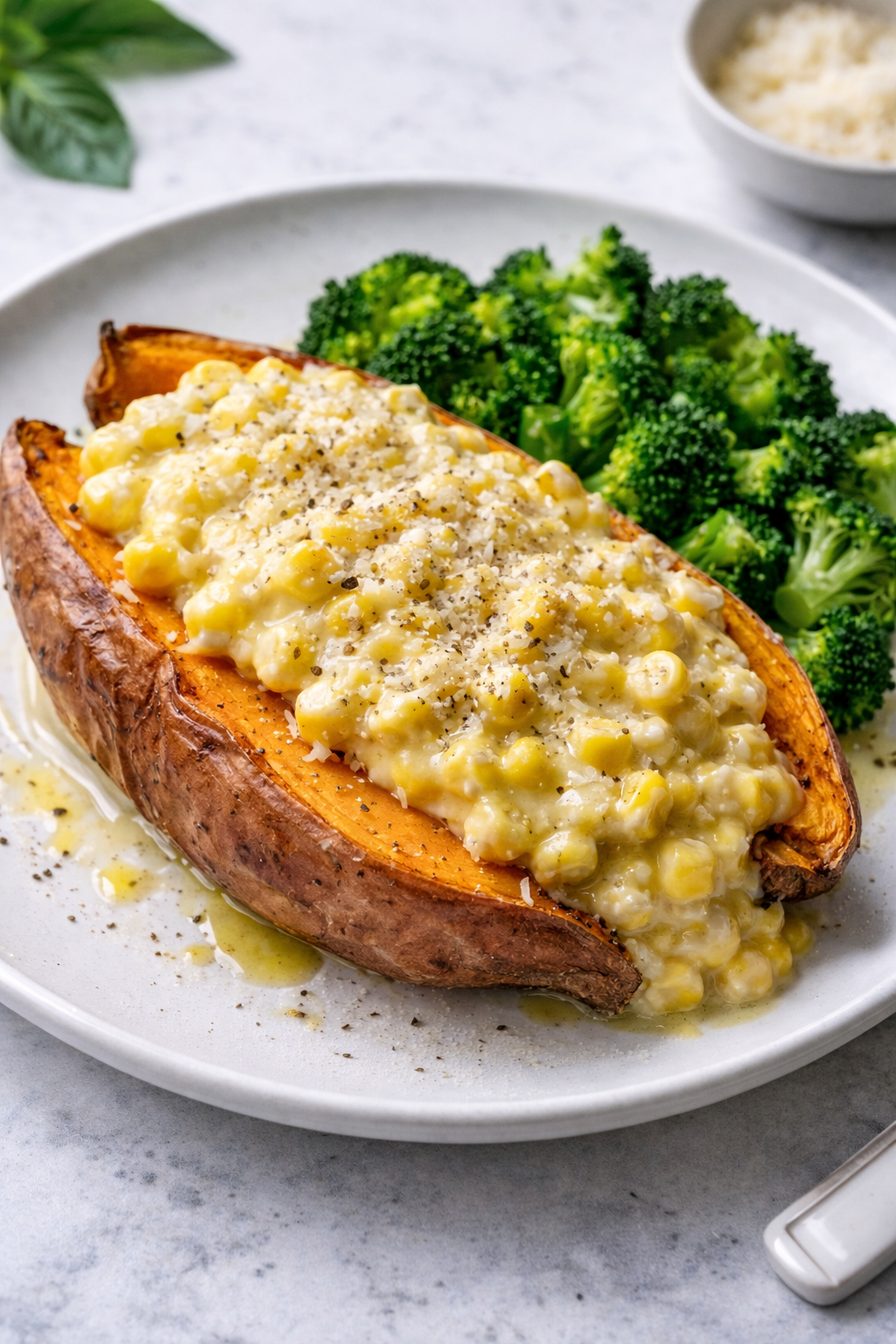
Creamed Corn on Roasted Sweet Potato
Roasted sweet potato with creamed corn and a mixed lipid phase to enhance carotenoid absorption; served with broccoli for fibre and glucosinolates.
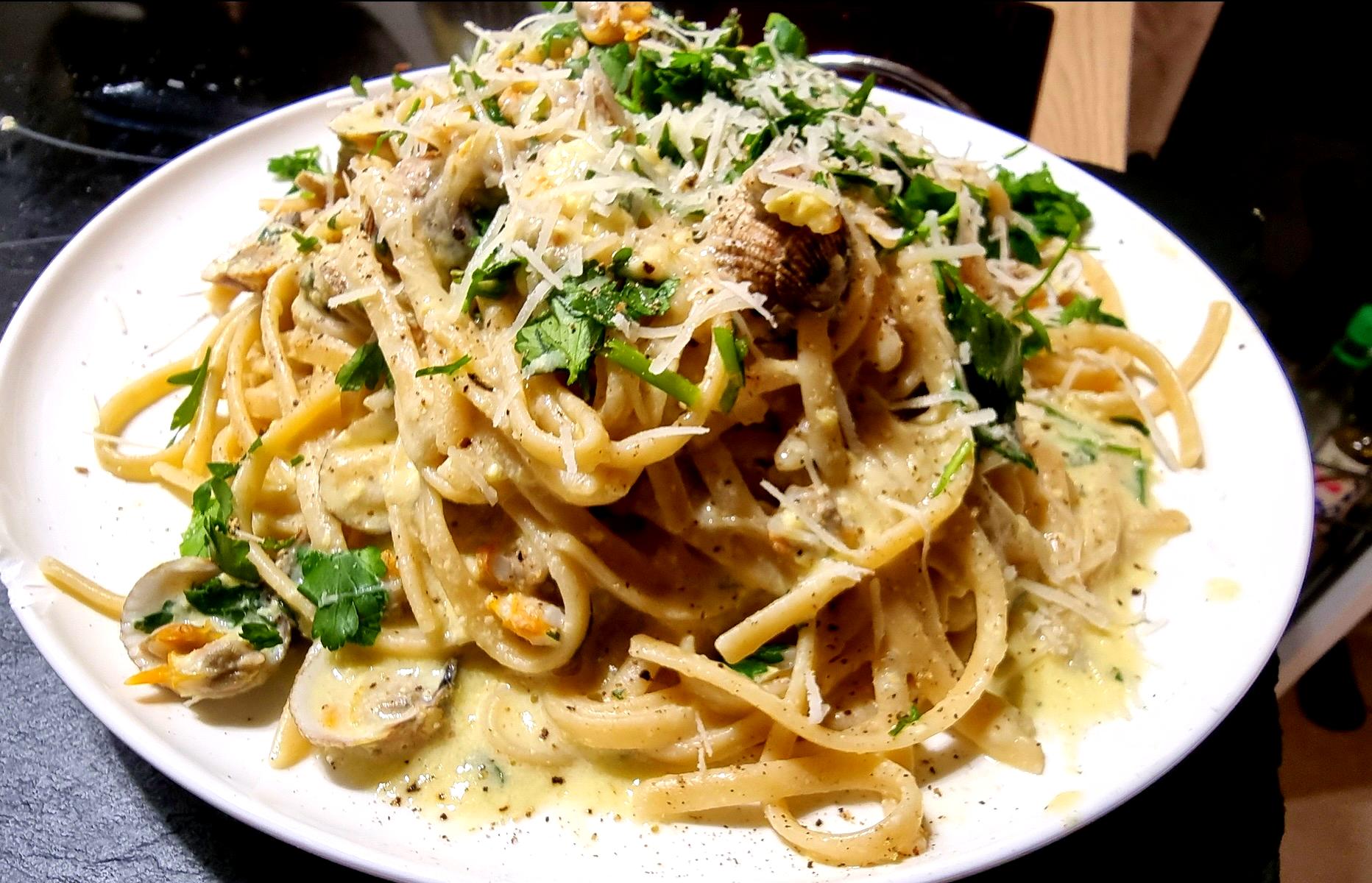
Linguine alle vongole mantecate (Linguine with cockles in a silky emulsified sauce)
Whole-wheat linguine with cockles in a silky emulsified sauce; Italian emulsification technique without cream, supporting taurine, B12, and choline intake.
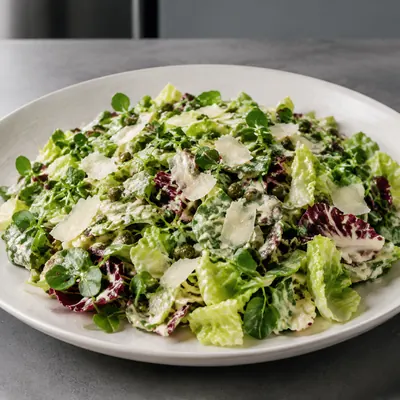
Mixed-Leaf Tahini Caesar Salad
A Caesar-style mixed-leaf salad with a tahini, anchovy, caper and Parmesan dressing, using extra virgin olive oil retained from oil-packed capers.
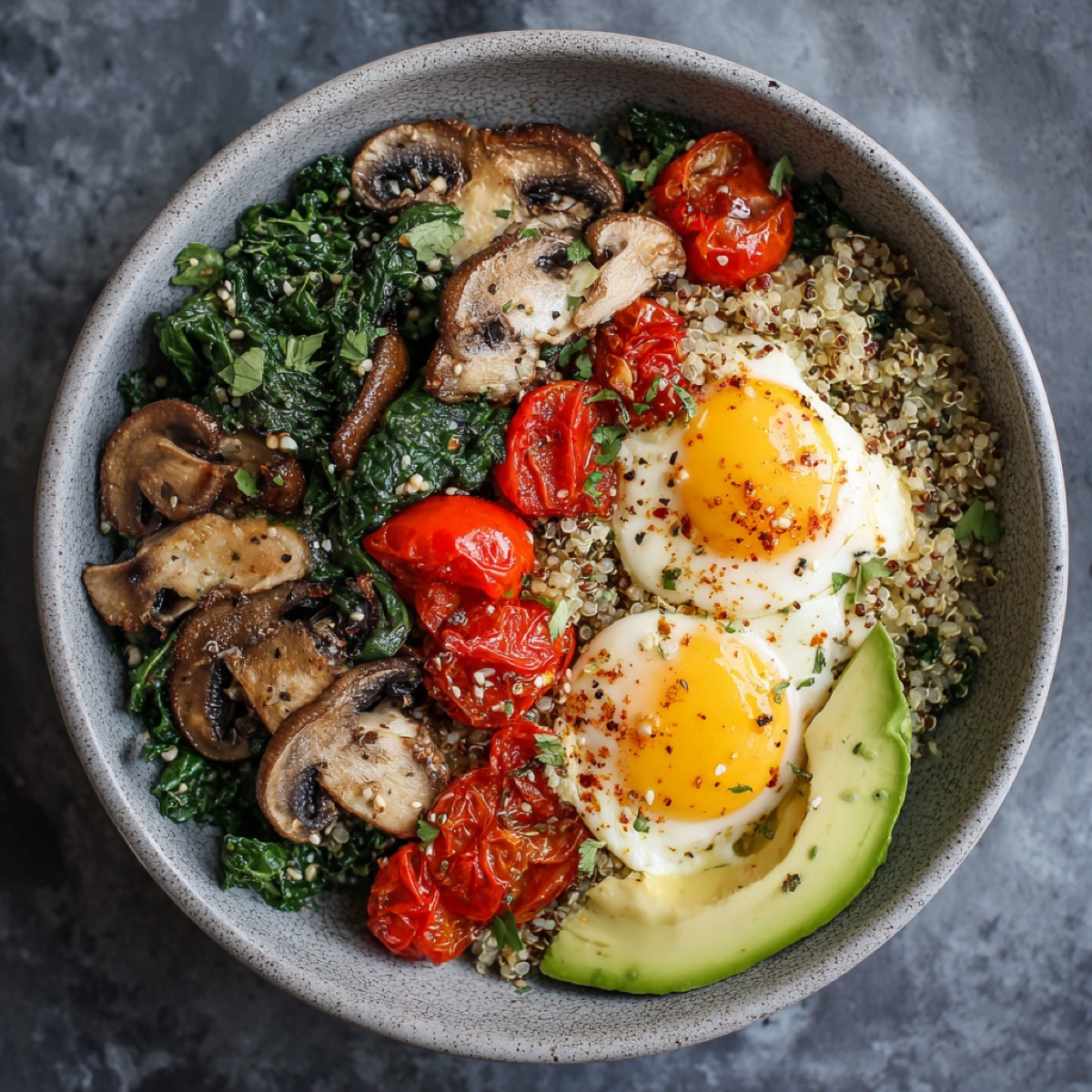
Savoury Greens & Egg Breakfast Skillet
A warm savoury breakfast skillet with eggs, greens, and slow carbohydrates for steady morning energy.
Foods
8 foods containing this substance
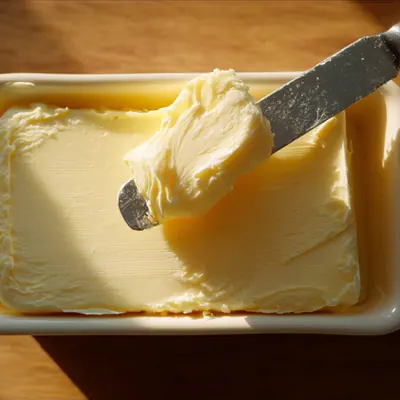
Butter
Dairy fat providing vitamin A and culinary saturated fat
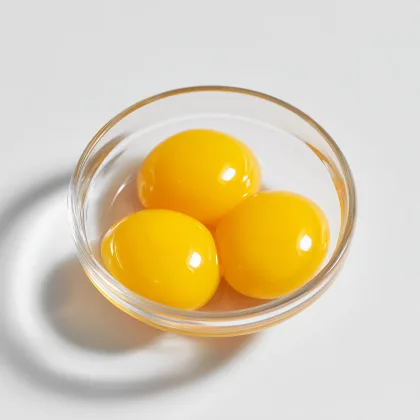
Egg Yolks
Nutrient-dense part of eggs with choline, lutein, and fat-soluble vitamins

Ghee
Heat-stable clarified butter with butyrate and fat-soluble vitamins

Grass-Fed Butter
Butyrate, CLA, vitamins A/D/K2, selenium, and C15:0

Kimchi
Fermented vegetables providing probiotics, GABA, and postbiotic compounds

Natto
Fermented soybeans with unique Bacillus subtilis and vitamin K2

Parmesan Cheese
CLA, K2, C15:0, and high protein/calcium

Sauerkraut
Lacto-fermented cabbage providing live lactic acid bacteria, organic acids, and postbiotic compounds
Biological Mechanisms and Implications
| Biological Target | Therapeutic Areas | Mechanism of Action |
|---|
References
- Vitamin K2 modulates calcium distribution and may support neural function; occurs in fermented foods and certain animal products
- Studies have shown that hard cheeses with high calcium do not raise serum LDL levels Soerensen et al. 2014
- When consumed in moderation within an anti-inflammatory, micronutrient-rich diet, foods like Parmesan cheese and grass-fed butter provide essential brain nutrients including choline, vitamin K2, butyrate, and fat-soluble vitamins A, D, and E