Black Bean & Sweet Potato Vegetable Chilli
Overview
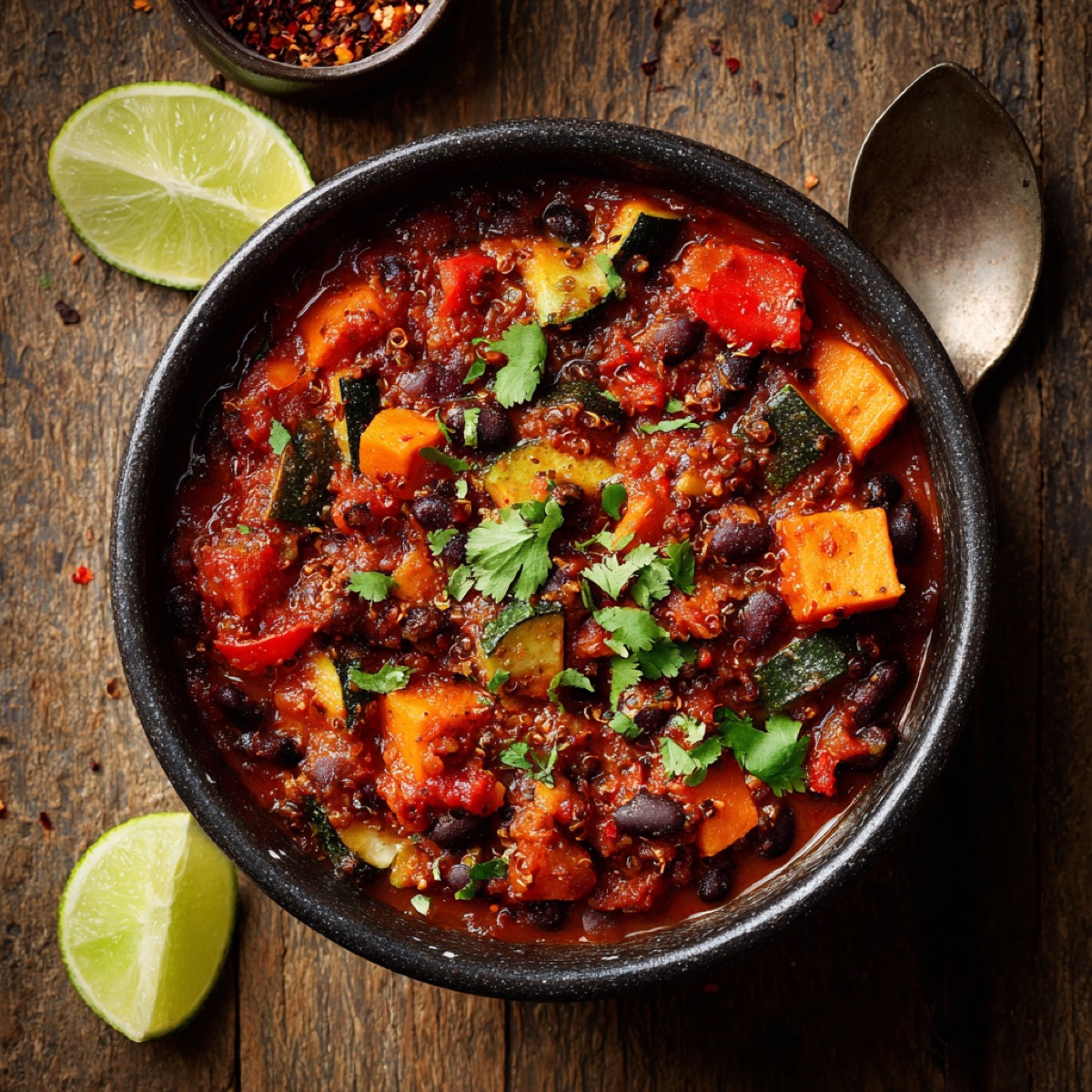
A hearty bean and vegetable chilli built around black beans, sweet potato, and mixed vegetables. This dish combines fibre, plant protein, and warming spices to support steady energy and satiety. Ideal for batch cooking and adaptable to different dietary preferences.
Ingredients (4–6 servings)
Base
- 2 tbsp (30 ml) extra virgin olive oil
- 1 small onion, finely diced
- 2 garlic cloves, minced
Vegetables
- 1 medium sweet potato, grated or finely diced
- 1 carrot, grated
- ½ courgette (zucchini), grated
- 1 red bell pepper, diced
Protein & sauce
- 2 × 400 g cans black beans, drained and rinsed
- 3 tbsp (45 ml) tomato purée
- 250 ml (1 cup) vegetable stock
Spices
- 1 tbsp (15 ml) smoked paprika
- 1 tbsp (15 ml) ground cumin
- 1 tbsp (15 ml) ground coriander
- Chilli powder or fresh chilli, to taste
Seasoning
- Salt and black pepper, to taste
Optional to serve
- Fresh coriander (cilantro)
- Lime wedges
- Plain yoghurt or plant yoghurt
- Cooked quinoa or brown rice
Method
- Heat olive oil in a large saucepan over medium heat. Add onion and cook until softened, about 3–5 minutes.
- Stir in garlic and cook briefly until fragrant.
- Add sweet potato, carrot, courgette, and bell pepper. Cook for 3–5 minutes, stirring to combine.
- Add black beans, tomato purée, stock, and spices. Stir well.
- Bring to a gentle simmer, cover, and cook 30–40 minutes, stirring occasionally, until vegetables are tender and flavours develop.
- Season to taste. Adjust thickness with a splash of water or stock if needed.
Serve warm with optional yoghurt, herbs, lime, or whole grains.
Nutrition
Per serving, recipe serves 4. Each included ingredient is scaled from a named per-100 g composition record by edible grams. Optional ingredients are excluded. Missing analytical values are not treated as zero.
| Nutrient | Per serving |
|---|---|
| Energy | 250 kcal |
| Protein | 9.8 g |
| Carbohydrates | 36 g |
| Sugars | 6.1 g |
| Fibre | 12 g |
| Total fat | 8.2 g |
| Saturated fat | 1.2 g |
| Sodium | 380 mg |
Sodium excludes salt added to taste.
Key vitamins and minerals
| Nutrient | Per serving | Reference intake |
|---|---|---|
| Vitamin C | 51 mg | 57% RDA |
| Vitamin A | 460 µg | 51% RDA |
| Copper | 0.39 mg | 44% RDA |
| Vitamin B6 | 0.38 mg | 29% RDA |
| Phosphorus | 200 mg | 28% RDA |
| Manganese | 0.63 mg | 28% AI |
| Folate | 100 µg | 26% RDA |
| Iron | 4.6 mg | 26% RDA |
Vitamins and minerals supplying at least 15% of an adult reference intake, plus explicitly featured design-relevant nutrients, up to eight. RDA is a recommended dietary allowance; AI is an adequate intake, used where the evidence does not support an RDA. Nutrients below the threshold are still calculated and still count towards a daily total; a featured row is not a claim that the serving supplies a complete daily dose.
Bioactive compounds
| Compound | Per serving |
|---|---|
| Quercetin | Present — quantity not established |
| Kaempferol | Present — quantity not established |
| Allicin | Present |
These compounds have no recognised intake target, so quantified amounts are shown without a percentage. A presence-only entry is carried from a supported food relationship and is not converted into an invented serving amount.
Calculation details
| Ingredient | Weight used | Composition record |
|---|---|---|
| 2 tbsp (30 ml) extra virgin olive oil | 27 g | USDA FDC 171413 — Oil, olive, salad or cooking |
| 1 small onion, finely diced | 70 g | USDA FDC 170000 — Onions, raw |
| 2 garlic cloves, minced | 6 g | USDA FDC 169230 — Garlic, raw |
| 1 medium sweet potato, grated or finely diced | 130 g | USDA FDC 168482 — Sweet potato, raw |
| 1 carrot, grated | 61 g | USDA FDC 170393 — Carrots, raw |
| ½ courgette (zucchini), grated | 98 g | USDA FDC 169291 — Squash, summer, zucchini, includes skin, raw |
| 1 red bell pepper, diced | 119 g | USDA FDC 170108 — Peppers, sweet, red, raw |
| 2 × 400 g cans black beans, drained and rinsed (480 g drained) | 480 g | USDA FDC 175238 — Beans, black, mature seeds, canned, low sodium |
| 3 tbsp (45 ml) tomato purée | 48 g | USDA FDC 170460 — Tomato products, canned, puree, without salt added |
| 250 ml (1 cup) vegetable stock | 234 g | USDA FDC 171583 — Soup, vegetable broth, ready to serve |
| 1 tbsp (6.8 g) smoked paprika | 6.8 g | USDA FDC 171329 — Spices, paprika |
| 1 tbsp (6 g) ground cumin | 6 g | USDA FDC 170923 — Spices, cumin seed |
| 1 tbsp (5 g) ground coriander | 5 g | USDA FDC 170922 — Spices, coriander seed |
Mainly from:
- Energy: 2 × 400 g cans black beans, drained and rinsed (480 g drained), Extra Virgin Olive Oil
- Protein: 2 × 400 g cans black beans, drained and rinsed (480 g drained), Sweet Potatoes
- Carbohydrates: 2 × 400 g cans black beans, drained and rinsed (480 g drained), Sweet Potatoes
- Sugars: Sweet Potatoes, Bell Peppers
- Fibre: 2 × 400 g cans black beans, drained and rinsed (480 g drained), Sweet Potatoes
- Total fat: Extra Virgin Olive Oil, 2 × 400 g cans black beans, drained and rinsed (480 g drained)
- Saturated fat: Extra Virgin Olive Oil, 2 × 400 g cans black beans, drained and rinsed (480 g drained)
- Sodium: 250 ml (1 cup) vegetable stock, 2 × 400 g cans black beans, drained and rinsed (480 g drained)
Assumptions and exclusions:
- 2 tbsp (30 ml) extra virgin olive oil: USDA SR Legacy FDC 171413 food_portion: 1 tablespoon = 13.5 g
- 1 small onion, finely diced: USDA SR Legacy FDC 170000 food_portion: 1 small = 70 g
- 2 garlic cloves, minced: USDA SR Legacy FDC 169230 food_portion: 1 clove = 3 g
- 1 medium sweet potato, grated or finely diced: USDA SR Legacy FDC 168482 food_portion: 1 sweetpotato, 5" long = 130 g
- 1 carrot, grated: USDA SR Legacy FDC 170393 food_portion: 1 medium = 61 g
- ½ courgette (zucchini), grated: USDA SR Legacy FDC 169291 food_portion: 1 medium = 196 g; half = 98 g
- 1 red bell pepper, diced: USDA SR Legacy FDC 170108 food_portion: 1 medium = 119 g
- 2 × 400 g cans black beans, drained and rinsed (480 g drained): a standard 400 g can declares 240 g drained weight; 2 cans = 480 g
- 3 tbsp (45 ml) tomato purée: USDA SR Legacy FDC 170460 food_portion: 1 cup = 250 g, i.e. 1.057 g/ml; 45 ml = 47.6 g.
- 250 ml (1 cup) vegetable stock: USDA SR Legacy FDC 171583 food_portion: 1 cup = 221 g, i.e. 0.934 g/ml; 250 ml = 233.5 g.
- 1 tbsp (6.8 g) smoked paprika: USDA SR Legacy FDC 171329 food_portion: 1 tbsp = 6.8 g
- 1 tbsp (6 g) ground cumin: USDA SR Legacy FDC 170923 food_portion: 1 tbsp, whole = 6 g
- 1 tbsp (5 g) ground coriander: USDA SR Legacy FDC 170922 food_portion: 1 tbsp = 5 g
- 2 × 400 g cans black beans, drained and rinsed (480 g drained): The Black Beans food page records dry beans at 341 kcal per 100 g, which cannot be applied to canned drained weight.
- chilli powder or fresh chilli, to taste — added to taste, no stated quantity
- salt and black pepper, to taste — added to taste, so it is not part of an exact sodium total
- to serve (optional): coriander, lime, yoghurt, cooked quinoa or brown rice — optional accompaniments; a portion of cooked grain would add roughly 200 kcal per serving
- Four servings is used because the page's original nutrition note stated "based on 4 servings"; the ingredient heading says 4–6.
These are figures for the chilli alone. Grains, yoghurt and other accompaniments add energy and carbohydrate that they do not include. Sodium depends heavily on the canned beans and stock used; low-sodium beans are assumed here.
Extra Guidance
- Refrigerates well for up to 3 days.
- Freezes successfully for future meals.
- Flavour deepens after resting, making it ideal for batch preparation.
Brain Health Notes
- Black beans are high in plant protein (~8 g per 100 g cooked) and provide fibre that feeds gut bacteria; fibre fermentation produces short-chain fatty acids (SCFAs) associated with gut health. Beans also supply folate and minerals.
- Sweet potato and carrots provide beta-carotene and fibre studied for antioxidant and vascular effects.
- Bell peppers and tomatoes contribute vitamin C and carotenoids.
- Extra virgin olive oil contributes monounsaturated fats and polyphenols associated with cardiovascular and brain health.
- Whole grains (quinoa or brown rice) provide slow-digesting carbohydrates and fibre.
Explore the foods and substances
Show 12 foods and their substances
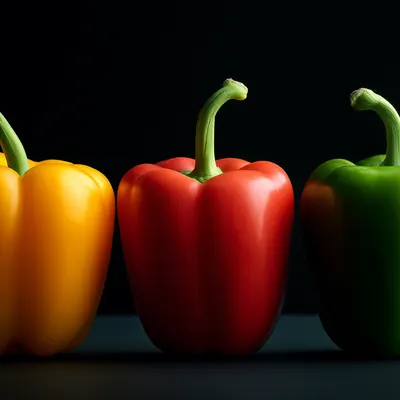
Bell Peppers
Vitamin C-rich peppers providing carotenoid pigments
Substances: Lutein, Vitamin C (Ascorbate), β-Carotene
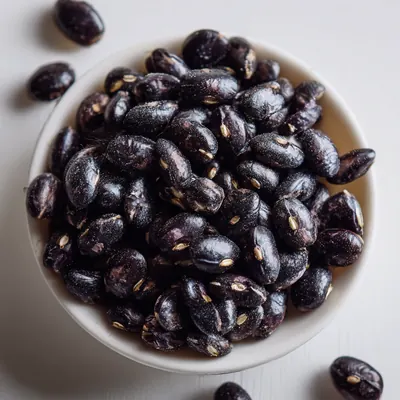
Black Beans
Legume with polyphenols and protein; optimal soaking conditions detailed
Substances: Copper, Iron, Magnesium, Manganese, Phosphorus (Phosphate), Potassium, Vitamin B1 (Thiamine), Vitamin B6 (Pyridoxine → PLP), Vitamin B9 (Folate), Zinc
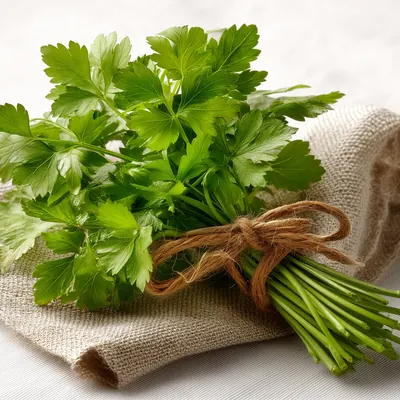
Cilantro
Herb with potential heavy metal chelation properties
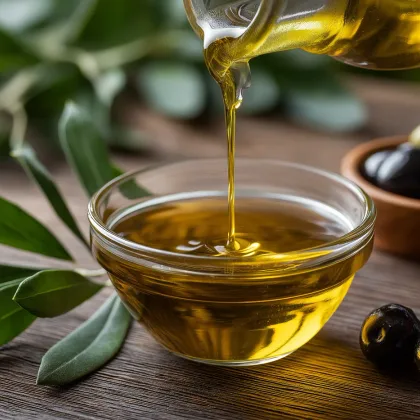
Extra Virgin Olive Oil
Polyphenol-rich oil with hydroxytyrosol and anti-inflammatory properties
Substances: Hydroxytyrosol (Olive Polyphenol), Oleacein, Oleocanthal, Tyrosol
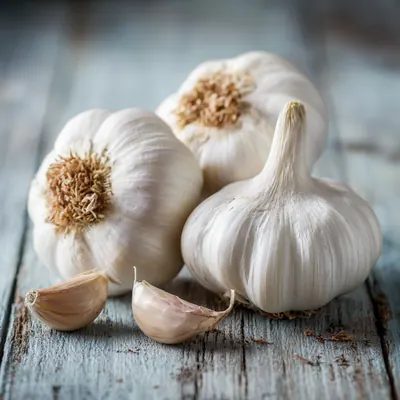

Greek Yogurt
Fermented dairy providing probiotics and complete protein

Onions
Inulin prebiotic, quercetin, and glutathione precursors
Substances: Kaempferol, Quercetin (and Isoquercetin), Vitamin C (Ascorbate)

Quinoa
Pseudograin with magnesium, iron, and balanced plant protein
Substances: Betaine, Choline, Iron, Magnesium, Manganese, Phosphorus (Phosphate), Vitamin B1 (Thiamine), Vitamin B2 (Riboflavin), Vitamin B6 (Pyridoxine → PLP), Vitamin B9 (Folate), Zinc

Rice
Staple grain — variant, milling, pigmentation, cooking/cooling, and fermentation drive fibre, RS, glycaemia, and polyphenols
Substances: Vitamin B1 (Thiamine)

Sweet Potatoes
Root vegetable rich in beta-carotene, fibre, and potassium
Substances: Potassium, Vitamin C (Ascorbate)

Tomatoes
Lycopene, vitamin C, and food matrix effects on absorption
Substances: Lycopene, Potassium, Vitamin C (Ascorbate)