Pork

Overview
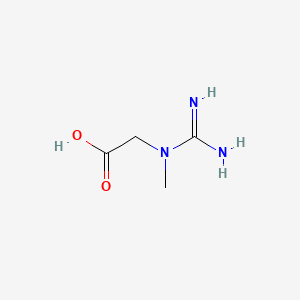
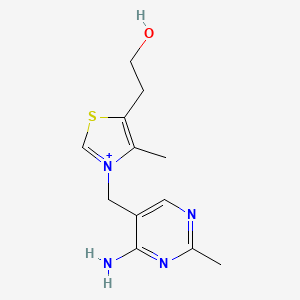
Pork is a widely consumed animal food that is particularly notable for thiamine (vitamin B1), zinc, and creatine, alongside other B vitamins and minerals. Thiamine is required for mitochondrial carbohydrate metabolism and ATP production, while zinc supports synaptic signalling and antioxidant enzyme systems [1]. Creatine contributes to phosphocreatine buffering and ATP recycling in excitable tissues [2].
Within the BRAIN Diet framework, pork is best treated as a rotational animal-food option used for targeted micronutrients rather than as a default centrepiece at every meal. Choosing minimally processed cuts and using gentler cooking methods helps preserve thiamine and reduces formation of heat-derived compounds, while still capturing the nutrient-density advantages of the food
Key Nutritional Highlights
- Provides a complete, highly digestible protein source.
- Rich in bioavailable heme iron, zinc, and vitamin B12 compared with many plant foods.
- Contributes creatine and related muscle-derived compounds relevant to cellular energy metabolism.
- Contains no dietary fibre, so meals are usually more balanced with vegetables, legumes, or whole grains.
- Processed versions (e.g. cured, smoked, deli-style) are associated with less favorable health outcomes.
Advanced Nutrition
Amino acids
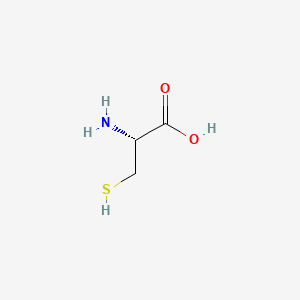
Pork supplies cystine, which contributes to cysteine availability. This raw loin contains 248 mg per 100 g, about 290 mg in the 117 g chop yield. On that raw weight it is a relatively rich cystine source.
Food-composition values are representative, not fixed. Variety, preparation and source can change the amount.
Food Context
Synergies
- Pair pork with vitamin C–rich vegetables and polyphenol-rich herbs/spices to build a more plant-forward meal.
Sourcing
- Prefer minimally processed cuts over heavily cured or ultra-processed pork products.
- Choose producers with transparent handling and food-safety practices.
Preparation
- Use gentler methods (braising, stewing, lower-temperature roasting) to help preserve thiamine, which is sensitive to heat and loss into cooking liquids.
- Avoid frequent high-temperature charring; treat pork as one component of a broader dietary pattern.
Essential Amino Acid Profile
This food provides a complete essential amino acid profile typical of animal proteins.
Recipes
Nutrient Tables (per 100 g)
Selected food and preparation: Pork, fresh, loin, whole, separable lean and fat, raw. per 100 g edible portion.
Core nutrients
| Nutrient | Amount per 100 g | % reference intake per 100 g |
|---|---|---|
| Energy | 198 kcal | — |
| Protein | 19.7 g | — |
| Total fat | 12.6 g | — |
| Saturated fat | 4.4 g | — |
Key vitamins and minerals
Vitamins and minerals supplying at least 10% of an adult reference intake per 100 g, derived from the composition panel.
| Nutrient | Amount per 100 g | % reference intake per 100 g |
|---|---|---|
| Zinc | 1.7 mg | 15.8% |
| Phosphorus | 197 mg | 28.1% |
| Selenium | 33.2 µg | 60.4% |
| Potassium | 356 mg | 10.5% |
| Choline | 69.7 mg | 12.7% |
| Vitamin B12 | 0.5 µg | 22.1% |
| Vitamin B6 | 0.5 mg | 36.3% |
| Vitamin B2 | 0.2 mg | 19.1% |
| Vitamin B1 | 0.9 mg | 75.1% |
| Vitamin B3 | 4.6 mg | 28.6% |
| Vitamin B5 | 0.7 mg | 14.5% |
Bioactive compounds
| Compound / class | Amount per 100 g | Notes |
|---|---|---|
| Creatine | Present [3] | the named meat or fish tissue |
- Creatine: Contains creatine; amounts vary with the cut and cooking. [3]
Technical provenance
Creatine: Kulczynski et al. (2019), Characteristics of Selected Antioxidative and Bioactive Compounds in Meat and Animal Origin Products. Table 7 separately lists positive creatine for beef muscle, lamb, pork ham, beef liver and tuna. No range assigned across different foods or cuts. [3]
Substances
4 substances in this food
Cysteine
Cystine 248 mg per 100 g of Pork, fresh, loin, whole, separable lean and fat, raw (FDC 167818). A 117 g chop yield is about 290 mg. Composition only; not a glutathione-synthesis result.
Vitamin B1 (Thiamine)
USDA FoodData Central reports vitamin B1 in Pork, fresh, loin, whole, separable lean and fat, raw.
References
[1] Thiamine is required for mitochondrial carbohydrate metabolism and ATP production, while zinc supports synaptic signalling and antioxidant enzyme systems. Dhir & Tarasenko 2019. Thiamine and brain mitochondrial metabolism
[2] Creatine contributes to phosphocreatine buffering and ATP recycling in excitable tissues. Avgerinos & Spyrou 2018. Creatine supplementation and cognitive performance