Tomatoes

Overview
Tomatoes provide lycopene (carotenoid), vitamin C, and demonstrate food matrix effects where cooking and fat pairing enhance carotenoid absorption. The bioaccessibility of carotenoids in vegetables is remarkably low—lycopene in canned and fresh tomatoes is less than 1%.
Within the BRAIN Diet framework, prolonged cooking increases access to lycopene in tomatoes where cell walls need to be broken down. Practical pairings include spinach + eggs, tomatoes + olive oil, salad + oil.
Food Context
Synergies
- Pair with fat (olive oil) for enhanced absorption; co-consuming a small amount of unsaturated fat improves micelle formation and chylomicron packaging, increasing carotenoid and fat-soluble vitamin absorption
- Pair with iron-rich plant foods for enhanced absorption; eat your beans with vitamin C-rich foods (e.g., tomatoes, peppers, citrus) to enhance iron absorption
- Practical pairings: spinach + eggs, tomatoes + olive oil, salad + oil
Preparation
- Cooking breaks down cell walls and increases lycopene bioavailability; prolonged cooking increases access to lycopene in tomatoes where cell walls need to be broken down
- Canned tomatoes may have higher lycopene due to processing
Recipes
3 recipes containing this food
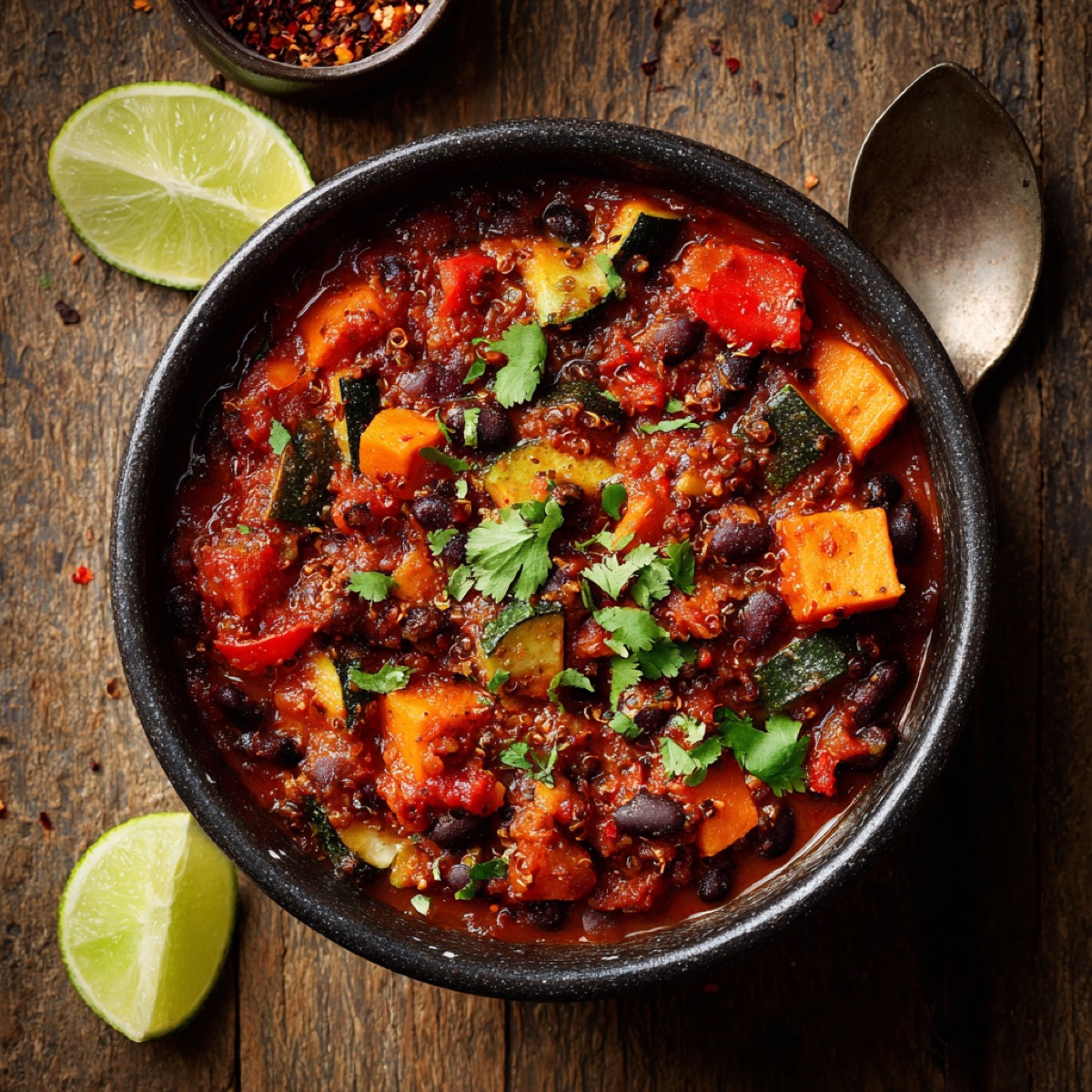
Black Bean & Sweet Potato Vegetable Chilli
A fibre-rich bean and vegetable chilli with warming spices and slow carbohydrates for steady energy and satiety.
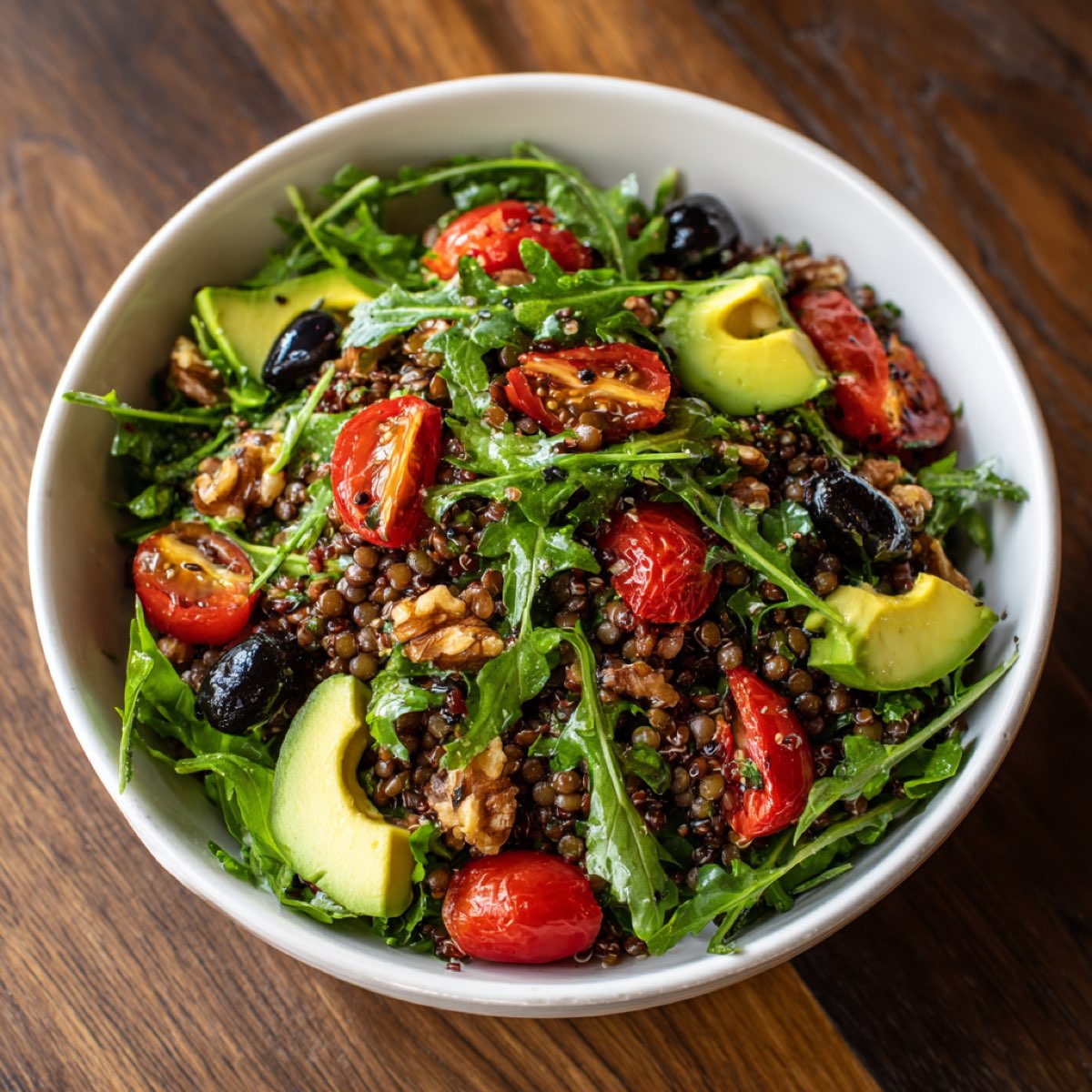
Rocket Lentil Avocado Midday Salad (Gut-Supporting)
Polyphenol-rich midday salad with quinoa or lentils, vegetables, avocado, and early harvest olive oil
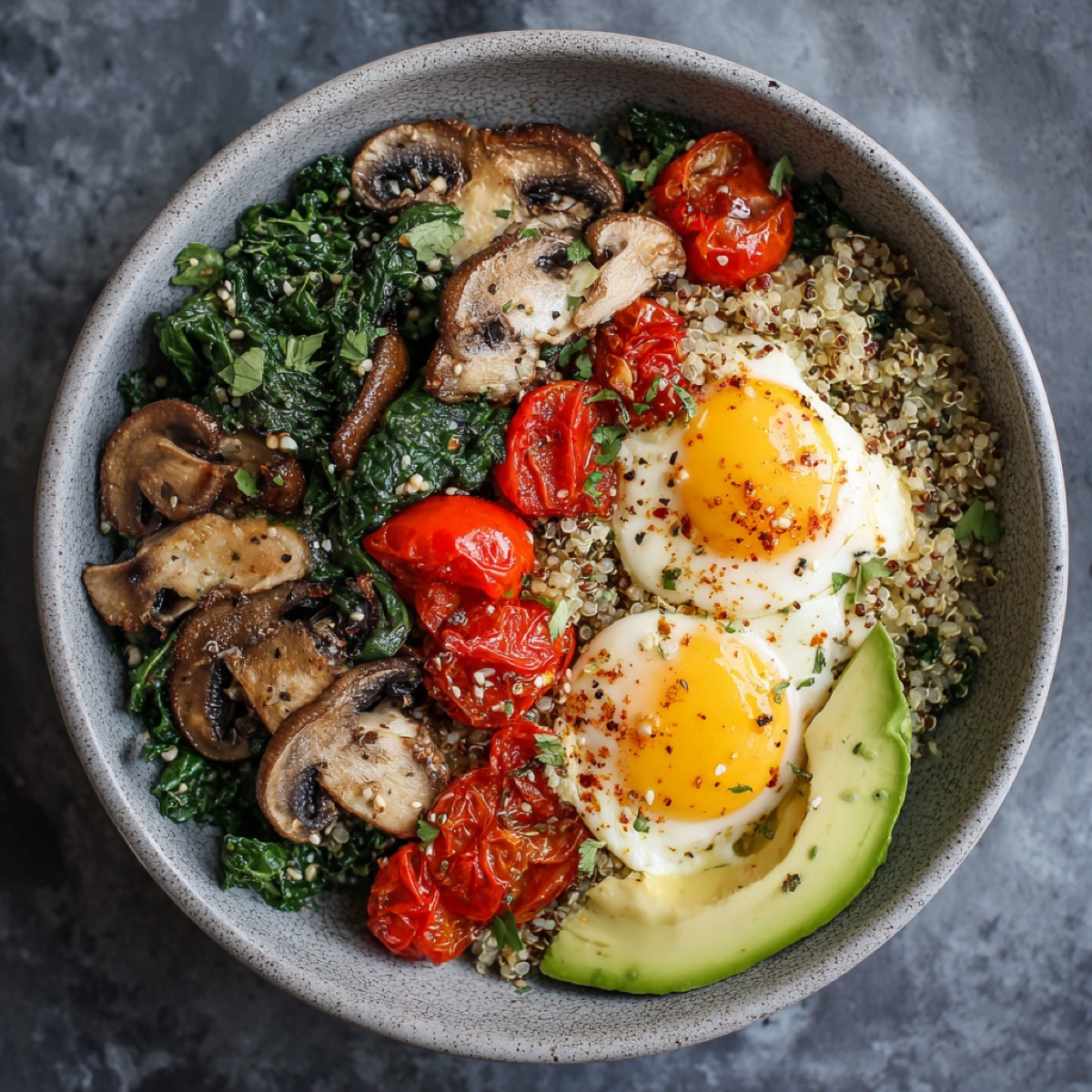
Savoury Greens & Egg Breakfast Skillet
A warm savoury breakfast skillet with eggs, greens, and slow carbohydrates for steady morning energy.
Nutrient Tables (per 100 g)
Selected food and preparation: Tomatoes, red, ripe, raw, year round average. per 100 g edible portion.
Core nutrients
| Nutrient | Amount per 100 g | % reference intake per 100 g |
|---|---|---|
| Energy | 18 kcal | — |
| Protein | 0.9 g | — |
| Total fat | 0.2 g | — |
| Saturated fat | 0 g | — |
| Carbohydrates | 3.9 g | — |
| Sugars | 2.6 g | — |
| Fibre | 1.2 g | — |
Key vitamins and minerals
Vitamins and minerals supplying at least 10% of an adult reference intake per 100 g, derived from the composition panel.
| Nutrient | Amount per 100 g | % reference intake per 100 g |
|---|---|---|
| Vitamin C | 13.7 mg | 15.2% |
Bioactive compounds
Content applies to the food and preparation identified in the source notes.
| Compound / class | Amount per 100 g | Notes |
|---|---|---|
| Lycopene | 2573 µg | — |
Substances
3 substances in this food
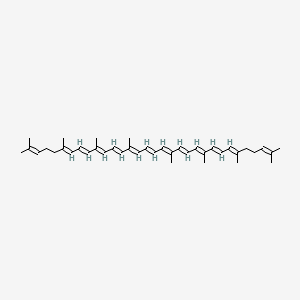
Lycopene
USDA FoodData Central reports lycopene in Tomatoes, red, ripe, raw, year round average.
Potassium
USDA FoodData Central reports potassium in Tomatoes, red, ripe, raw, year round average.
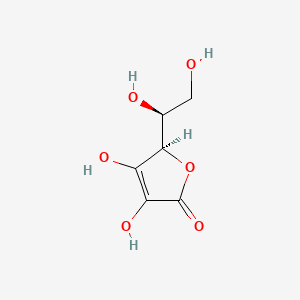
Vitamin C (Ascorbate)
USDA FoodData Central reports vitamin C in Tomatoes, red, ripe, raw, year round average.
References
[1] The bioaccessibility of carotenoids in vegetables is remarkably low—lycopene in canned and fresh tomatoes is less than 1%. Fielding & Rowley 2005. Increases in plasma lycopene concentration after consumption of tomatoes cooked with olive oil
[2] Eat your beans with vitamin C-rich foods (e.g., tomatoes, peppers, citrus) to enhance iron absorption; vitamin C significantly improves non-heme iron absorption by reducing ferric to ferrous iron. Hallberg & Brune 1989. Iron absorption in man: ascorbic acid and dose-dependent inhibition by phytate
[3] Co-consuming a small amount of unsaturated fat with polyphenol-rich foods improves micelle formation and chylomicron packaging, increasing carotenoid absorption Kindel et al. 2010. Brown & Ferruzzi 2004. Carotenoid bioavailability is higher from salads ingested with full-fat than with fat-reduced salad dressings as measured with electrochemical detection