Apples
Overview
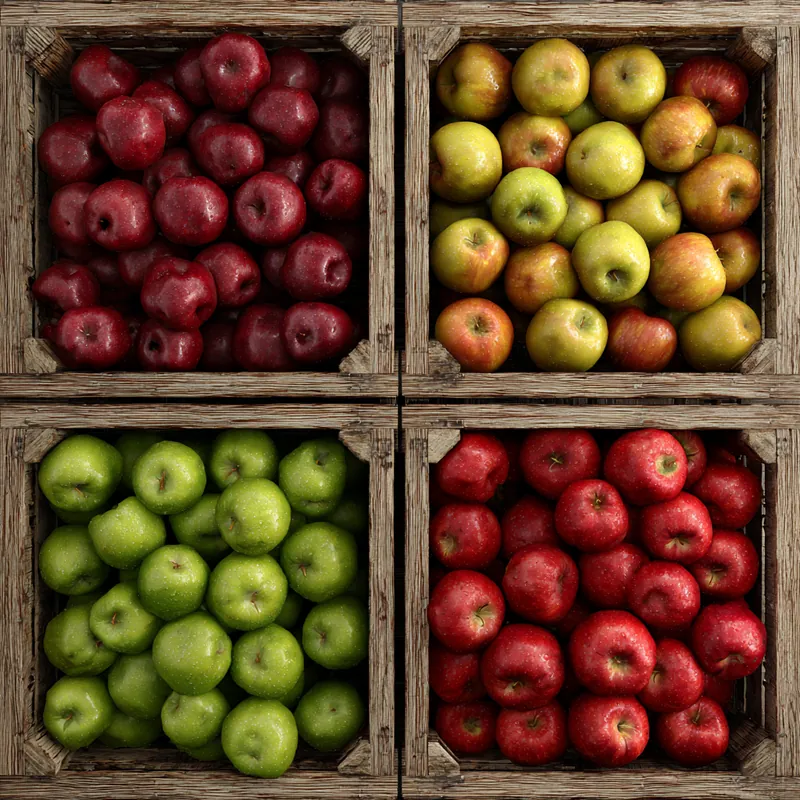
Apples provide pectin, quercetin and vitamin C in an intact fruit structure. Whole fruit is more filling and produces a smaller post-meal insulin response than apple juice [1].
Within the BRAIN Diet, apples are best eaten as whole fruit rather than juice. Leave the skin on when tolerated; much of the flavonol content is in the peel [3].
Key Nutritional Highlights
- Whole fruit is more filling and blunts the post-meal insulin response compared with juice [1].
- Pectin is present; USDA reports total fibre and does not quantify pectin [5].
- Quercetin and related flavonols are concentrated in the peel [3].
- Best eaten as whole fruit with the skin when tolerated.
Food Context
Preparation
- Prefer whole fresh apples to preserve food-matrix benefits and blunt glycemic response [1].
- Avoid juicing or heavy processing that removes fibre and disrupts cell-wall structure [1].
- Leave skin on when tolerated; much of the flavonol content concentrates in peel tissue [3].
Recipes
Nutrient Tables (per 100 g)
Selected food and preparation: Apples, raw, with skin (Includes foods for USDA's Food Distribution Program). per 100 g edible portion.
Core nutrients
| Nutrient | Amount per 100 g | % reference intake per 100 g |
|---|---|---|
| Energy | 52 kcal | — |
| Protein | 0.3 g | — |
| Total fat | 0.2 g | — |
| Saturated fat | 0 g | — |
| Carbohydrates | 13.8 g | — |
| Sugars | 10.4 g | — |
| Fibre | 2.4 g | — |
Bioactive compounds
| Compound / class | Amount per 100 g | Notes |
|---|---|---|
| Quercetin | Present — quantity not established | Apples, raw, with skin; NDB 09003 — glycosides / reported aglycone equivalents |
| Pectin | Present — quantity not established | Soluble cell-wall polysaccharide; cultivar and extraction method vary. |
- Quercetin: USDA flavonoid database, Release 3.3; the studied food form is shown beside each constituent. Glycoside-derived records do not establish free-aglycone amounts.
- Pectin: Liu et al. 2023 supports this qualitative constituent record. See technical provenance for food form and measurement details.
Technical provenance
Quercetin: USDA flavonoid database Release 3.3 (2018); Printed page 22; Apples, raw, with skin; NDB 09003. Positive mean in the named food row, not an assumed association from database title. No free-aglycone mass inferred.
Pectin: Liu et al. 2023 isolated pectin from 13 apple cultivars (peel, flesh and core) as alcohol-insoluble, water-soluble and chelating-soluble fractions. Yields and structure varied widely by cultivar. USDA SR Legacy (Apples, raw, with skin; FDC 171688) reports total fibre 2.4 g/100 g and does not quantify pectin. Extracted-fraction yields are not converted into a USDA-style per-100 g number for this record.
Substances
3 substances in this food
Quercetin (and Isoquercetin)
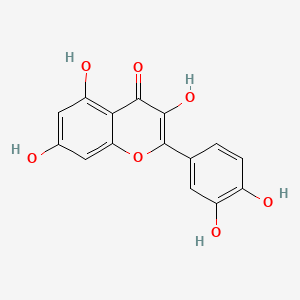
USDA’s flavonoid database identifies quercetin-derived glycosides in apples, raw, with skin. A separate amount for this page is not established. This does not establish free-aglycone content.
Vitamin C (Ascorbate)
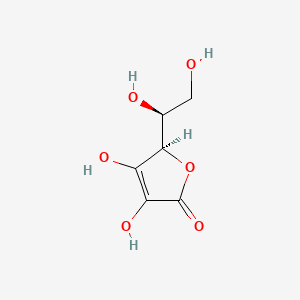
USDA FoodData Central reports vitamin C in Apples, raw, with skin (Includes foods for USDA's Food Distribution Program).

Pectin
A class of plant cell-wall polysaccharides. Apple pectin, citrus pectin, and generic fermentation substrates are separate evidence records.
References
[1] Haber & Heaton (1977). DEPLETION AND DISRUPTION OF DIETARY FIBRE. In healthy adults, intact apple produced greater satiety and a smaller insulin response than apple juice; puree was intermediate.
[3] Neveu & Perez-Jimenez (2010). Phenol-Explorer: an online comprehensive database on polyphenol contents in foods. Phenol-Explorer reports quercetin and related flavonols in apples, with higher values in peel than in flesh.
[5] Liu et al. (2023). A wide diversity exists in pectin structure from thirteen apple cultivars. Isolated pectin from 13 apple cultivars as alcohol-insoluble, water-soluble and chelating-soluble fractions; yields varied by cultivar and are not a USDA per-100 g pectin quantity, nor the 2.4 g total fibre on this page.