Overview
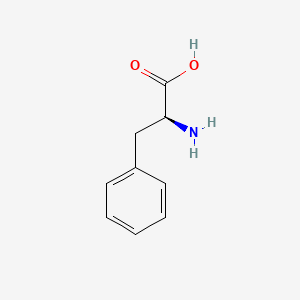
Phenylalanine is an essential amino acid that serves as a precursor to tyrosine, which in turn is converted to the catecholamine neurotransmitters dopamine and norepinephrine. Phenylalanine participates in LAT1 competition at the blood-brain barrier along with other large neutral amino acids, and its conversion to tyrosine requires the enzyme phenylalanine hydroxylase. Both dopamine and norepinephrine synthesis pathways rely on cofactors including iron, B6, folate, omega-3s, and BH₄ (tetrahydrobiopterin) to support rate-limiting steps in catecholamine synthesis, making phenylalanine an important component of neurotransmitter production.
Recipes
8 recipes containing this substance
Chocolate Quinoa Crisp Clusters
A delicious cereal-to-snack hybrid with satisfying crunch, steady energy, and a low glycemic profile. Perfect for breakfast or anytime snacking.
Ginger Yogurt and Blueberries
An Anti-inflammatory polyphenol-rich breakfast bowl with high fibre. Start the day with anti-inflammatory gingerols and omega 3 nuts, blueberry polyphenols, a fibre from steel rolled oats. Great to set up dopamine for focus and attention.
Mitochondrial Power Bowl
A nitrate-rich, polyphenol-dense bowl supporting mitochondrial function, ATP generation, and metabolic resilience
Salmon Bowl-pistachio-cacao-nibs
A functional ECS-supportive bowl combining salmon, avocado, pistachios, cacao nibs, and early harvest olive oil to help preserve anandamide tone, improve membrane lipid composition, and support gut–brain signaling.
Turmeric Lentil Dahl
Anti-inflammatory curcumin-rich lentil dish supporting gut health, NF-κB inhibition, and SCFA production
Turmeric Milk
A warming drink combining turmeric (curcumin) with milk/fat for enhanced curcumin absorption
Foods
20 foods containing this substance
Almonds
Vitamin E, plant protein, and healthy fats
Beef
High creatine, CoQ10, heme iron, and complete protein
Black Beans
Legume with polyphenols and protein; optimal soaking conditions detailed
Cashews
Plant protein and zinc source
Chicken
Complete protein with niacin, zinc, and tryptophan
Chickpeas
Legume providing protein, fiber, folate, magnesium, and B6
Eggs
Complete protein with choline, B vitamins, and phospholipids
Lentils
Legume rich in protein, fiber, folate, iron, and prebiotics
Milk
Complete protein, nicotinamide riboside, and calcium
Oats
Beta-glucans, tryptophan, and B vitamins for gut and neurotransmitter support
Peanuts
Niacin, resveratrol, and plant protein for NAD+ and mitochondrial support
Quinoa
Pseudograin with complete protein, magnesium, and GABA potential in sourdough
Salmon
Oily fish rich in EPA/DHA, protein, and B vitamins
Tempeh
Fermented soy providing probiotics and enhanced nutrient bioavailability
Tofu
Soy-based protein source with isoflavones and choline
Walnuts
ALA omega-3, polyphenols, and ellagitannins for urolithin A production
Yogurt
Fermented dairy providing probiotics and complete protein
Biological Mechanisms and Implications
| Biological Target | Therapeutic Areas | Mechanism of Action |
|---|
| Neurochemical Balance | | Essential amino acid that converts to tyrosine and supports catecholamine synthesis (dopamine, norepinephrine); participates in LAT1 competition at the blood-brain barrier |
References
- Phenylalanine converts to tyrosine and supports catecholamine synthesis; participates in LAT1 competition at the BBB
- Both dopamine and norepinephrine synthesis pathways rely on cofactors including iron, B6, folate, omega-3s, and BH₄ to support rate-limiting steps in catecholamine synthesis Fanet et al. 2021