Rice

Overview
Rice is a globally used staple carbohydrate. Within the BRAIN Diet, variant and processing often matter more than the word “rice” on a label: degree of milling, pigmentation (white, red, black), cultivar (e.g. basmati vs jasmine), cooking and cooling, fermentation, and meal context (protein, fat, fibre, acidity) shape fibre, resistant starch (RS), glycaemic impact, and polyphenol exposure.
Cooking and cooling can create larger biological differences than minor distinctions between many white-rice cultivars. Red and black rice contribute more meaningfully to antioxidant and polyphenol exposure than small cultivar differences among polished whites.
Grain protein remains lysine-limited; pairing with legumes improves essential amino acid balance [1,2]. Nutrient tables below map to brown rice, cooked as the reference variant; see the comparison table for how other types differ.
Rice Variants and Biologically Relevant Characteristics
| Rice Type | Fibre | Resistant Starch Potential | Glycaemic Impact | Polyphenols | Micronutrient Density | Notes |
|---|---|---|---|---|---|---|
| White Rice | Low | Low (freshly cooked) | Higher | Low | Lower | Most bran removed; primarily starch source. |
| White Rice (Cooked & Cooled) | Low | High | Lower | Low | Lower | Resistant starch formation significantly increased after cooling. |
| Basmati Rice | Low–Moderate | Low–Moderate | Lower than many white rice varieties | Low | Lower | Generally slower glucose appearance than jasmine rice. |
| Jasmine Rice | Low | Low | Higher | Low | Lower | Typically more rapidly digestible than basmati. |
| Brown Rice | Moderate | Moderate | Lower | Moderate | Higher | Bran retained; provides magnesium, manganese and fibre. |
| Red Rice | Moderate | Moderate | Lower | High | Higher | Anthocyanins and polyphenols contribute antioxidant capacity. |
| Black Rice | Moderate | Moderate | Lower | Very High | Higher | Rich source of anthocyanins (principally Cyanidin-based pigments) and antioxidant compounds. |
| Wild Rice* | Higher | Moderate | Lower | Moderate | Higher | Technically a grass seed rather than true rice. |
| Fermented Rice Preparations | Variable | Variable | Lower | Variable | Variable | Fermentation may alter digestibility and microbiome interactions. |
*Not botanically a true rice but often grouped with rice products.
Key Biological Variables
- Degree of milling (white vs brown)
- Pigmentation (white, red, black)
- Cooking and cooling status
- Fermentation status
- Food matrix (whole grain vs flour)
- Meal context (protein, fat, fibre, acidity)
Food Context
Synergies
- Pair with legumes for complete amino acid profile; pair legumes with grains (e.g., beans + rice) to cover lysine and methionine gaps
Preparation
- Cook and cool to increase resistant starch; reheating does not fully reverse RS formed on cooling — cooled (and reheated) white rice showed higher RS and lower glycaemic response than freshly cooked equivalents [3]
- Choose brown, red, or black rice when fibre, minerals, and polyphenols are priorities; choose basmati over jasmine when slower glucose appearance is preferred
- Fermented rice preparations (where used) may differ from standard cooked rice in digestibility and microbiome interactions — treat separately from plain polished white rice
- Cooled rice RS supports fermentable substrate for gut microbes (Bifidobacterium, Akkermansia) and butyrate-associated barrier support
Essential Amino Acid Profile
Rice provides a useful plant protein source but are not a complete protein.
Notable amino acids:
- Methionine (relatively higher than in legumes)
Limiting amino acids:
- Lysine (typical of grains)
Protein pairing strategy:
Grains such as rice are relatively higher in methionine but lysine-limited. Combining with legumes (e.g. lentils, chickpeas) creates a more balanced essential amino acid profile.
Recipes
1 recipe containing this food
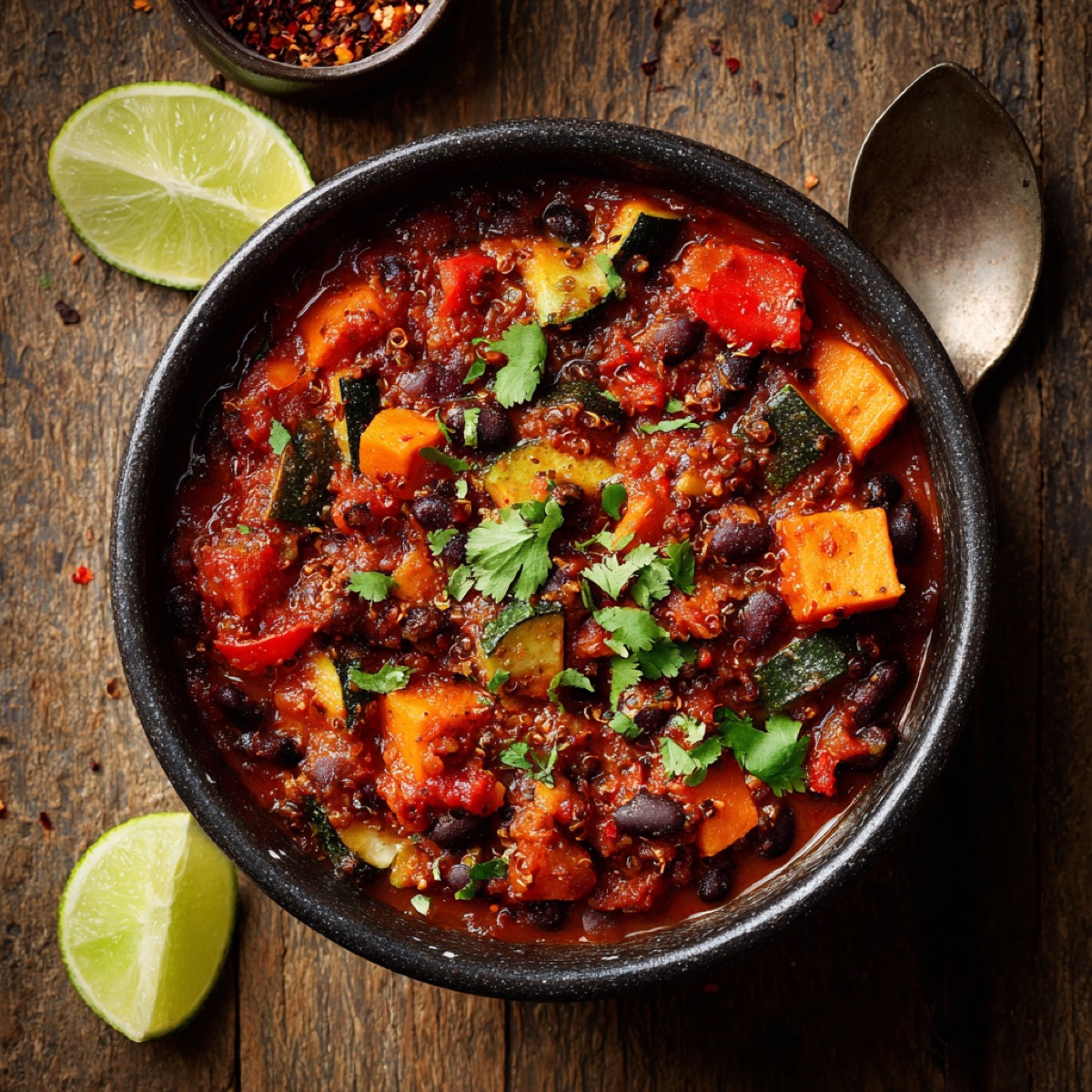
Black Bean & Sweet Potato Vegetable Chilli
A fibre-rich bean and vegetable chilli with warming spices and slow carbohydrates for steady energy and satiety.
Nutrient Tables (per 100 g)
Selected food and preparation: Rice, white, long-grain, regular, raw, unenriched. per 100 g edible portion.
Core nutrients
| Nutrient | Amount per 100 g | % reference intake per 100 g |
|---|---|---|
| Energy | 365 kcal | — |
| Protein | 7.1 g | — |
| Total fat | 0.7 g | — |
| Saturated fat | 0.2 g | — |
| Carbohydrates | 80 g | — |
| Sugars | 0.1 g | — |
| Fibre | 1.3 g | — |
Key vitamins and minerals
Vitamins and minerals supplying at least 10% of an adult reference intake per 100 g, derived from the composition panel.
| Nutrient | Amount per 100 g | % reference intake per 100 g |
|---|---|---|
| Phosphorus | 115 mg | 16.4% |
| Manganese | 1.1 mg | 47.3% |
| Selenium | 15.1 µg | 27.5% |
| Copper | 0.2 mg | 24.4% |
| Vitamin B6 | 0.2 mg | 12.6% |
| Vitamin B3 | 1.6 mg | 10% |
| Vitamin B5 | 1 mg | 20.3% |
Substances
1 substance in this food
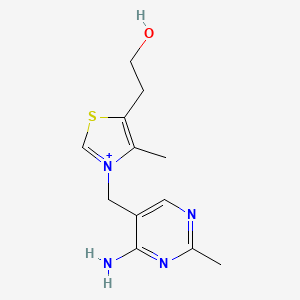
Vitamin B1 (Thiamine)
USDA FoodData Central reports vitamin B1 in Rice, white, long-grain, regular, raw, unenriched.
References
[1] FAO (2013). Protein quality evaluation framework (DIAAS)
[2] Mariotti & Gardner (2019). Plant-protein adequacy, limiting amino acids, and practical complementarity