Algal Oil
Overview
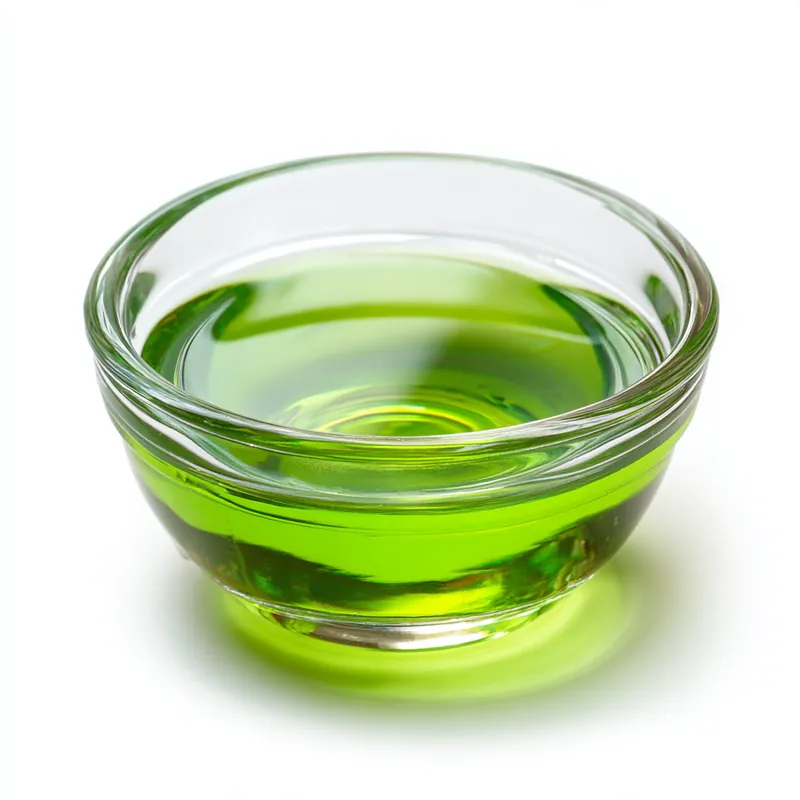
Algal oil is a vegetarian source of the long-chain omega-3 DHA, produced from cultivated microalgae. Most commonly available algal oils are designed primarily to provide DHA, while their EPA content is often absent or comparatively low. Separate formulations supplying both EPA and DHA are also available, so the product label is needed to determine the actual amount provided [1,3].
Within the BRAIN Diet, algal oil provides an alternative to fish-derived omega-3 oils, particularly where direct DHA intake is required within a vegetarian or vegan dietary pattern. Algal-oil DHA is absorbed similarly to DHA from cooked salmon [2].
Key Nutritional Highlights
- DHA is the principal long-chain omega-3 in typical authorised algal oils [1].
- EPA is formulation-specific and is not assumed to be present in DHA-focused oils [1].
- Read the product label for actual DHA and EPA; use as a measured supplement, not a high-heat cooking oil [1,3].
Food Context
Sourcing
- Distinguish DHA-rich oils from combined EPA/DHA oils; read DHA and EPA milligrams on the label [1,3].
- Algal oil is a vegetarian omega-3 supplement source; available products cover a wide range of doses and forms [3].
Preparation
- Use algal oil in capsule or measured liquid supplement forms as directed; these products are not intended for high-heat culinary use.
- Store away from heat and light and respect shelf-life guidance.
Recipes
Representative authorised algal-oil specifications
| Formulation | DHA | EPA | Interpretation |
|---|---|---|---|
| DHA-rich Schizochytrium oil | ≥32 g/100 g oil | Not specified | Common DHA-focused specification |
| Selected strain-specific DHA-rich oils | ≥35 g/100 g oil | Not specified | Strain-specific authorised specification |
| DHA/EPA-rich Schizochytrium oil | ≥15 g/100 g oil | ≥10 g/100 g oil | Distinct combined formulation |
These are regulatory minimum specifications, not averages, measured ranges or guaranteed values for every commercial product.
Data provenance (regulatory product specifications, not USDA food-composition measurements): EU Union list of novel foods, Commission Implementing Regulation (EU) 2017/2470 (consolidated 25 September 2024) · https://eur-lex.europa.eu/eli/reg_impl/2017/2470/2024-09-25/eng · accessed 2026-08-16
This value uses a documented composition interpretation. See FCIR-013.
Substances
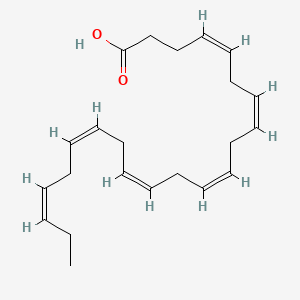
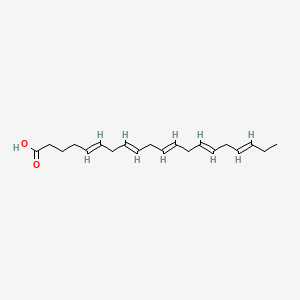
DHA is the principal identity constituent of typical authorised algal oils and is supported by the DHA-rich specification rows. EPA is shown only as a formulation-specific substance, supported by the combined EPA/DHA row; it is not assumed to be present in meaningful amounts in DHA-focused oils.
2 substances in this food
DHA (Docosahexaenoic Acid)
DHA presence is supported by the authorised algal-oil specifications on this page. The amount is formulation-specific and is not established as one value for algal oil in general.
EPA (Eicosapentaenoic Acid)
Present in EPA-containing algal oils; DHA-only products may differ.
References
[1] European Commission (2024). Commission Implementing Regulation (EU) 2017/2470 establishing the Union list of novel foods. Authorised algal-oil specifications distinguish DHA-rich Schizochytrium oils from a separate combined EPA/DHA formulation; the listed figures are regulatory minima, not product averages.
[2] Arterburn et al. (2008). Algal-oil capsules and cooked salmon: nutritionally equivalent sources of docosahexaenoic acid. Randomized comparison of algal-oil capsules with cooked salmon found similar DHA bioavailability; the intervention was capsules, not culinary oil.
[3] NIH (2022). Omega-3 Fatty Acids: Fact Sheet for Consumers. Consumer fact sheet listing algal oil as a vegetarian omega-3 source; commercial products vary in dose and form.
[4] EU authorised algal oil specifications
[5] EFSA (2014), Extension of use for DHA and EPA-rich algal oil from Schizochytrium sp.