Parsley

Overview
Parsley, when added during cooking, significantly reduces harmful Cholesterol Oxidation Products (COPs), supporting cardiovascular and brain health.
Within the BRAIN Diet framework, the strategy of simply adding parsley when cooking food has seen significant reductions in harmful COPs (Cholesterol Oxidation Products).
Food Context
Synergies
- Part of food preparation strategy to reduce harmful byproducts
Preparation
- Add fresh parsley during cooking to reduce COPs
- Can be used as garnish or cooking ingredient
- Fresh is preferred over dried
Recipes
2 recipes containing this food
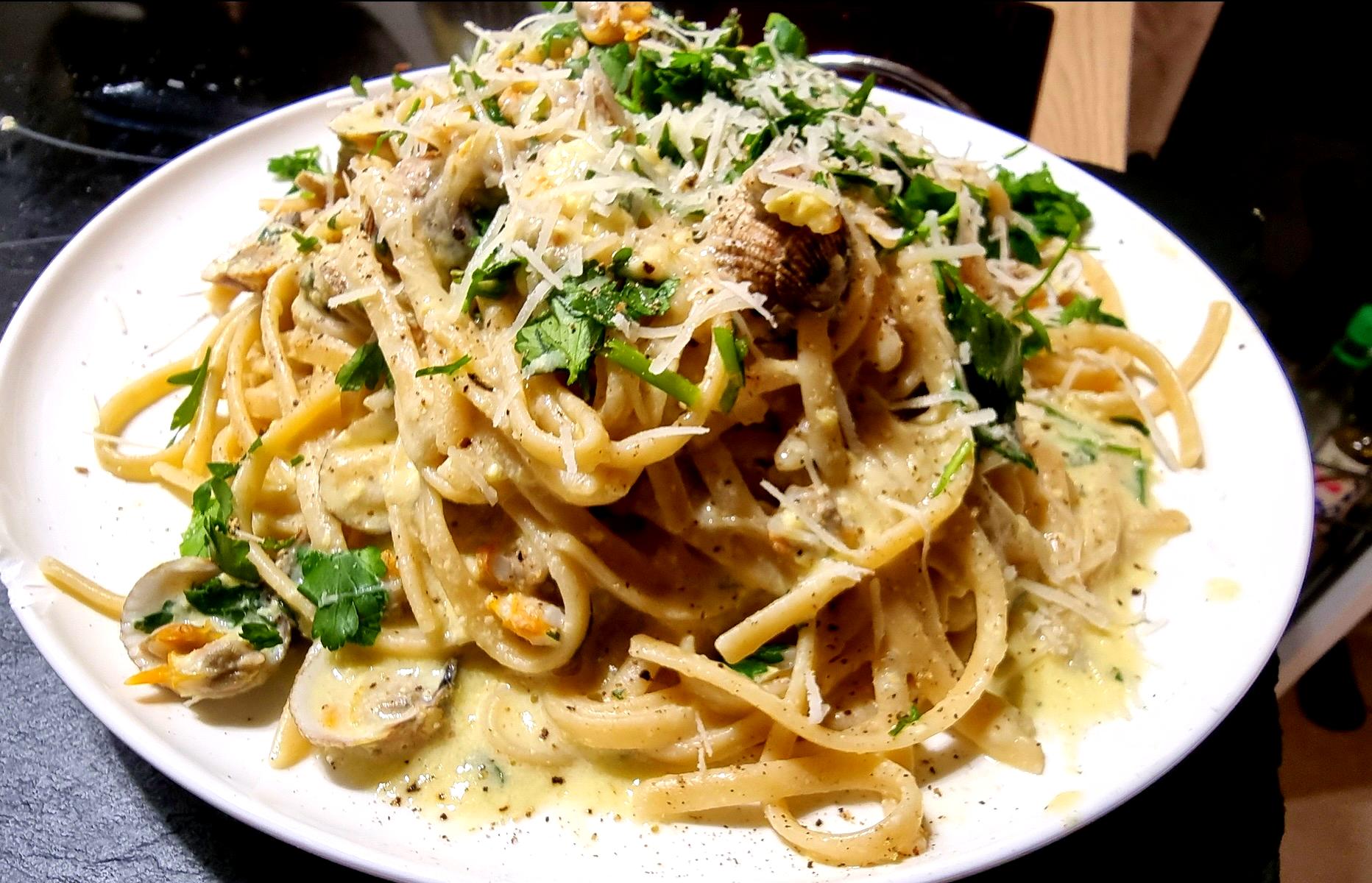
Linguine alle vongole mantecate (Linguine with cockles in a silky emulsified sauce)
Whole-wheat linguine with cockles in a silky emulsified sauce; Italian emulsification technique without cream, supporting taurine, B12, and choline intake.
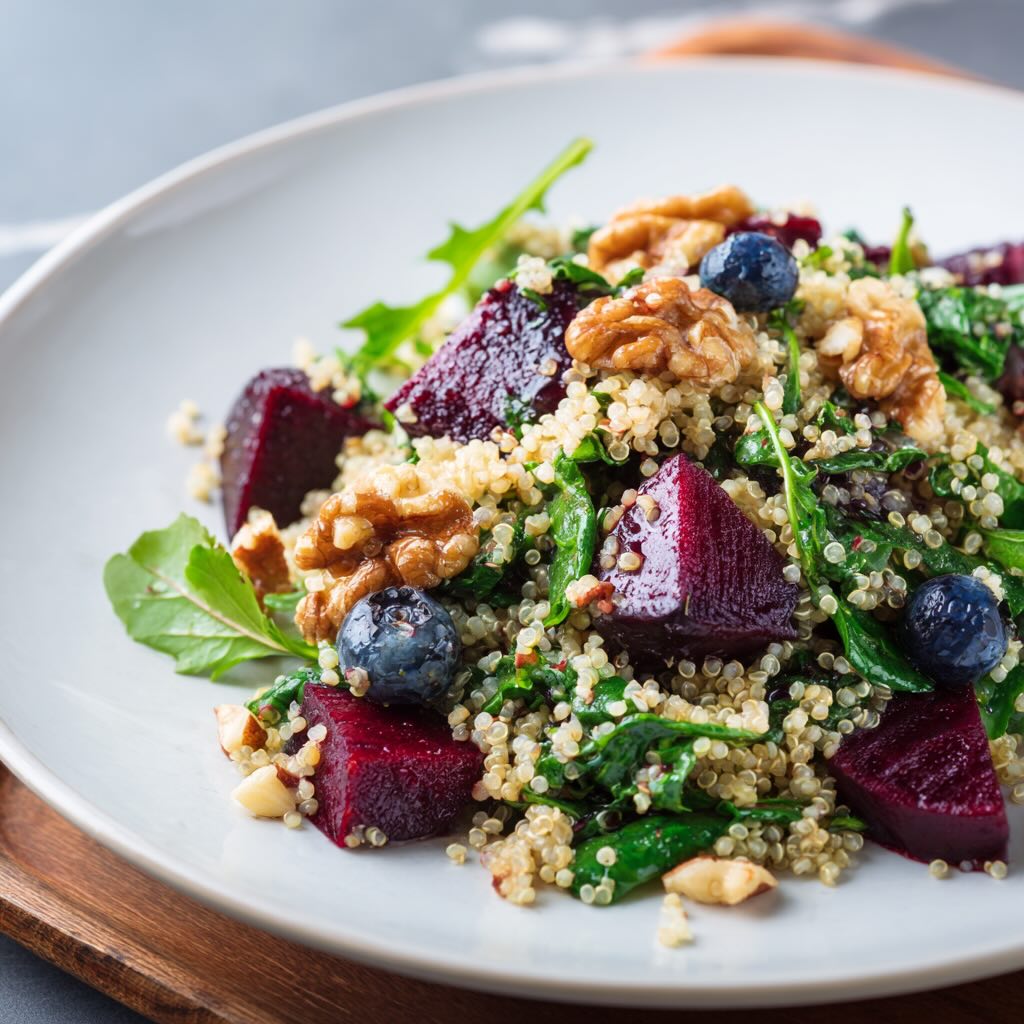
Mitochondrial Power Bowl
A nitrate-rich, polyphenol-dense bowl combining leafy greens, beets, berries, nuts, and early harvest olive oil
Nutrient Tables (per 100 g)
Selected food and preparation: Parsley, fresh. per 100 g edible portion.
Core nutrients
| Nutrient | Amount per 100 g | % reference intake per 100 g |
|---|---|---|
| Energy | 36 kcal | — |
| Protein | 3 g | — |
| Total fat | 0.8 g | — |
| Saturated fat | 0.1 g | — |
| Carbohydrates | 6.3 g | — |
| Sugars | 0.9 g | — |
| Fibre | 3.3 g | — |
Key vitamins and minerals
Vitamins and minerals supplying at least 10% of an adult reference intake per 100 g, derived from the composition panel.
| Nutrient | Amount per 100 g | % reference intake per 100 g |
|---|---|---|
| Iron | 6.2 mg | 34.4% |
| Magnesium | 50 mg | 11.9% |
| Calcium | 138 mg | 13.8% |
| Potassium | 554 mg | 16.3% |
| Copper | 0.1 mg | 16.6% |
| Folate | 152 µg | 38% |
| Vitamin C | 133 mg | 147.8% |
| Vitamin A | 421 µg | 46.8% |
| Vitamin K | 1640 µg | 1366.7% |
Substances
3 substances in this food
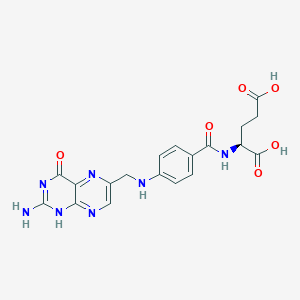
Vitamin B9 (Folate)
USDA FoodData Central reports folate in Parsley, fresh. The recorded analyte is folate.
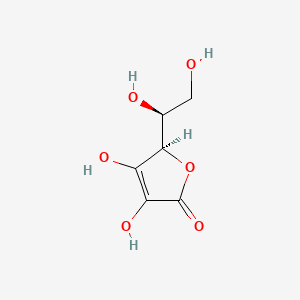
Vitamin C (Ascorbate)
USDA FoodData Central reports vitamin C in Parsley, fresh.
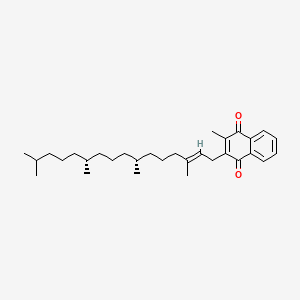
Vitamin K (Phylloquinone)
USDA FoodData Central reports vitamin K in Parsley, fresh. This vitamin K record is not a vitamin K2 measurement.
References
[1] Parsley and Apiaceae herbs provide polyphenols and vitamin K in culinary doses. de Oliveira et al. 2022. Parsley (Petroselinum crispum Mill.): A source of bioactive compounds as a domestic strategy to minimize cholesterol oxidation during the thermal preparation of omelets
[2] Herb polyphenols may influence gut microbiota composition as part of diverse plant intake. Yeo et al. 2023. Influence of food-derived bioactives on gut microbiota compositions and their metabolites by focusing on neurotransmitters