Peas

Overview
Peas provide plant protein, prebiotic fiber, and thiamine (B1), supporting gut health, neurotransmitter synthesis, and mitochondrial function. Thiamine (B1): Pork, sunflower seeds, salmon, peas, rice, lentils.
Within the BRAIN Diet framework, thiamine is essential for mitochondrial glucose metabolism in the brain leading to ATP production. Peas are part of the legume family with prebiotic benefits .
Key Nutritional Highlights
- Peas are part of the legume family with prebiotic benefits.
Food Context
Synergies
- Part of diverse legume intake; dietary diversity (≥30 plant foods per week) supports microbial richness and resilience
- Pair with grains for complete amino acid profile; grain-legume complementarity improves essential amino-acid coverage
Preparation
- Can be consumed fresh, frozen, or dried; fresh peas have higher nutrient content
- Soak dried peas to reduce phytates and improve mineral bioavailability
Essential Amino Acid Profile
Peas provide a strong plant protein source but are not a complete protein.
Notable amino acids:
- Lysine
Limiting amino acids:
- Methionine and cysteine (DIAAS ~65–70)
Protein pairing strategy:
Peas are rich in lysine but relatively low in sulfur-containing amino acids. Combining with grains such as rice, oats, or barley helps create a more balanced essential amino acid profile.
Recipes
Nutrient Tables (per 100 g)
Selected food and preparation: Peas, green, raw. per 100 g edible portion.
Core nutrients
| Nutrient | Amount per 100 g | % reference intake per 100 g |
|---|---|---|
| Energy | 81 kcal | — |
| Protein | 5.4 g | — |
| Total fat | 0.4 g | — |
| Saturated fat | 0.1 g | — |
| Carbohydrates | 14.5 g | — |
| Sugars | 5.7 g | — |
| Fibre | 5.7 g | — |
Key vitamins and minerals
Vitamins and minerals supplying at least 10% of an adult reference intake per 100 g, derived from the composition panel.
| Nutrient | Amount per 100 g | % reference intake per 100 g |
|---|---|---|
| Zinc | 1.2 mg | 11.3% |
| Phosphorus | 108 mg | 15.4% |
| Manganese | 0.4 mg | 17.8% |
| Copper | 0.2 mg | 19.6% |
| Folate | 65 µg | 16.3% |
| Vitamin B6 | 0.2 mg | 13% |
| Vitamin B2 | 0.1 mg | 10.2% |
| Vitamin B1 | 0.3 mg | 22.2% |
| Vitamin B3 | 2.1 mg | 13.1% |
| Vitamin C | 40 mg | 44.4% |
| Vitamin K | 24.8 µg | 20.7% |
Bioactive compounds
| Compound / class | Amount per 100 g | Notes |
|---|---|---|
| Spermidine | Present — quantity not established | Measured food occurrence; content varies by sample and preparation. |
- Spermidine: Esparza et al. (2021) supports this qualitative constituent record. See technical provenance for food form and measurement details.
Technical provenance
Spermidine: Muñoz-Esparza et al. (2021), §3.1 and Figures 3–5: Peas is identified as a spermidine-containing food. The selected USDA panel does not quantify this analyte. A comparable product-specific per-100 g value is not established here. https://doi.org/10.3390/foods10081752
Substances
3 substances in this food
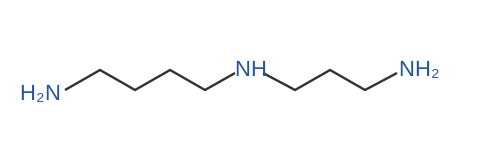
Spermidine
Occurs directly in this food; a product-specific amount is not established.
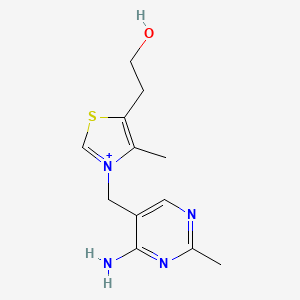
Vitamin B1 (Thiamine)
USDA FoodData Central reports vitamin B1 in Peas, green, raw.
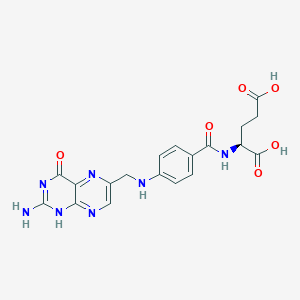
Vitamin B9 (Folate)
USDA FoodData Central reports folate in Peas, green, raw. The recorded analyte is folate.
References
[1] Muñoz-Esparza et al. (2021). Occurrence of Polyamines in Foods and the Influence of Cooking Processes. Analytical evidence for spermidine occurrence; food type and preparation affect composition.