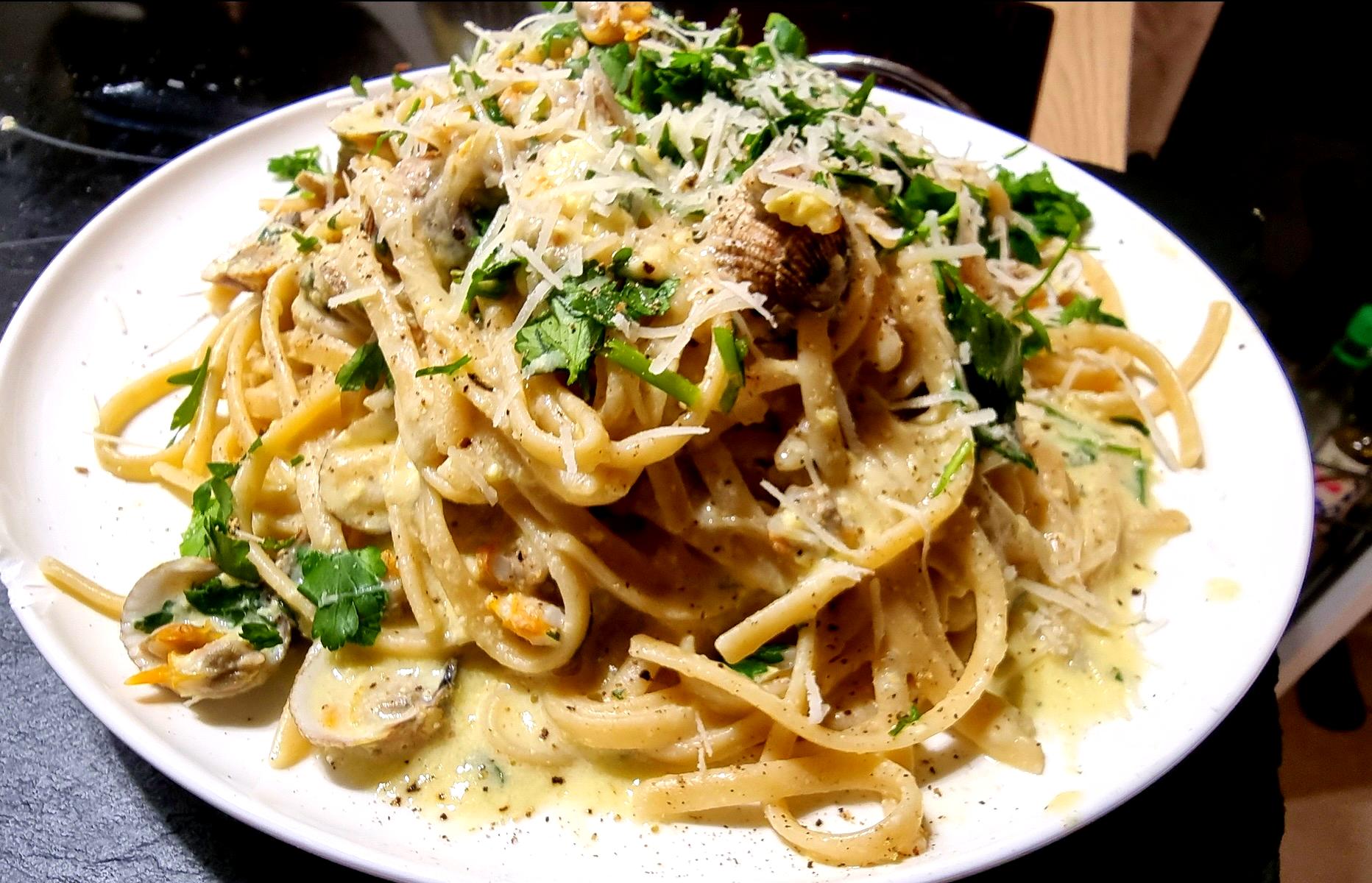
Linguine alle vongole mantecate (Linguine with cockles in a silky emulsified sauce)
Overview
This dish applies a classic Italian emulsification technique to shellfish pasta, producing a glossy, integrated sauce without the use of cream. Cockles are briefly steamed to preserve their natural liquor, which contains amino acids, minerals, and marine peptides contributing to both flavour and nutritional value. The dish works equally well with mussels or clams, which have similar nutritional profiles; clams and mussels are even higher in taurine Wójcik et al. 2009. Whole-wheat linguine provides a fibre-rich carbohydrate base, while onion, garlic, olive oil, and parsley create a balanced aromatic structure. The sauce is finished with egg yolk and cheese off heat, forming a stable emulsion that increases nutrient density while maintaining a light texture.
Rationale (BRAIN Diet Context)
This recipe supports several core BRAIN Diet principles:
- Marine amino acids such as taurine contribute to neuronal stability and mitochondrial function.
- Shellfish provide highly bioavailable B12, iron, zinc, and selenium, which are relevant to neurotransmitter synthesis and energy metabolism.
- Whole-grain pasta moderates glucose release and provides fibre supporting gut-brain signalling.
- Olive oil supplies monounsaturated fats and polyphenols linked with vascular and anti-inflammatory pathways.
- Egg yolk contributes phospholipids, choline, and cholesterol, supporting membrane structure, acetylcholine pathways, and lipid-mediated nutrient absorption.
The result is a meal combining stable energy supply, micronutrient density, and flavour integrity.
Ingredients (2 servings)
- 300 g (10.6 oz) whole-wheat linguine
- 1 kg cockles (or mussels, or clams), purged and rinsed
- 1 small onion, finely chopped
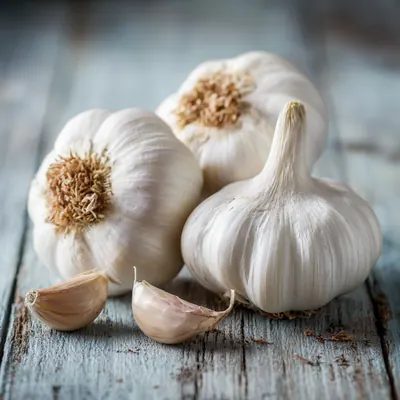
- 2 garlic cloves, thinly sliced
- 4 tbsp (60 ml) extra-virgin olive oil
- 120 ml (8 tbsp) dry white wine
- 2 egg yolks
- 25–30 g finely grated parmesan
- 1 small knob butter (optional)
- Parsley, finely chopped
- Zest of half a lemon
- Black pepper
Salted water for pasta
Method
1. Purge and prepare cockles
Ensure cockles have been purged in salted water and rinsed. Discard any that remain open when tapped.
2. Steam cockles
Place cockles in a wide pan with a splash of wine or water. Cover and cook 2–3 minutes until they open. Remove immediately from heat. Transfer cockles to a bowl and strain the cooking liquid through a fine sieve or cloth, keeping the clear liquor and discarding any sediment. Remove most cockle meat from shells, reserving a few whole for presentation if desired.
3. Cook pasta
Bring salted water to a rolling boil and cook whole-wheat linguine until just al dente. Reserve a mug of pasta water before draining.
4. Build the sauce base
In a large pan, warm olive oil over medium-low heat. Add onion and cook gently for 5–6 minutes until softened but not browned. Add garlic and cook briefly (30–40 seconds). Pour in white wine and strained cockle liquor and allow to simmer gently.
5. Combine pasta and sauce
Transfer the cooked linguine directly into the sauce with a splash of pasta water. Toss vigorously to emulsify the oil, liquor, and starch.
6. Finish with yolk emulsion
In a separate bowl, whisk egg yolks with parmesan. Slowly add 3–5 tablespoons of hot pasta water while whisking continuously. This tempers the yolks, loosening the mixture and preventing scrambling when added to the pasta. Remove pasta pan from heat and immediately add the yolk mixture, tossing continuously to form a glossy sauce. Add cockle meat and optional butter, then finish with parsley, lemon zest, and black pepper. Add more water from the boiled pasta to increase the sauce. Serve immediately.
Nutrition
Per serving, recipe serves 2. Each included ingredient is scaled from a named per-100 g composition record by edible grams. Optional ingredients are excluded. Missing analytical values are not treated as zero.
| Nutrient | Per serving |
|---|---|
| Energy | 1010 kcal |
| Protein | 40 g |
| Carbohydrates | 120 g |
| Sugars | 6.3 g |
| Fibre | 14 g |
| Total fat | 40 g |
| Saturated fat | 8.2 g |
| Sodium | 630 mg |
Sodium excludes salt added to the pasta water.
Key vitamins and minerals
| Nutrient | Per serving | Reference intake |
|---|---|---|
| Vitamin B12 | 8.9 µg | 373% RDA |
| Selenium | 150 µg | 277% RDA |
| Manganese | 4.7 mg | 205% AI |
| Phosphorus | 850 mg | 121% RDA |
| Copper | 0.83 mg | 92% RDA |
| Vitamin B3 | 13 mg | 84% RDA |
| Vitamin B1 | 0.68 mg | 57% RDA |
| Magnesium | 220 mg | 53% RDA |
Vitamins and minerals supplying at least 15% of an adult reference intake, plus explicitly featured design-relevant nutrients, up to eight. RDA is a recommended dietary allowance; AI is an adequate intake, used where the evidence does not support an RDA. Nutrients below the threshold are still calculated and still count towards a daily total; a featured row is not a claim that the serving supplies a complete daily dose.
Bioactive compounds
| Compound | Per serving |
|---|---|
| Alpha-linolenic acid (ALA; 18:3 n-3) | 120 mg |
| DHA | 67 mg |
| Taurine | Present |
| Quercetin | Present — quantity not established |
| Kaempferol | Present — quantity not established |
| Allicin | Present |
| Vitamin K2 | Present |
These compounds have no recognised intake target, so quantified amounts are shown without a percentage. A presence-only entry is carried from a supported food relationship and is not converted into an invented serving amount.
Calculation details
| Ingredient | Weight used | Composition record |
|---|---|---|
| 300 g whole-wheat linguine (dry) | 300 g | USDA FDC 169738 — Pasta, whole-wheat, dry |
| 1 kg clams in shell, yielding ~150 g meat | 150 g | USDA FDC 174214 — Mollusks, clam, mixed species, raw |
| 1 small onion, finely chopped | 70 g | USDA FDC 170000 — Onions, raw |
| 2 garlic cloves, thinly sliced | 6 g | USDA FDC 169230 — Garlic, raw |
| 4 tbsp (60 ml) extra-virgin olive oil | 54 g | USDA FDC 171413 — Oil, olive, salad or cooking |
| 120 ml dry white wine | 119 g | USDA FDC 174837 — Alcoholic beverage, wine, table, white |
| 2 egg yolks | 34 g | USDA FDC 172184 — Egg, yolk, raw, fresh |
| 25–30 g finely grated parmesan | 28 g | USDA FDC 170848 — Cheese, parmesan, hard |
Mainly from:
- Energy: 300 g whole-wheat linguine (dry), Extra Virgin Olive Oil
- Protein: 300 g whole-wheat linguine (dry), Clams
- Carbohydrates: 300 g whole-wheat linguine (dry)
- Sugars: 300 g whole-wheat linguine (dry), Onions
- Fibre: 300 g whole-wheat linguine (dry)
- Total fat: Extra Virgin Olive Oil, Egg Yolks
- Saturated fat: Extra Virgin Olive Oil, Parmesan Cheese
- Sodium: Clams, Parmesan Cheese
Assumptions and exclusions:
- 1 kg clams in shell, yielding ~150 g meat: USDA SR Legacy FDC 174214 food_portion: 1 lb with shell yields 68 g after shell removal, i.e. 15.0%; 1 kg yields 149.8 g.
- 1 small onion, finely chopped: USDA SR Legacy FDC 170000 food_portion: 1 small = 70 g
- 2 garlic cloves, thinly sliced: USDA SR Legacy FDC 169230 food_portion: 1 clove = 3 g
- 4 tbsp (60 ml) extra-virgin olive oil: USDA SR Legacy FDC 171413 food_portion: 1 tablespoon = 13.5 g
- 120 ml dry white wine: USDA SR Legacy FDC 174837 food_portion: 1 fl oz = 29.4 g, i.e. 0.994 g/ml; 120 ml = 119.3 g.
- 2 egg yolks: USDA SR Legacy FDC 172184 food_portion: 1 large = 17 g; 2 large = 34 g
- 25–30 g finely grated parmesan: midpoint of the stated 25–30 g
- 1 kg clams in shell, yielding ~150 g meat: . The recipe offers cockles, mussels or clams as equals; clams are used because the Cockles page has only a partial panel and USDA records no cockle shell yield.
- 1 small knob butter (optional) — the recipe marks it optional and states no quantity
- parsley, finely chopped — no stated quantity
- zest of half a lemon, black pepper — no stated quantity; both contribute negligible energy
- salted water for the pasta — salting is to taste and the absorbed amount is not established, so it is not part of an exact sodium total
- Clams are the calculated shellfish. Cockles and mussels differ; mussels in particular are lower in sodium than clams.
This is a substantially larger plate than the earlier untraced estimate of 700–760 kcal suggested. The two largest contributors are the dry pasta and the four tablespoons of olive oil; halving either brings the plate close to that earlier figure.
Marine taurine is not quantified in the composition records used here. Values vary with shellfish yield and pasta brand.
BRAIN Diet Summary
This dish targets multiple regulatory domains:
- Neurotransmitter support: taurine, iron, zinc, B12
- Bioenergetics: B-vitamins, selenium, whole-grain carbohydrates
- Inflammation modulation: olive oil polyphenols, allium compounds, flavonoids from parsley
- Gut-brain axis: whole-grain fibre and prebiotic substrates from onion and garlic
- Membrane and signalling support: egg yolk phospholipids and choline
The recipe demonstrates how traditional culinary techniques can be used to construct a metabolically stable, micronutrient-dense meal without relying on heavy dairy or processed ingredients.
Explore the foods and substances
Show 11 foods and their substances
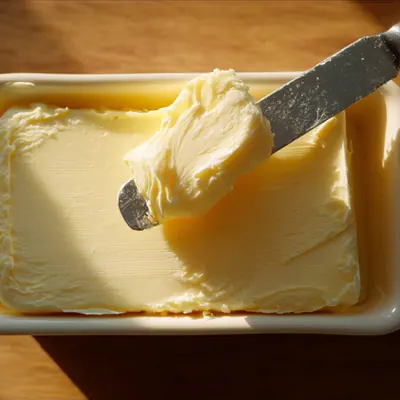
Butter
Dairy fat providing vitamin A and culinary saturated fat
Substances: Vitamin A (Retinoids; β-Carotene precursor), Vitamin E (Tocopherols/Tocotrienols), Vitamin K2 (MK forms)


Cockles
Bivalve shellfish providing B12, iron, zinc, selenium, and marine taurine
Substances: DHA (Docosahexaenoic Acid), EPA (Eicosapentaenoic Acid), Iron, Omega-3 Fatty Acids, Selenium, Taurine, Vitamin B12 (Cobalamin), Zinc
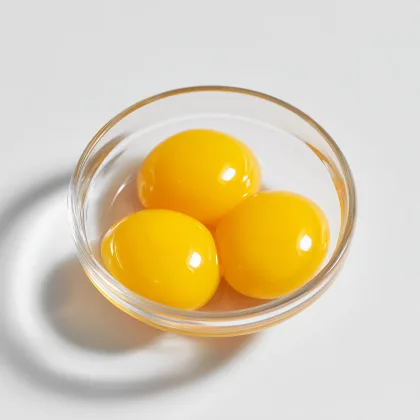
Egg Yolks
Nutrient-dense part of eggs with choline, lutein, and fat-soluble vitamins
Substances: Choline, Lutein, Vitamin A (Retinoids; β-Carotene precursor), Vitamin D, Vitamin E (Tocopherols/Tocotrienols), Vitamin K2 (MK forms), Zeaxanthin
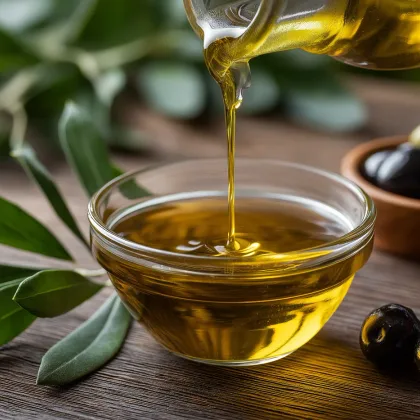
Extra Virgin Olive Oil
Polyphenol-rich oil with hydroxytyrosol and anti-inflammatory properties
Substances: Hydroxytyrosol (Olive Polyphenol), Oleacein, Oleocanthal, Tyrosol

Lemon
Vitamin C for iron absorption enhancement and pH adjustment
Substances: Eriocitrin, Hesperidin, Vitamin C (Ascorbate)
Mussels
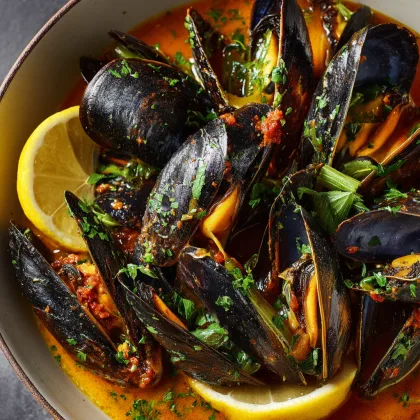
Nutrient-dense bivalve providing phospholipid-bound omega-3s; accepted by some vegans (ostroveganism)
Substances: DHA (Docosahexaenoic Acid), EPA (Eicosapentaenoic Acid), Iron, Omega-3 Fatty Acids, Phosphatidylcholine (PC), Selenium, Vitamin B12 (Cobalamin), Zinc

Onions
Inulin prebiotic, quercetin, and glutathione precursors
Substances: Kaempferol, Quercetin (and Isoquercetin), Vitamin C (Ascorbate)

Parmesan Cheese
CLA, K2, C15:0, and high protein/calcium
Substances: Calcium, Tyrosine, Vitamin K2 (MK forms)

Parsley
Reduces harmful cholesterol oxidation products when added to cooking
Substances: Vitamin B9 (Folate), Vitamin C (Ascorbate), Vitamin K (Phylloquinone)