Oyster Mushroom

Overview
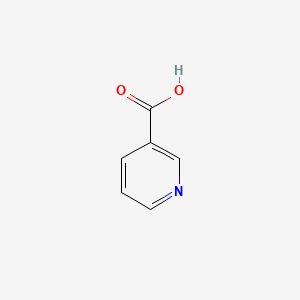
Oyster mushroom (Pleurotus ostreatus) is a popular culinary mushroom valued for its mild flavor, meaty texture, and nutritional benefits. It is rich in beta-glucans, polysaccharides that support immune function, and provides B vitamins including niacin (B3), which supports NAD+ synthesis and mitochondrial function.
Within the BRAIN Diet framework, oyster mushrooms are widely cultivated and used in cooking, offering a versatile plant-based protein source. The mushroom contains lovastatin, a compound that has been studied for its potential cardiovascular benefits, and its beta-glucan content contributes to immune-modulating properties similar to other medicinal mushrooms.
Food Context
Sourcing
- Store fresh mushrooms in the refrigerator
Preparation
- Can be consumed fresh or dried; fresh oyster mushrooms have a delicate texture
- Cooking enhances flavor and may improve bioavailability of some nutrients
- Can be sautéed, roasted, grilled, or added to soups and stews
- The mushroom has a mild, slightly sweet flavor that pairs well with many dishes
Recipes
Nutrient Tables (per 100 g)
Selected food and preparation: Mushrooms, oyster, raw. per 100 g edible portion.
Core nutrients
| Nutrient | Amount per 100 g | % reference intake per 100 g |
|---|---|---|
| Energy | 33 kcal | — |
| Protein | 3.3 g | — |
| Total fat | 0.4 g | — |
| Saturated fat | 0.1 g | — |
| Carbohydrates | 6.1 g | — |
| Sugars | 1.1 g | — |
| Fibre | 2.3 g | — |
Key vitamins and minerals
Vitamins and minerals supplying at least 10% of an adult reference intake per 100 g, derived from the composition panel.
| Nutrient | Amount per 100 g | % reference intake per 100 g |
|---|---|---|
| Phosphorus | 120 mg | 17.1% |
| Potassium | 420 mg | 12.4% |
| Copper | 0.2 mg | 27.1% |
| Vitamin B2 | 0.3 mg | 26.8% |
| Vitamin B1 | 0.1 mg | 10.4% |
| Vitamin B3 | 5 mg | 31% |
| Vitamin B5 | 1.3 mg | 25.9% |
Bioactive compounds
| Compound / class | Amount per 100 g | Notes |
|---|---|---|
| Beta-Glucans | Present [2] | mushroom fruiting bodies |
- Beta-Glucans: Beta-glucans occur in the fruiting body; dry-mass assays are not fresh-food amounts. [2]
Technical provenance
Beta-Glucans: Sari et al. (2017), Food Chemistry 216:45–51. Named species identified; enzymatic beta-glucan measurements of fruiting material in Tables 1 and 3. Quantities expressed per dry mass; no fresh-food conversion. [2]
Substances
2 substances in this food

Beta-Glucans
Beta-glucans occur in the fruiting body; dry-mass assays are not fresh-food amounts.
References
[1] Starck et al. (2024). Mushrooms: a food-based solution to vitamin D deficiency to include in dietary guidelines. Food-group mushroom vitamin D evidence; not an oyster-mushroom feeding trial.