Walnuts

Overview
Walnuts provide plant-based omega-3 (ALA), polyphenols, and ellagitannins that can be converted to urolithin A by gut bacteria, supporting mitochondrial health and cognitive function. The Green Mediterranean Diet study showed greater visceral adipose tissue loss that tracked with higher total plasma polyphenols and with the microbiome-derived markers urolithin A (via ellagitannins: walnuts/pomegranate).
Within the BRAIN Diet framework, walnuts are part of the Mediterranean diet pattern and support BDNF expression through exercise and polyphenol synergy [1].
Key Nutritional Highlights
- Walnuts are part of the Mediterranean diet pattern and support BDNF expression through exercise and polyphenol synergy.
Food Context
Synergies
- Pair with other omega-3 sources for optimal DHA status (conversion from ALA is limited)
- Higher polyphenol intake and microbial diversity increase urolithin A production from ellagitannins
Sourcing
- Prefer fresh, well-sealed walnuts (or vacuum-packed) to reduce oxidation; rancidity risk increases with heat, light, and long storage.
Preparation
- Best consumed raw to preserve omega-3s and prevent oxidation
- Soaking may improve digestibility and reduce antinutrients
Essential Amino Acid Profile
Walnuts provide plant protein but are not a complete protein; lysine is typically limiting for nuts and seeds.
Protein pairing strategy:
Pair with legumes or grains to complete essential amino acid coverage.
Recipes
3 recipes containing this food
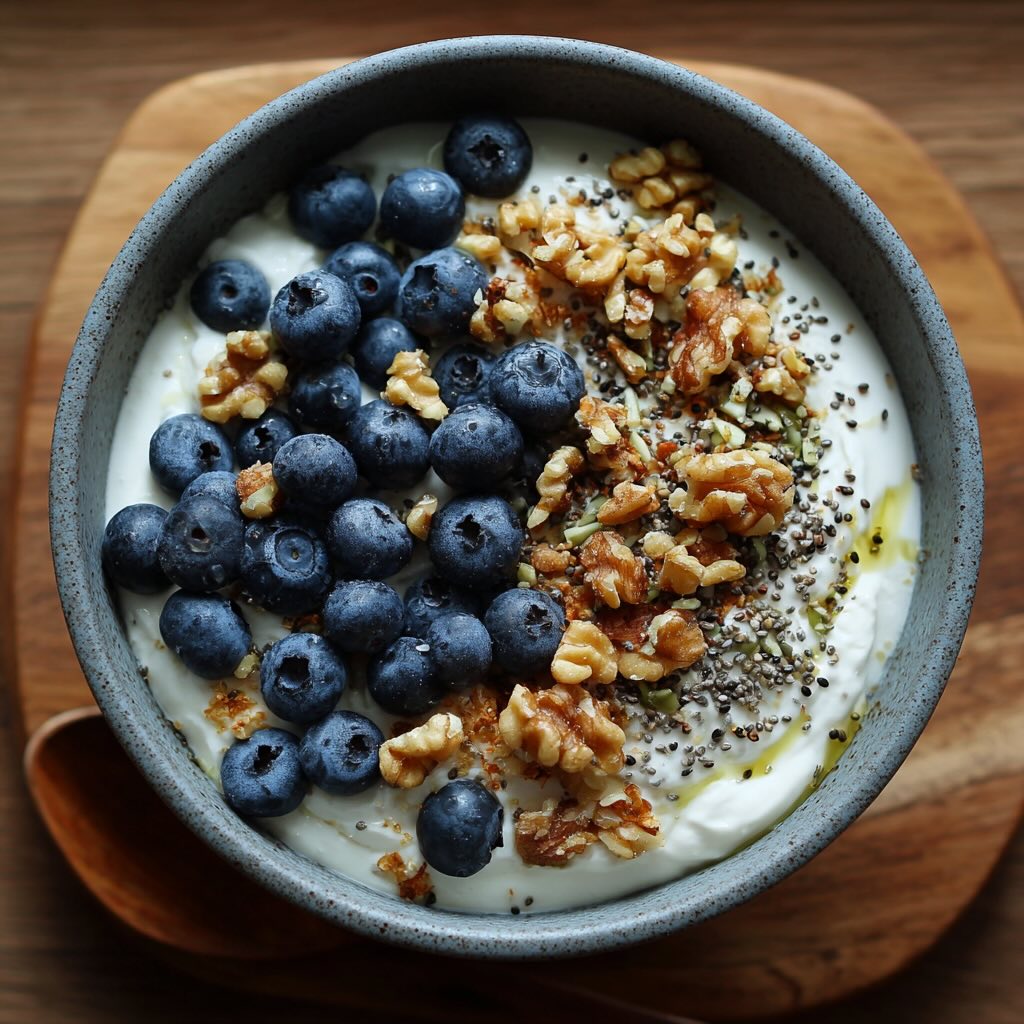
Ginger Yogurt and Blueberries
A polyphenol-rich breakfast bowl with high fibre, combining ginger, omega-3 nuts, blueberry polyphenols, and probiotic yogurt.
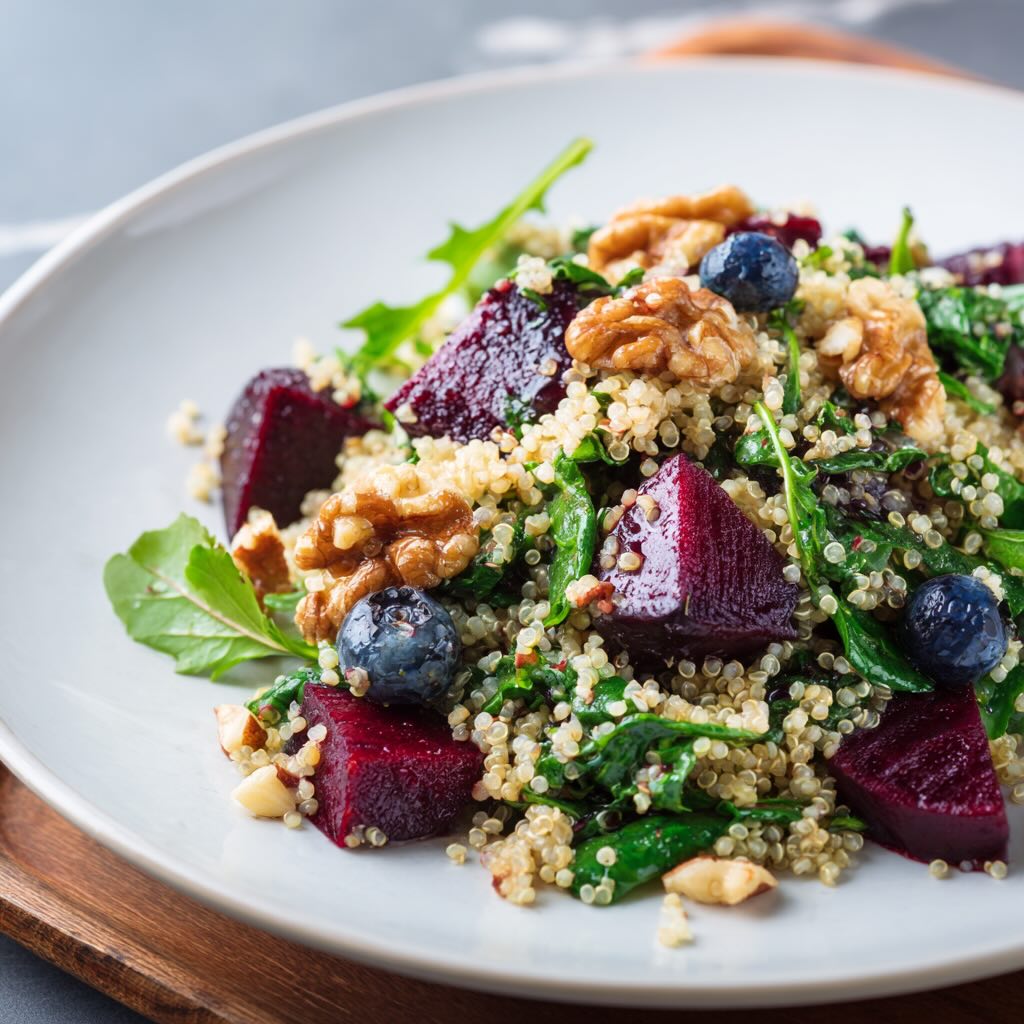
Mitochondrial Power Bowl
A nitrate-rich, polyphenol-dense bowl combining leafy greens, beets, berries, nuts, and early harvest olive oil
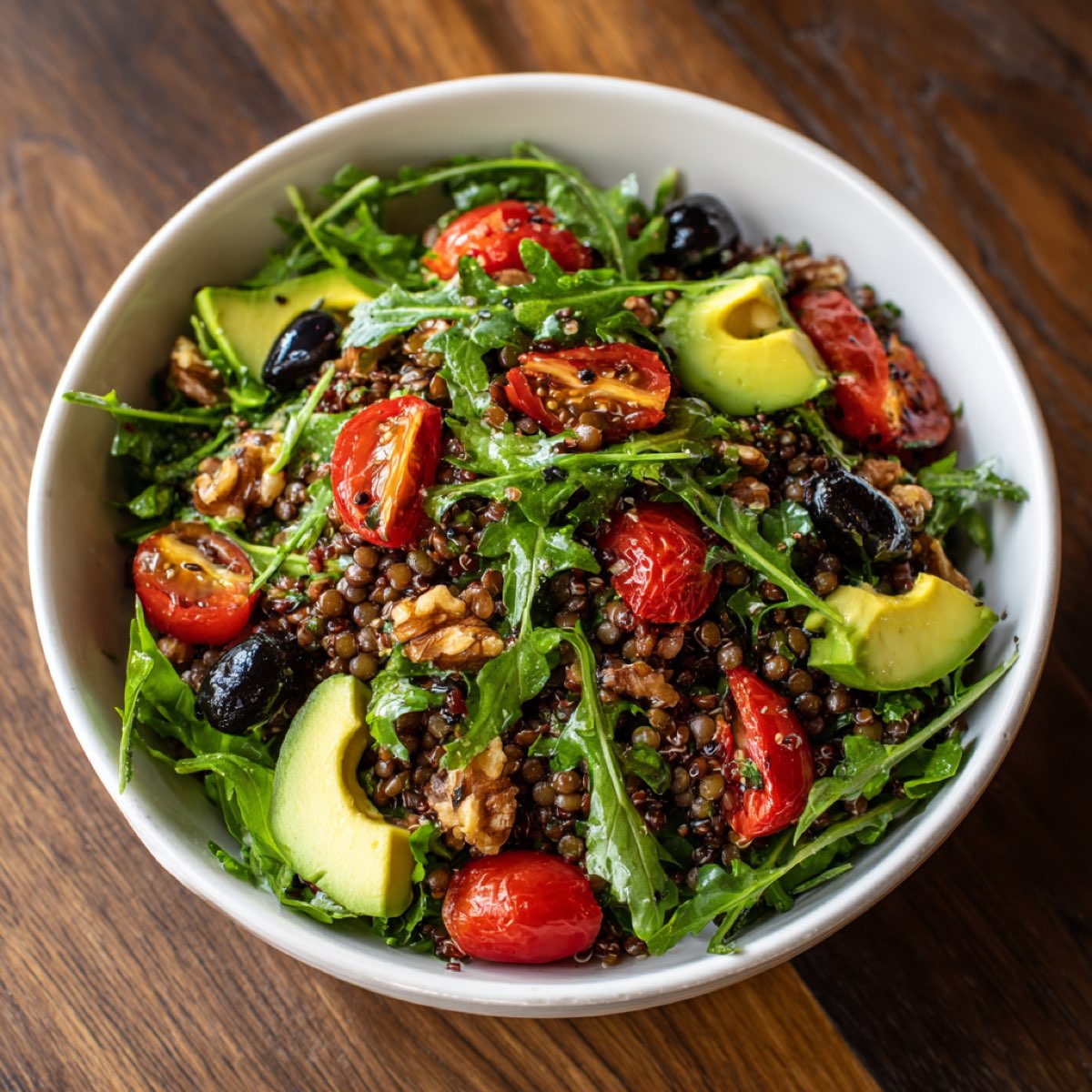
Rocket Lentil Avocado Midday Salad (Gut-Supporting)
Polyphenol-rich midday salad with quinoa or lentils, vegetables, avocado, and early harvest olive oil
Nutrient Tables (per 100 g)
Selected food and preparation: Nuts, walnuts, english. per 100 g edible portion.
Core nutrients
| Nutrient | Amount per 100 g | % reference intake per 100 g |
|---|---|---|
| Energy | 654 kcal | — |
| Protein | 15.2 g | — |
| Total fat | 65.2 g | — |
| Saturated fat | 6.1 g | — |
| Carbohydrates | 13.7 g | — |
| Sugars | 2.6 g | — |
| Fibre | 6.7 g | — |
Key vitamins and minerals
Vitamins and minerals supplying at least 10% of an adult reference intake per 100 g, derived from the composition panel.
| Nutrient | Amount per 100 g | % reference intake per 100 g |
|---|---|---|
| Iron | 2.9 mg | 16.2% |
| Zinc | 3.1 mg | 28.1% |
| Magnesium | 158 mg | 37.6% |
| Phosphorus | 346 mg | 49.4% |
| Manganese | 3.4 mg | 148.4% |
| Potassium | 441 mg | 13% |
| Copper | 1.6 mg | 176.2% |
| Folate | 98 µg | 24.5% |
| Vitamin B6 | 0.5 mg | 41.3% |
| Vitamin B2 | 0.2 mg | 11.5% |
| Vitamin B1 | 0.3 mg | 28.4% |
| Vitamin B5 | 0.6 mg | 11.4% |
Bioactive compounds
Content applies to the food and preparation identified in the source notes.
| Compound / class | Amount per 100 g | Notes |
|---|---|---|
| Linoleic Acid | 38.1 g | — |
| Alpha-linolenic acid (ALA; 18:3 n-3) | 9.1 g | USDA 18:3 quantity; isomer from walnut-specific literature |
- Alpha-linolenic acid (ALA; 18:3 n-3): This value uses a documented composition interpretation.
Technical provenance
Alpha-linolenic acid (ALA; 18:3 n-3): This value uses a documented composition interpretation. See FCIR-004.
Functional metrics
| Metric | Score | Notes |
|---|---|---|
| Total polyphenols (Folin proxy) | High | Walnuts consistently rank high in nut polyphenol surveys; matrix effects apply. |
Note: Functional-metric values depend strongly on assay method, processing, and product formulation. Use these as contextual metrics, not strict like-for-like nutrient equivalents.
Substances
6 substances in this food
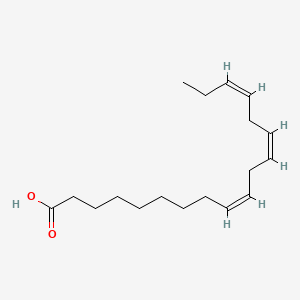
ALA (Alpha-Linolenic Acid)
Alpha-linolenic acid is supported by the food-specific isomer evidence in the composition notes. The quantity uses the documented composition interpretation.
Copper
USDA FoodData Central reports copper in Nuts, walnuts, english.
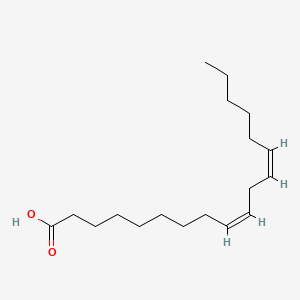
Linoleic Acid (LA, n-6)
USDA FoodData Central reports linoleic acid in Nuts, walnuts, english.
Magnesium
USDA FoodData Central reports magnesium in Nuts, walnuts, english.
Manganese
USDA FoodData Central reports manganese in Nuts, walnuts, english.
Phosphorus (Phosphate)
USDA FoodData Central reports phosphorus in Nuts, walnuts, english.
References
[1] The Green Mediterranean Diet study showed greater visceral adipose tissue loss that tracked with higher total plasma polyphenols and with the microbiome-derived markers urolithin A (via ellagitannins: walnuts/pomegranate). Zelicha & Kloting 2022. The effect of high-polyphenol Mediterranean diet on visceral adiposity: the DIRECT PLUS randomized controlled trial